Ty Rattles: The baby line that stretched the Beanie Babies era
Ty Rattles arrived near the height of the Beanie Babies craze, translating Ty's soft-plush formula into infant toys that mixed collectibility, sensory play, and nursery-friendly design.
Compare prices and availability
Check current prices and availability for this guide on eBay.
As an eBay Partner, we may be compensated if you make a purchase.
For many parents in the late 1990s, Ty was impossible to avoid. The company behind Beanie Babies had become a retail phenomenon, turning small plush animals into collectibles that crossed generations. Less remembered today is how aggressively Ty expanded beyond the toy aisle. One of the more unusual offshoots was Ty Rattles, a baby-focused line that borrowed the same soft fabrics, rounded animal designs, and gift-shop appeal that made Beanie Babies famous. They were infant toys first, but they also carried the unmistakable look of the era’s plush craze.
Where it came from
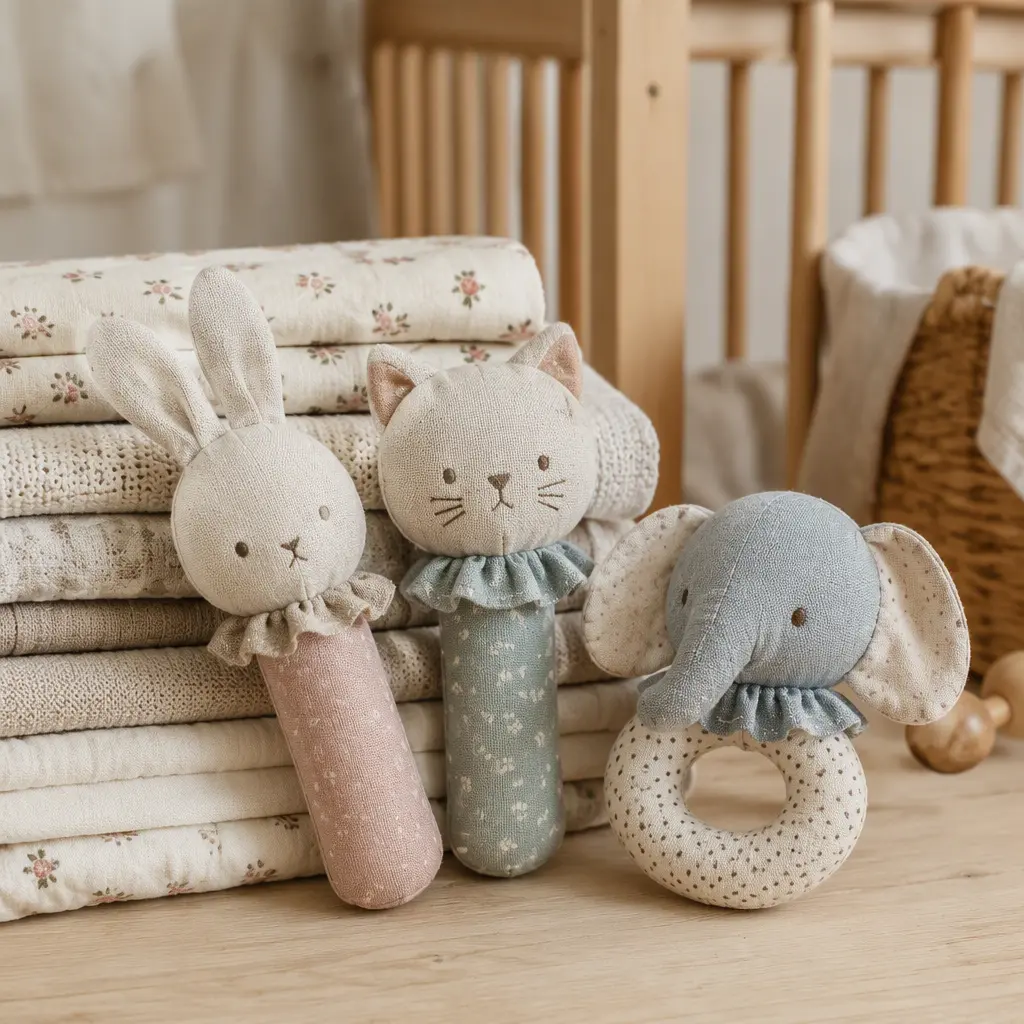
Ty introduced its rattle line during the peak years of Beanie Babies mania, around 1998, when the company was extending its branding into nearly every plush-adjacent category it could support. The idea was straightforward: create baby-safe toys that still looked connected to the collectible plush animals already filling gift shops, pharmacies, and toy stores. Rather than hard plastic infant rattles, Ty leaned into fabric-heavy construction and cuddly shapes that matched nursery aesthetics of the time.
The timing mattered. During the late 1990s, baby gifts increasingly blended practical use with novelty branding. Plush infant toys became common baby-shower purchases, and Ty understood that many adult Beanie Babies collectors had also become parents, relatives, or gift buyers. Ty Rattles fit naturally into that environment. They were soft enough for early sensory play, recognizable enough to feel connected to the larger Ty universe, and affordable enough to appear as impulse purchases near checkout counters.
Why it works
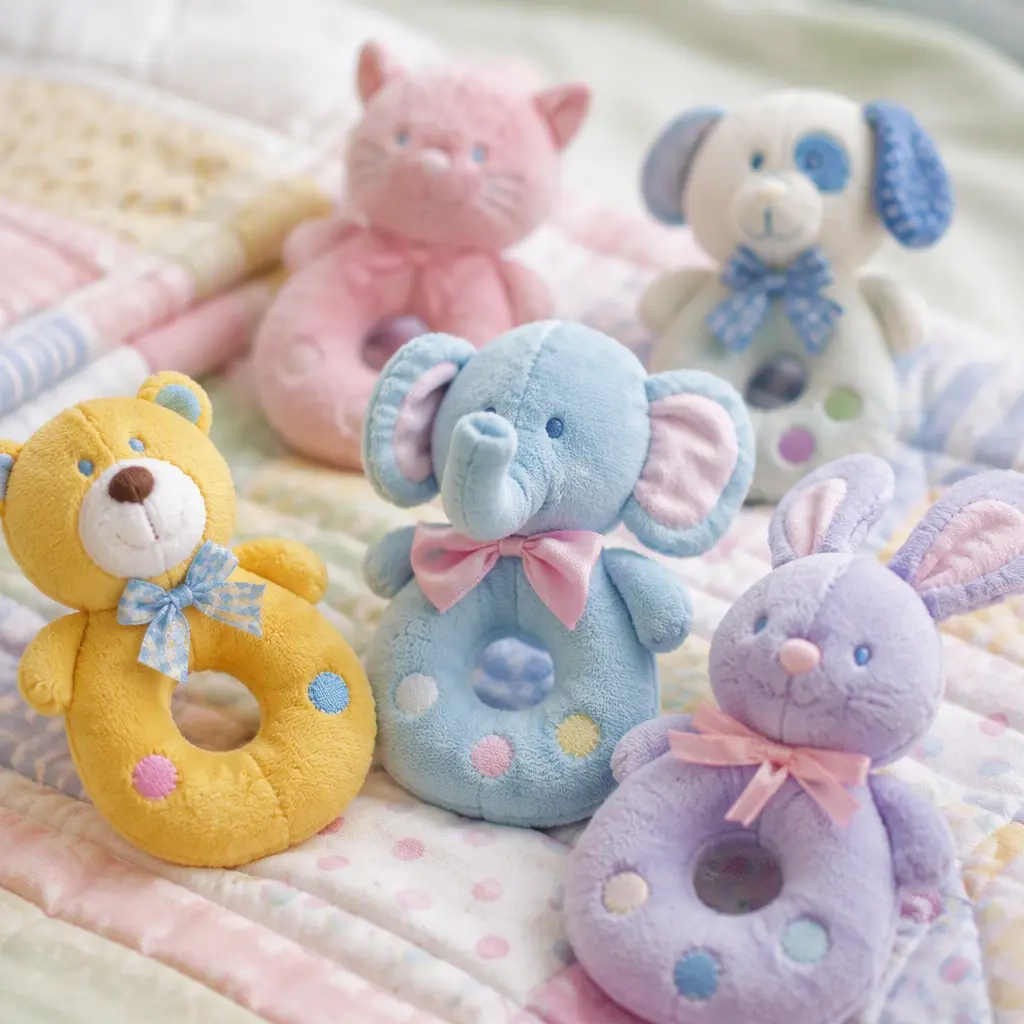
What made Ty Rattles stand out was not mechanical complexity but texture and familiarity. The toys typically featured soft plush exteriors, embroidered features instead of rigid pieces, and lightweight shapes designed for small hands. Inside, simple noisemakers created gentle rattling sounds without the louder clacking associated with older plastic infant toys. That softer sensory approach matched changing preferences in baby products during the era, especially among parents looking for toys that blended into calmer nursery spaces.
The line also benefited from visual continuity. Ty had already established a successful design language through Beanie Babies: oversized eyes, rounded animal forms, understuffed bodies, and touchable fabrics. Even when adapted for infants, the toys felt instantly recognizable. The result was a baby product that doubled as a keepsake item, something many families saved alongside blankets and stuffed animals rather than treating as disposable early-stage toys.
- Soft plush construction designed for infant handling
- Gentle internal rattle sounds instead of hard plastic noise
- Animal-inspired shapes tied visually to 1990s plush trends
- Compact size suitable for diaper bags and strollers
- Embroidery and fabric textures that reduced hard edges
Who it's for
Ty Rattles were aimed primarily at infants and toddlers in early sensory-development stages, especially babies learning to grip, shake, and track sounds. The soft materials made them approachable for supervised tummy time and stroller use. Today, though, much of the audience is adult collectors interested in 1990s toy history. Former Beanie Babies fans often seek them out as part of broader Ty collections, while younger parents sometimes discover them through vintage-toy resale markets and appreciate their simpler, fabric-focused design compared with heavily electronic modern baby toys.
Variants and what to look for today
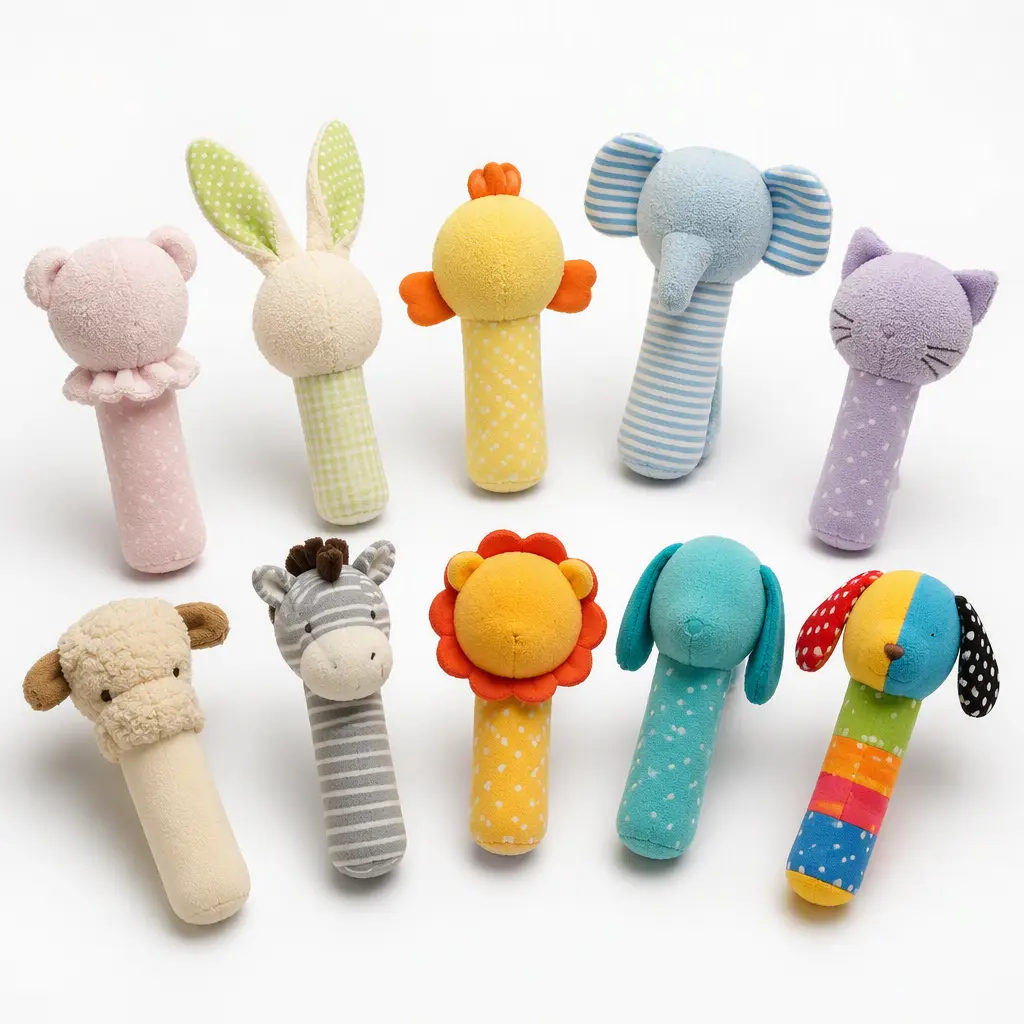
Because Ty produced many animal styles and seasonal variations during its expansion years, the rattle line can feel surprisingly broad to collectors. Some versions leaned heavily into classic nursery pastels, while others mirrored brighter Beanie Babies color palettes. There were also clip-on stroller versions, ring-style rattles, and plush-bodied designs intended more as comfort toys than pure noise-makers.
Condition matters more than rarity for most buyers today. Since these were infant toys, heavily used examples are common. Collectors and parents alike typically look for intact stitching, clean fabrics, secure seams, and functioning internal rattles. Original tags can matter to nostalgia-focused collectors, but practical buyers often prioritize softness and overall condition instead. Generic imitation plush rattles from the same era can look similar, so checking labels and construction quality is useful when shopping secondhand.
- Look for clean stitching and secure seams
- Check that the internal rattle still works smoothly
- Expect some fabric wear on frequently handled vintage pieces
- Hand-washing guidance varies by age and materials
- Modern plush rattles often emphasize washable fabrics and safety certifications
Frequently asked questions
Were Ty Rattles considered collectibles?
Not on the same level as Beanie Babies, but they benefited from the same collecting culture. Some families kept them as nursery keepsakes, while dedicated Ty collectors often added them to broader plush collections.
Are vintage Ty Rattles safe for babies today?
Many remain structurally sound, but older infant toys should always be inspected carefully for worn seams, loose stitching, or degraded materials. Parents often choose vintage pieces more for supervised play or display than everyday infant use.
Why did Ty expand into baby toys?
The company was growing rapidly during the late 1990s and explored multiple plush-related categories. Baby products allowed Ty to reach gift buyers and families already familiar with the brand’s soft-toy style.
Do modern baby rattles still follow the same design ideas?
In many ways, yes. Soft fabrics, embroidered details, muted sounds, and animal-themed shapes remain common in infant toys today. Ty Rattles reflected a broader shift away from rigid plastic-only rattles toward more comfort-oriented sensory toys.
Ty Rattles never reached the cultural intensity of Beanie Babies, but they reveal how far the plush craze of the 1990s extended. What could have been a simple nursery accessory became part of a much larger moment in toy history, when branding, collecting, and comfort all merged into one of the decade’s most recognizable design trends. Today, they remain small but memorable artifacts from the years when nearly every toy aisle seemed covered in soft fabric and bean-filled animals.