Tyco RC: The toy cars that made radio control mainstream
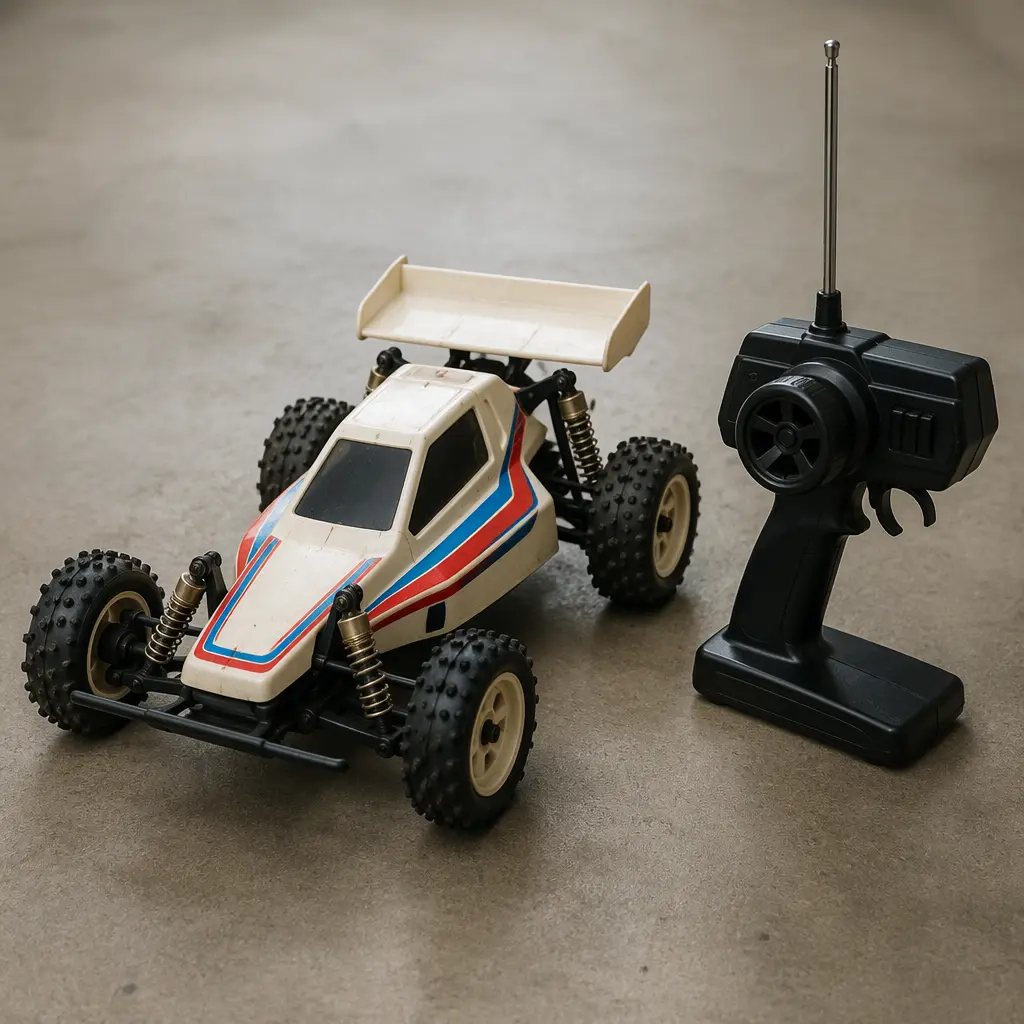
Tyco RC cars turned radio-controlled driving into an everyday toy in the late 1980s and 1990s, bringing fast, affordable racing and stunt play to living rooms, driveways, and backyards.
Compare prices and availability
Check current prices and availability for this guide on eBay.
As an eBay Partner, we may be compensated if you make a purchase.
For many families in the late 1980s and 1990s, Tyco RC was the first taste of radio-controlled driving that felt fast, noisy, and surprisingly capable without requiring hobby-shop knowledge. The brand's cars, trucks, buggies, and stunt vehicles occupied a middle ground between simple battery toys and expensive enthusiast-grade RC machines. They were built for kitchen floors, sidewalks, dirt patches, and neighborhood races, and they helped turn remote-control driving into a mainstream category rather than a niche hobby.
Where it came from
Tyco Toys entered the remote-control market during a period when battery-powered electronics were becoming cheaper and more reliable for mass-market toys. By the mid-1980s, the company had already built a strong presence in toy aisles with train sets and licensed products, but RC vehicles became one of its defining categories. Around 1986, Tyco RC began gaining wider attention with cars and trucks designed to feel exciting right out of the box rather than technical or intimidating.
Earlier radio-controlled vehicles often demanded assembly, tuning, or specialty parts. Tyco simplified the experience. Most models arrived fully assembled with a handheld controller and straightforward controls. Children could open the box, charge or install batteries, and start driving within minutes. That accessibility mattered. It brought RC racing into homes that might never have visited a hobby store, and it made the category feel approachable for birthdays, holidays, and everyday play.
Why it works
The appeal of Tyco RC came from the combination of speed, durability, and immediacy. These vehicles were rarely realistic simulations. Instead, they exaggerated the fun parts of driving. Tires were oversized, suspensions bounced dramatically, and bodies often leaned into cartoonish proportions. Even basic forward-and-reverse controls felt thrilling when paired with quick acceleration and responsive steering on smooth pavement or packed dirt.
Tyco also understood spectacle. Many of the most memorable models emphasized stunts, flips, water resistance, glowing wheels, or oversized tires rather than technical precision. Children could race indoors during bad weather or launch trucks off improvised ramps outside. The cars were designed to survive rough handling better than many delicate hobby-grade models of the era, which encouraged experimentation instead of cautious use.
- Ready-to-run design with simple handheld controls
- Fast acceleration compared with many toy vehicles of the era
- Large tires and rugged styling suited to indoor and outdoor play
- Rechargeable battery packs on many models for repeated use
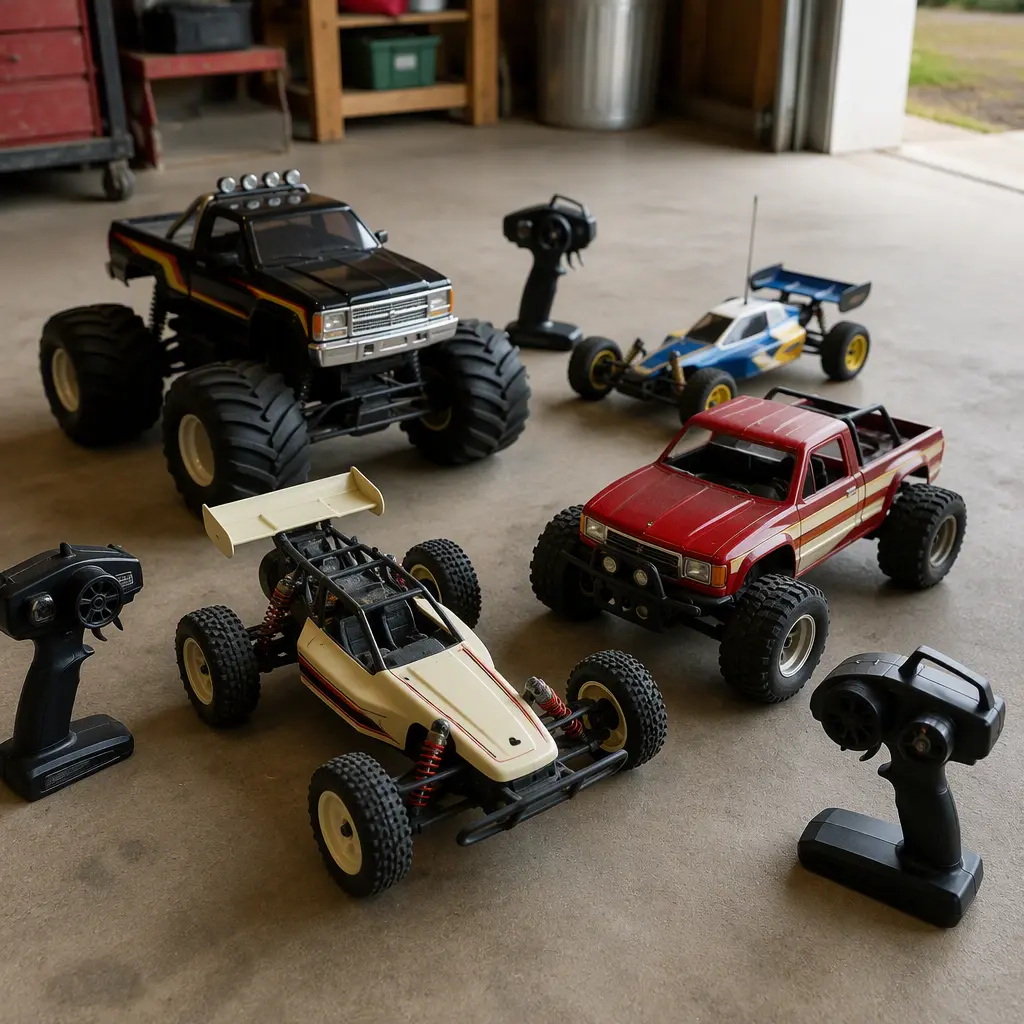
- Wide variety of vehicle styles including buggies, monster trucks, racers, and stunt cars
- Accessible price range compared with enthusiast RC systems
Who it's for
Tyco RC vehicles were primarily aimed at school-age children, but they also attracted teenagers and adults who wanted casual RC fun without the cost or maintenance of hobby-grade equipment. Younger children often enjoyed the simple steering and dramatic crashes, while older kids appreciated the speed and competitive racing potential. Today, collectors and nostalgic adults continue to seek out surviving examples because the toys represent a specific moment when electronic play became more energetic and interactive. Vintage RC toys also appeal to people interested in 1990s toy design, battery technology history, and retro electronics.
Variants and what to look for today
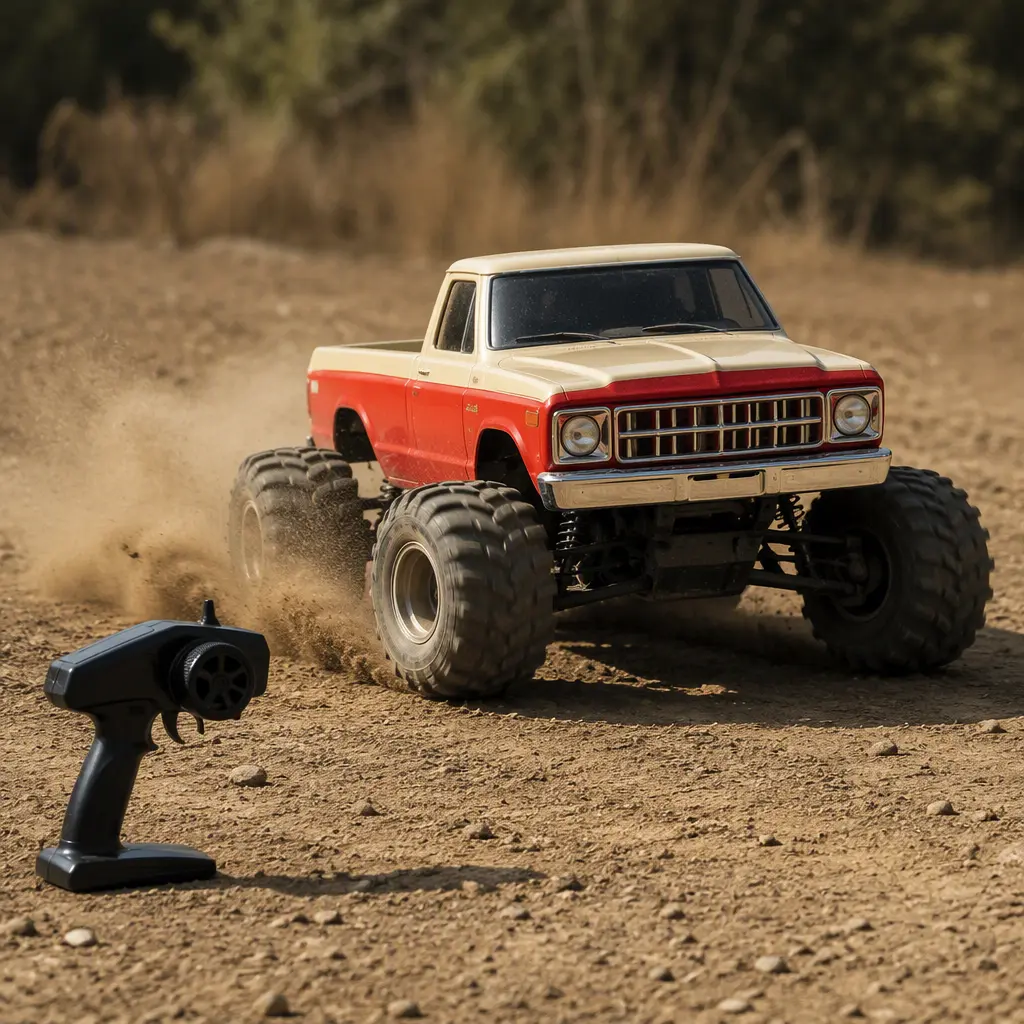
One reason Tyco RC remained popular for so long was the range of vehicles available. The lineup shifted constantly, moving from sporty buggies and race cars to monster trucks, amphibious concepts, and stunt-focused designs. Some models emphasized speed, while others focused on oversized wheels or dramatic body shapes intended to stand out on toy shelves. The broad selection meant families could choose something that matched available play space, whether that was a small apartment or a backyard.
Collectors searching today will encounter both original vintage vehicles and newer RC toys inspired by the same style of play. Battery condition is one of the biggest issues with older models. Many original rechargeable packs no longer hold power, and plastic parts can become brittle after decades in storage. Controllers are also important because older RC systems often depended on matched frequencies. A vehicle without its original controller may be difficult to test or restore.
- Look for complete sets with vehicle, controller, and battery compartment covers
- Check for corrosion around battery contacts on vintage examples
- Test steering response and drive motors if possible
- Larger-tire models tend to handle rough outdoor surfaces better
- Modern toy-grade RC cars may offer easier charging and replacement parts
- Avoid heavily cracked plastic bodies if you plan to drive rather than display the vehicle
Frequently asked questions
Were Tyco RC cars considered hobby-grade?
Most Tyco RC vehicles were toy-grade products intended for convenience and accessibility rather than precision racing. They focused on fun, affordability, and durability instead of customizable performance.
Why were Tyco RC vehicles so popular in the 1990s?
They combined speed, dramatic styling, and approachable pricing at a time when electronic toys were rapidly improving. Television advertising and broad retail availability also helped make them highly visible during the holiday shopping season.
Do vintage Tyco RC cars still work today?
Some do, especially well-preserved examples stored carefully over the years. However, older batteries, wiring, and plastic components may require maintenance or replacement before regular use.
What made Tyco RC different from simpler remote-control toys?
Tyco vehicles generally offered faster movement, more rugged construction, and more ambitious designs than many basic remote-control toys of the era. They were designed to create a sense of real racing and action rather than slow, purely decorative movement.
Tyco RC helped define a generation of electronic play by making radio-controlled driving feel exciting and attainable at the same time. Long before drones and app-connected gadgets became common, these cars and trucks gave children a direct, physical sense of control and experimentation. Their legacy survives not because they were the most advanced RC machines ever built, but because they made the experience widely available and genuinely memorable.