UNO Show ’em No Mercy and the Rise of Competitive Family Games
UNO Show ’em No Mercy turned a familiar card game into a louder, harsher party-night challenge with stacked penalties, faster eliminations, and social-media-ready chaos.
Compare prices and availability
Check current prices and availability for this guide on eBay.
As an eBay Partner, we may be compensated if you make a purchase.
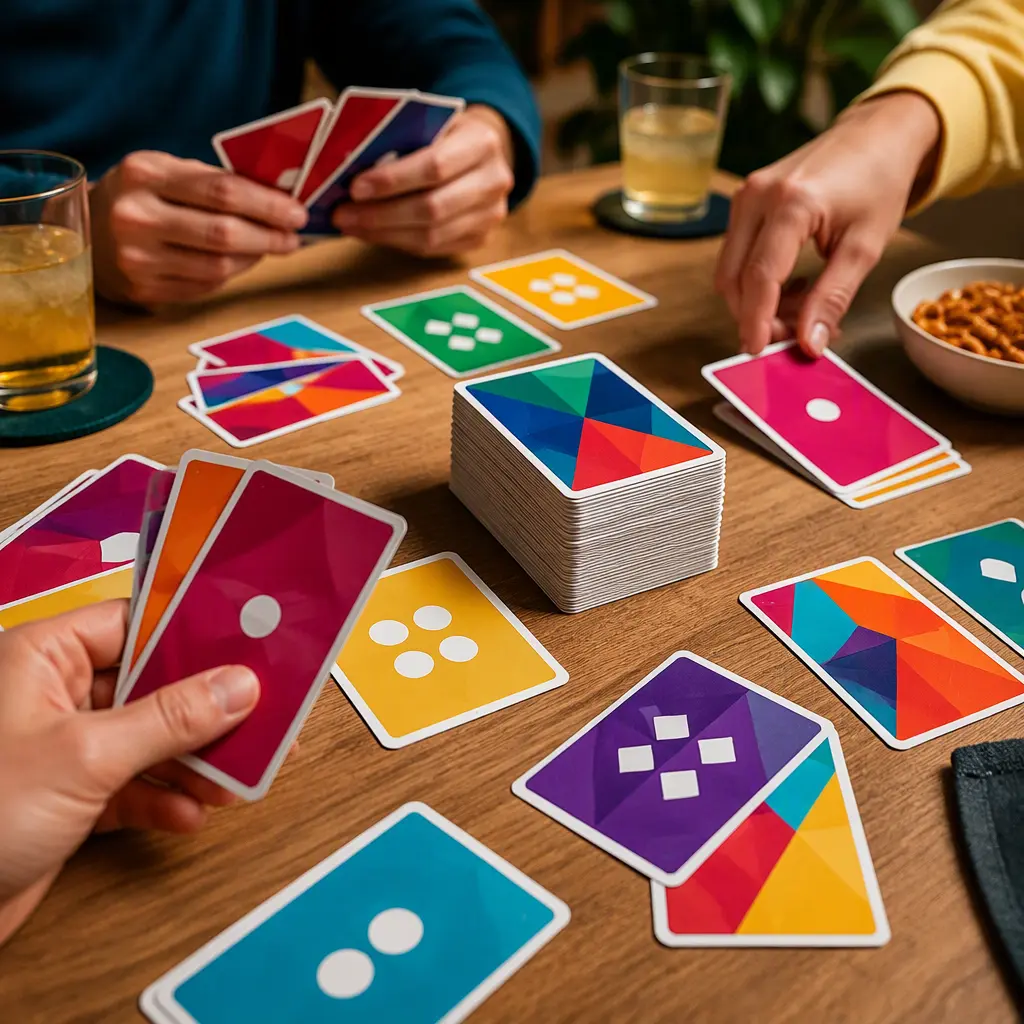
UNO has been part of family game nights for decades, but UNO Show ’em No Mercy arrived with a very different energy. Released during a period when highly competitive party games were thriving online, this version pushed the familiar draw-and-discard formula toward chaos. Bigger penalties, tougher action cards, and elimination rules changed the tone from light family teasing to all-out survival. The result was a card game that quickly found an audience on TikTok, YouTube, and college game tables, where dramatic reversals and towering draw piles made every round feel like a story worth sharing.
Where it came from
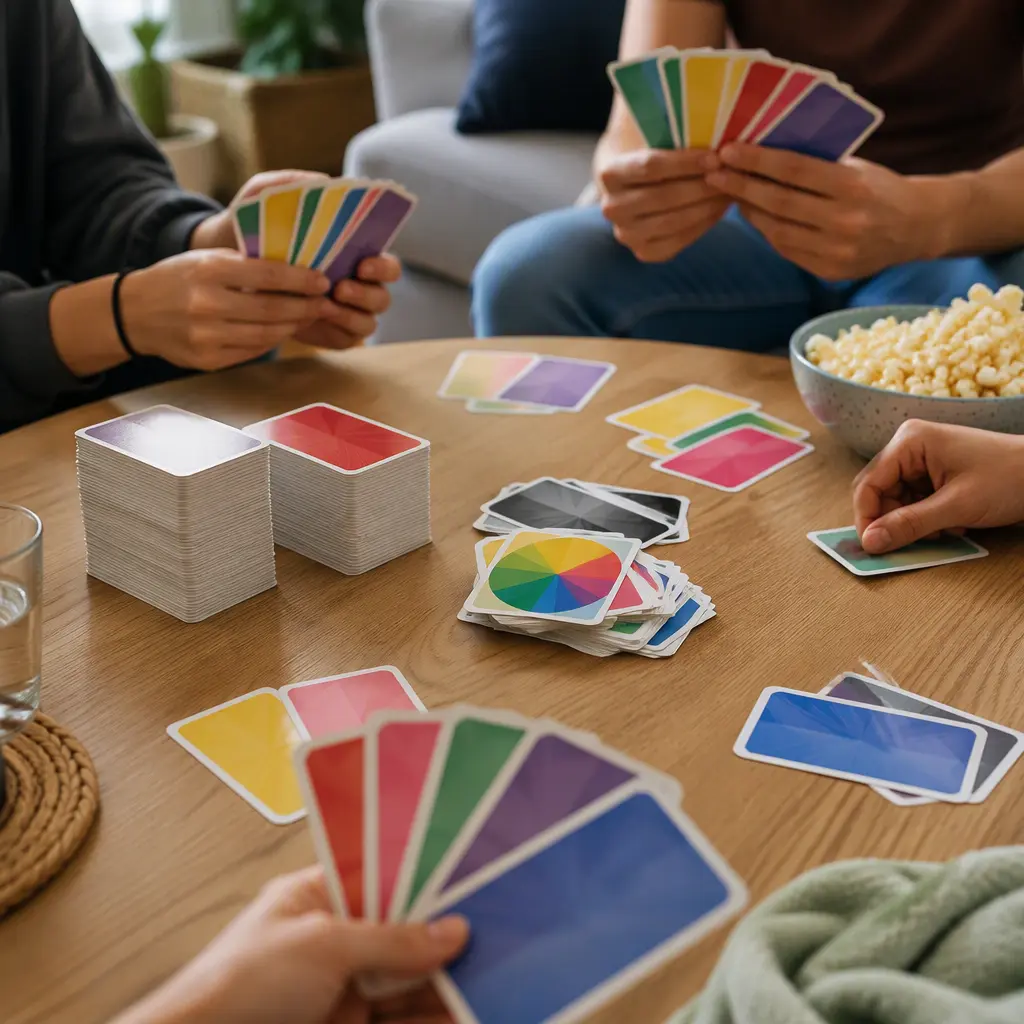
Classic UNO dates back to the early 1970s, when a simple matching-card concept became one of the most widely recognized family games in the world. Its appeal was always accessibility: players matched colors and numbers, used action cards to interrupt opponents, and raced to empty their hands. Over time, publishers experimented with themed editions and house-rule-inspired mechanics, but the core experience remained easygoing and flexible enough for both children and adults.
UNO Show ’em No Mercy, introduced in 2023, reflected a newer trend in tabletop gaming culture. Social gaming had become more performative, especially online, where viewers enjoyed games that created tension, surprise, and exaggerated reactions. This version leaned directly into that audience. Instead of softening conflict for broad family appeal, it embraced aggressive mechanics like larger draw penalties, harsher skips, and elimination conditions. In many ways, it formalized the unofficial “stacking” and revenge-style rules that many households had already invented on their own.
Why it works
The game succeeds because it keeps the familiar rhythm of UNO while increasing the stakes. Players still recognize the core structure within minutes, so there is very little learning curve. The difference is emotional pacing. In standard UNO, a bad turn might mean drawing a few extra cards. In Show ’em No Mercy, a single chain reaction can flood a player’s hand and completely change the momentum of the game.
That unpredictability creates the kind of tension that works especially well in groups. Every player watches the table closely because a harmless-looking action card can suddenly become a devastating pile-on. The elimination element also changes strategy. Instead of everyone staying involved until the final moments, players can be knocked out entirely, which raises the competitive atmosphere and shortens some rounds in dramatic fashion.
- Expanded action-card effects that create larger penalties and reversals
- Stacking mechanics that encourage escalating draw chains
- Faster emotional swings between winning and losing positions
- Simple rules that remain approachable for casual players
- High replay value because group dynamics change every round
Who it's for
UNO Show ’em No Mercy is best suited to older children, teens, and adults who already enjoy competitive party games. While younger players may understand the rules, the harsher mechanics can feel frustrating for children expecting a gentler family-card-game experience. It tends to work best with groups that enjoy loud reactions, playful rivalries, and unpredictable outcomes. Adult players in particular have embraced it as a low-cost social game that requires little setup but still creates memorable moments. For families, the tone of the group matters more than age alone. Some households enjoy the dramatic take-that style, while others may prefer traditional UNO’s more forgiving pace.
Variants and what to look for today
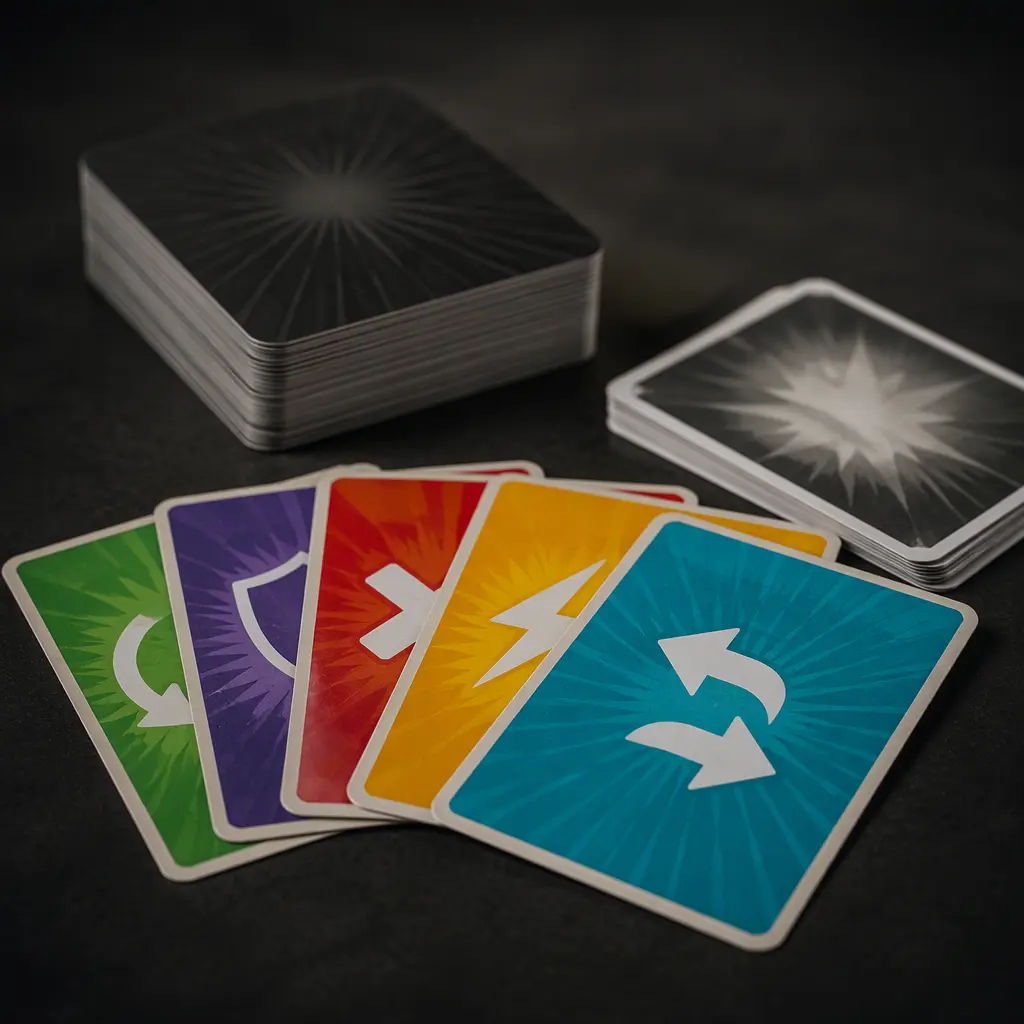
One reason UNO continues to endure is its adaptability. The franchise now includes travel versions, simplified editions for younger players, and themed variants aimed at collectors or fans of specific entertainment brands. Show ’em No Mercy stands out because it changes the emotional tone more than the visual presentation. Even people who normally ignore new UNO editions often notice this one because the gameplay itself feels noticeably more intense.
If you are shopping for it today, pay attention to whether you want the standard family experience or the more aggressive rule set. Some online listings blur the differences between editions. It is also worth checking card quality and packaging from third-party sellers, since party-card games are frequently copied or poorly reproduced. A legitimate modern deck should have durable cards with consistent color printing and clear iconography.
- Look for complete decks with official-style rule inserts and durable cardstock
- Consider standard UNO if younger children dislike elimination mechanics
- Travel-friendly storage matters because the deck is larger than some classic editions
- Protective card sleeves can help if the game sees heavy party-night use
Frequently asked questions
Is UNO Show ’em No Mercy harder than regular UNO?
The basic rules remain simple, but the consequences of action cards are much more severe. Players need to pay closer attention to stacking opportunities and sudden reversals.
Can younger children play it?
Many children can understand the mechanics, especially if they already know classic UNO. The bigger question is whether they enjoy highly competitive gameplay with elimination and larger penalties.
Why did the game become popular online?
Large draw chains and dramatic reversals create strong reactions that translate well into short videos and livestream clips. Viewers can immediately understand the tension even without knowing every rule.
Does it replace classic UNO?
For most players, it works more as an alternative mood than a replacement. Traditional UNO remains better suited to mixed-age family play, while Show ’em No Mercy fits louder and more competitive groups.
UNO Show ’em No Mercy shows how even a decades-old card game can evolve alongside modern social habits. By turning familiar mechanics into a more ruthless and theatrical experience, it tapped into a generation of players looking for quick, shareable fun with high emotional stakes. Whether it becomes a long-term staple or remains tied to the viral gaming moment of the early 2020s, it demonstrates that simple rules and strong group dynamics still matter more than complicated systems when people gather around a table.