Water Babies: The weighted dolls that felt unexpectedly real
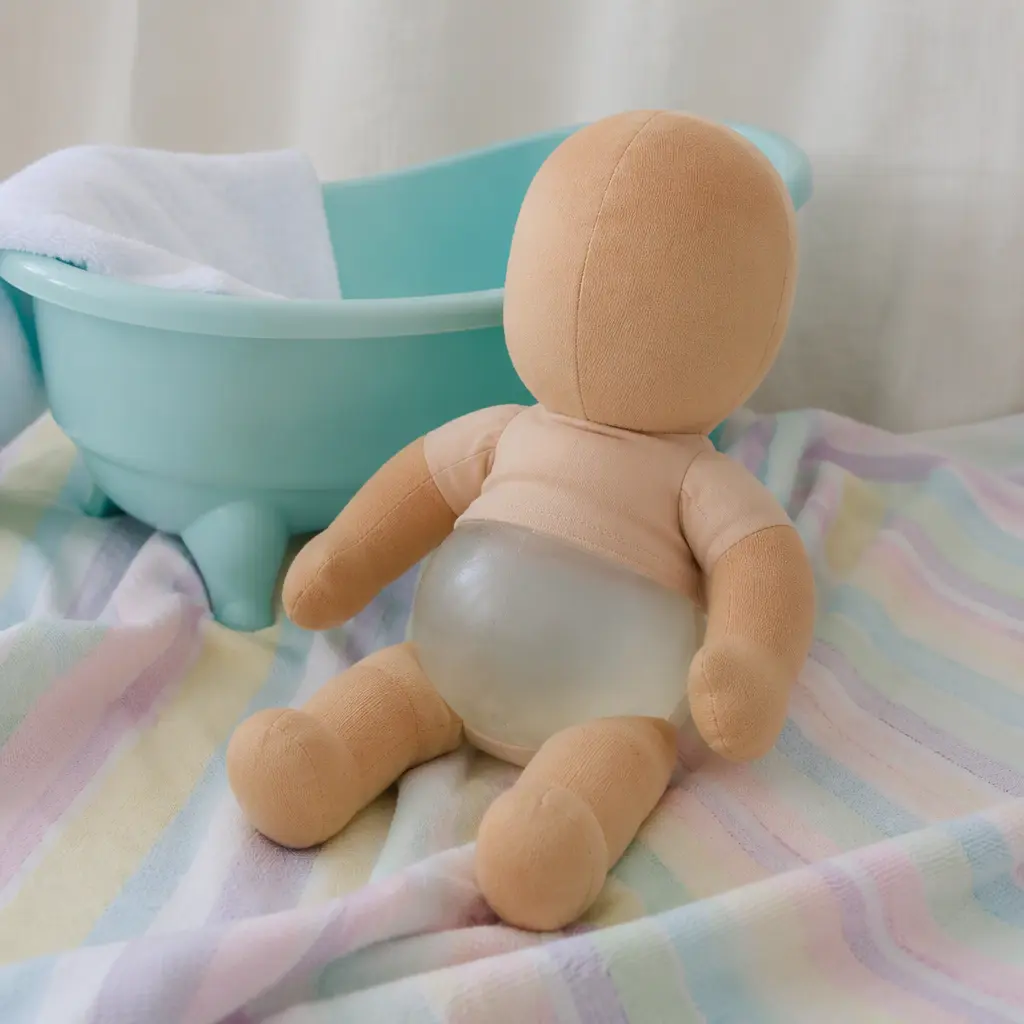
Water Babies became a late-1980s sensation by combining soft doll play with a water-filled body that gave the toy unusual weight and movement, making it feel more lifelike than many dolls of the era.
Compare prices and availability
Check current prices and availability for this guide on eBay.
As an eBay Partner, we may be compensated if you make a purchase.
Few toys from the late 1980s created the same instant reaction as Water Babies. At first glance they looked like ordinary baby dolls, but the moment a child picked one up, the difference became clear. The dolls were partially filled with water, giving them a heavier, softer feel than many hollow plastic dolls sold at the time. That added weight changed how children interacted with them. They slumped slightly when held, settled naturally into toy strollers, and moved with a gentle wobble that many owners still remember decades later. For a generation of kids, Water Babies occupied a strange middle ground between cuddly plush toys and realistic baby dolls, which helped turn them into a major toy-store hit.
Where it came from
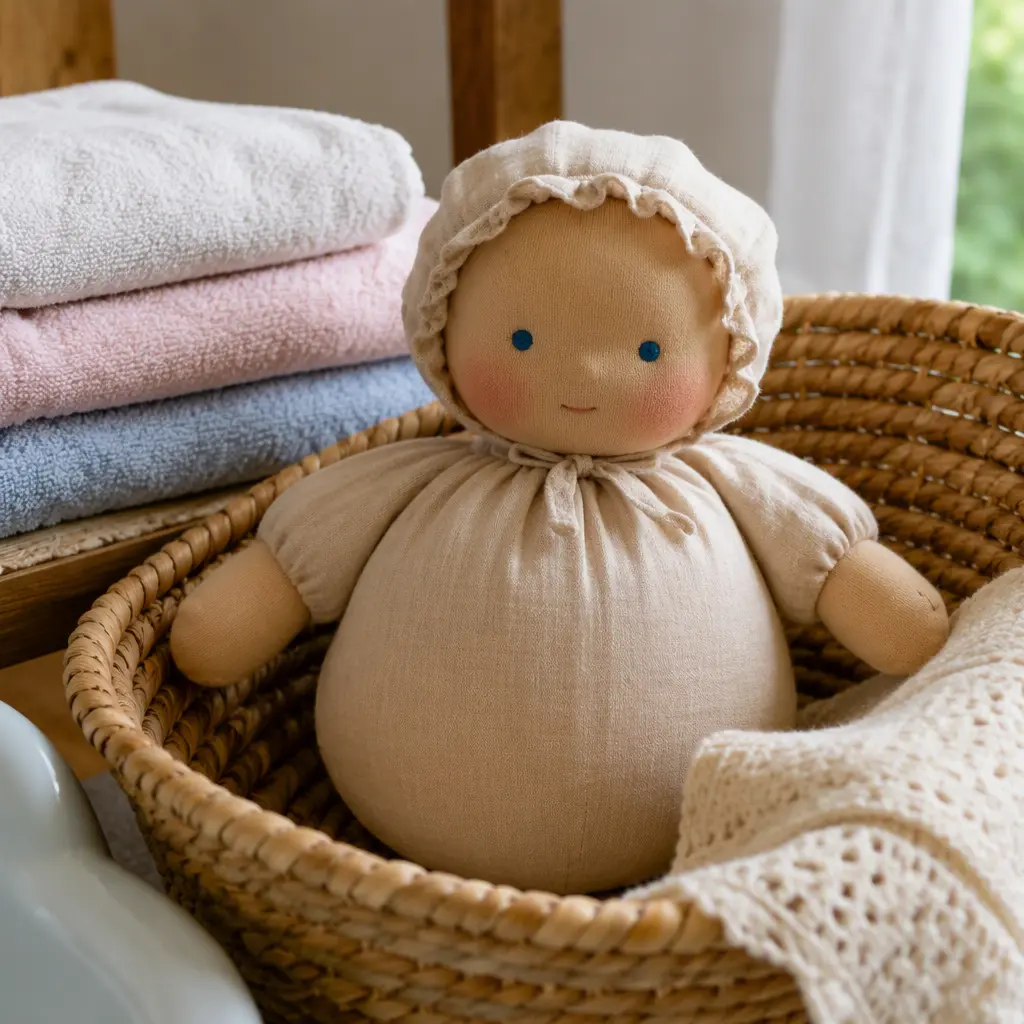
Water Babies arrived during a period when toy companies were experimenting with more interactive and tactile doll designs. Introduced in 1989, the line stood out because it focused less on electronics or complicated accessories and more on physical sensation. Children filled the dolls with water using a small funnel, creating a toy that felt denser and more responsive than standard lightweight dolls. The concept tapped into familiar caregiving play patterns while adding a sensory twist that immediately distinguished it from competitors on toy shelves.
The dolls were marketed around nurturing play, bath-time themes, and portability. Unlike rigid plastic baby dolls that often felt stiff or awkward to pose, Water Babies had soft bodies designed to be hugged and carried. The internal water shifted as the doll moved, creating a surprisingly organic feeling that many adults still describe vividly years later. In retrospect, the idea was simple, but it arrived at exactly the right moment. The late 1980s and early 1990s saw strong demand for toys that blended comfort, realism, and imaginative role-play, and Water Babies managed to combine all three without relying heavily on batteries or complicated gimmicks.
Why it works
The success of Water Babies came down to physical design. Weight matters in toys more than many people realize. A lightweight doll can feel disposable or static, while a heavier object often feels more substantial and emotionally engaging. Water Babies used that principle in a very accessible way. The water inside the body shifted naturally during play, changing how the doll rested in a child's arms and making caregiving play feel more convincing.
The dolls also balanced realism with softness. They were not designed to look perfectly lifelike in the way some collectible dolls were, which kept them approachable for younger children. Instead, the rounded features, soft fabric bodies, and gentle movement encouraged nurturing play without crossing into the uncanny territory that can make highly realistic dolls unsettling for some kids.
- Water-filled body created natural weight and movement
- Soft exterior made the dolls comfortable to hold and carry
- Simple filling process gave children a sense of participation
- Bath and caregiving themes supported imaginative role-play
- Portable size worked well with strollers, cribs, and doll accessories
Who it's for
Water Babies were originally aimed at younger children who enjoyed pretend caregiving and doll play, generally in the preschool and early elementary age range. The softer construction and rounded styling made them approachable for kids who might not have connected with harder plastic dolls. At the same time, the toy developed a nostalgic following among adults who grew up in the 1990s. Many collectors are less interested in rarity than in recreating the sensory memory of holding the dolls again. Parents introducing Water Babies to children today often notice that the appeal still works surprisingly well in an era dominated by screens and electronic toys. The tactile quality remains the central attraction.
Variants and what to look for today
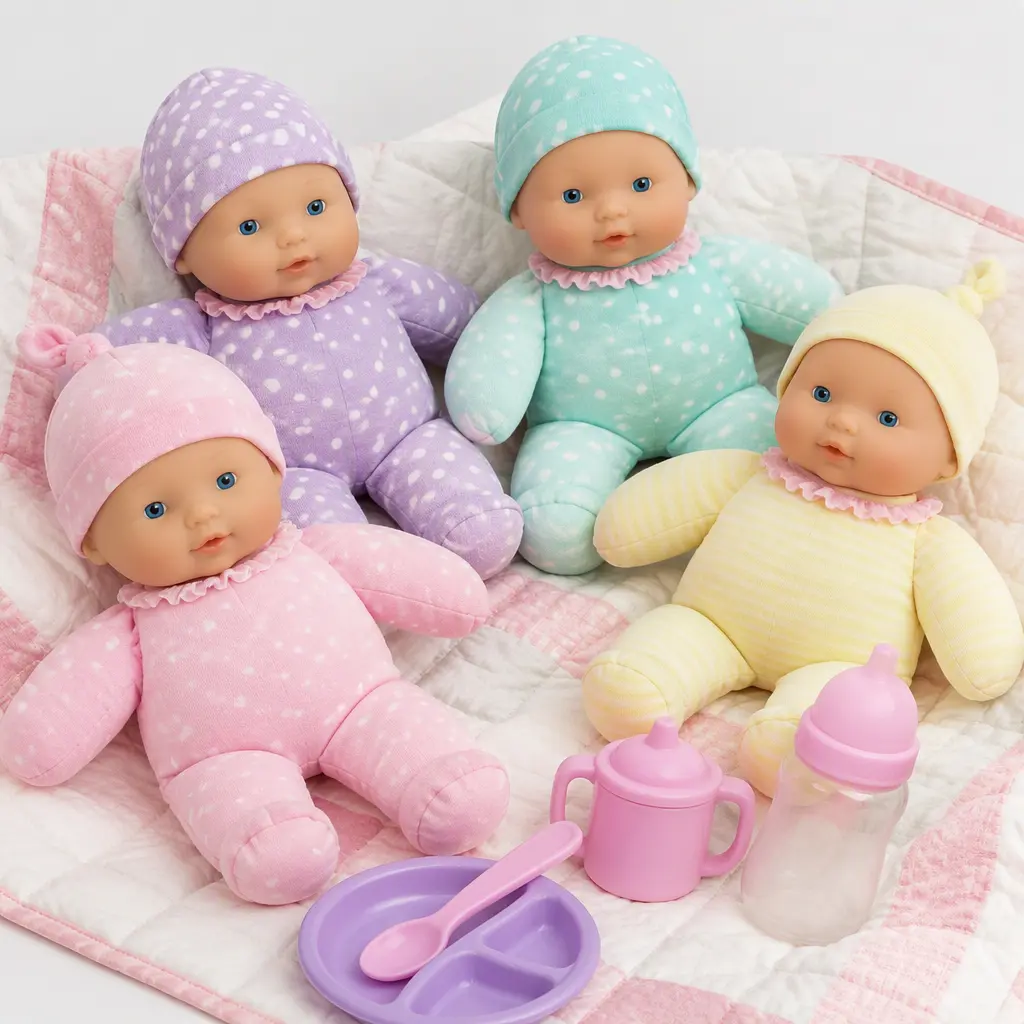
Over the years, Water Babies appeared in multiple sizes, fabric styles, and themed editions. Some versions leaned heavily into bath-time play, while others focused on bedtime or nurturing accessories. Modern releases tend to use updated materials and brighter colors, but the core idea remains the same: a soft doll with added weight created by water filling. Vintage versions from the late 1980s and early 1990s are still common on resale marketplaces, though condition matters because the water system and fabric can wear over time.
Anyone shopping for a Water Babies doll today should pay close attention to cleanliness, leakage, and missing filling accessories. Older dolls sometimes develop odors if they were stored while damp, and cracked plugs can lead to slow leaks. Reissues may simplify some details compared with earlier versions, but they are usually easier to maintain and safer for younger children.
- Look for intact plugs and filling components
- Check fabric bodies carefully for mold or water damage
- Vintage dolls may show fading or seam wear
- Modern versions are often lighter and easier to clean
- Avoid heavily damaged dolls with leaking interiors
Frequently asked questions
Why did Water Babies feel so different from other dolls?
The internal water gave the dolls extra weight and shifting movement, which made them feel softer and more natural when carried. That tactile difference was the toy's defining feature.
Were Water Babies meant for bath play?
Many versions were associated with bath-time themes, but not every doll was designed to spend long periods submerged in water. Owners generally treated them more like soft dolls than pool toys.
Do vintage Water Babies still work?
Many older dolls can still be filled and used if the seals and plugs remain intact. However, vintage soft materials may weaken over time, so collectors often handle them more carefully than children originally did.
Why do adults still remember them so clearly?
Water Babies created a strong sensory memory. The unusual weight, softness, and movement stood out from most toys of the period, making the experience easier to recall years later.
Water Babies succeeded because they changed a familiar toy category in a subtle but memorable way. Rather than relying on flashy electronics or complicated features, the dolls used weight and movement to create a more engaging physical experience. That small design decision gave the toy a lasting place in late-1980s and 1990s childhood memories, and it continues to resonate with collectors and curious parents today.