
Argos vs Smyths: Shared Christmas 2026 Toy Trends
A parent-focused snapshot of where Argos and Smyths overlap for Christmas 2026, including AI toys, interactive pets, creative tech, licensed ranges and age-group trends.
Brick sets, wooden blocks, magnetic tiles, and other open-ended construction toys.
A parent-focused snapshot of where Argos and Smyths overlap for Christmas 2026, including AI toys, interactive pets, creative tech, licensed ranges and age-group trends.
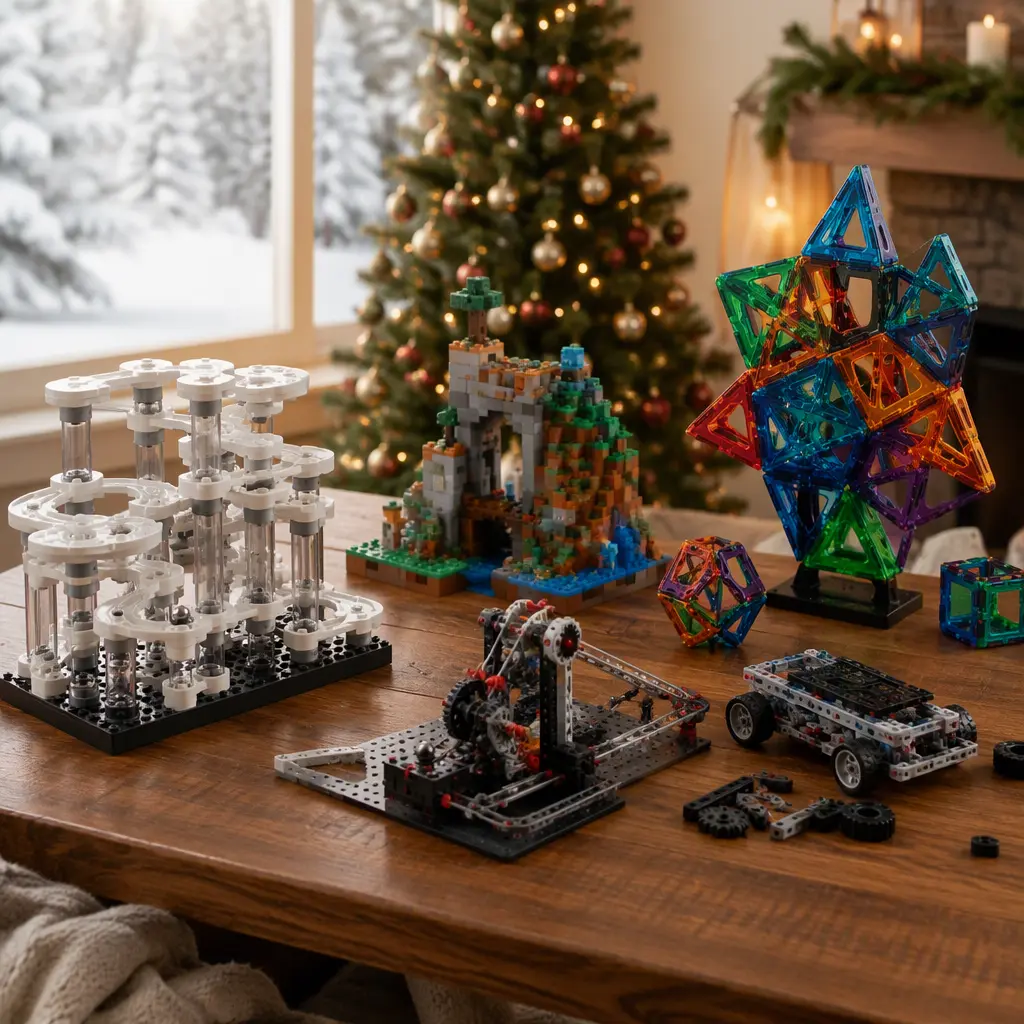
A parent-focused guide to 2026’s viral and creator-backed building toys for ages 9–12, comparing real play value, trend appeal, subscriptions, privacy, durability and long-term use.
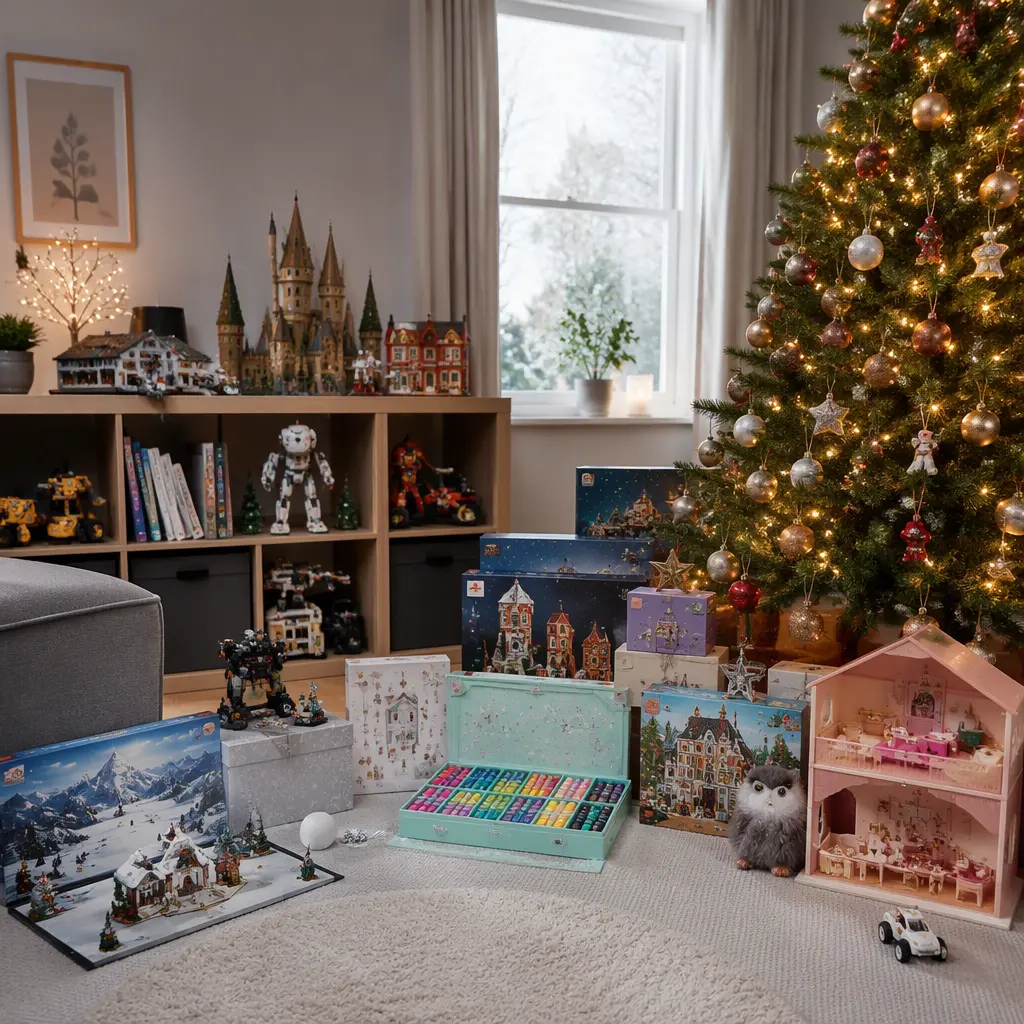
A parent-focused UK watchlist for Christmas 2026 toys, based on current retailer trends and toy-industry signals. See which toy categories are attracting attention, who they suit and the trade-offs to consider.
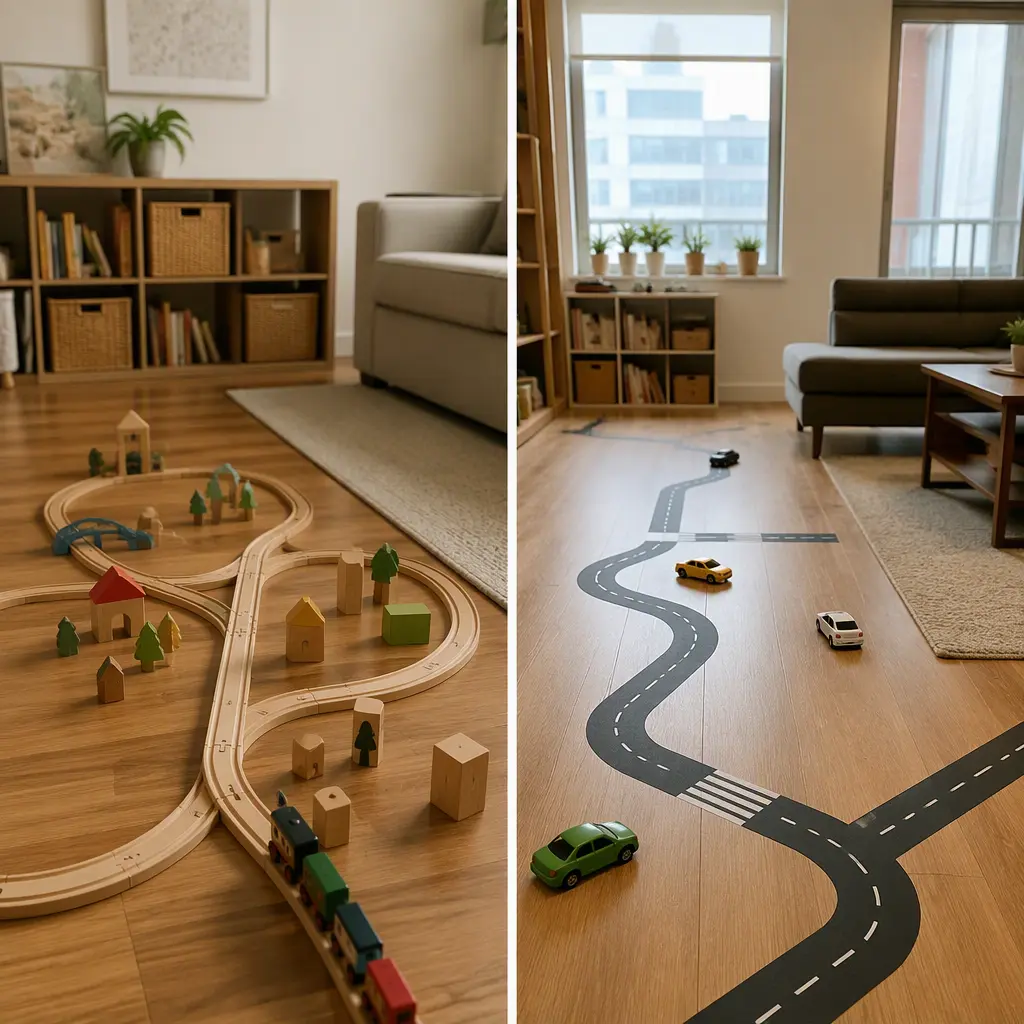
Choosing between wooden train tracks and tape roads for a small home? This guide compares storage, setup space, replay value, floor concerns, noise and age suitability for ages 3–5.
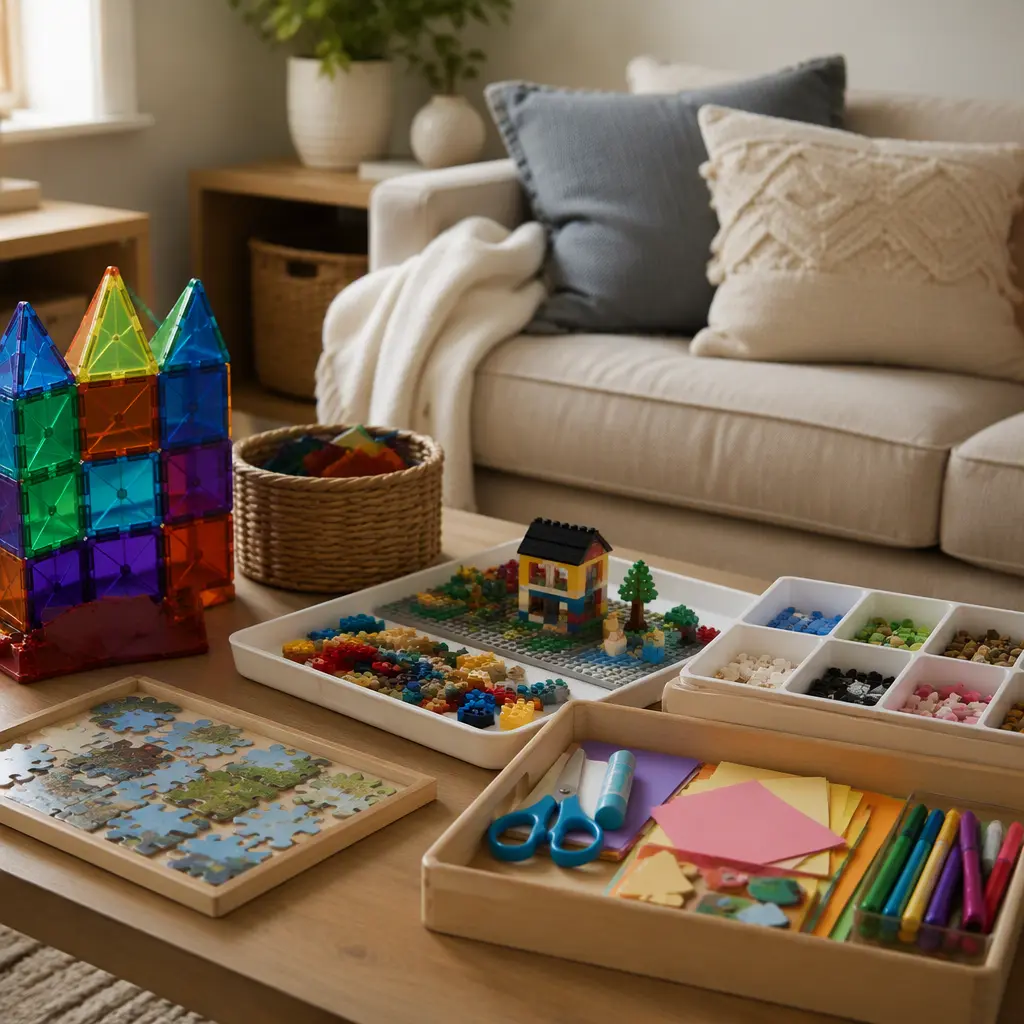
A parent-friendly guide to screen-free seated toys for children ages 6–8 recovering with crutches or a cast, including quiet options, storage needs, cleanup, supervision and age fit.
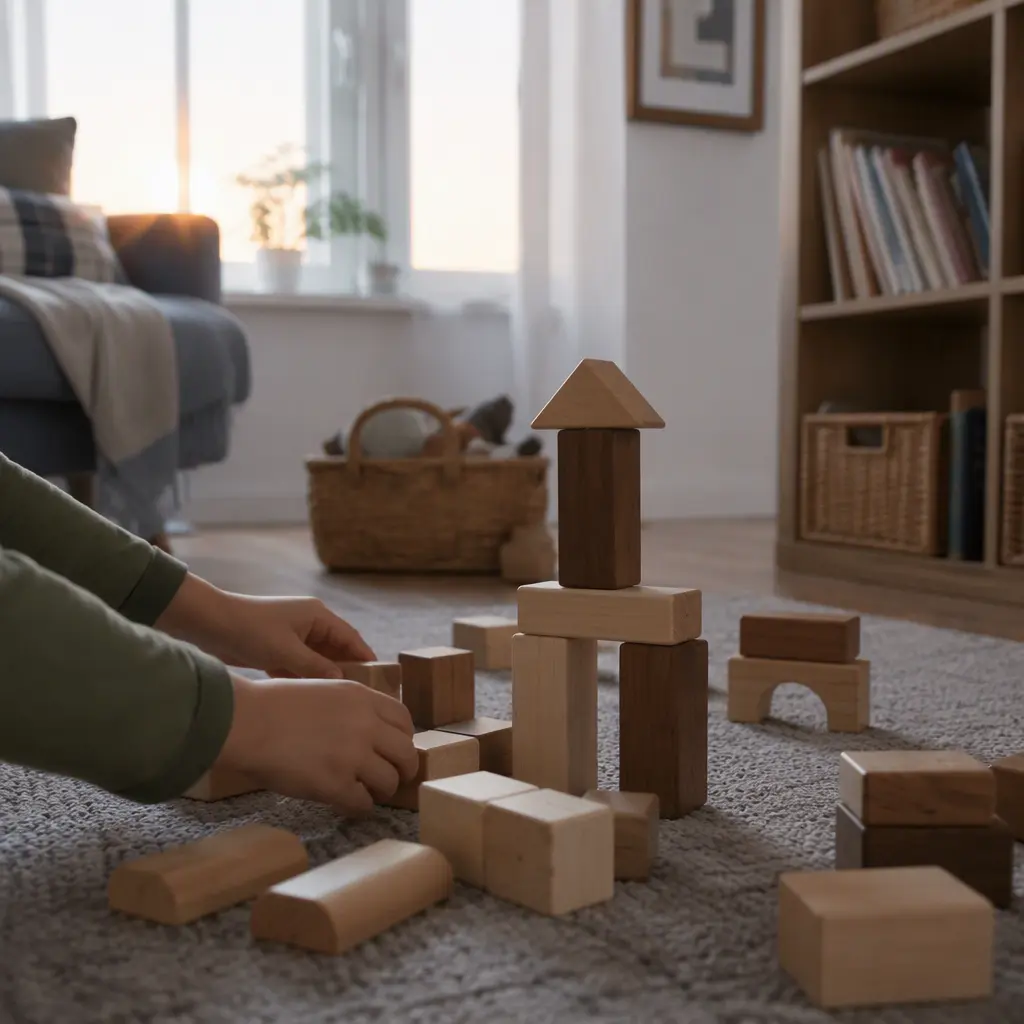
A parent-focused guide to genuinely low-noise toys for preschoolers who wake early, with practical advice on mess, storage, supervision, and independent dawn play.
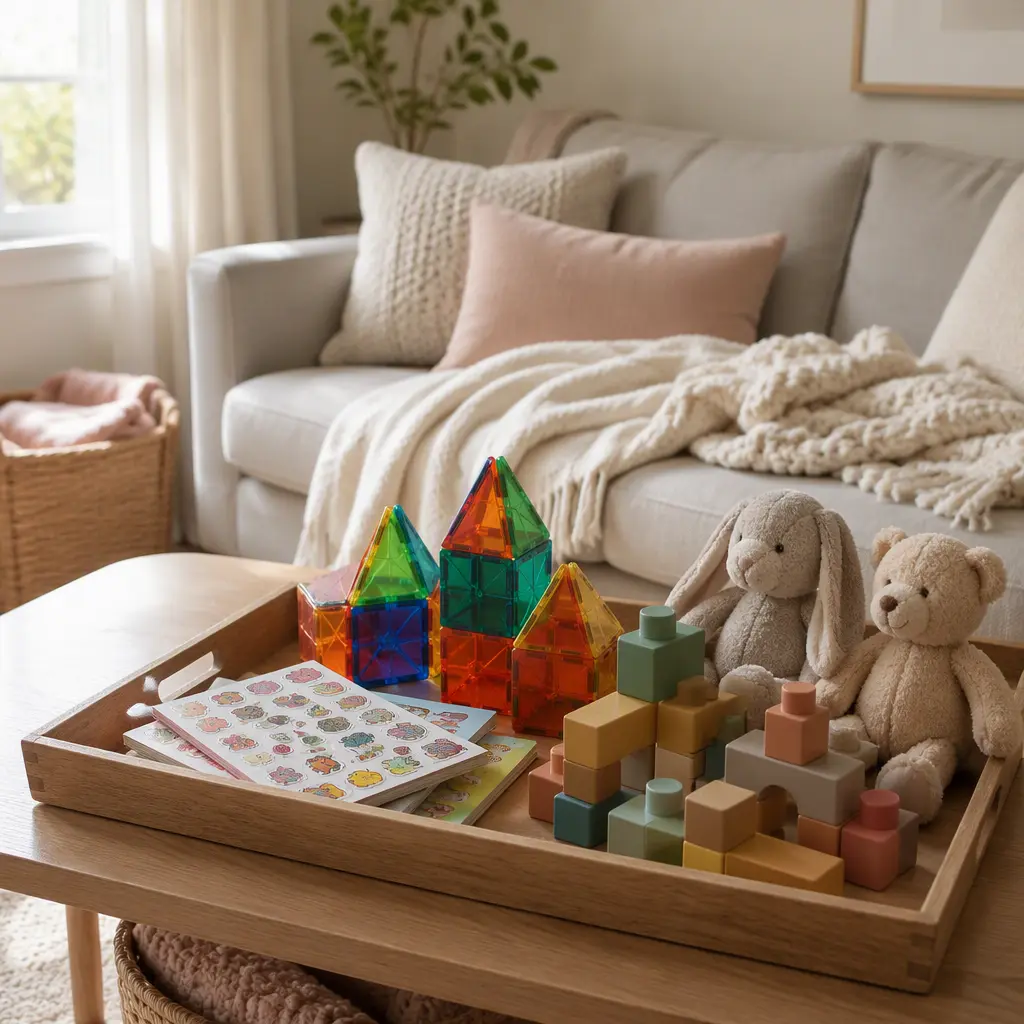
Quiet, low-movement toys can help preschoolers rest after tonsil surgery. This guide compares calm, screen-free options that work from bed or the couch with minimal setup or supervision.
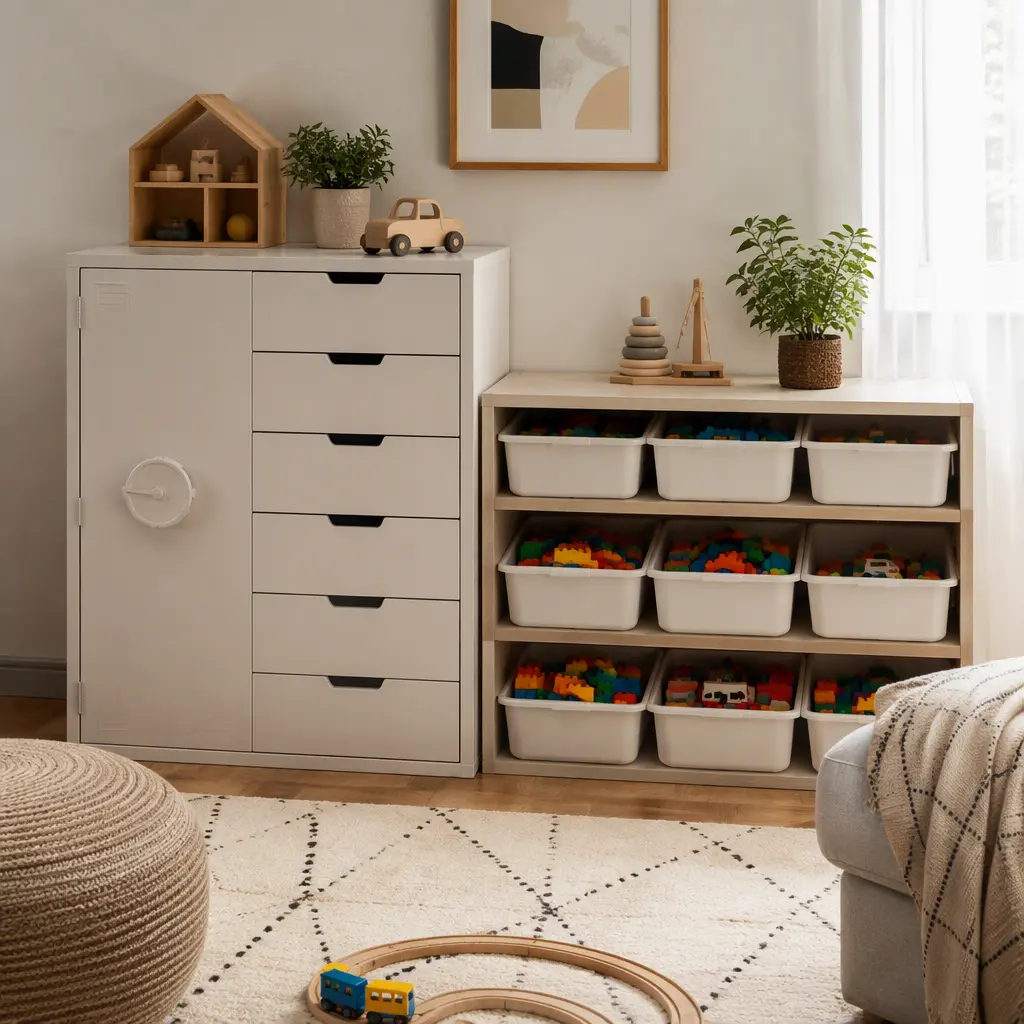
Compare toy vaults and open bins for preschoolers who empty every container. Learn how visibility, cleanup speed, storage size and supervision affect daily play and tidying.
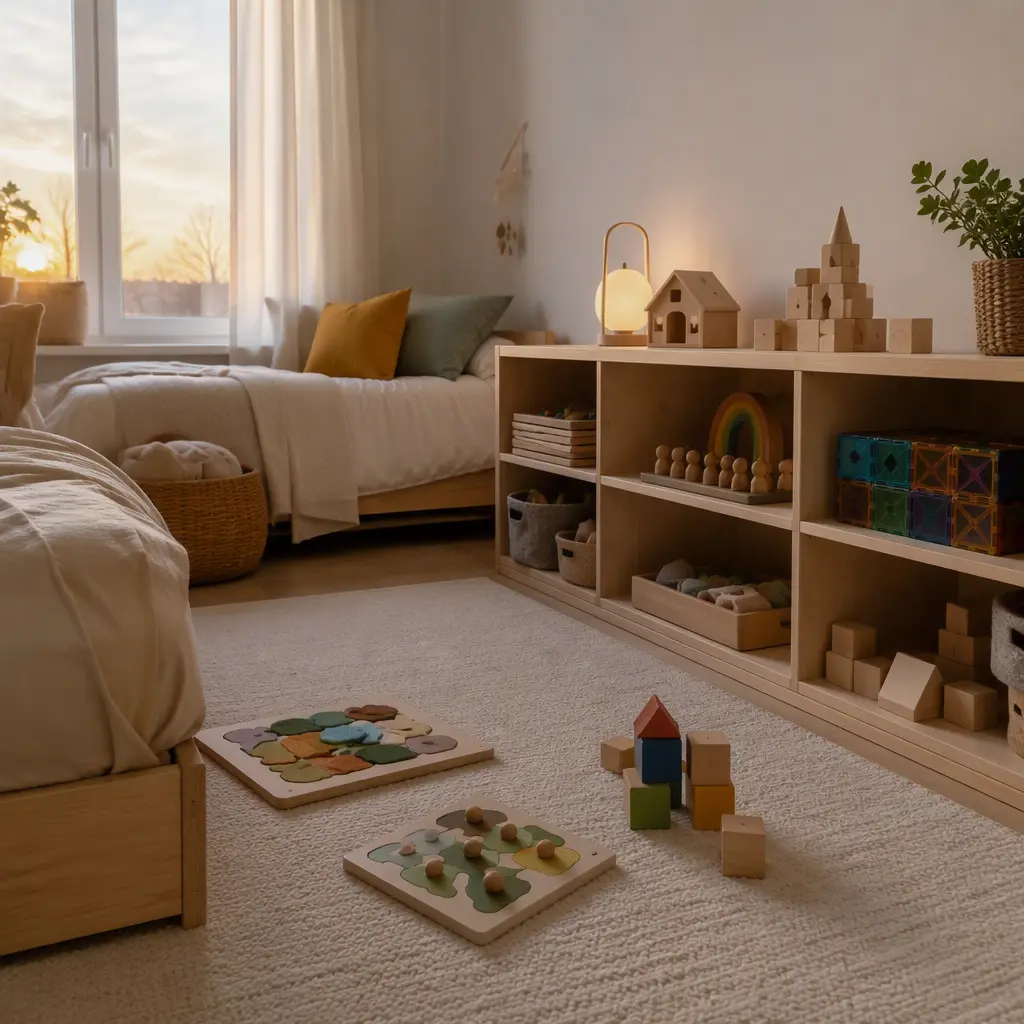
A parent-focused guide to low-noise toys for ages 3–5 that support calm independent play in shared bedrooms, with practical advice on mess, storage, supervision and bedtime use.
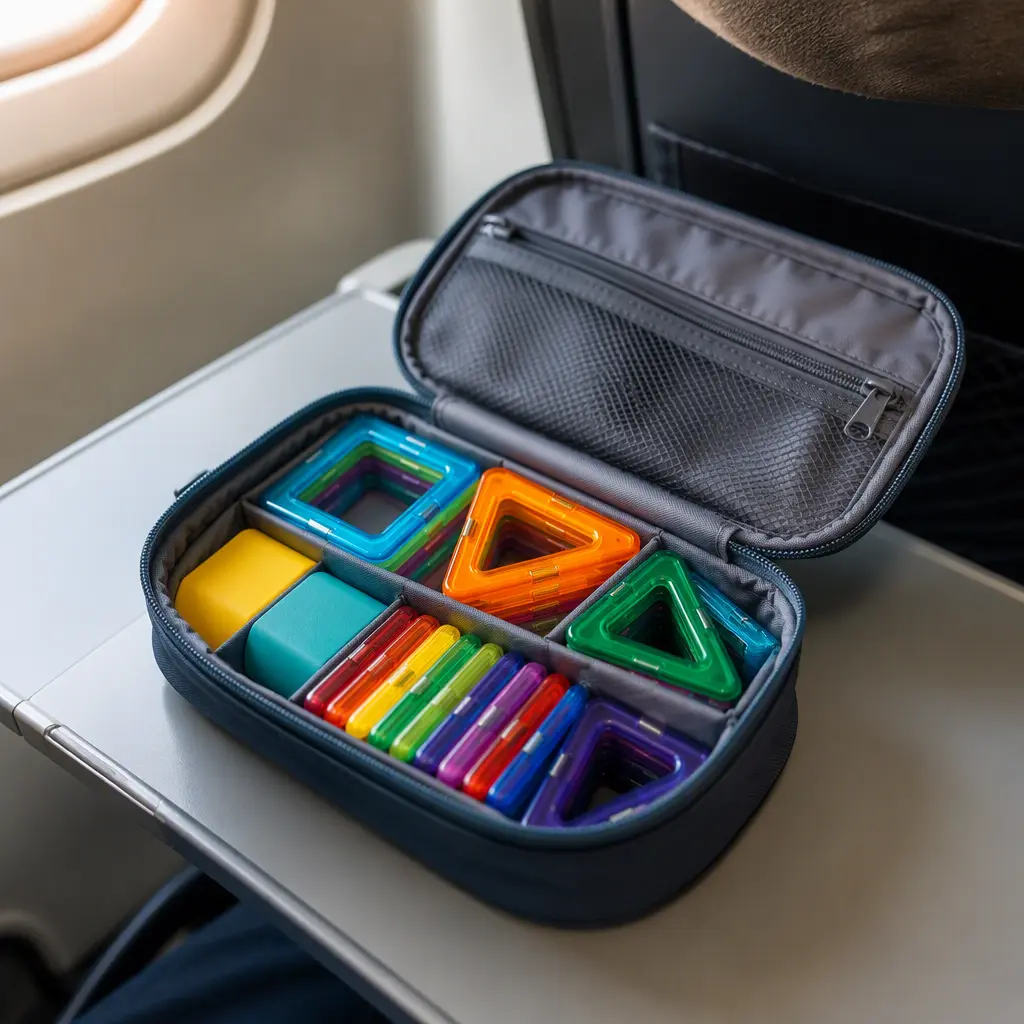
Compare magnetic building toy styles for ages 6–8, with a focus on hold strength, cleanup speed, storage, and piece loss during flights, car trips, and restaurant waits.
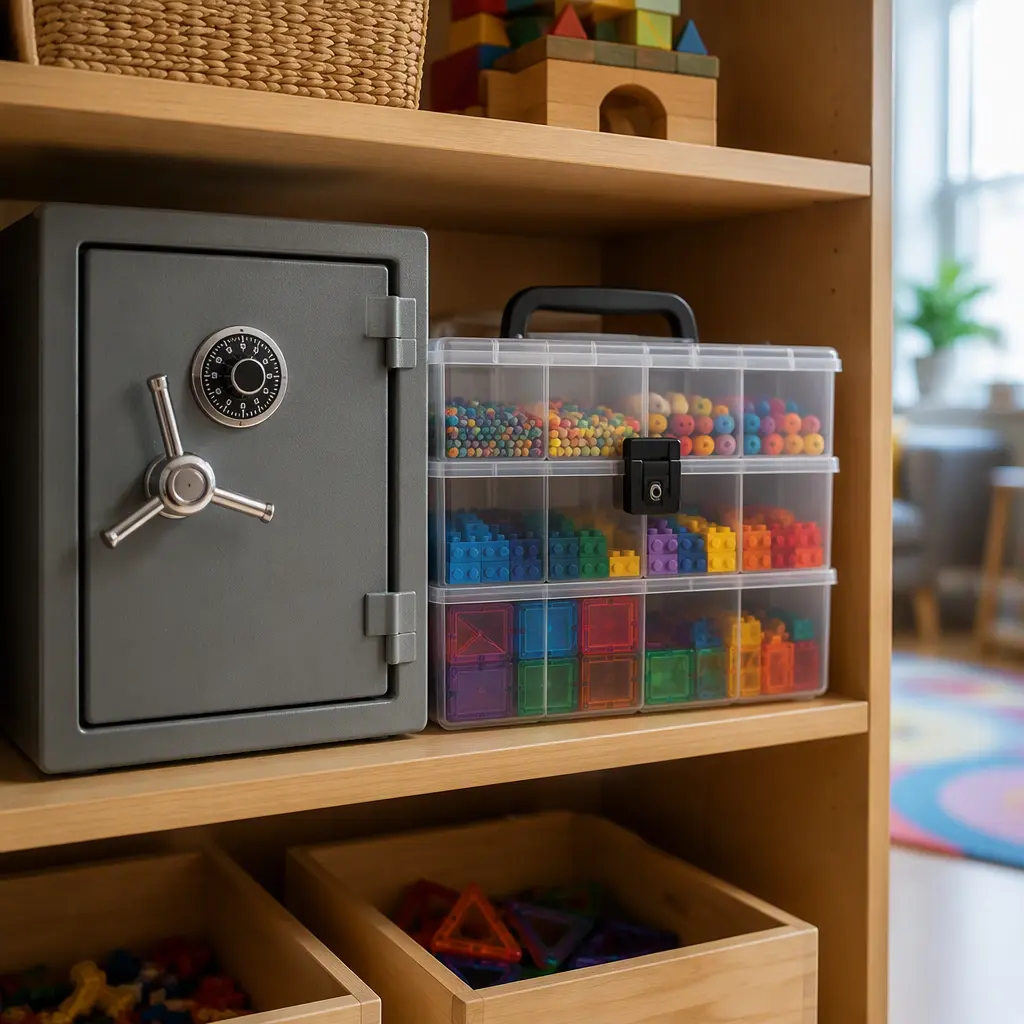
Compare toy safes and locking craft boxes for storing LEGO-sized parts, beads and magnets in homes with younger siblings. Learn the trade-offs around safety, access, storage and supervision.
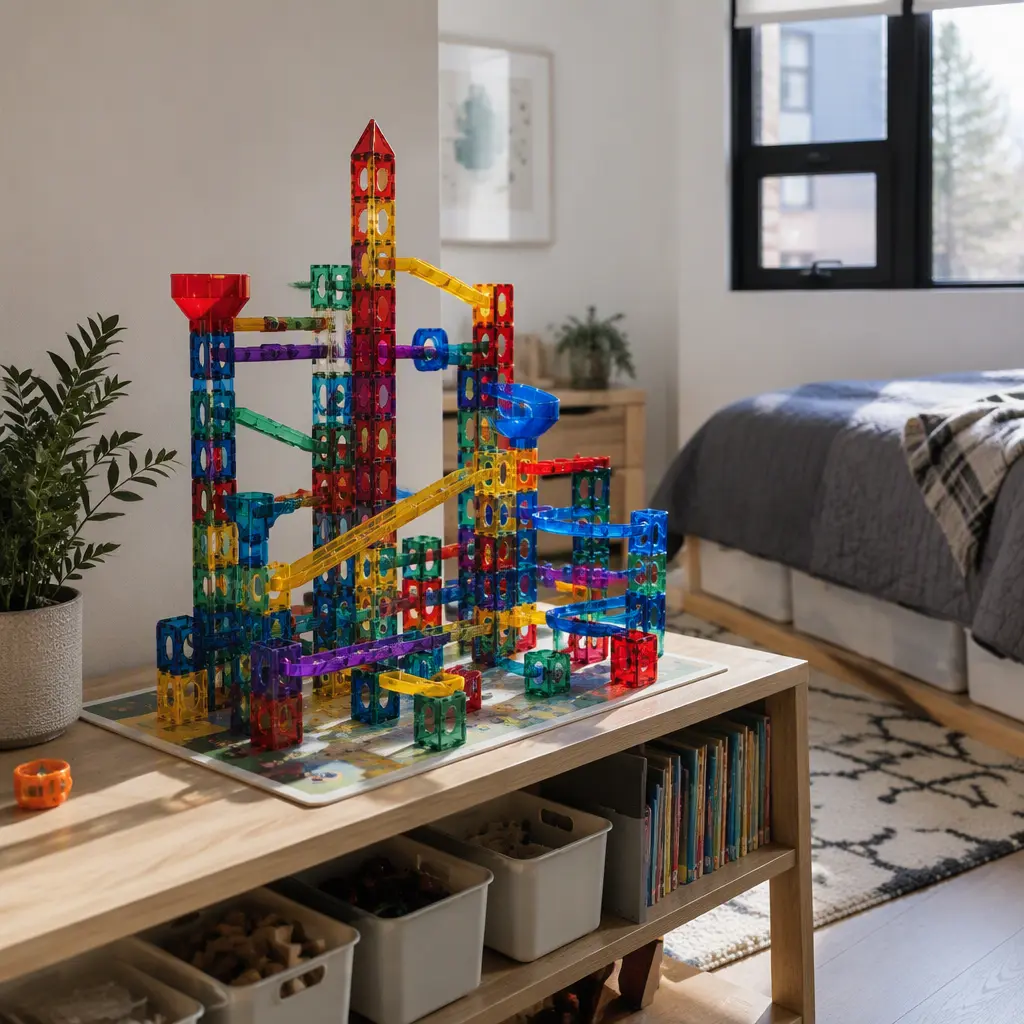
A parent-focused guide to compact marble runs for ages 6–8, with tips on contained builds, cleanup, storage, noise, durability, and safer play in apartments or shared bedrooms.
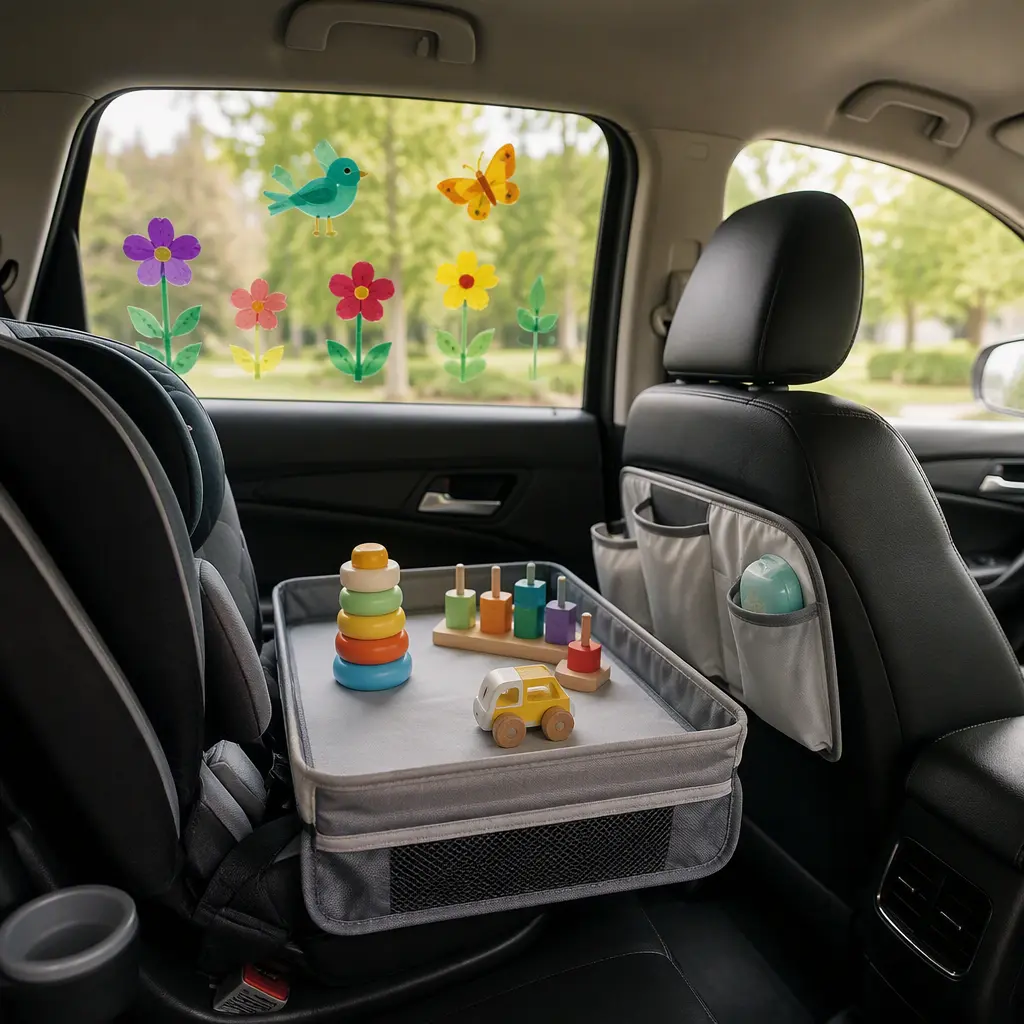
Compare travel tray toys and window clings for toddlers on long car rides. Learn which option suits your child's age, attention span, cleanup needs, and car-seat setup.
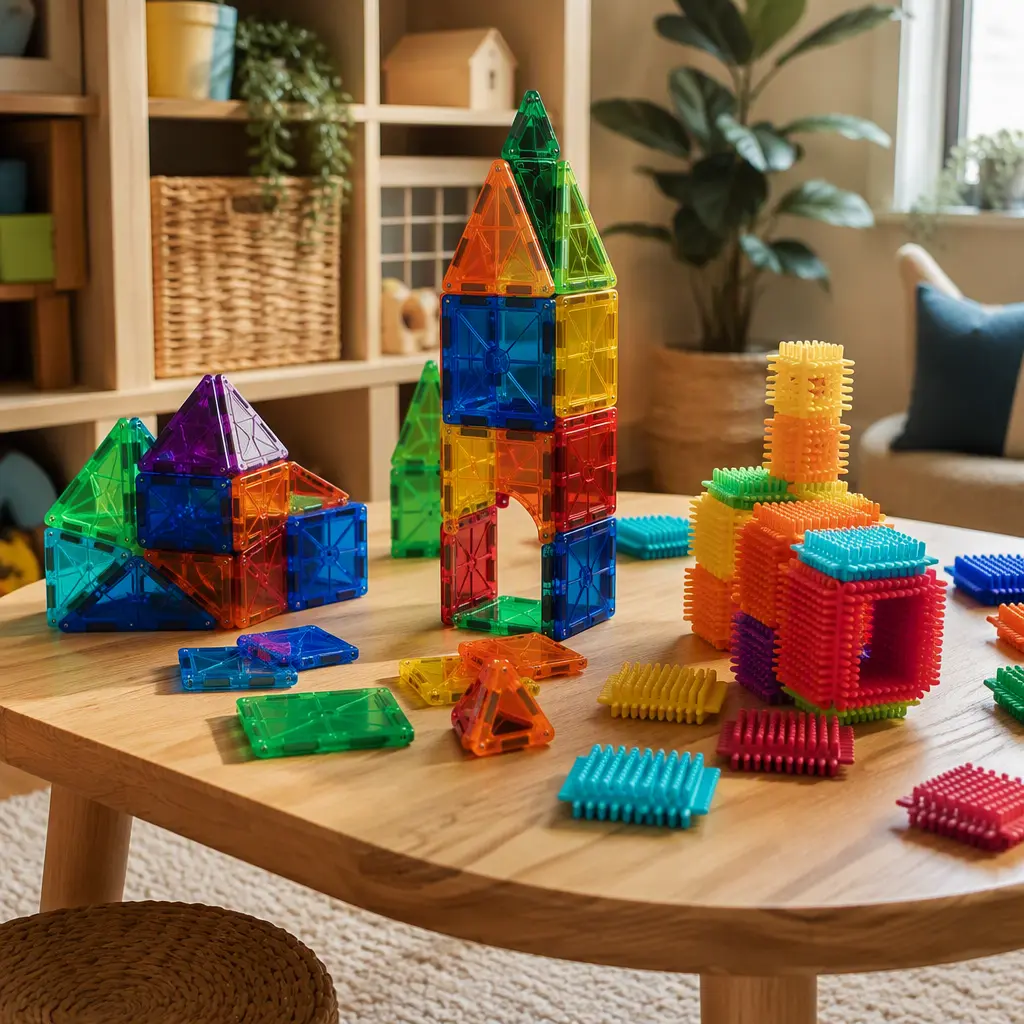
Compare magnetic tiles and bristle blocks for sensory-seeking toddlers ages 1–2. Learn how grip, cleanup, noise, frustration levels and supervision needs affect everyday play.
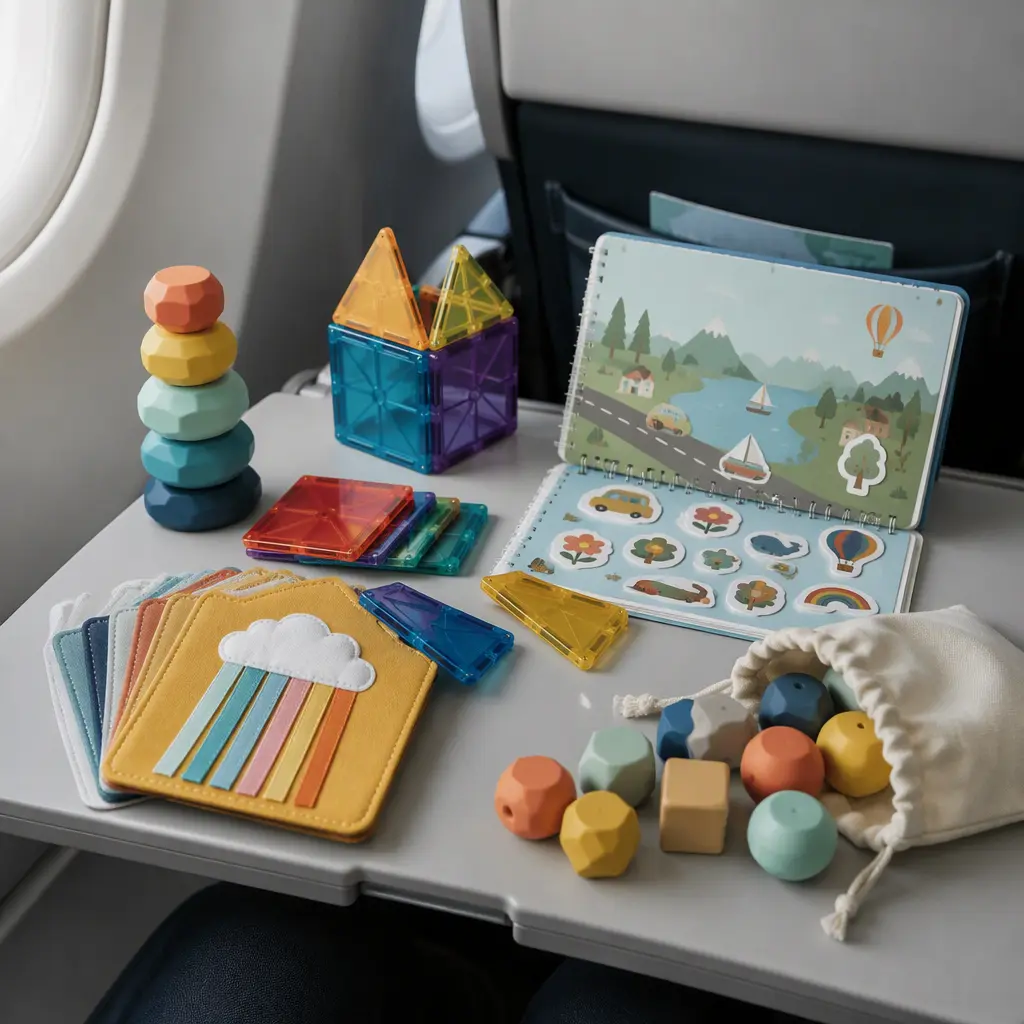
A parent-focused guide to compact screen-free travel toys for ages 3–5 that siblings can share on planes and trains without noisy electronics or easy-to-lose tiny pieces.
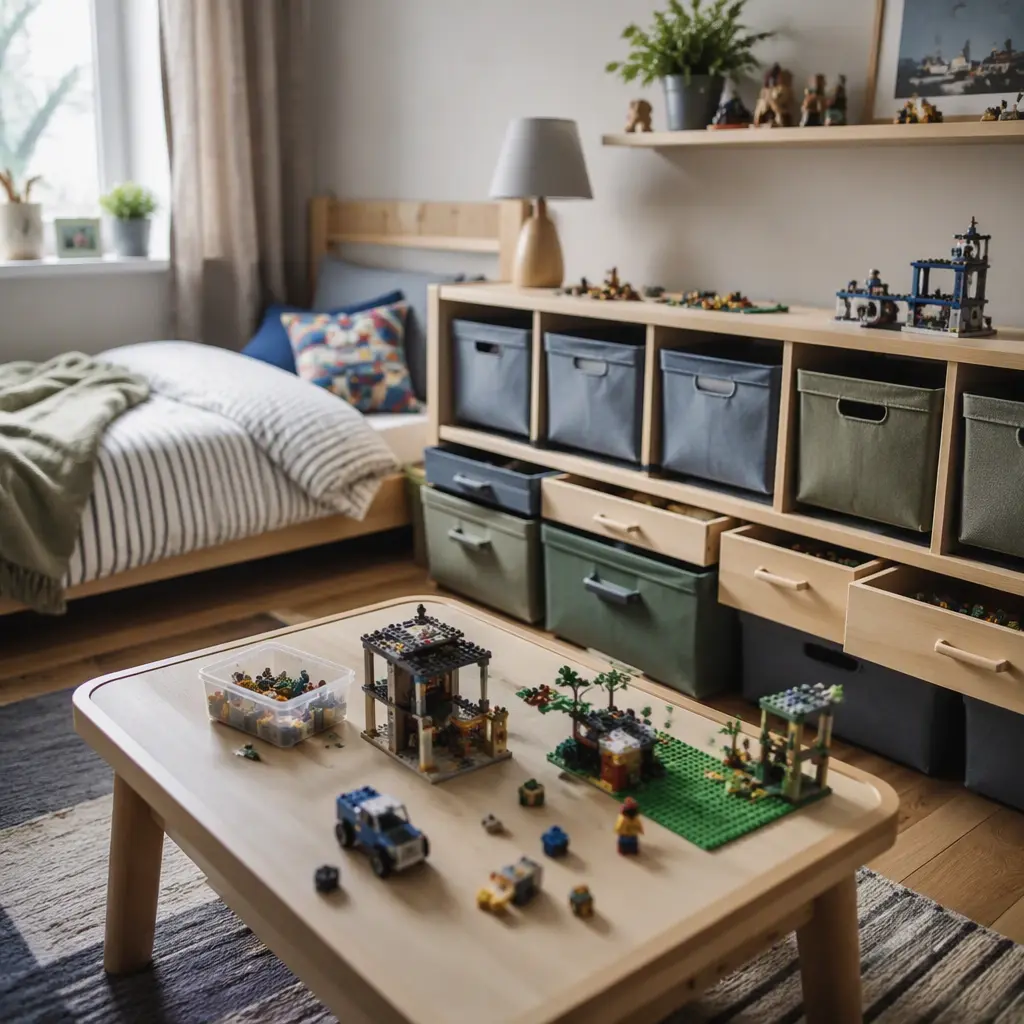
Compare compact building toys for ages 6–8 with a focus on storage space, rebuild value, noise, cleanup and independent play in shared bedrooms or smaller homes.

Compare magnetic tiles and interlocking blocks for families with toddlers and older siblings. Learn about safety, storage, durability, and which system fits mixed-age play.
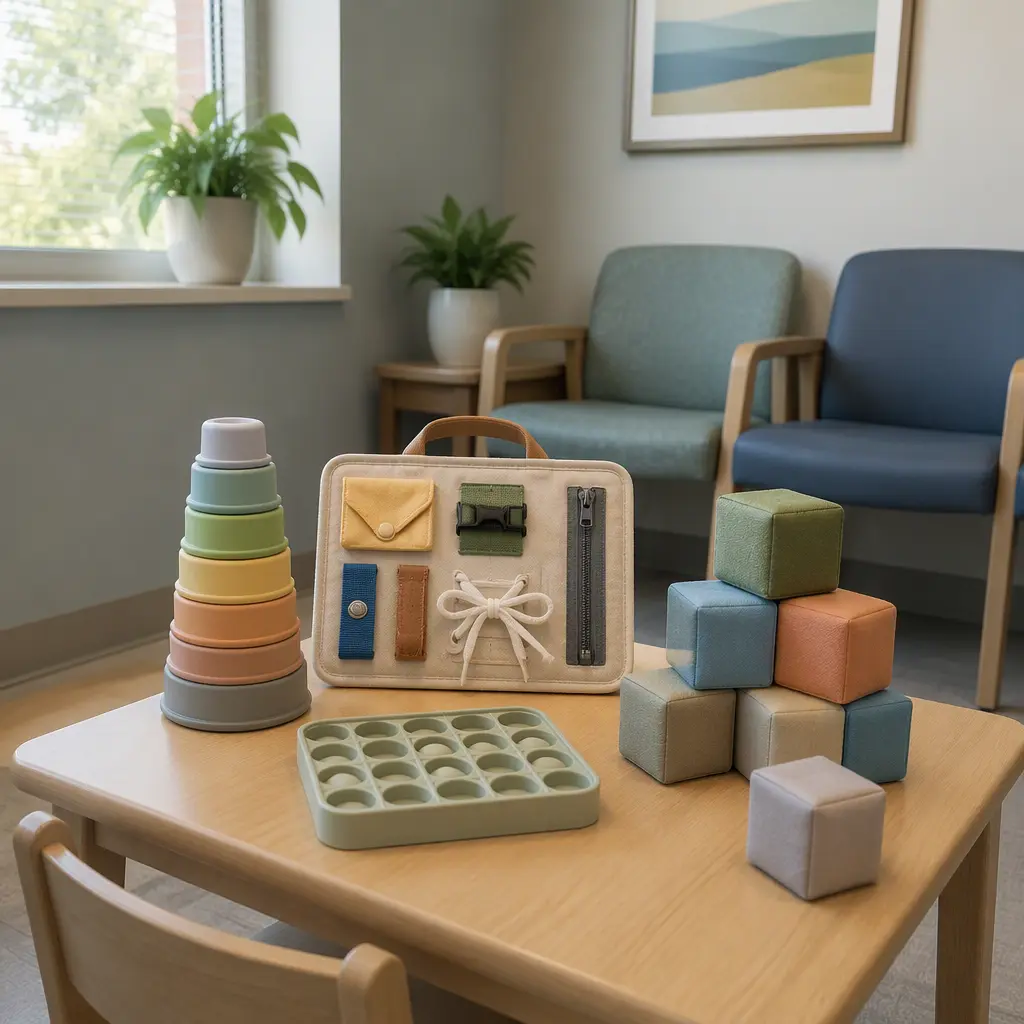
A parent-focused guide to quiet, drop-resistant toys for toddlers aged 1–2 in waiting rooms, with practical advice on mess, portability, supervision and age suitability.
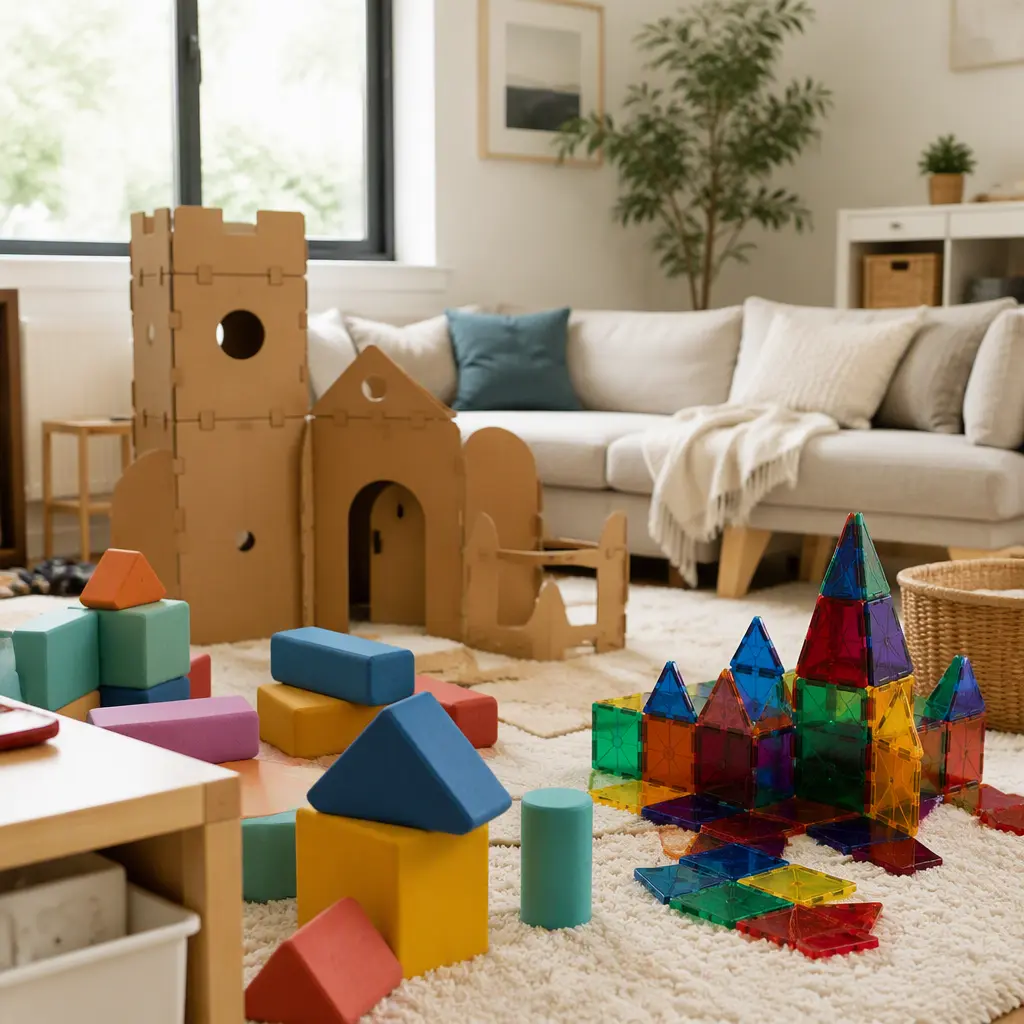
A parent-focused guide to oversized building toys for ages 3–5, comparing foam blocks, cardboard systems, magnetic tiles and more with cleanup, storage and safety in mind.
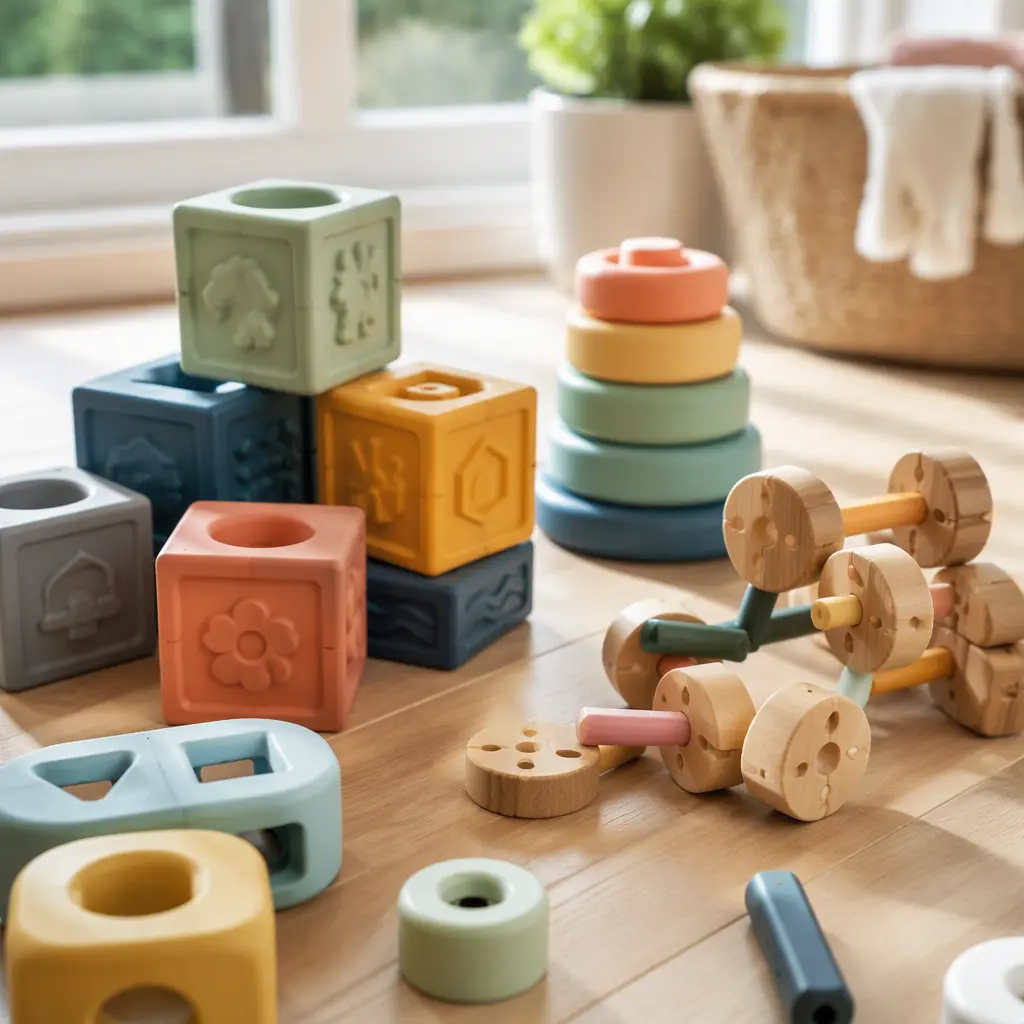
A parent-focused guide to washable building toys for ages 1–2, covering easy-clean materials, drying concerns, supervision, storage and which construction styles work best for heavy mouthing.
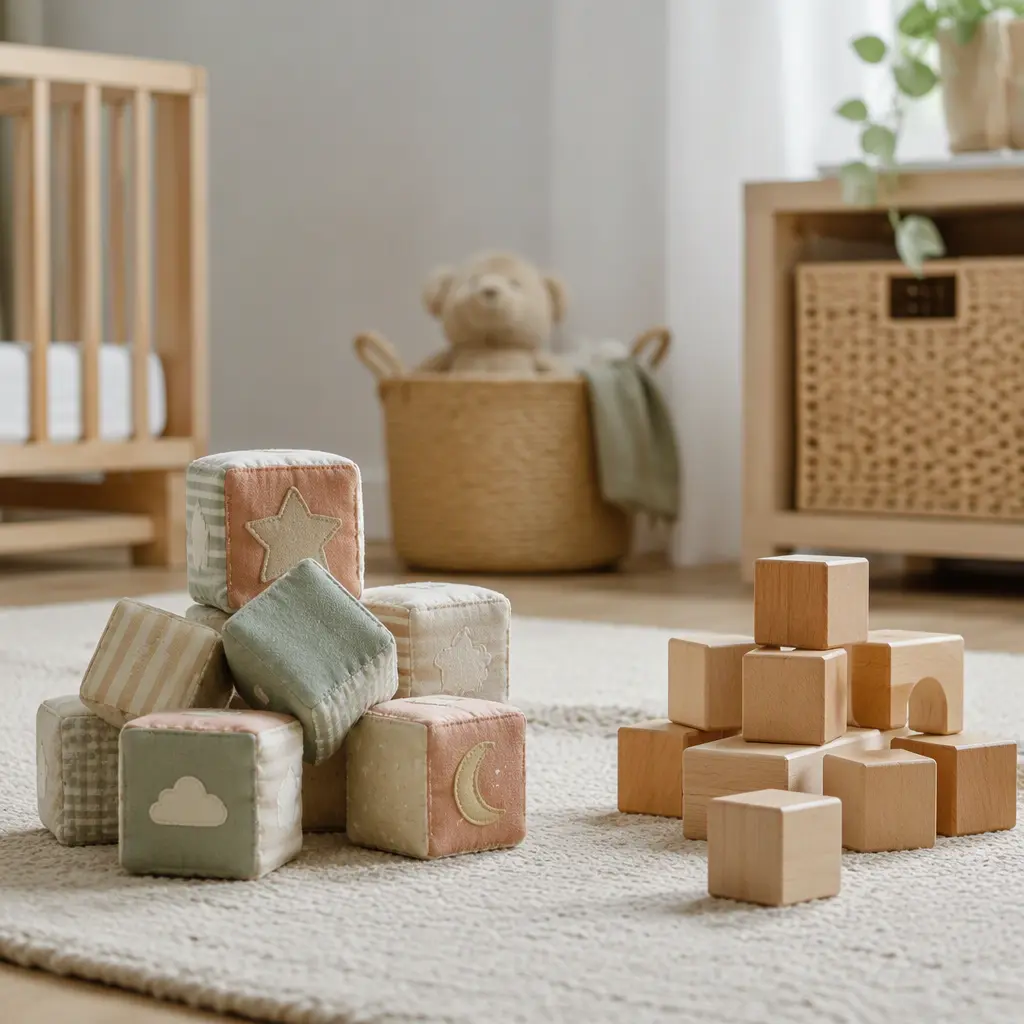
Comparing soft and wooden blocks for babies who love to toss toys. Learn the trade-offs around noise, safety, cleanup, durability and long-term play value for 0–12 months.
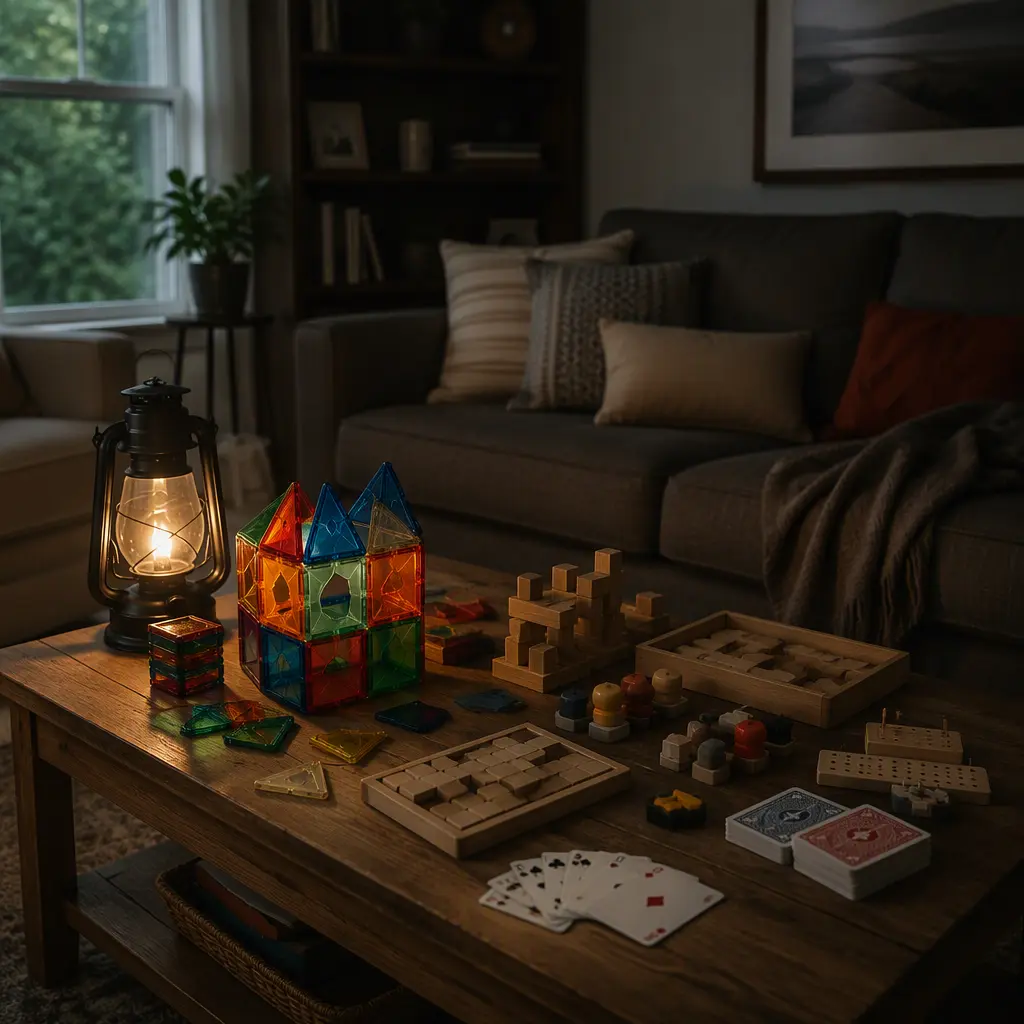
Find compact, battery-free toys for ages 6–8 that stay fun during power outages. This guide compares quiet builds, travel games and creative options with low mess and easy storage.
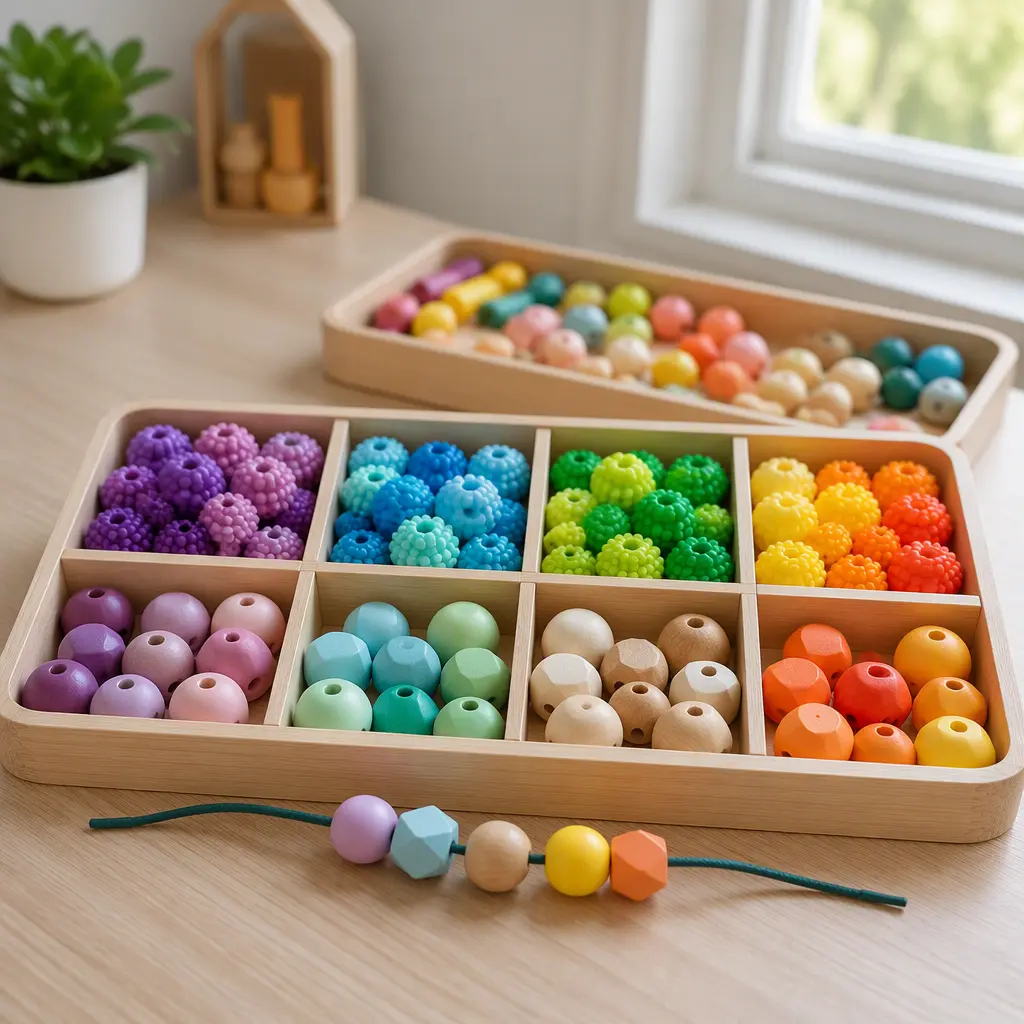
Compare pop beads and lacing sets for preschool fine-motor practice. Learn which toy type is quieter, easier to store, less frustrating by age, and better for independent play.
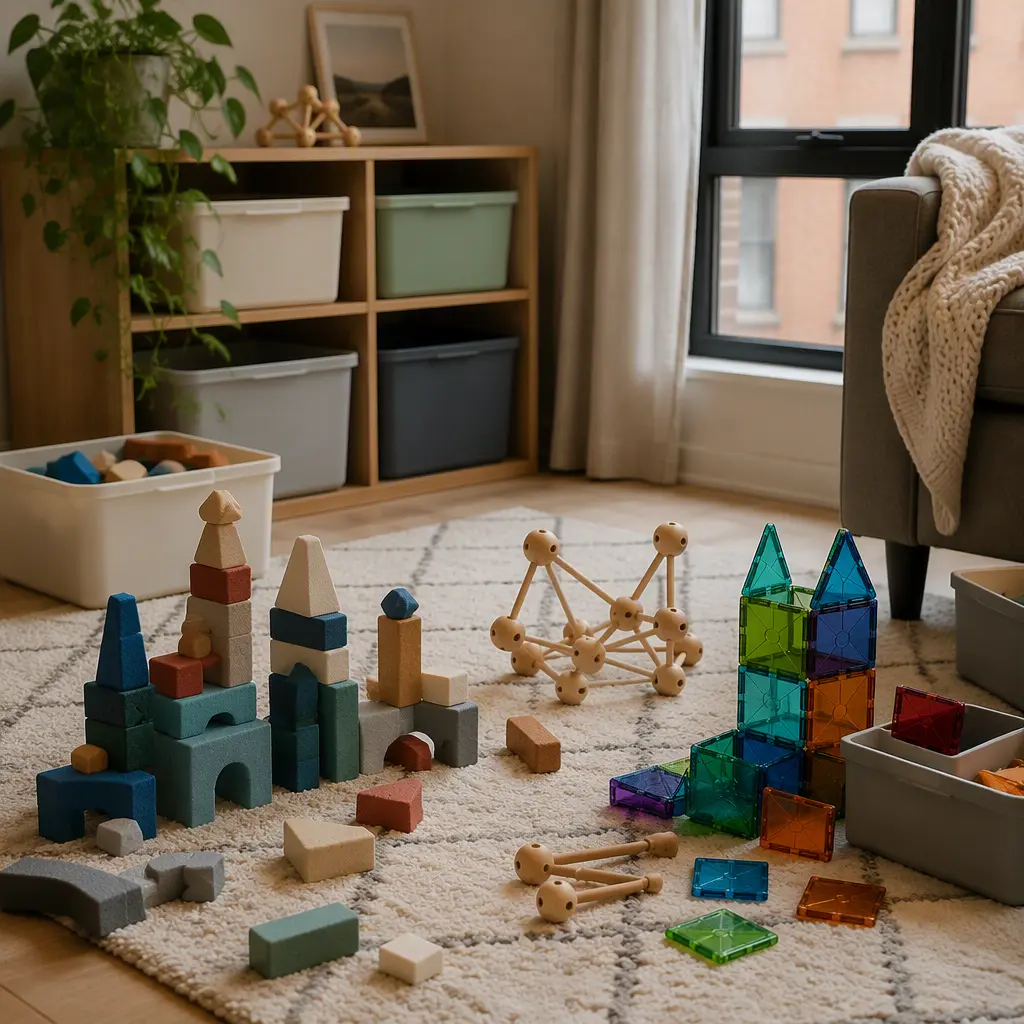
Compare quieter building toys for ages 6–8 with a focus on drop noise, cleanup speed, storage, and shared-wall living. Find options that support creative play without constant clatter.
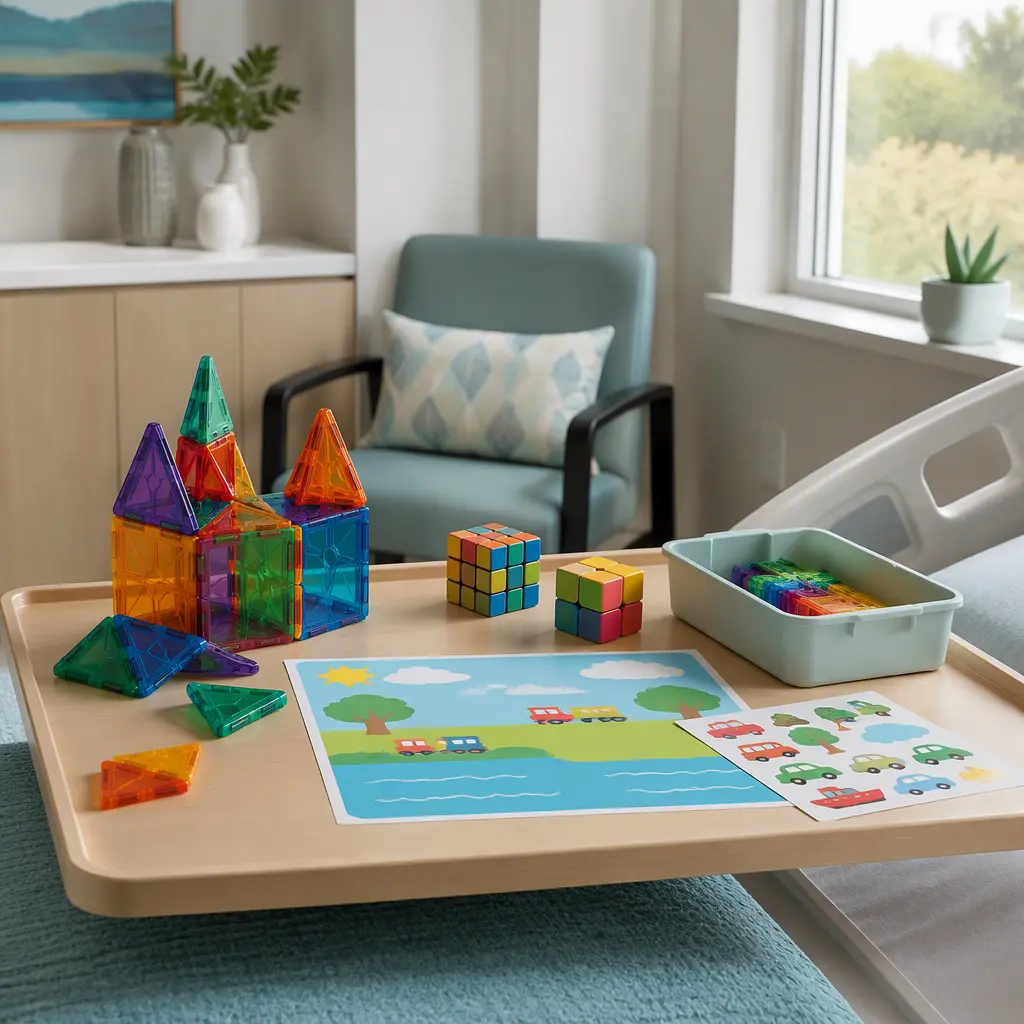
A parent-focused guide to quiet, low-energy toys for children aged 6–8 recovering in hospital or resting at home, with practical advice on mess, cleaning, storage and independent play.
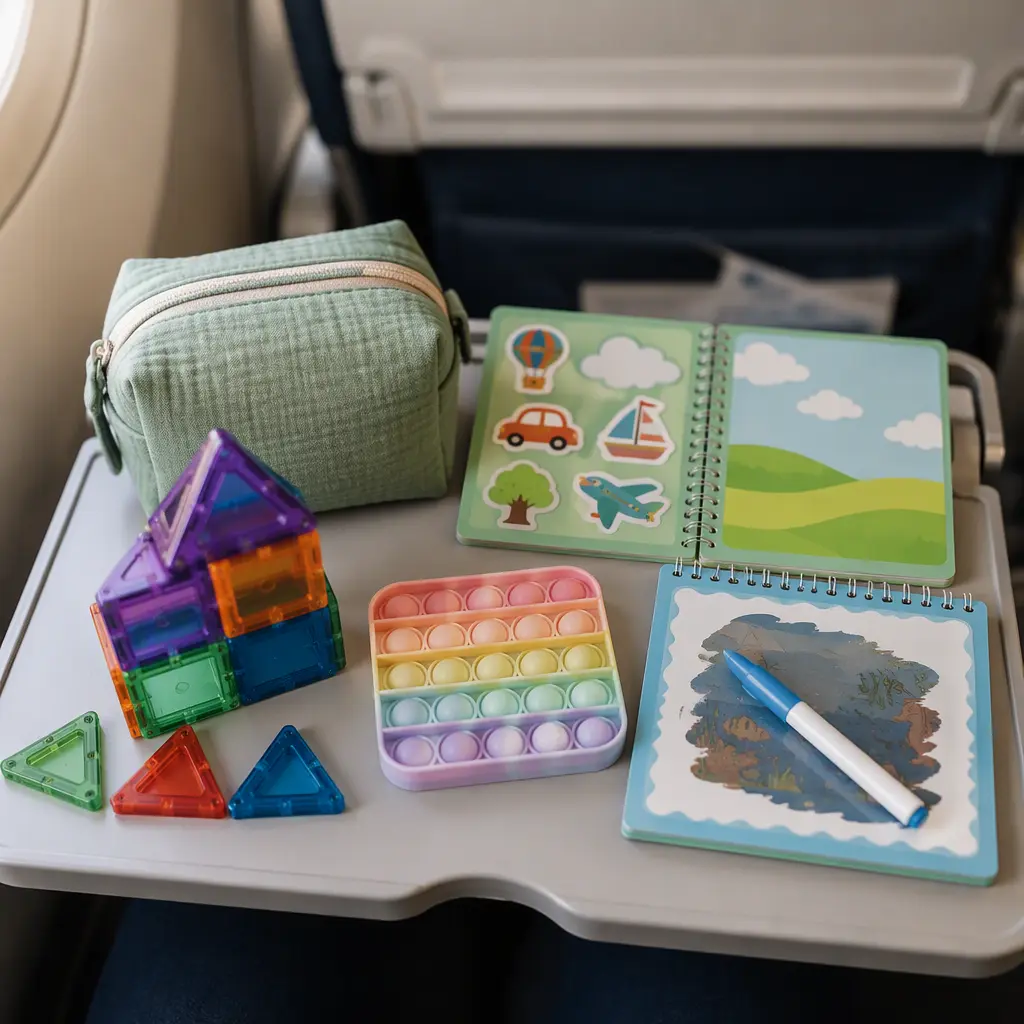
Choosing travel toys for preschoolers means balancing quiet play, small parts, storage, and attention span. This guide compares compact, lap-friendly options that work well on flights.
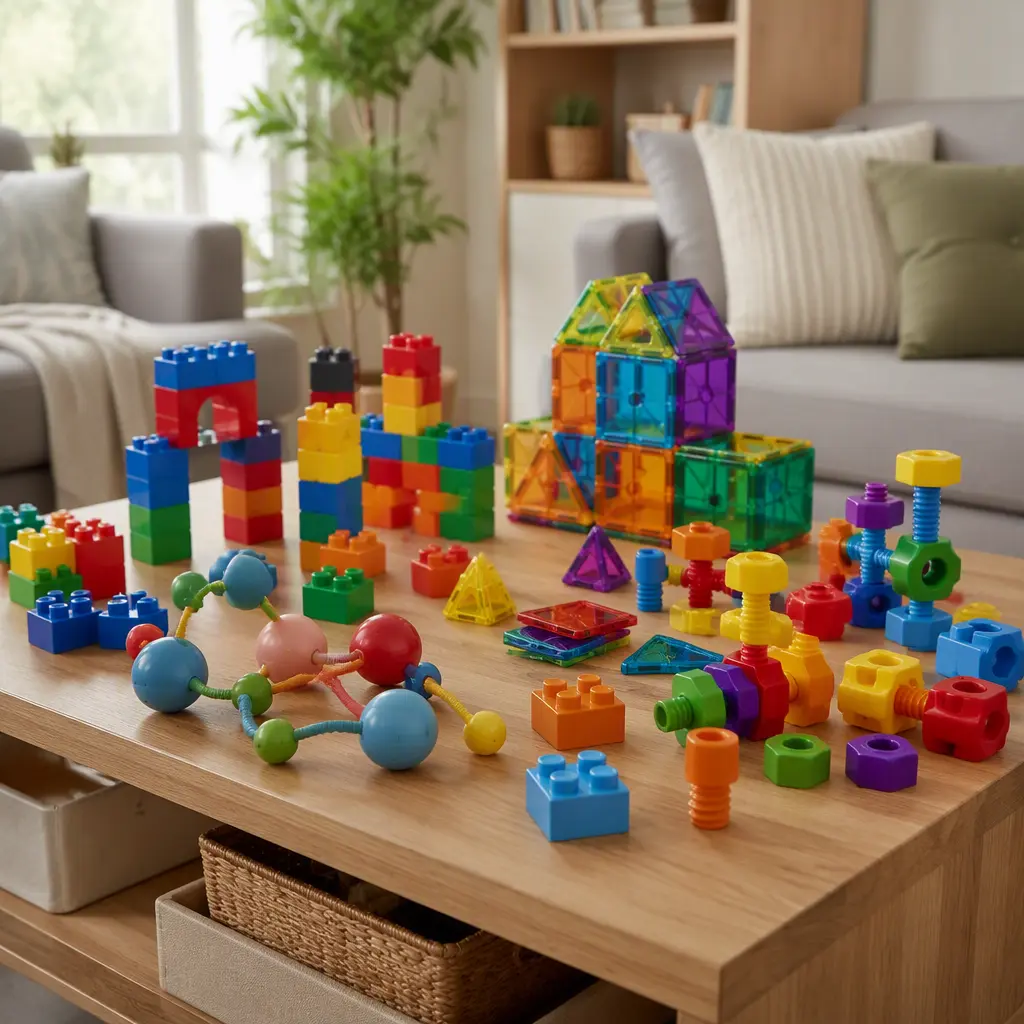
Compare accessible building toys for ages 6–8 with a focus on snap force, piece size, frustration levels, storage, supervision, and screen-free creative play.
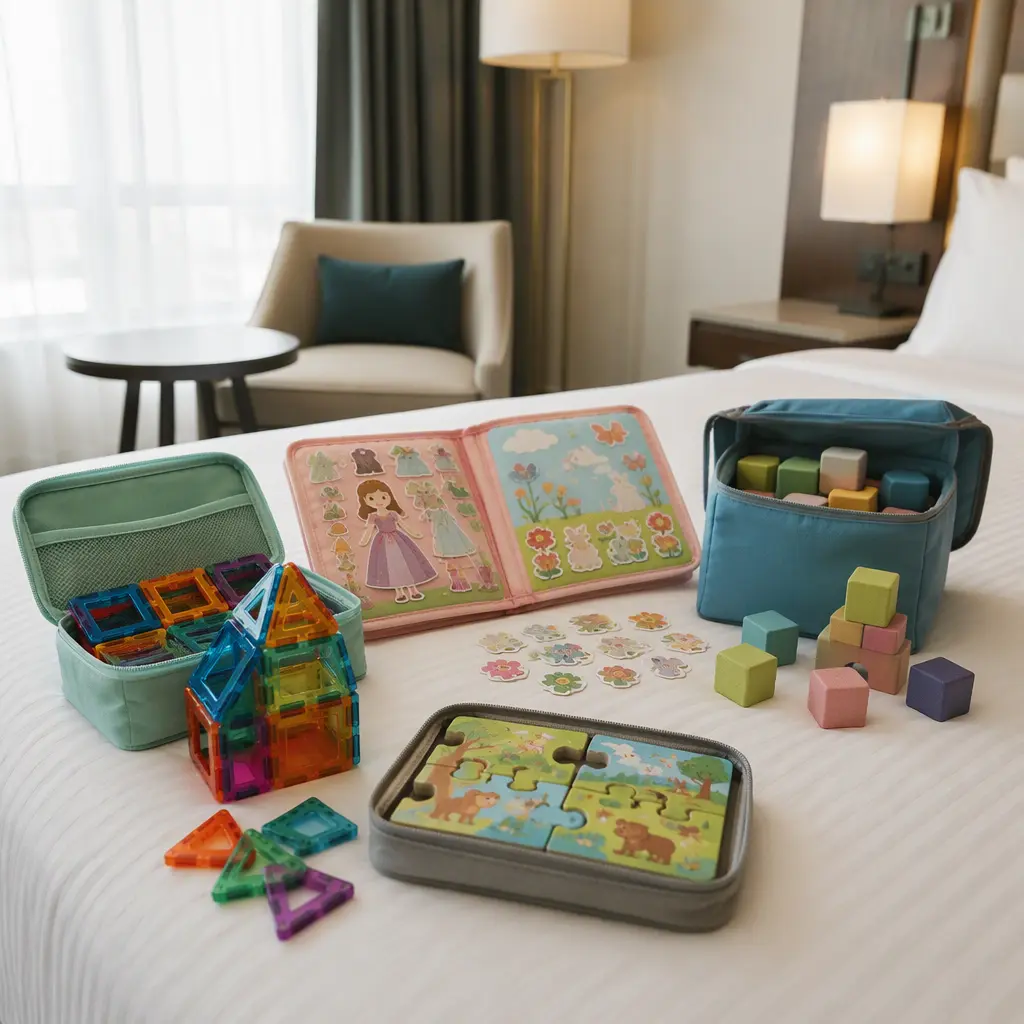
Compact, low-noise toys can make hotel downtime easier with preschoolers. This guide compares quiet travel-friendly options for ages 3–5, including storage, mess, supervision and durability.
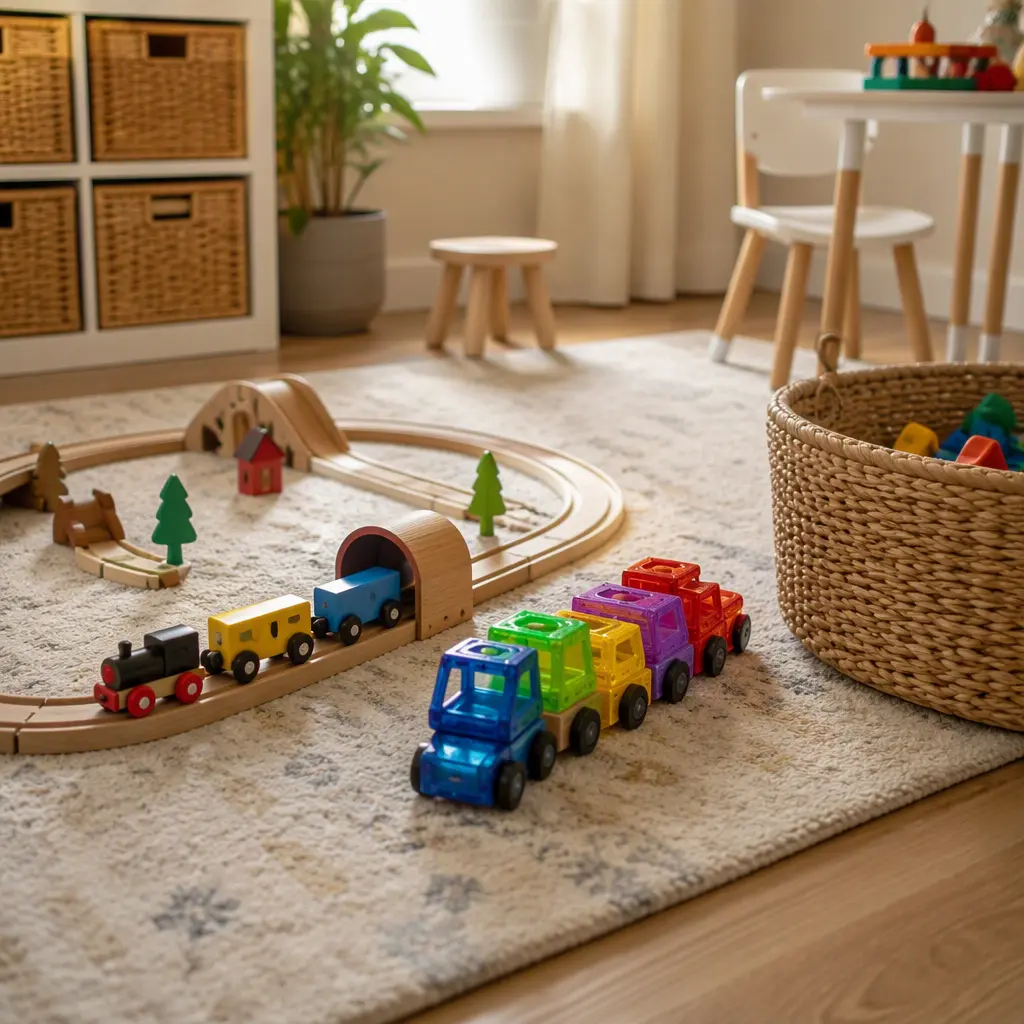
Compare wooden and magnetic train systems for ages 3–5, with practical guidance on cleanup, storage, durability, supervision, and which style fits everyday family play.
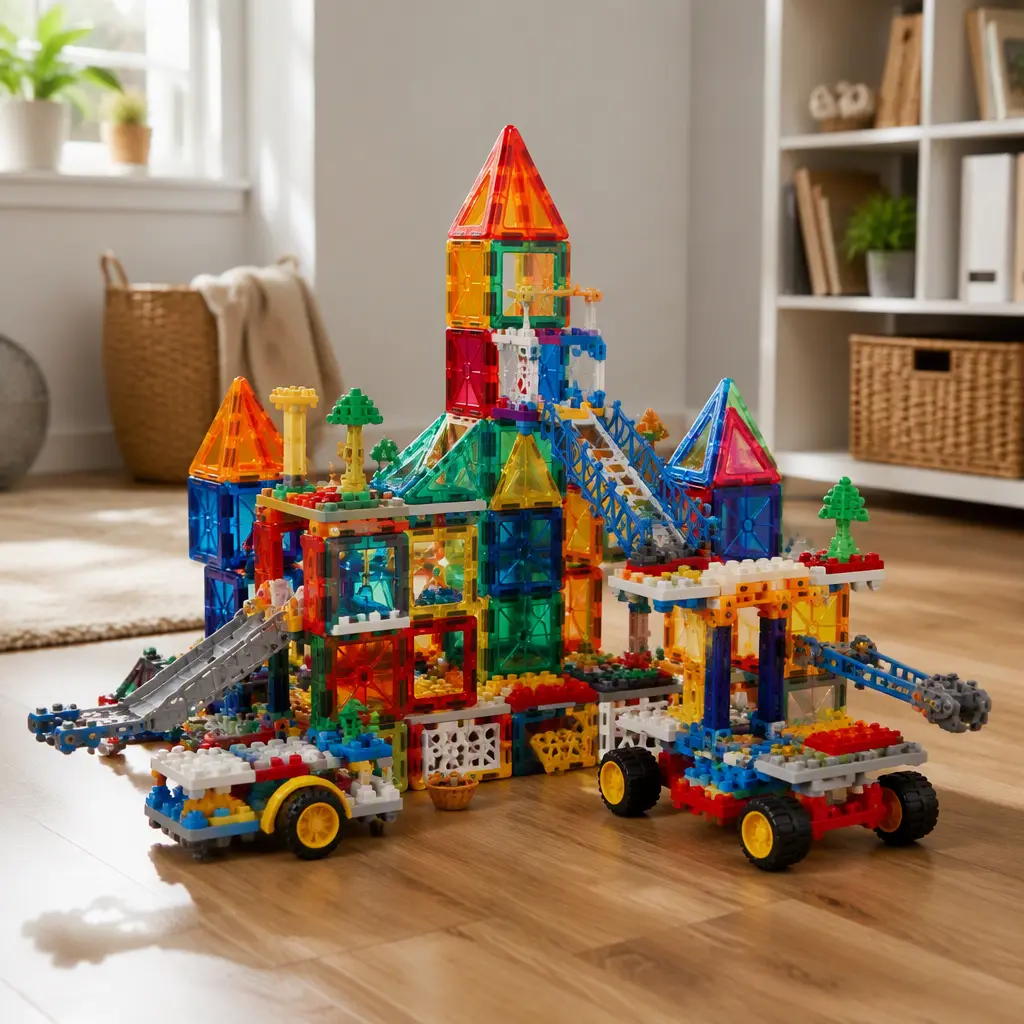
A parent-focused guide to building toys that stay compatible across brands, support rough hybrid builds, and suit children aged 6–8 without creating storage or frustration problems.
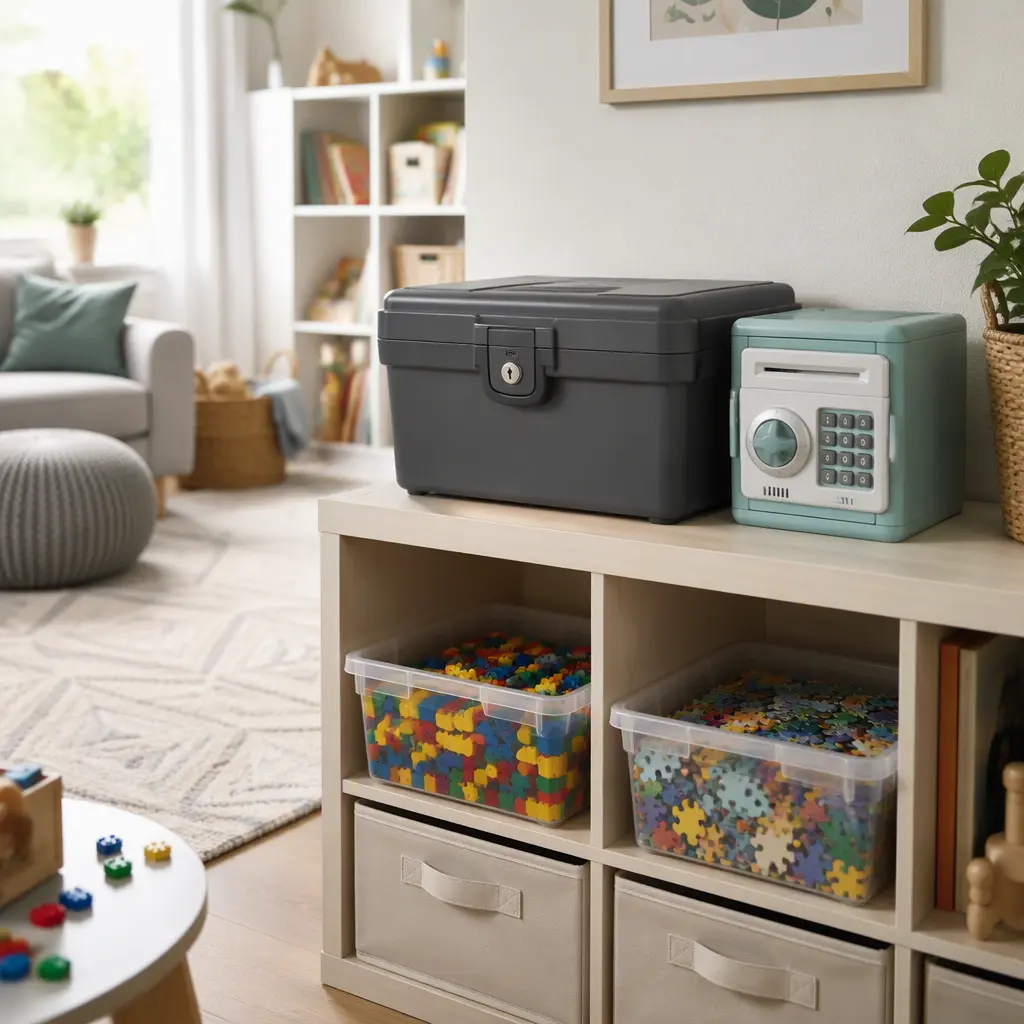
Compare toy safes and lockboxes for storing small toy parts in homes with babies and older siblings. Learn the trade-offs around access, visibility, cleanup, supervision and storage space.
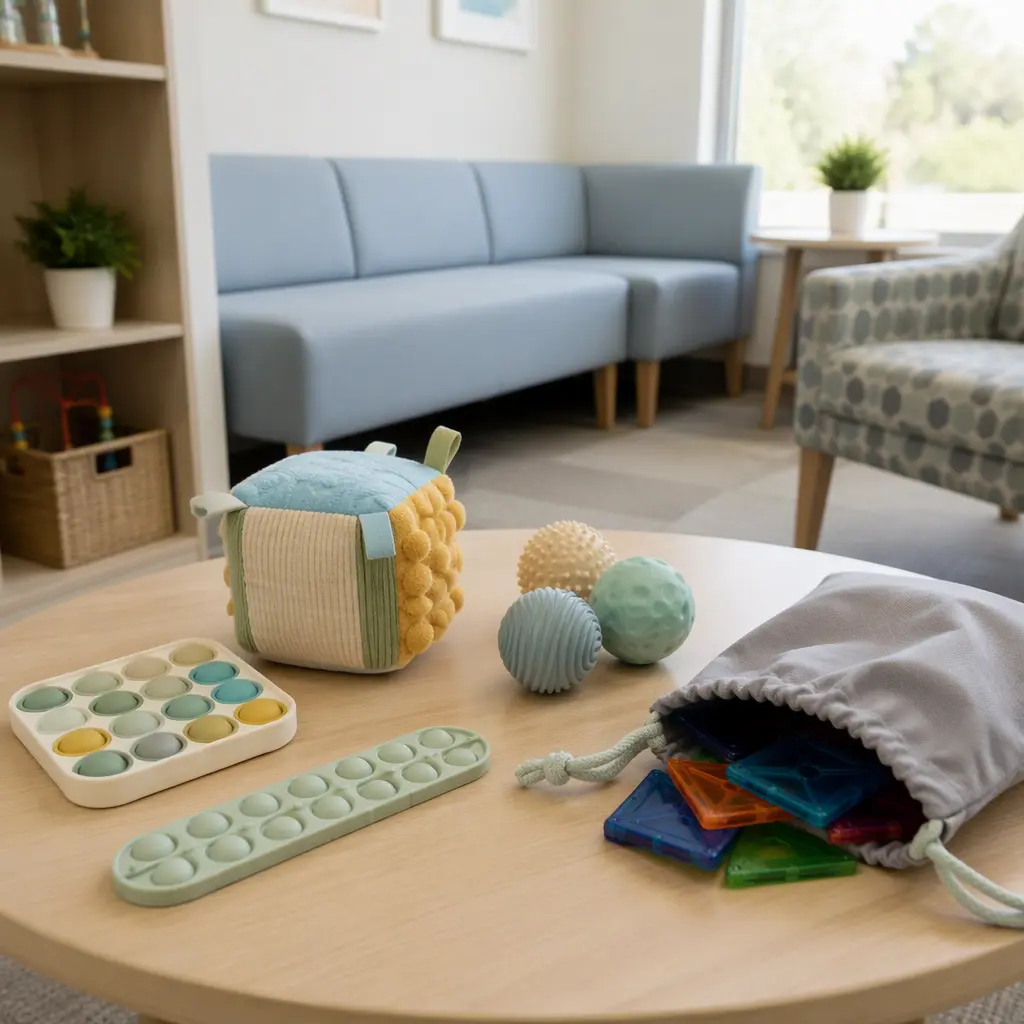
A parent-focused guide to quiet sensory toys for preschoolers in waiting rooms, with practical advice on noise, portability, supervision, cleanup, and age-appropriate play.
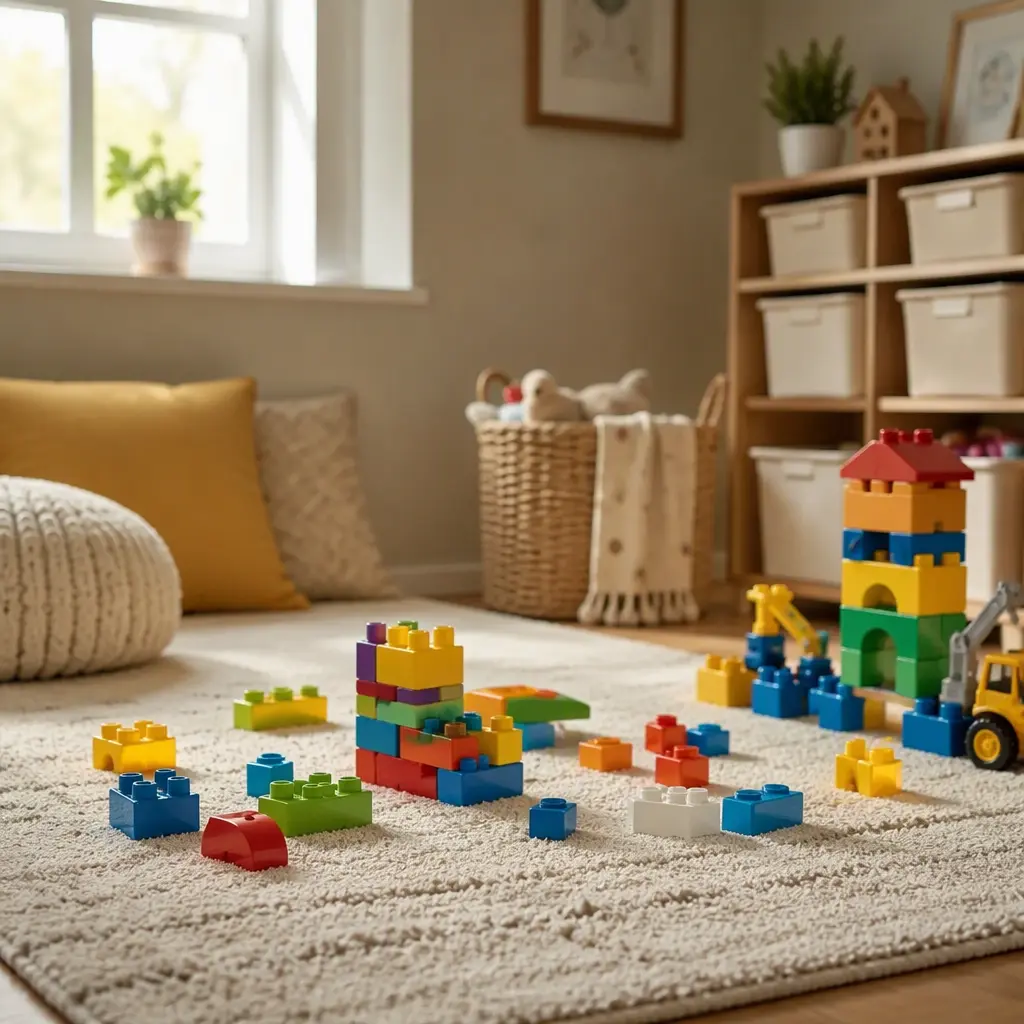
A parent-focused guide to large-piece building sets for toddlers in mixed-age homes, covering choking-risk trade-offs, shared play, durability, storage and long-term value.
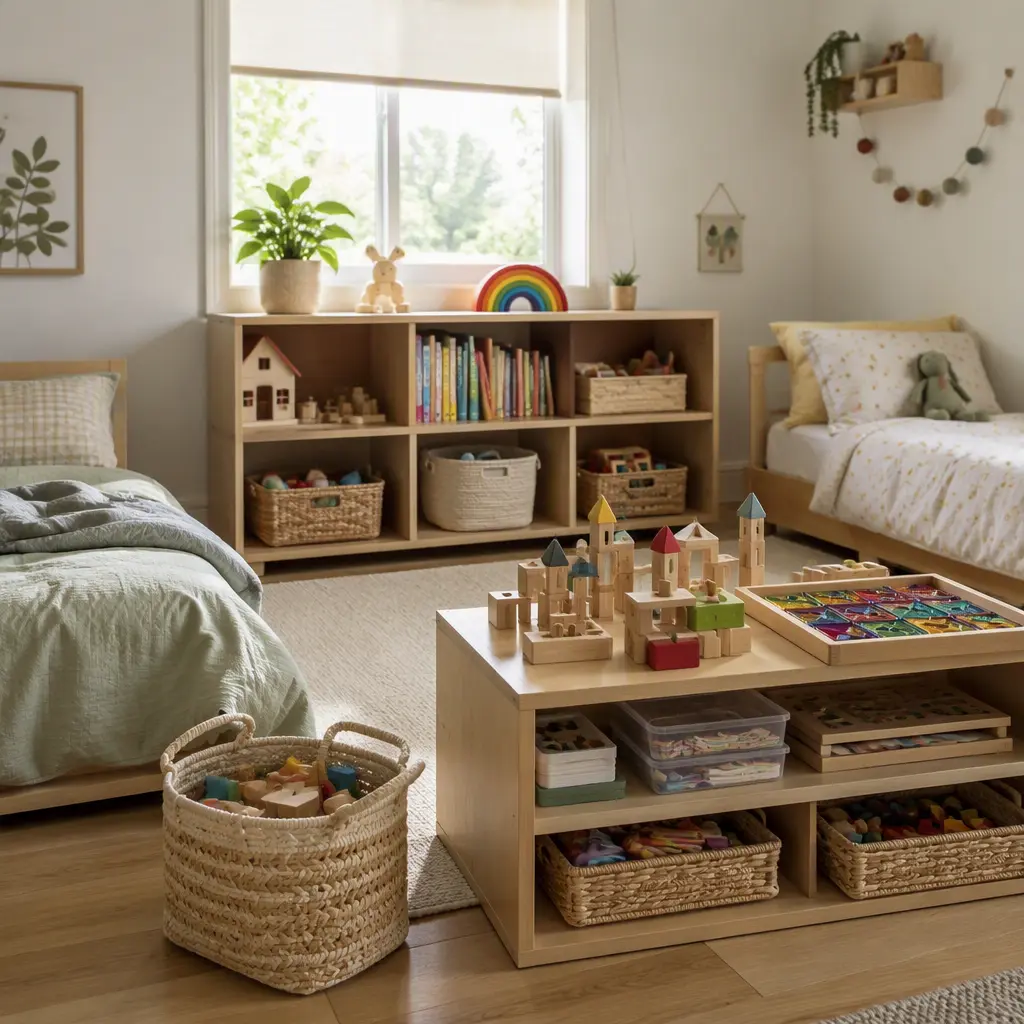
A parent-focused guide to quiet, compact screen-free toys for children aged 6–8 sharing one bedroom, with practical advice on storage, durability, supervision and sibling-friendly play.
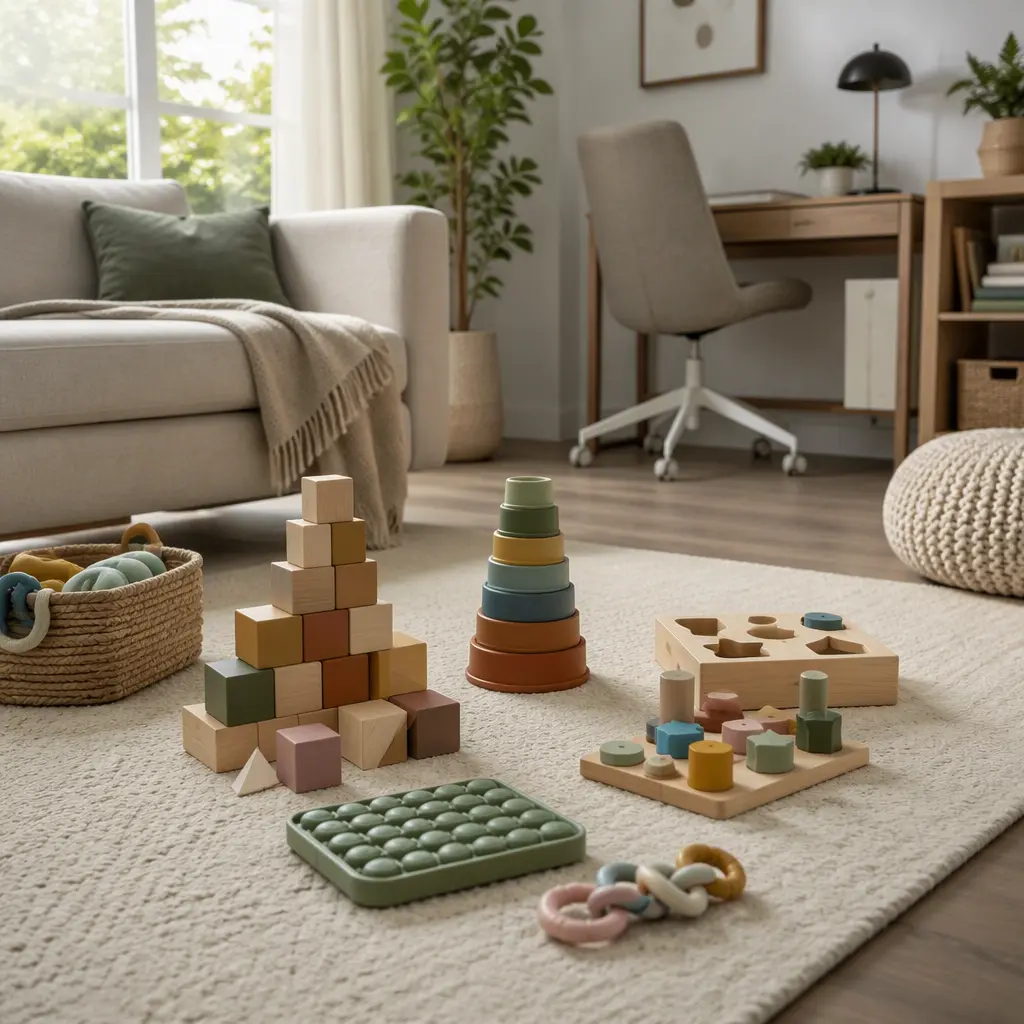
A parent-focused guide to quiet, low-mess toys for toddlers aged 1–2 during work calls, with practical advice on noise, supervision, storage, and attention span.
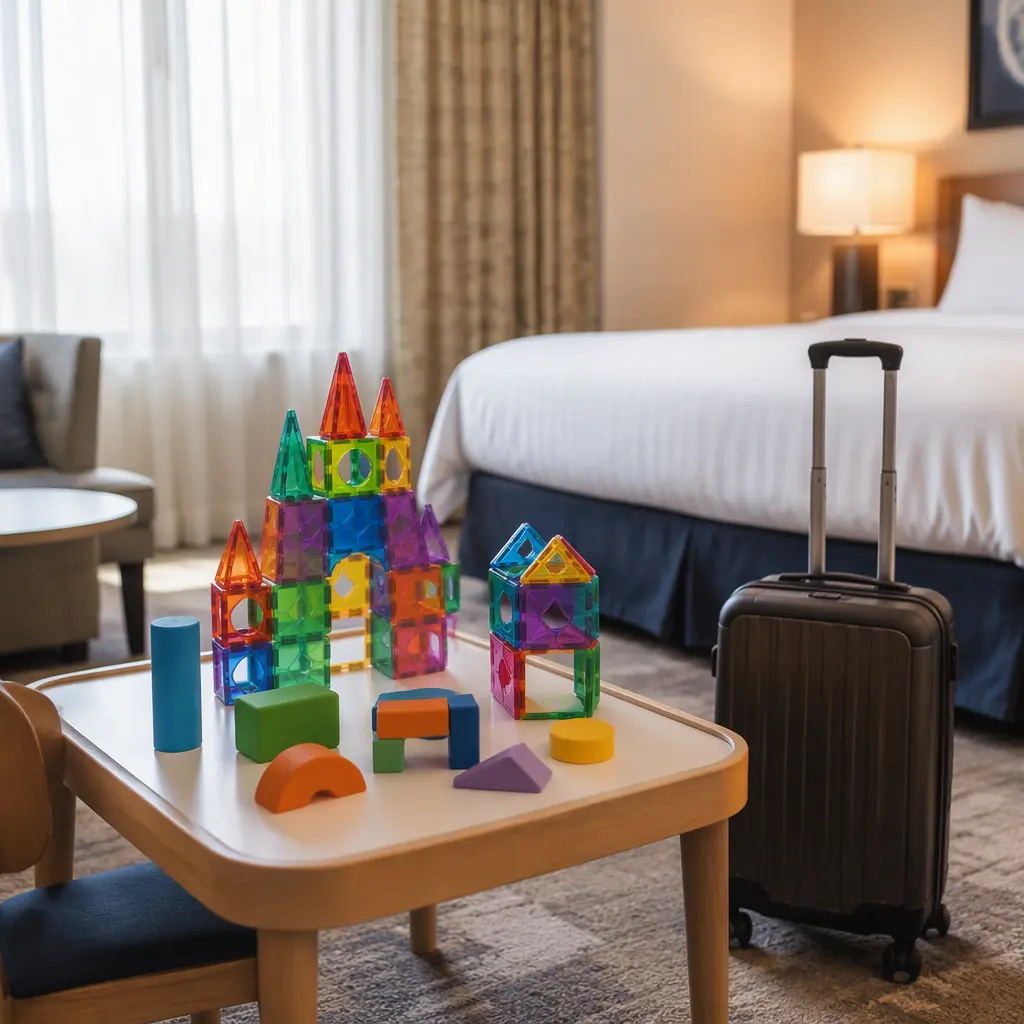
Choosing travel toys for preschoolers often comes down to noise, storage and cleanup. This guide compares magnetic tiles and foam blocks for hotel-friendly, screen-free play.
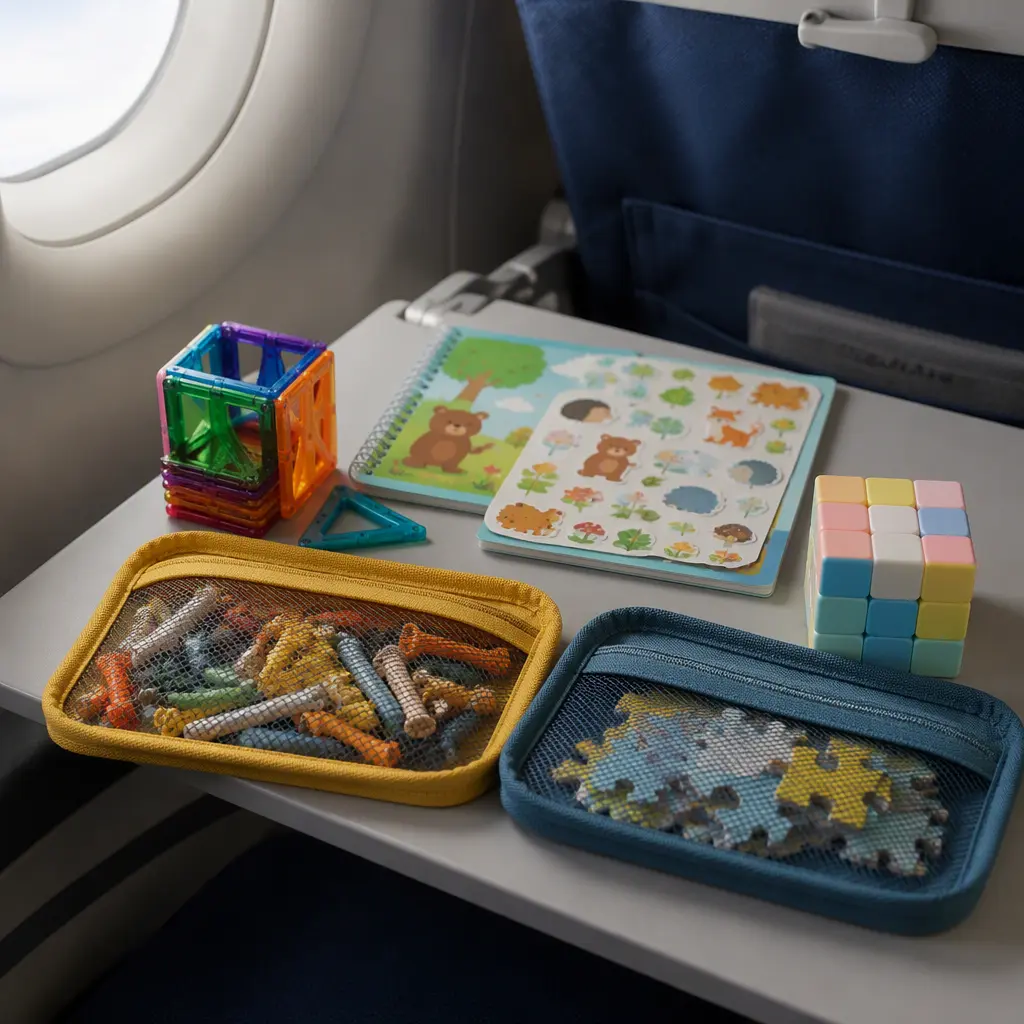
Compare compact, offline toys for ages 6–8 that fit on tray tables, limit dropped pieces, and stay practical for long flights, airport waits, and travel downtime.
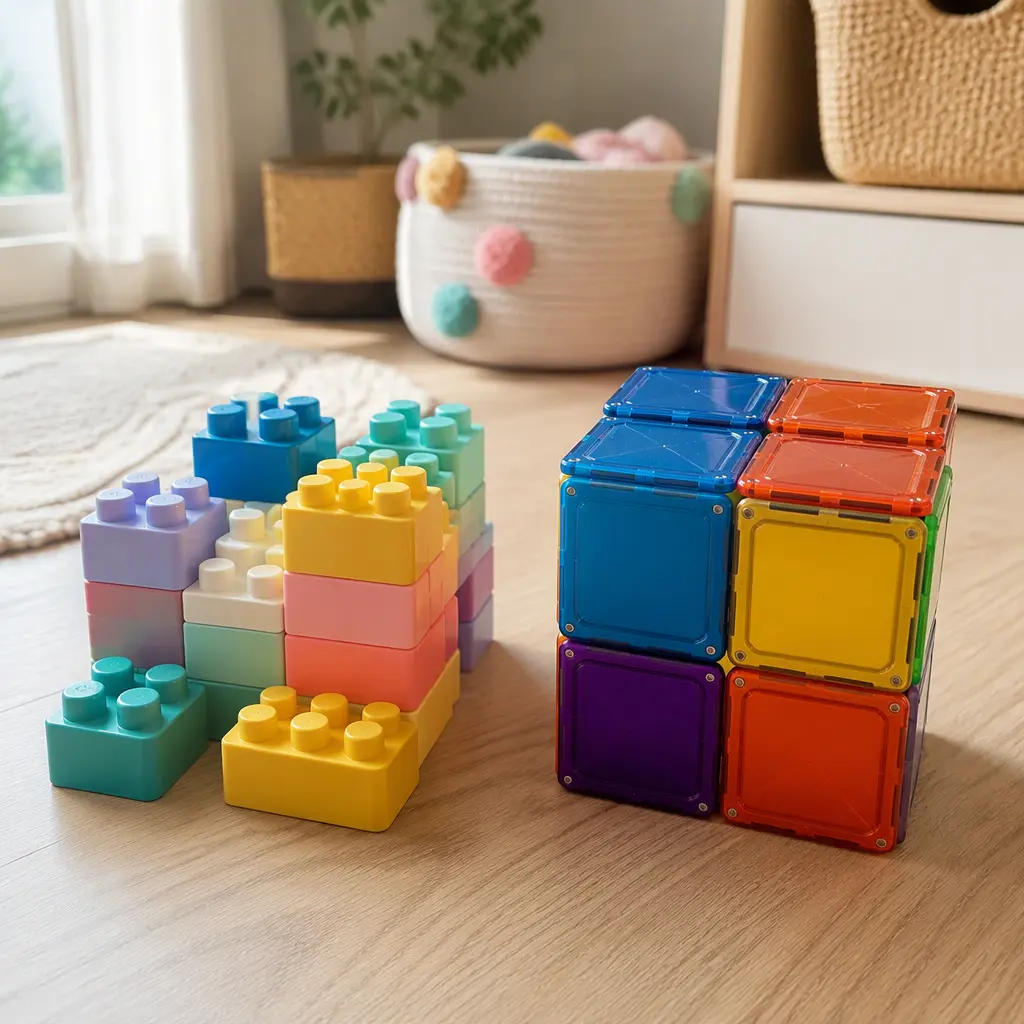
Compare chunky building blocks and magnetic cubes for toddlers aged 1–2. Learn about cleanup, choking risks, build stability, supervision, storage and long-term play value before buying.
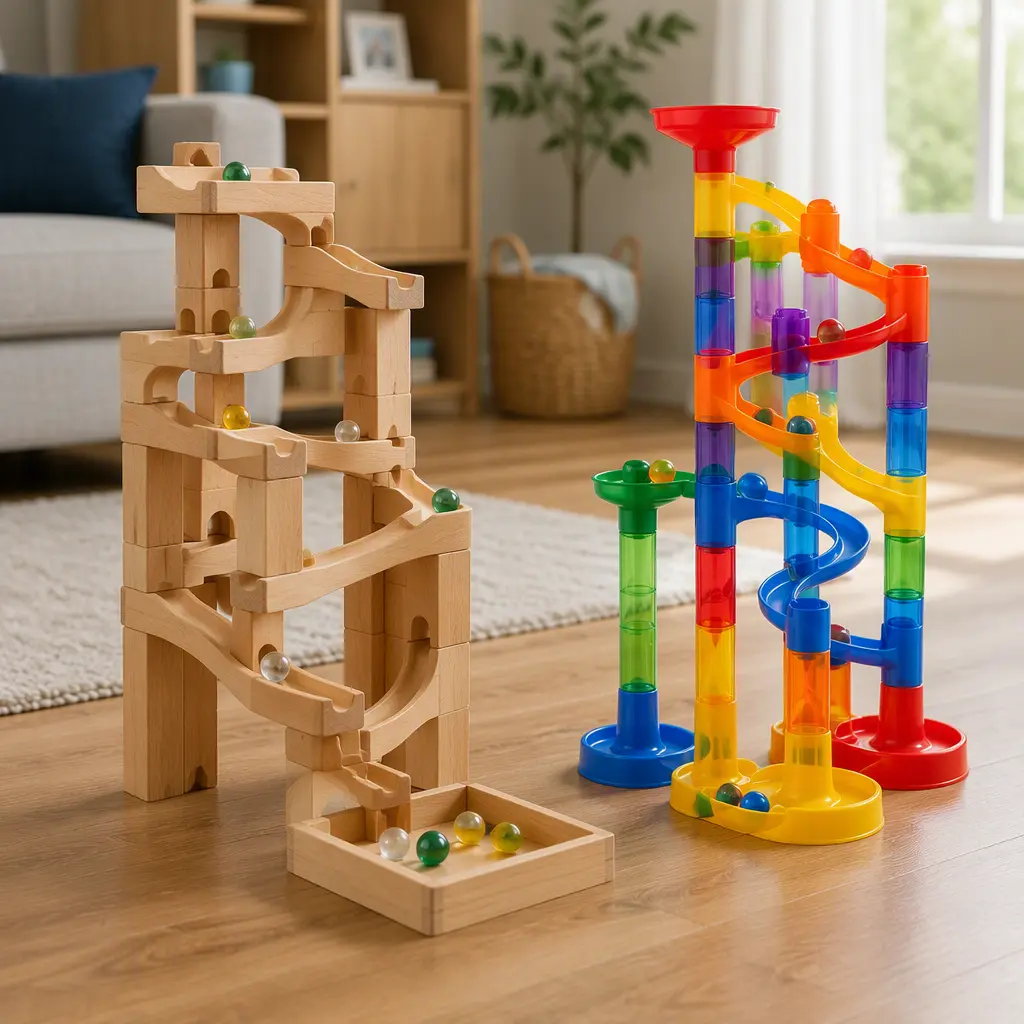
Comparing wooden and plastic marble runs for ages 9–12, including stability, noise, expandability, storage and long-term building challenge for different play styles and family spaces.
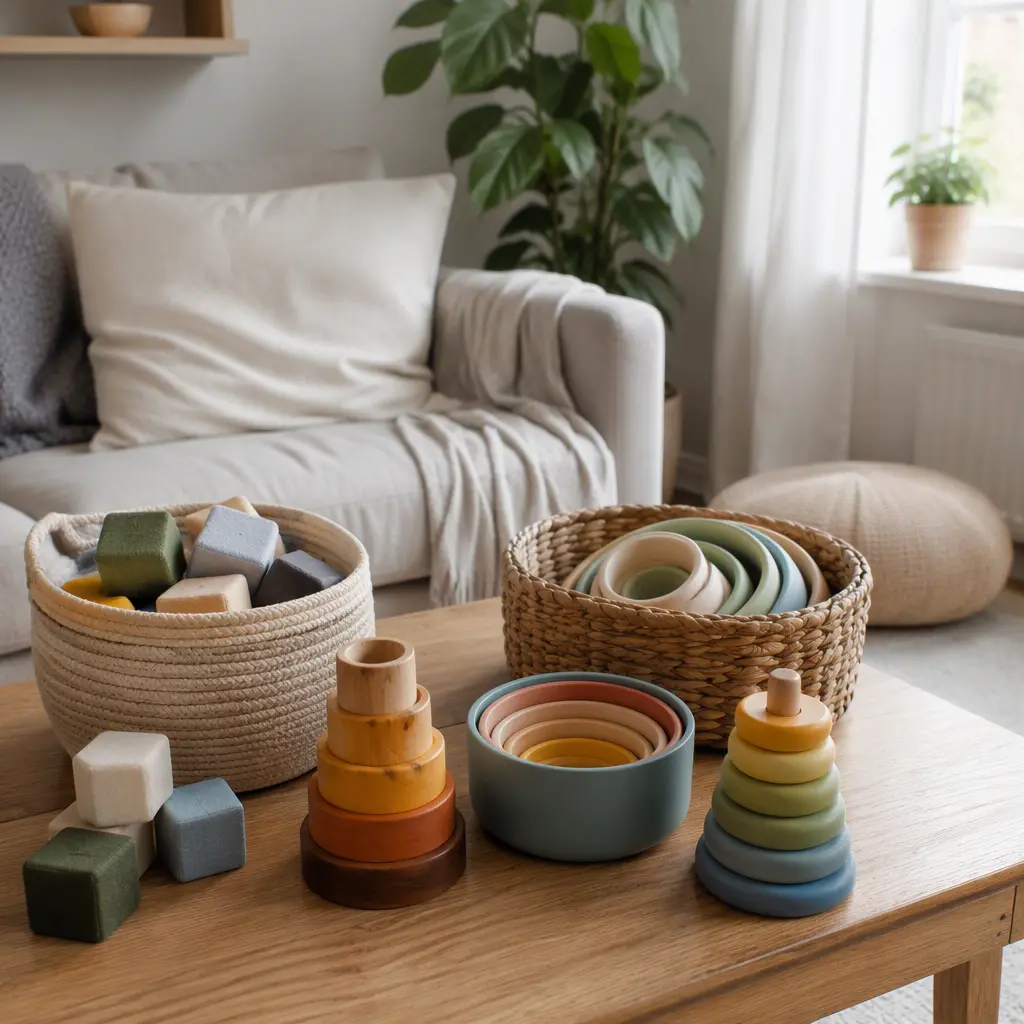
Compact stacking toys can support motor skills and imaginative play without taking over a small living space. This guide compares practical options for toddlers aged 1–2.
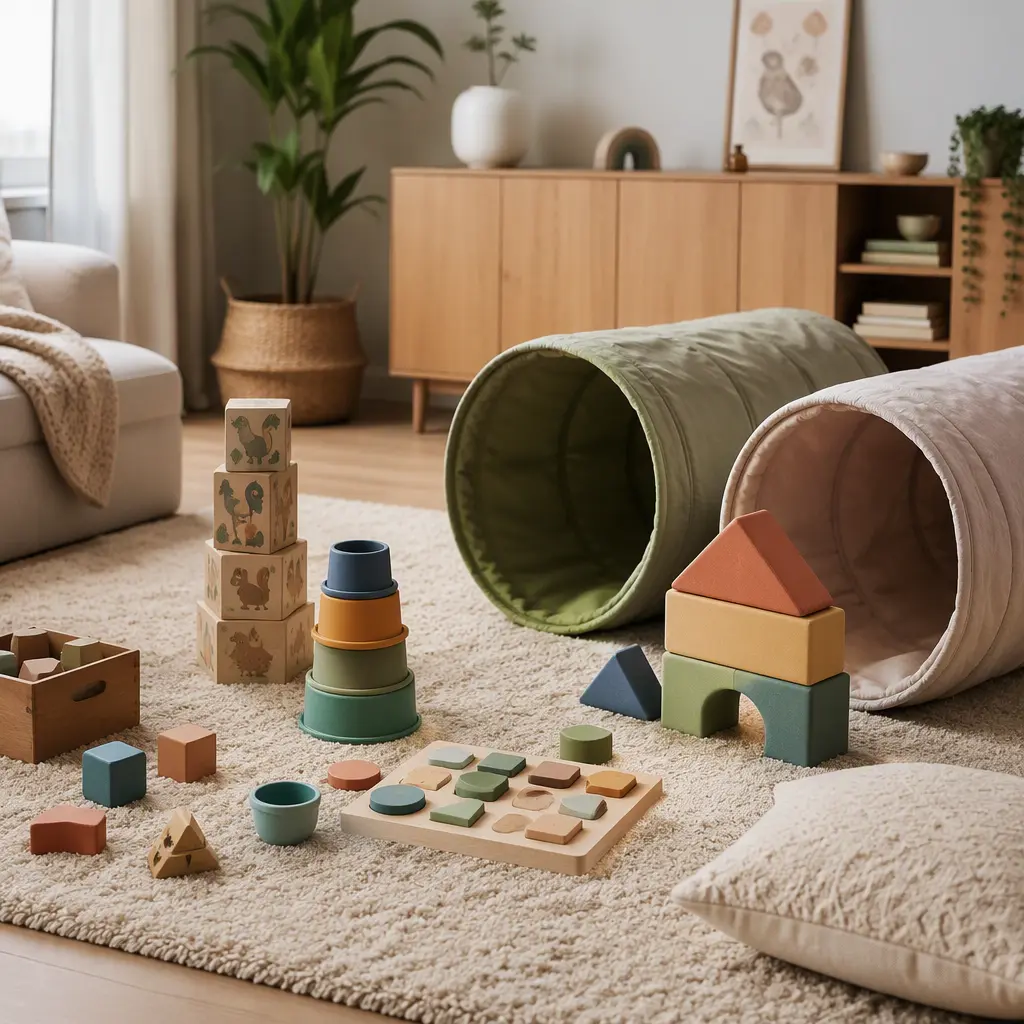
Low-noise toys can help toddlers stay active indoors without constant clattering. This guide compares quieter play options for 1–2 year olds, with practical advice on mess, storage and supervision.
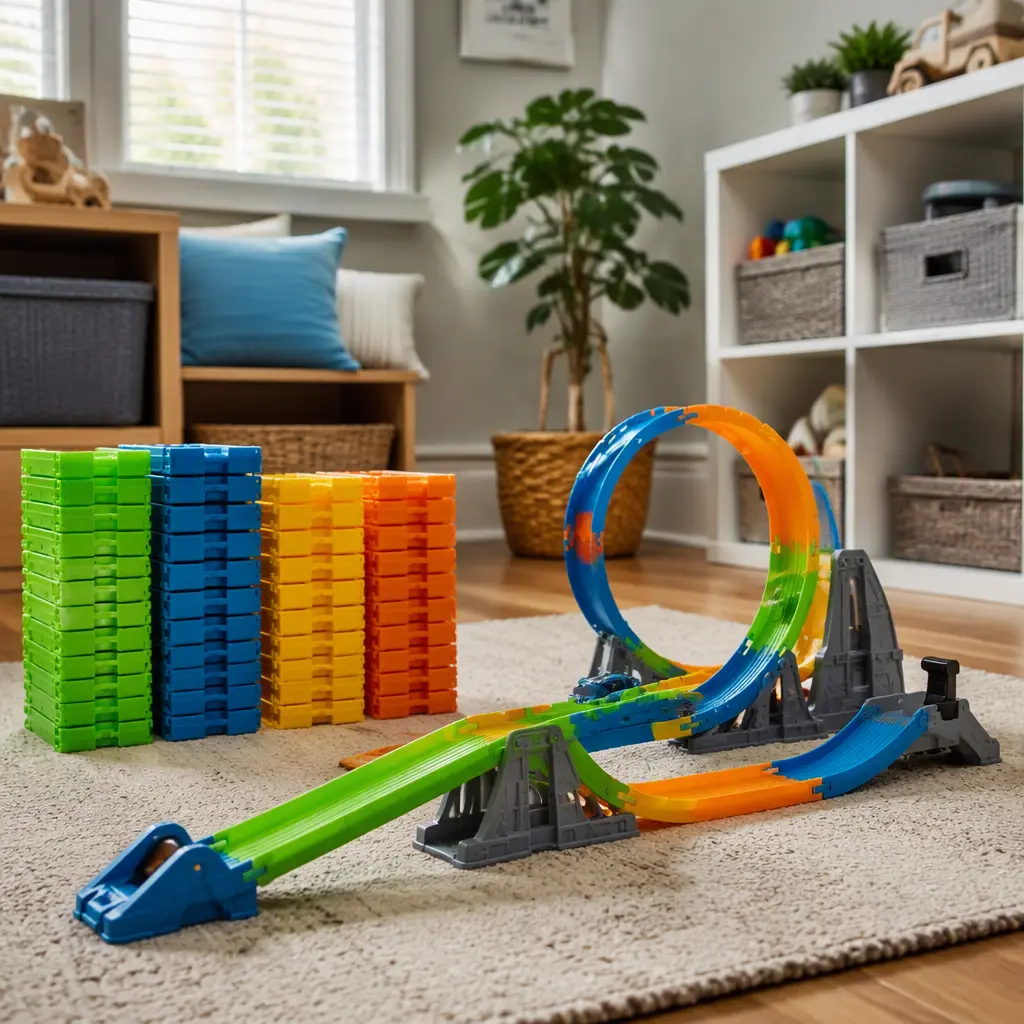
A parent-focused guide to clip-together race tracks for ages 6–8, with practical advice on storage, rebuild speed, durability, noise and which track styles suit different play habits.
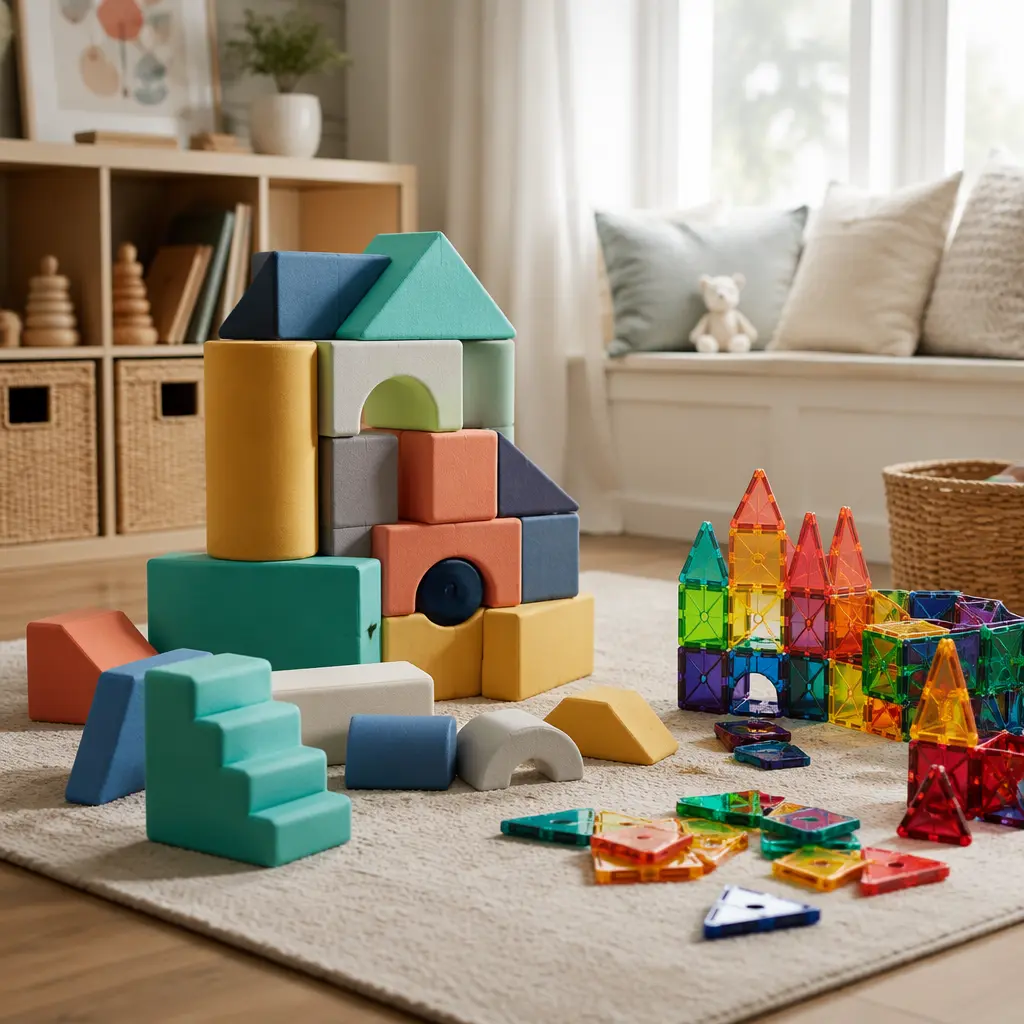
Compare foam building blocks and magnetic tiles for toddlers aged 1–2 years, with practical guidance on safety, noise, storage, durability, supervision and frustration levels.
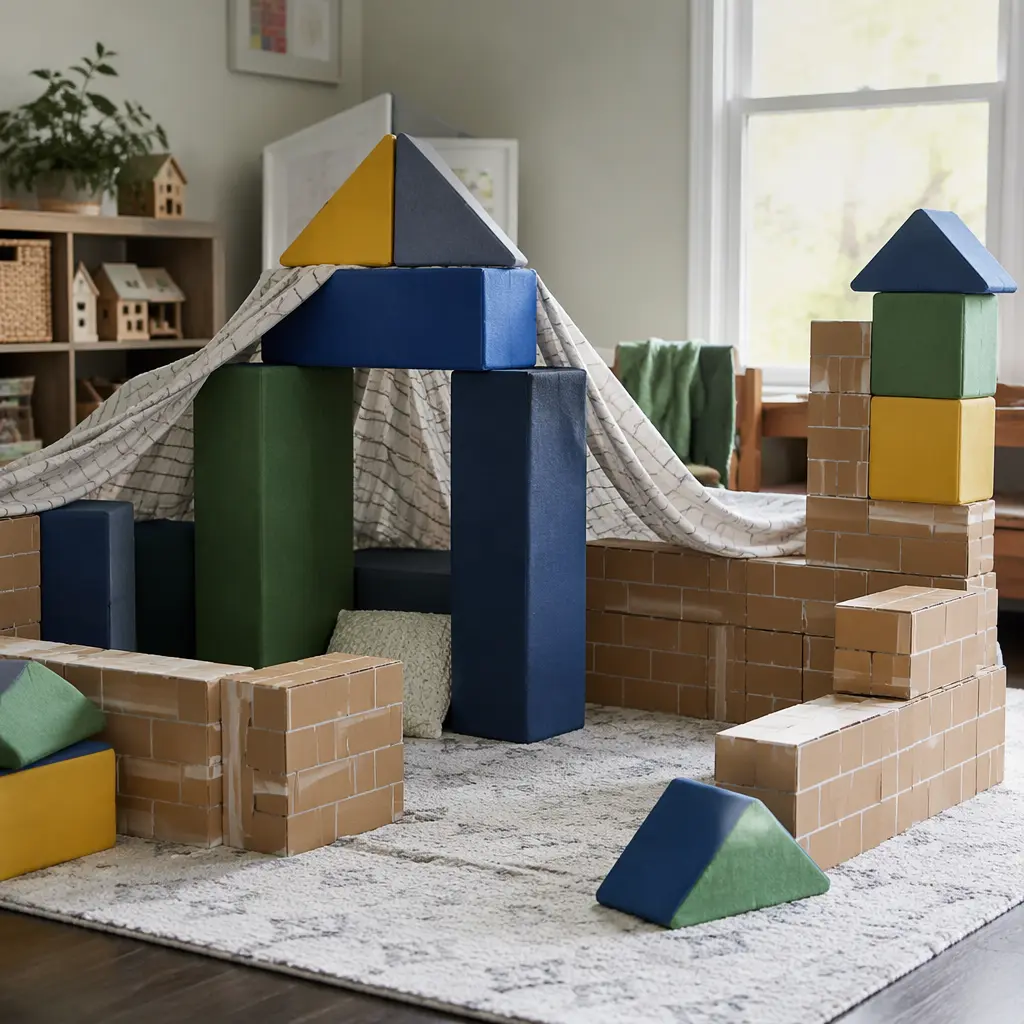
Choosing between foam blocks and cardboard bricks for preschoolers? Compare durability, storage, noise, cleanup and crash safety for energetic indoor building play.
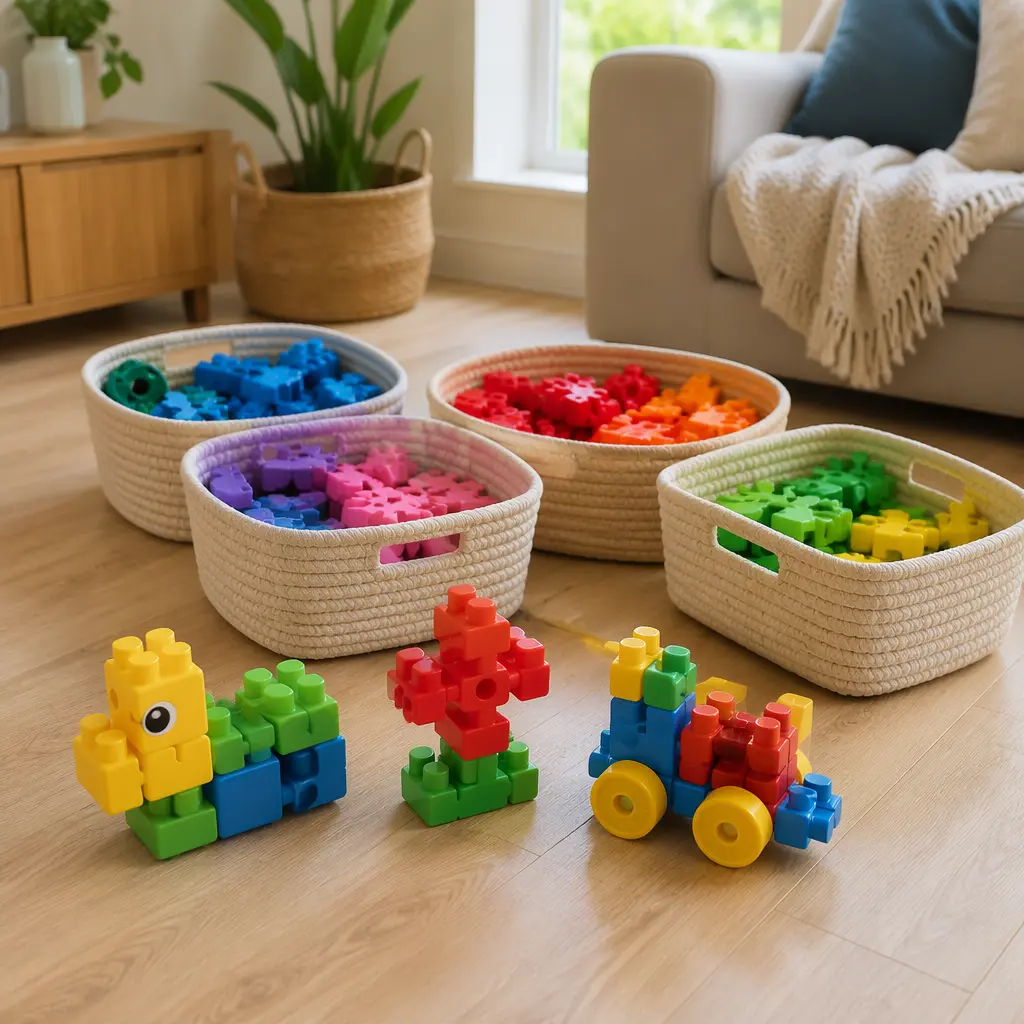
A parent-focused guide to clip-together toys for toddlers ages 1–2, with practical advice on storage, cleanup, durability, supervision, and which toy styles work best for calmer play.
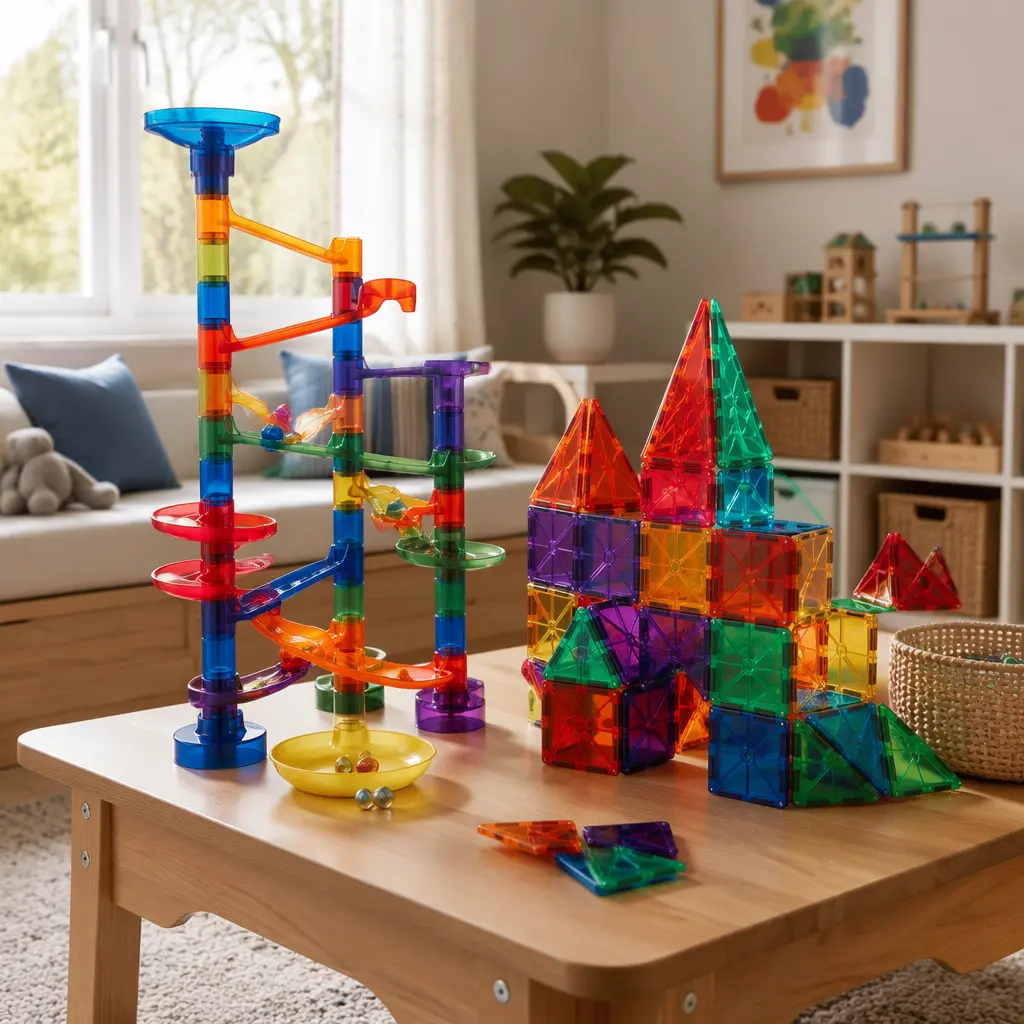
Choosing between marble runs and magnetic tiles for ages 6–8? Compare cleanup, frustration level, noise, expansion costs, storage and play styles to find the better fit for daily building play.
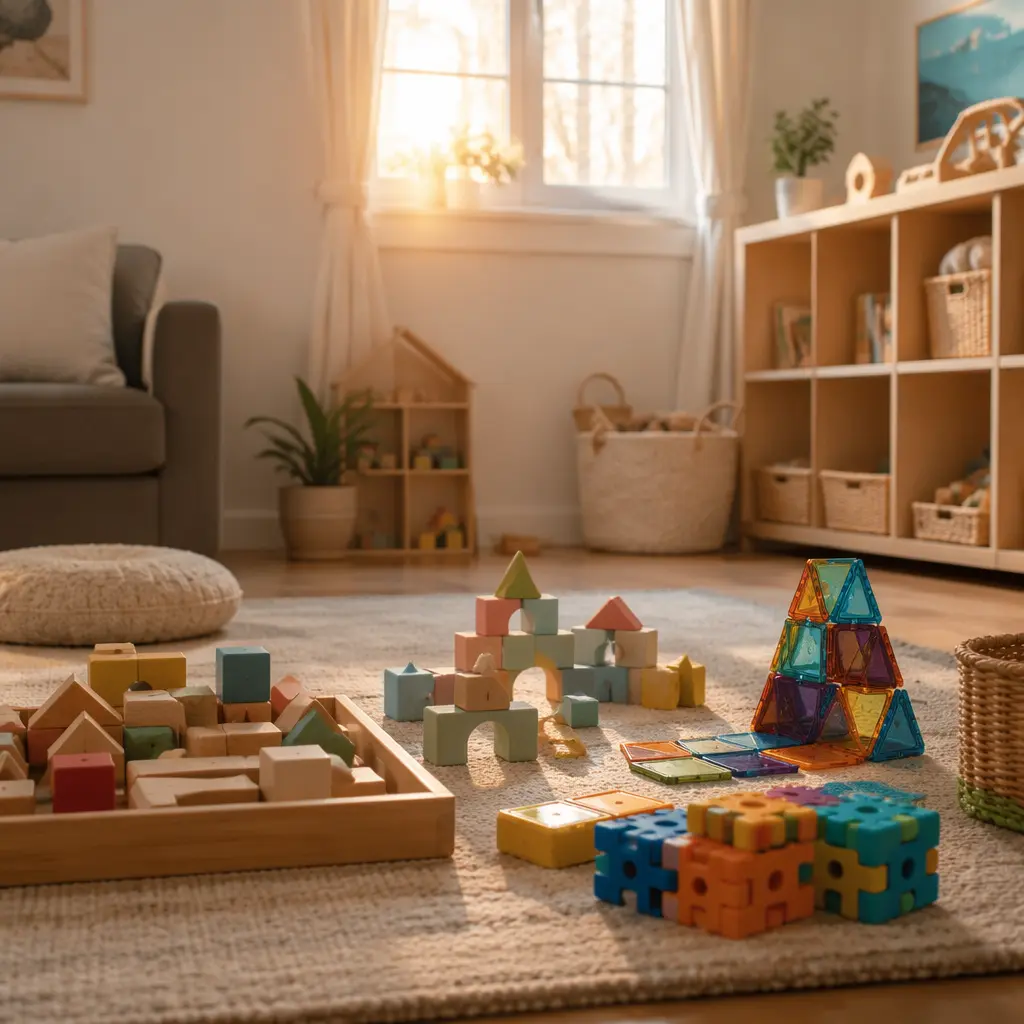
A parent-focused guide to quiet building toys for ages 3–5, with practical advice on noise levels, cleanup, storage, durability, and independent early-morning play.
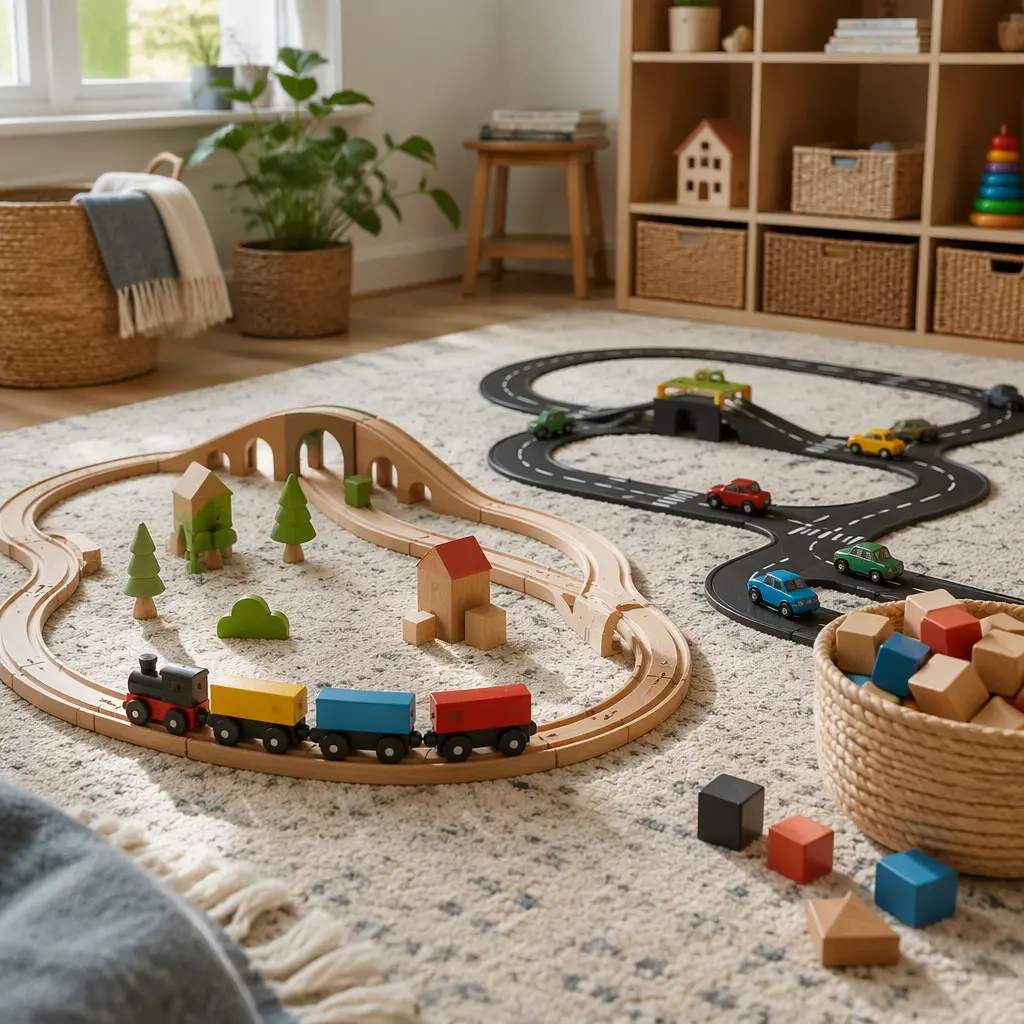
Choosing between toy train sets and car tracks for siblings aged 3–5? Compare space needs, noise, durability, replay value, storage, and supervision before buying.
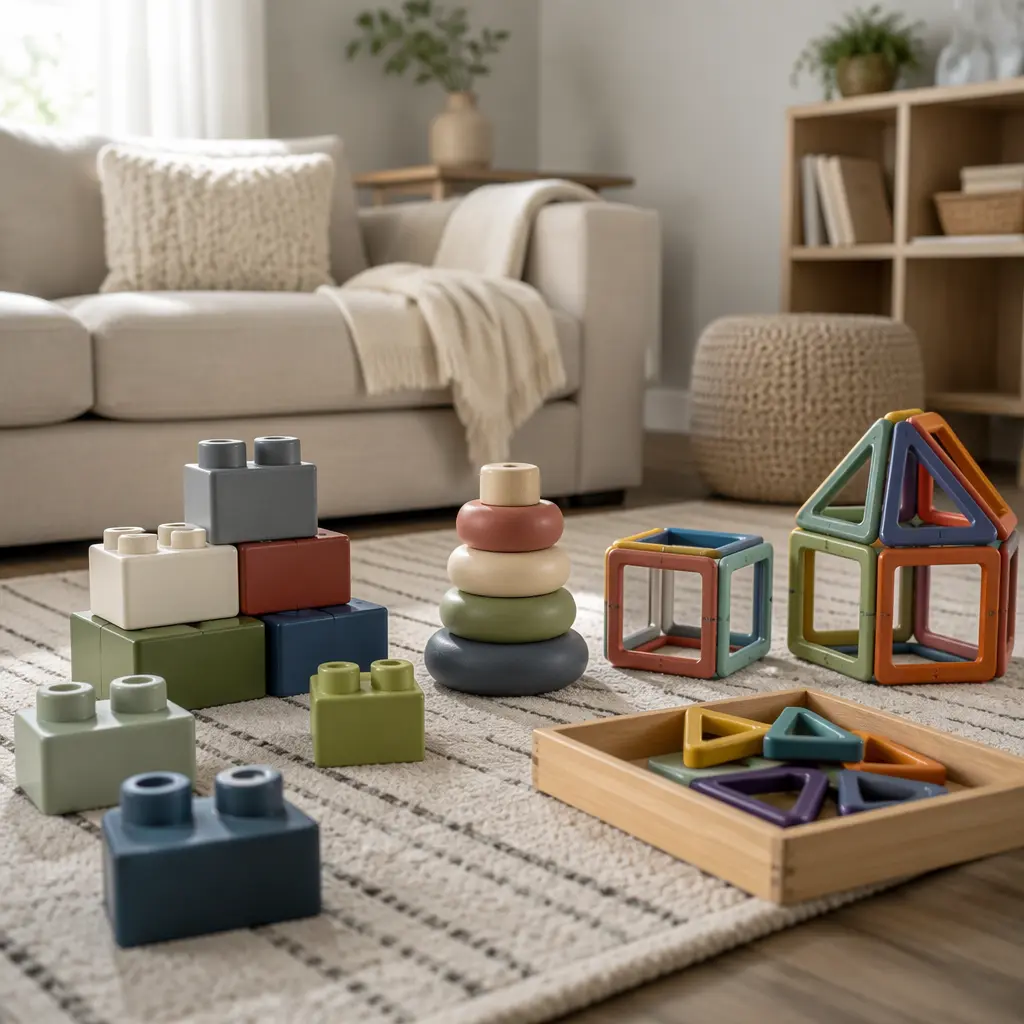
A parent-focused guide to building toys for ages 1–2 that avoid tiny parts while supporting open-ended play, faster cleanup, easier storage and safer shared family spaces.
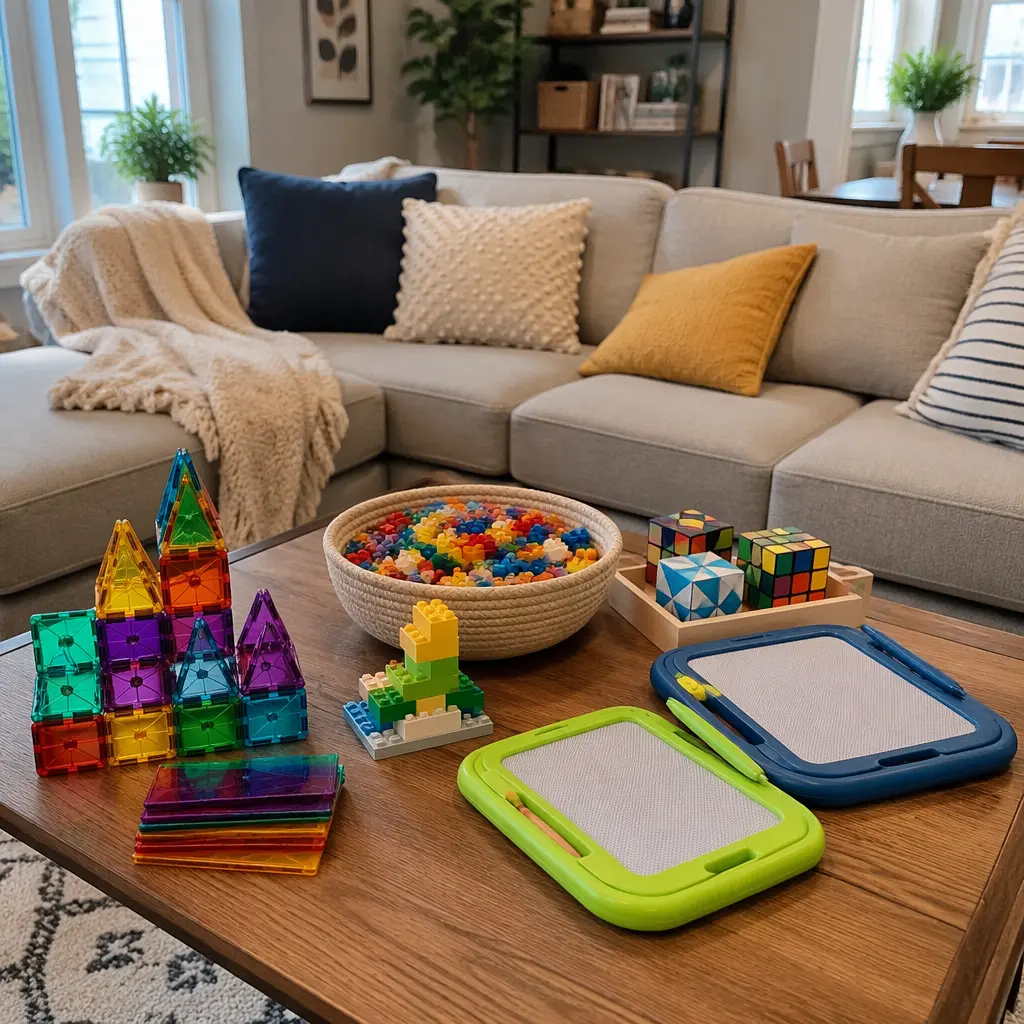
Low-energy, low-mess screen-free toys for children ages 6–8 recovering from illness. Compare quiet building, puzzle, craft and storytelling options that work well for couch time.
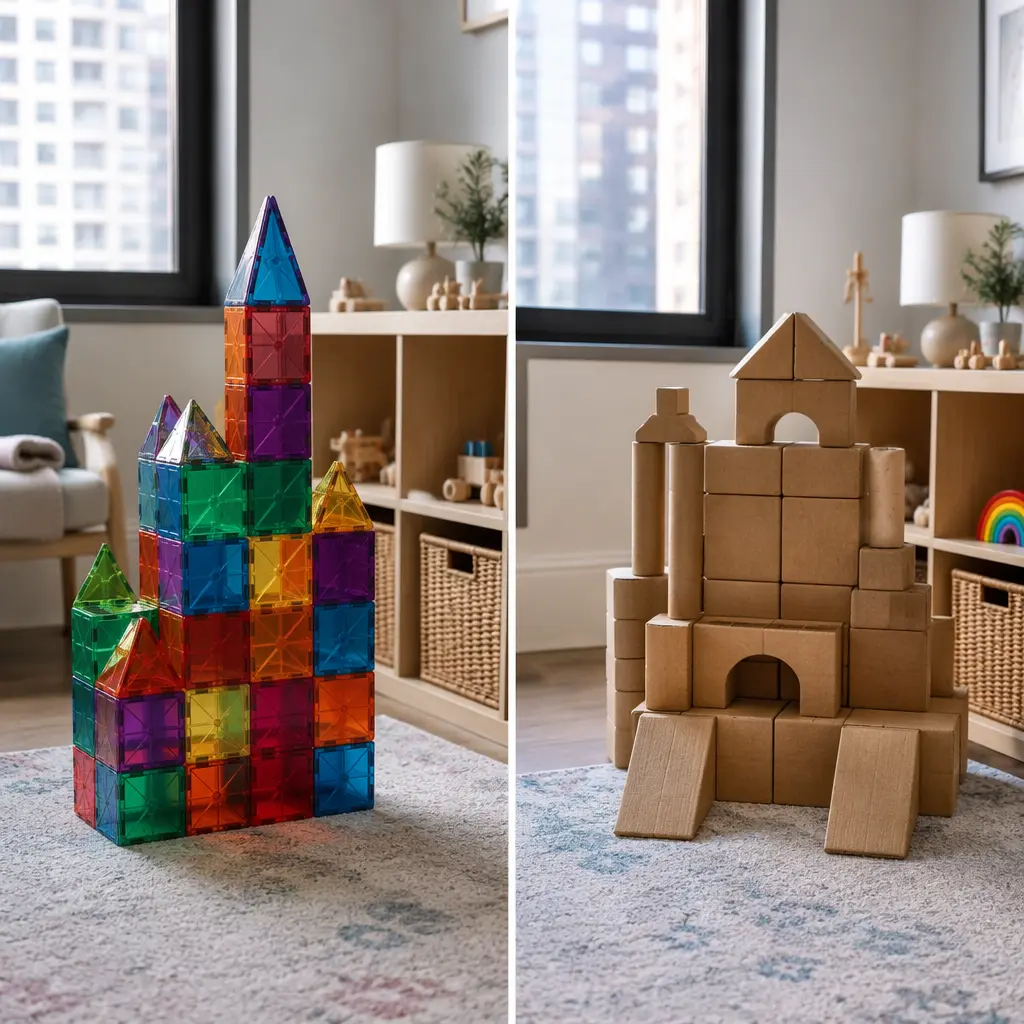
Comparing magnetic tiles and cardboard blocks for ages 3–5 in small homes. Learn the trade-offs around storage, durability, cleanup, noise, and open-ended play before you buy.
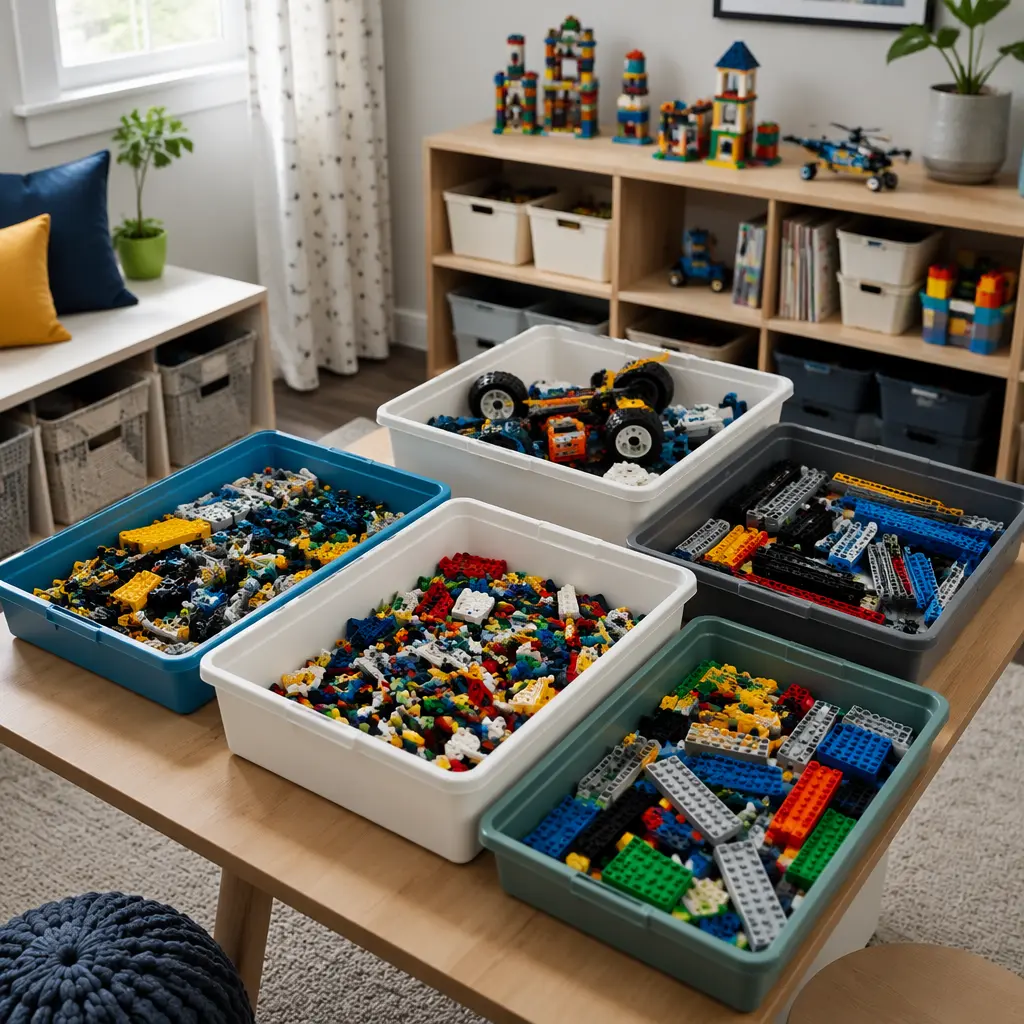
A parent-focused guide to building sets for ages 6–8 that are easier to sort, store and clean up independently, with practical trade-offs around piece size, mess and storage.
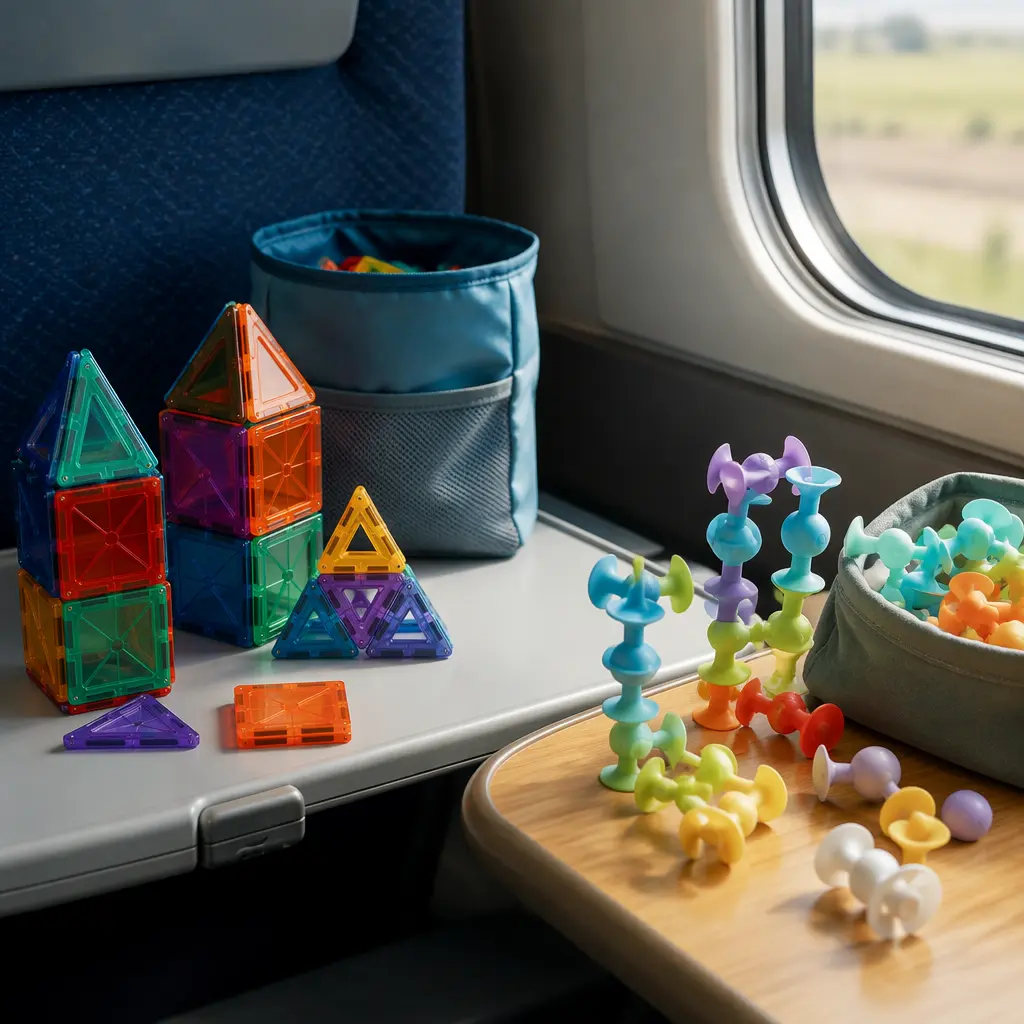
Compare magnetic tiles and suction builders for travel with preschoolers. Learn which works better for tray tables, cleanup, quiet play, storage, and reducing lost-piece stress.
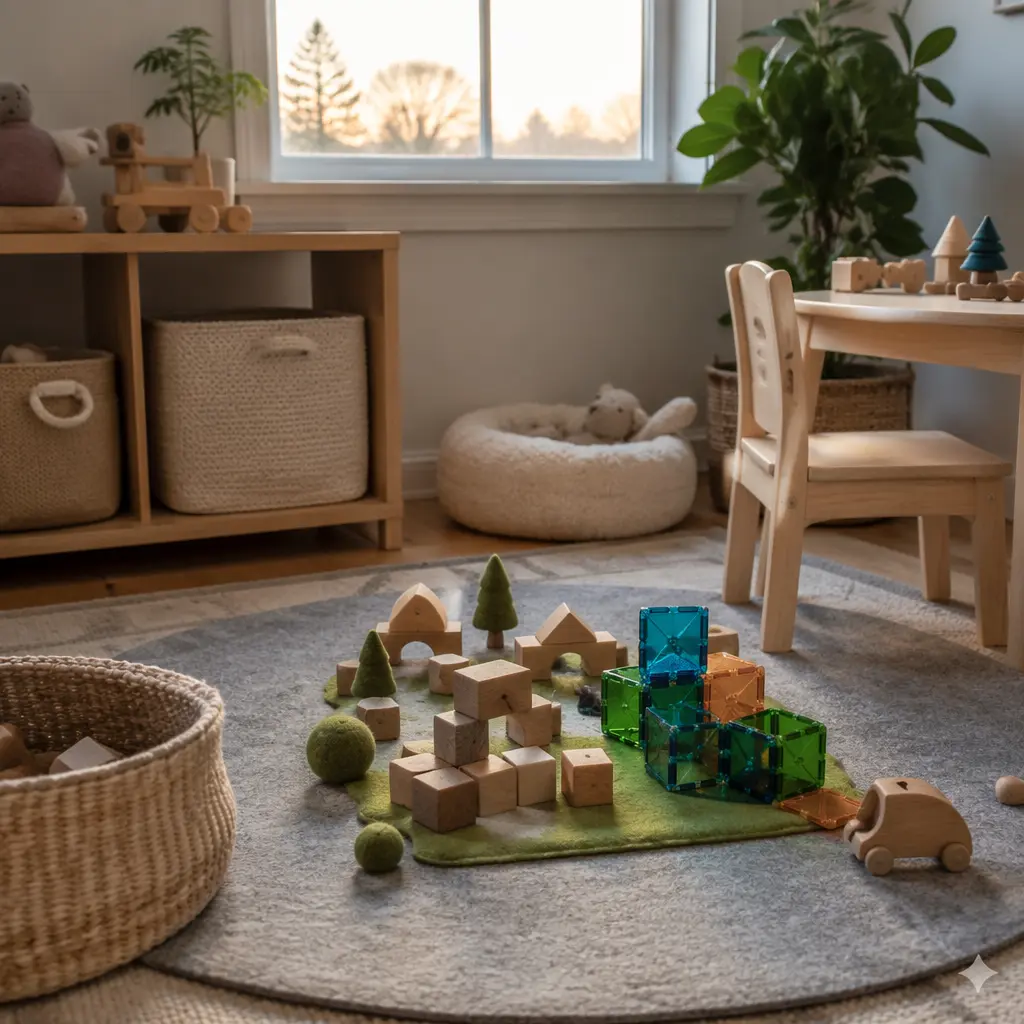
Quiet, low-mess toys can help early-rising preschoolers play independently without waking the whole house. This guide compares calm screen-free options for ages 3–5.
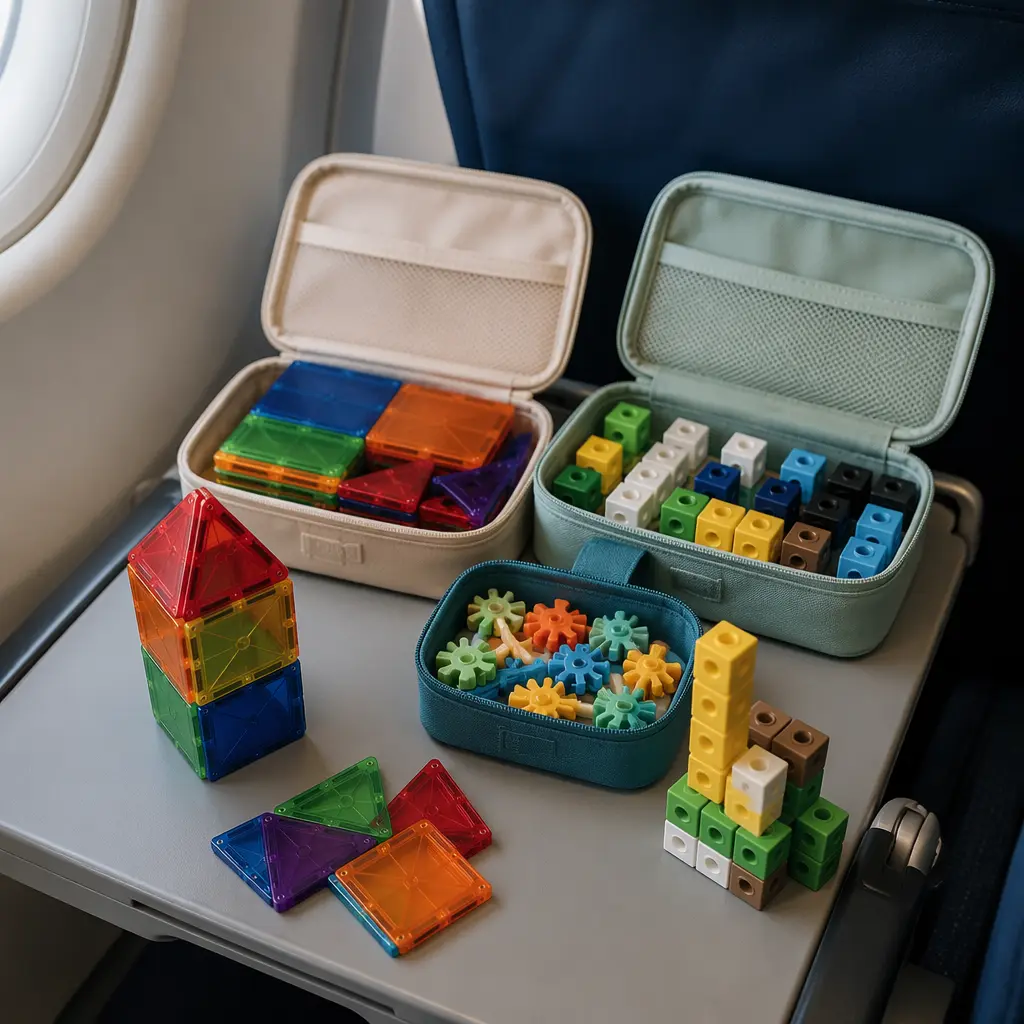
Compare compact building toys designed for flights, restaurants and hotel stays. Learn which travel-friendly formats reduce loose pieces, pack easily and suit children ages 6–8.
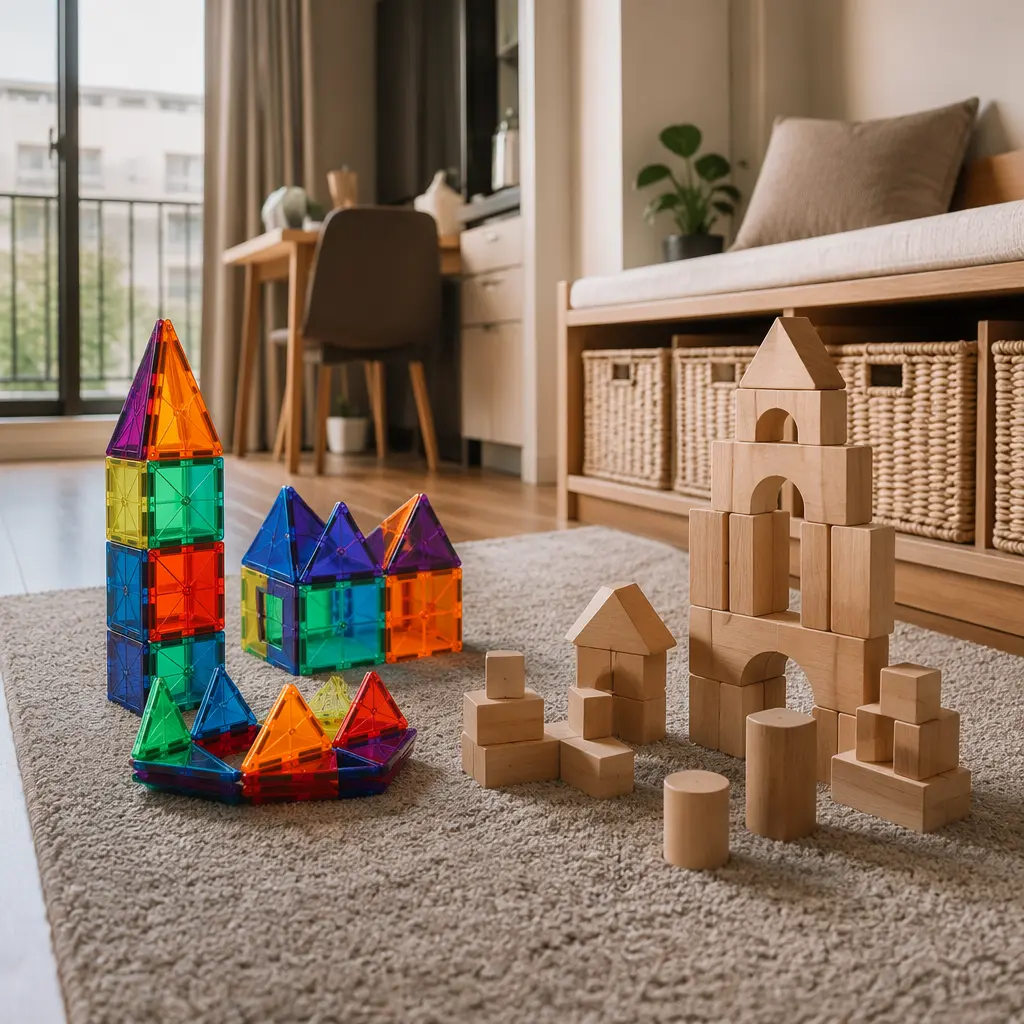
Comparing magnetic tiles and wooden blocks for ages 3–5 in small homes, with practical advice on storage, noise, durability, replay value and supervision needs.
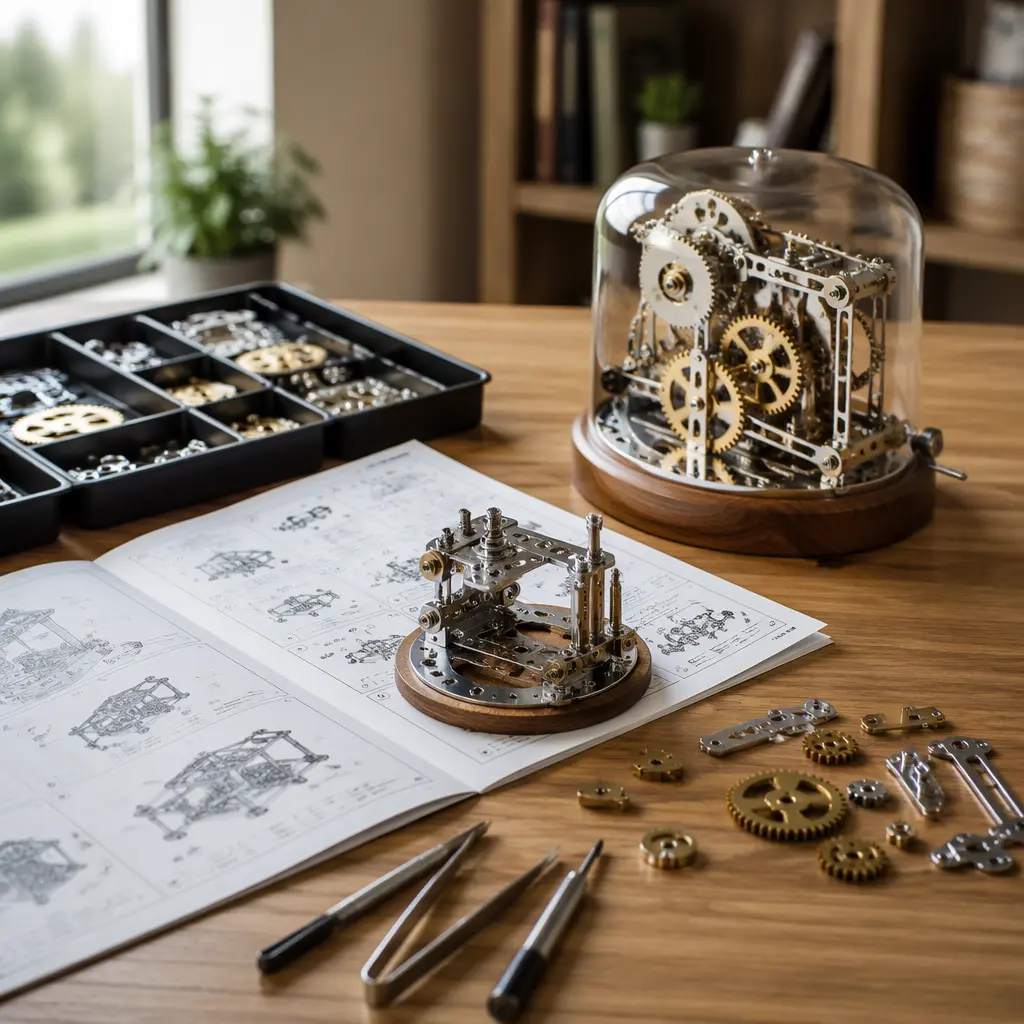
A parent-focused guide to mechanical building kits for teens, covering realistic engineering play, age suitability, storage, supervision, and the trade-offs between wood, metal, and motorized sets.
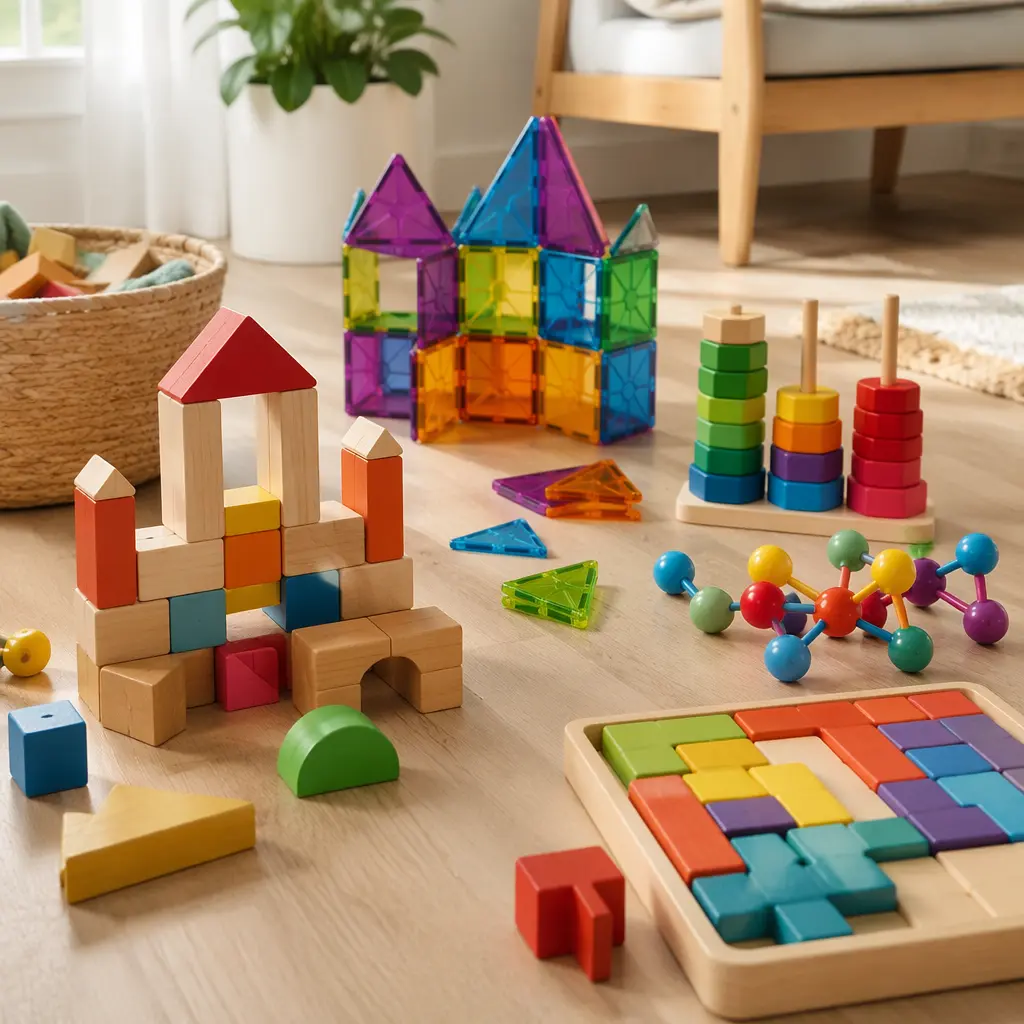
Explore quiet, screen-free building toys for ages 3–5 that support focus, creativity, and calm independent play without lights, sounds, or batteries.
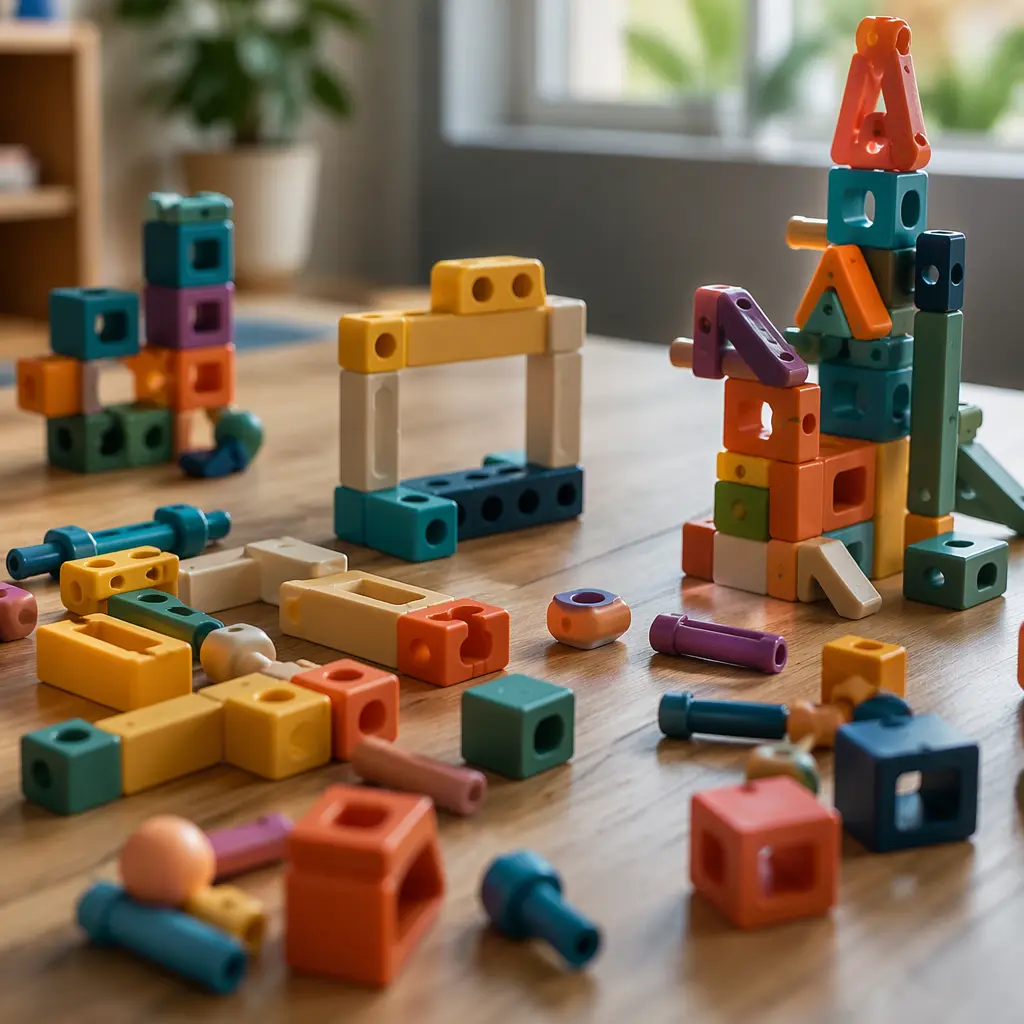
A parent-focused guide to budget-friendly building toys for ages 6–8 that encourage creativity without step-by-step instructions. Learn what to look for, age fit, safety tips, and common questions.
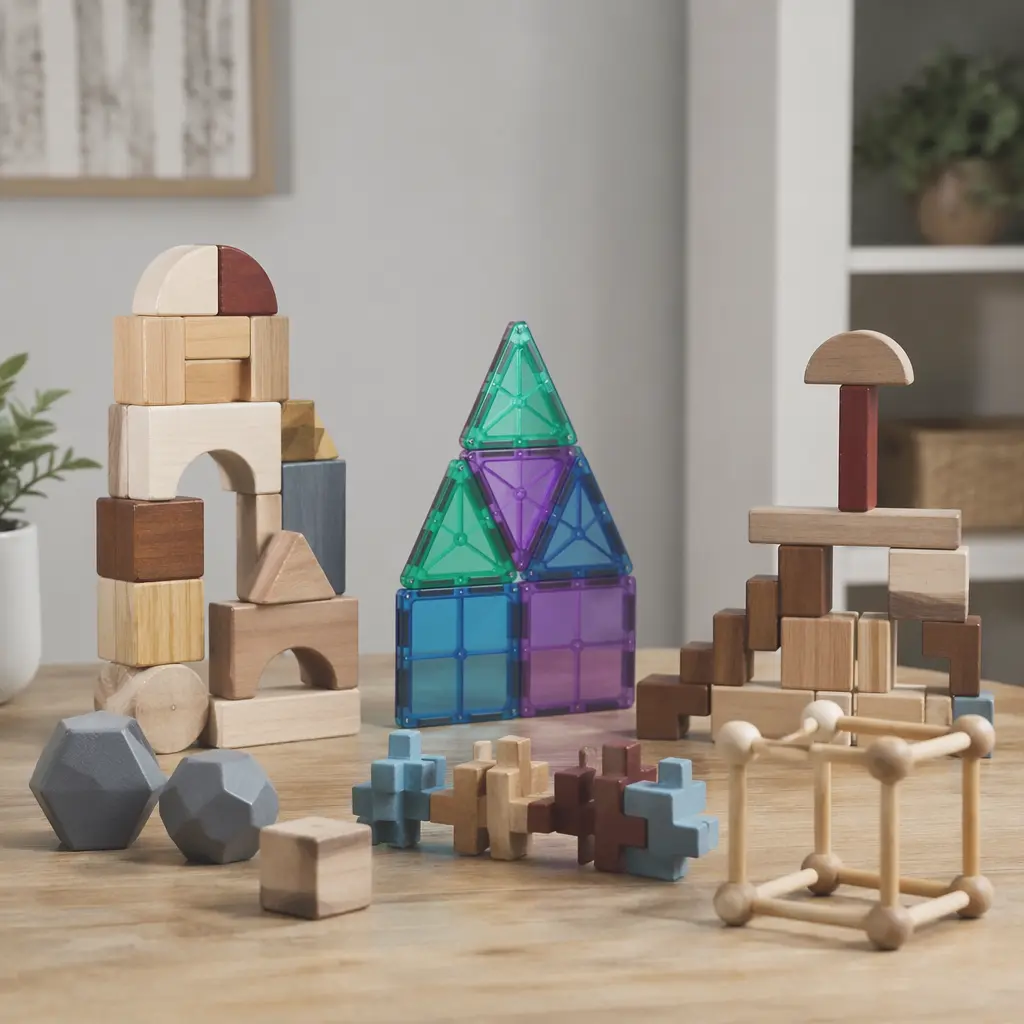
A parent-focused guide to classic, no-battery building toys for ages 6–8. Learn what to look for, age fit, safety tips, and creative categories that spark imagination without screens or instructions.
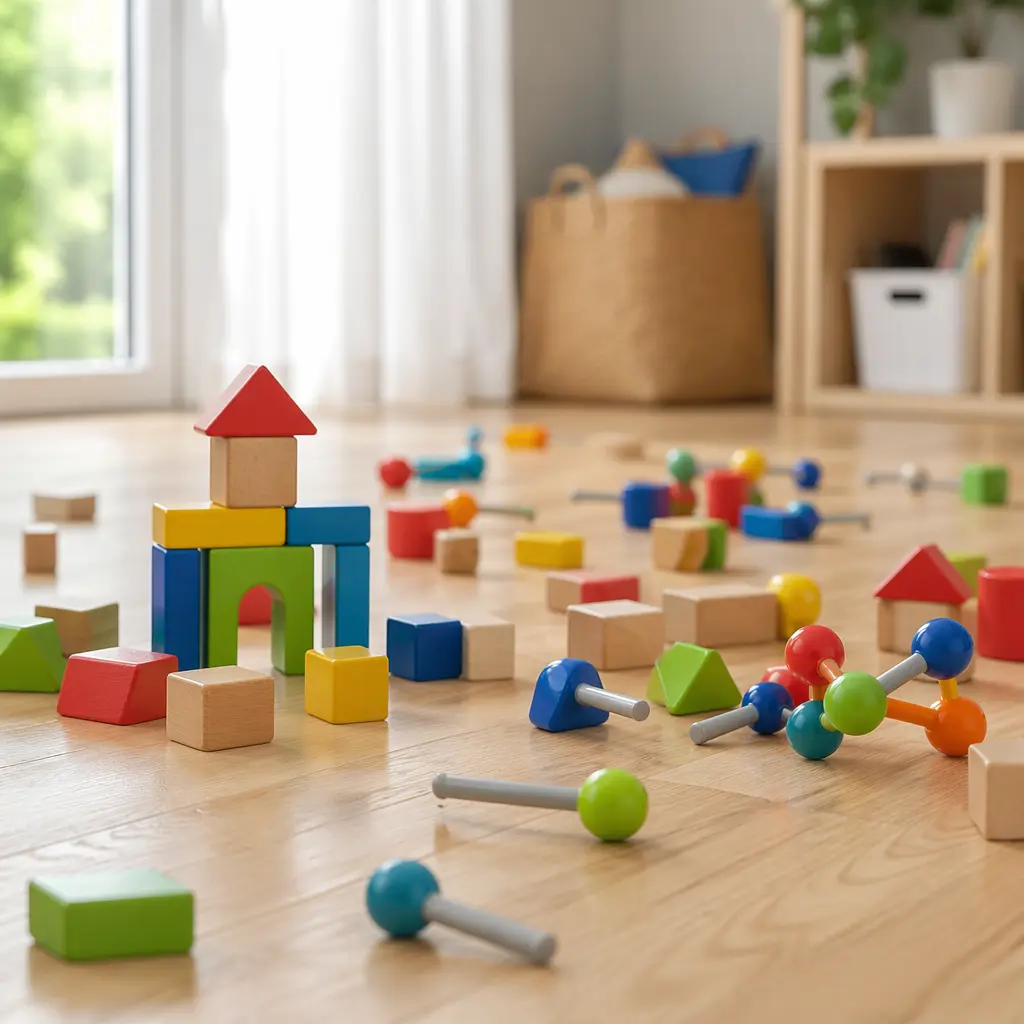
A buyer’s guide to affordable building toys for ages 3–5 that encourage creativity without instructions, themes, or complicated systems.

A buyer’s guide to building toys for teens that focus on hands-on mechanics, real tools, and practical skills—what to look for, age fit, and common questions for parents.
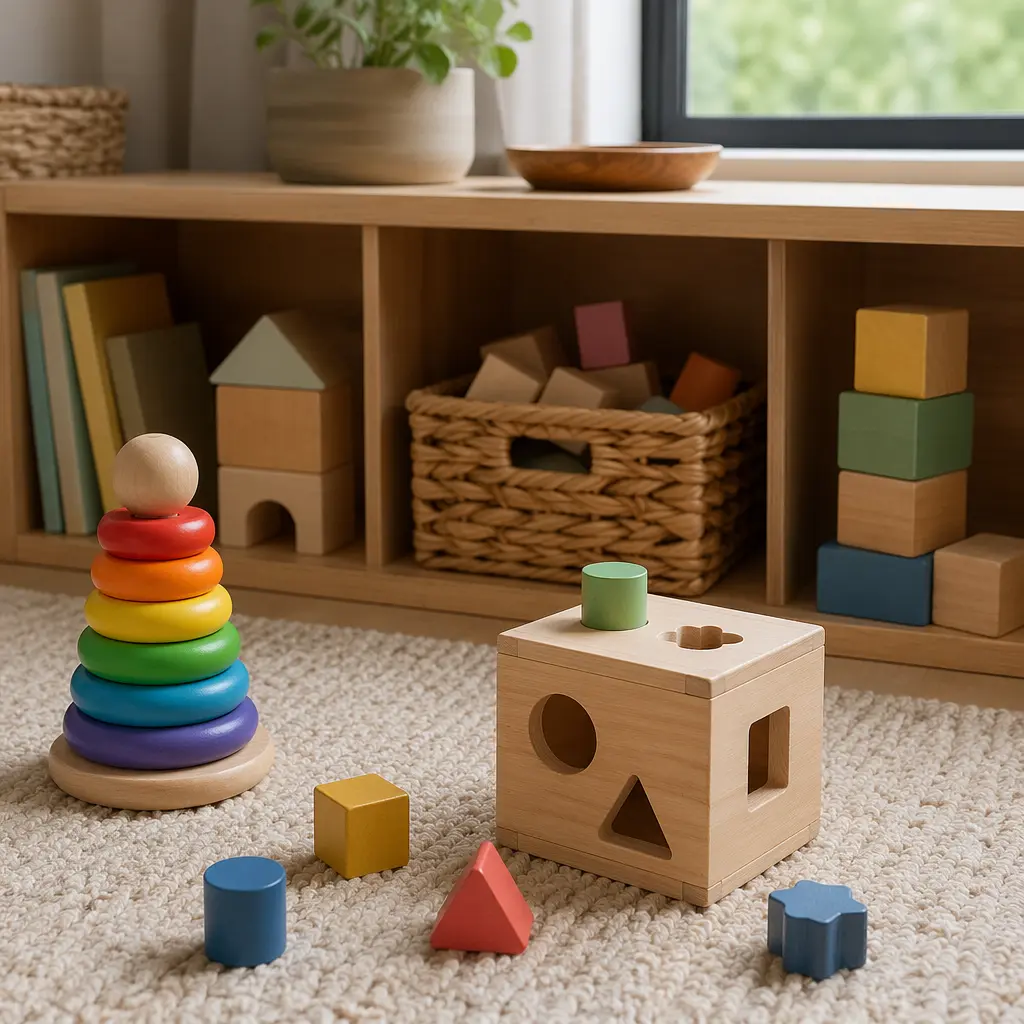
A parent-friendly guide to no-battery toys that toddlers happily repeat every day. Learn what to look for, age fit for 1–2 years, and the toy types that support calm, focused play.
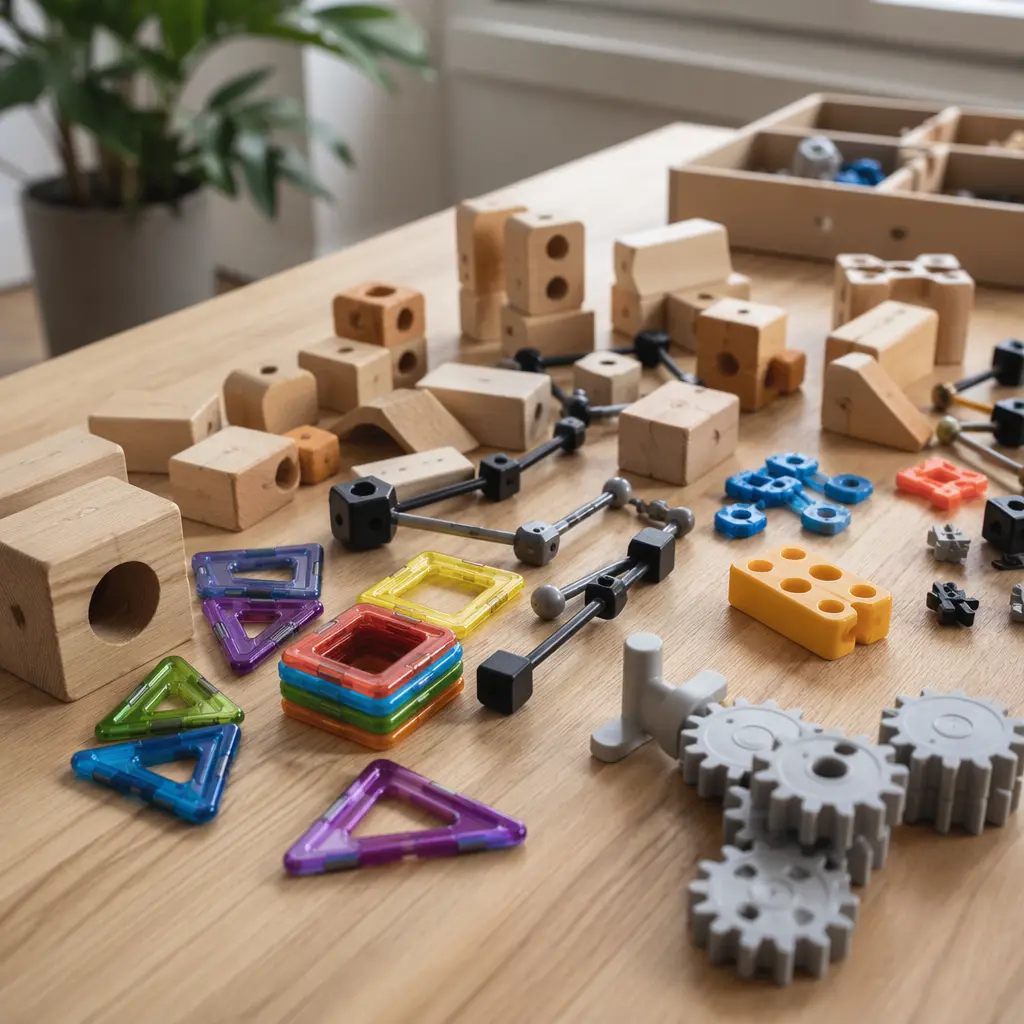
A parent-friendly guide to loose-parts building sets that mix freely across brands, support open-ended play, and grow with kids’ ideas ages 6–8.
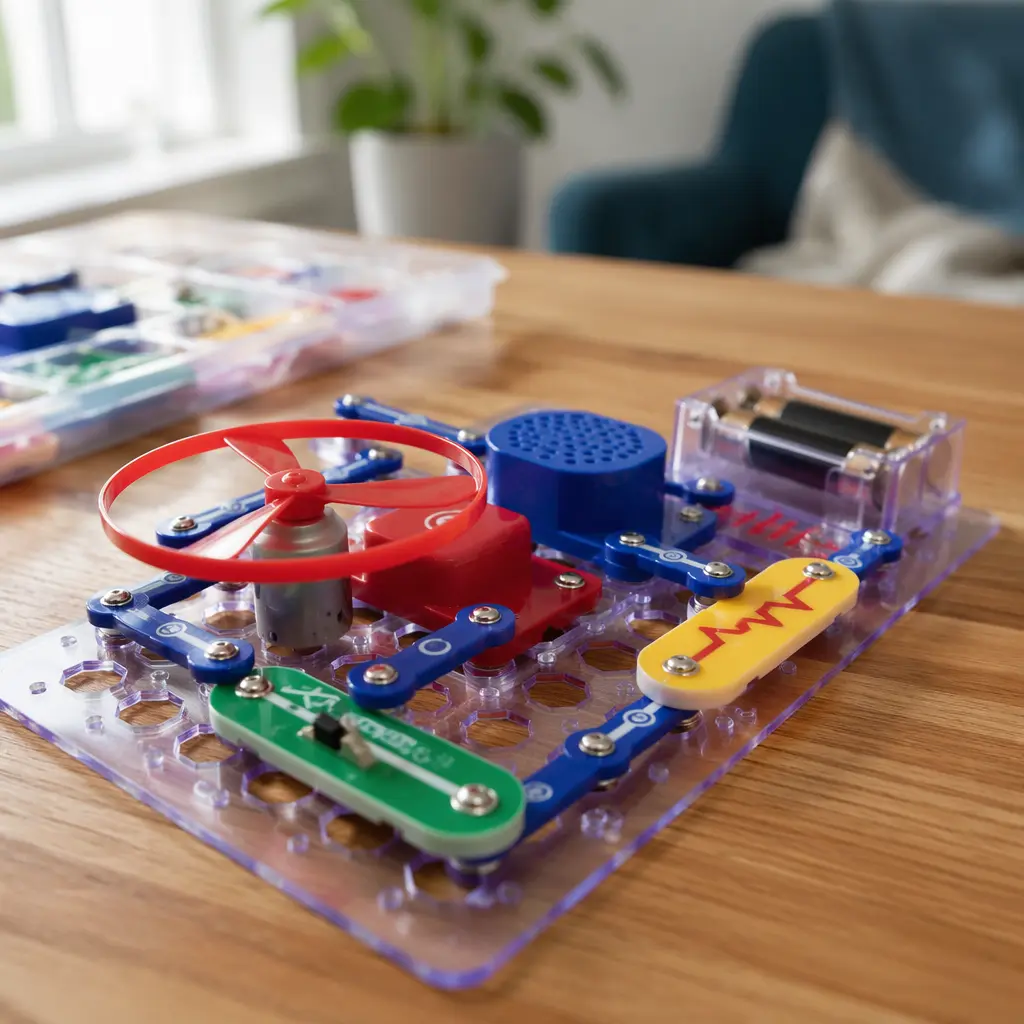
A parent-focused safety guide to electronic building sets for ages 6–8, covering parts size, power levels, supervision needs, and how non-app kits reduce risks while supporting learning.
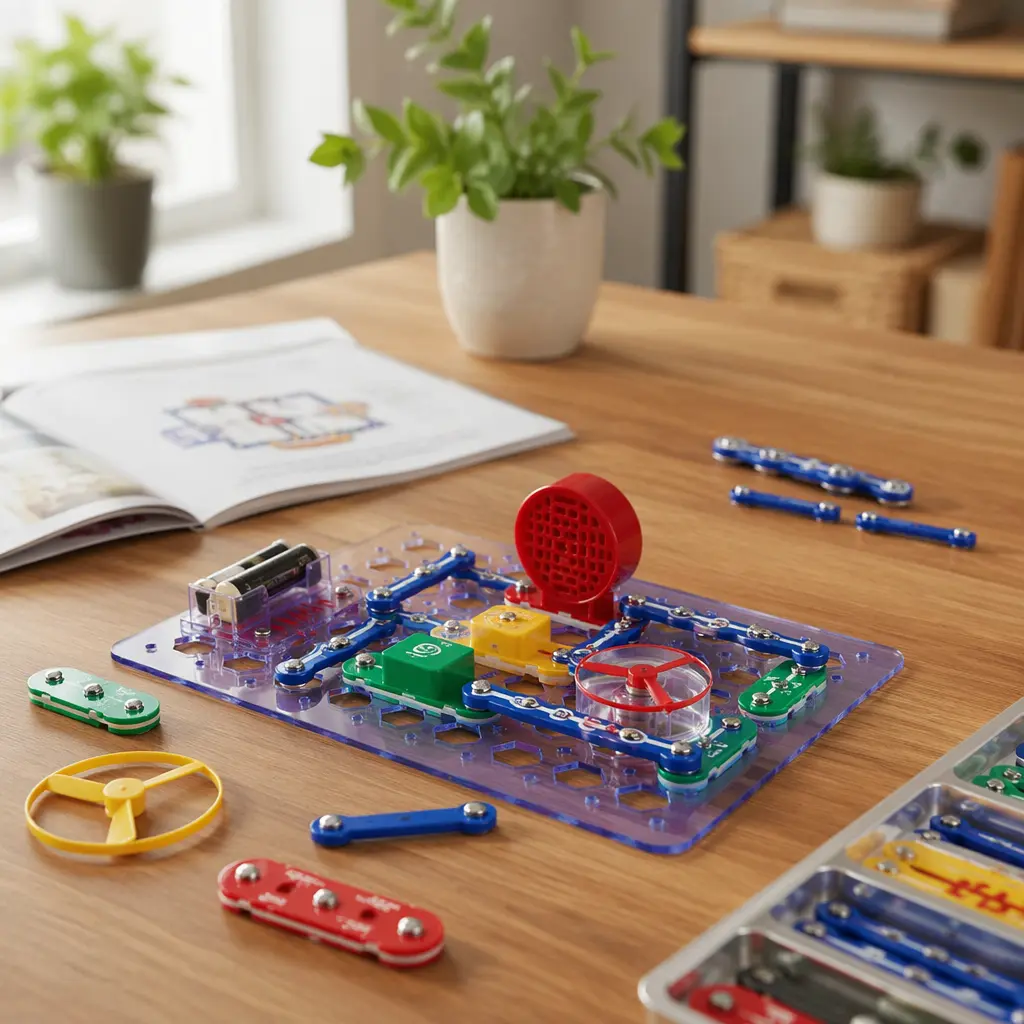
A parent-friendly guide to safety, supervision, and learning value in electronic building sets for ages 6–8. Learn what to look for, age fit, and common questions before buying.
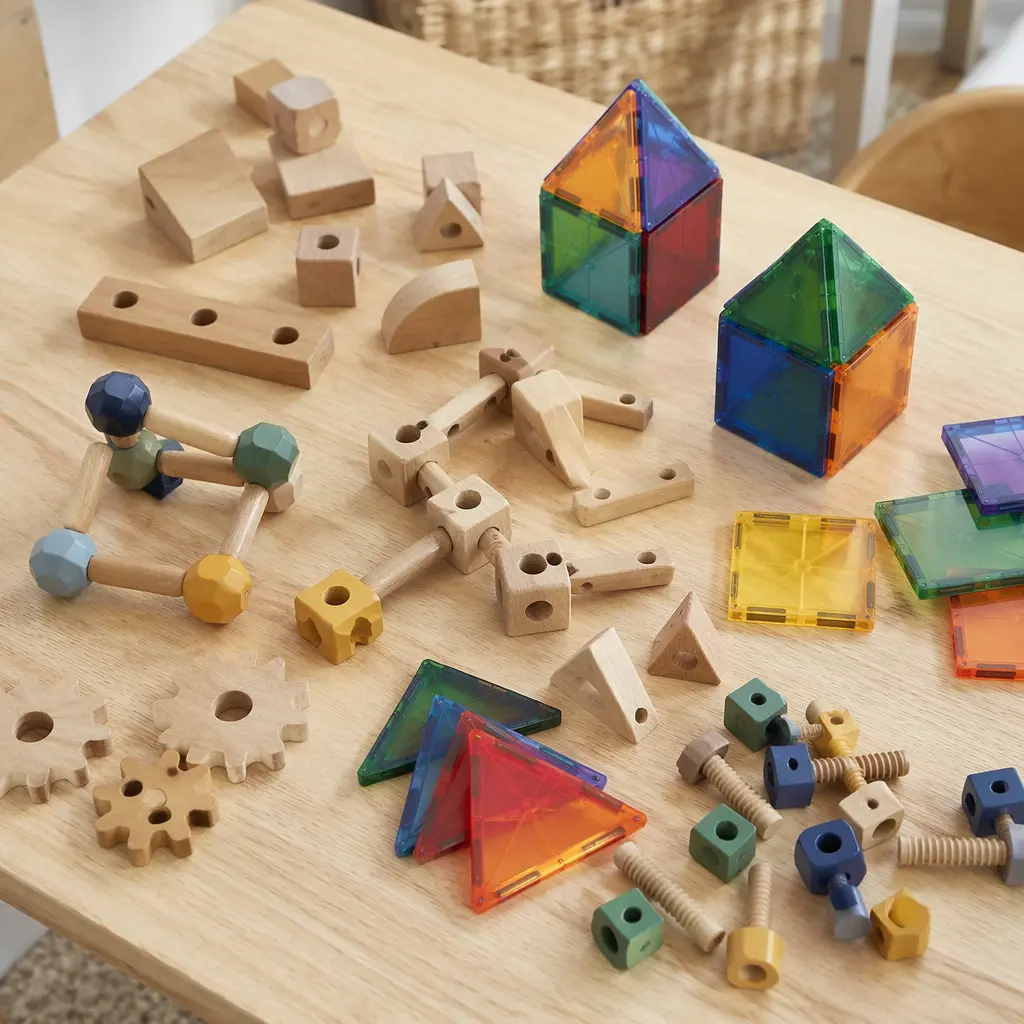
A parent-friendly guide to building toys for ages 6–8 that mix freely across sets. Learn what to look for, age fit, safety notes, and flexible categories that grow with your child.
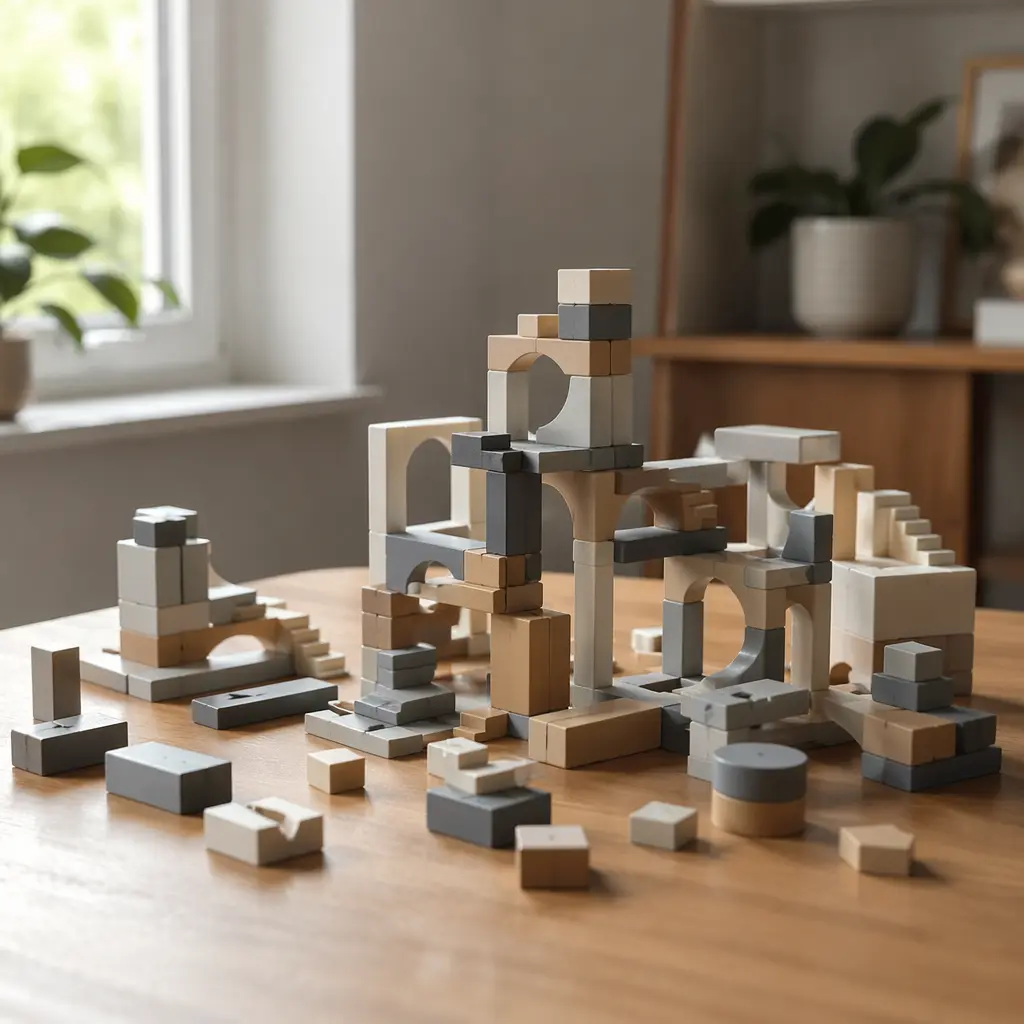
A parent-friendly guide to open-ended building toys that still feel cool to kids ages 9–12, with tips on features, age fit, and how to choose sets that grow with your child.
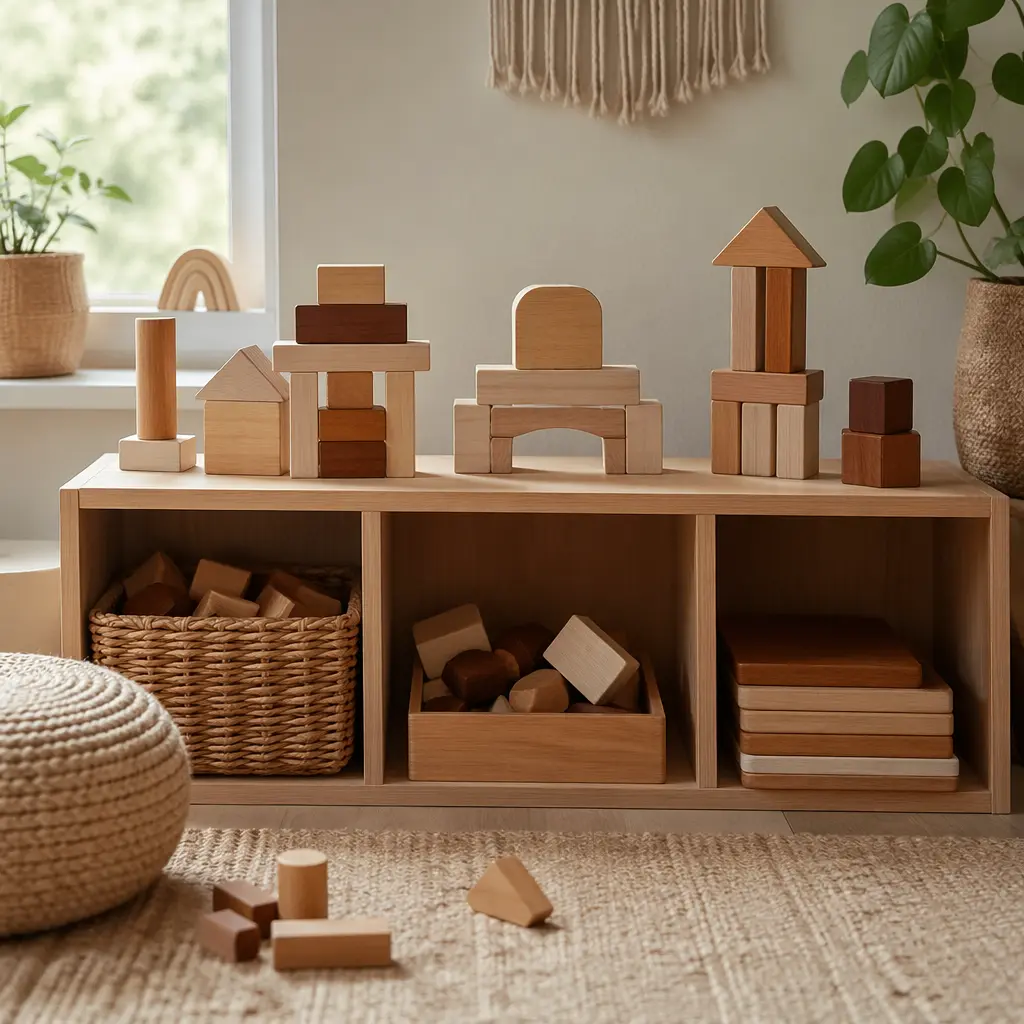
A parent-friendly guide to calm, focus-building construction toys for ages 3–5. Learn what to look for, age fit, and soothing toy types that support quiet play without chaos.
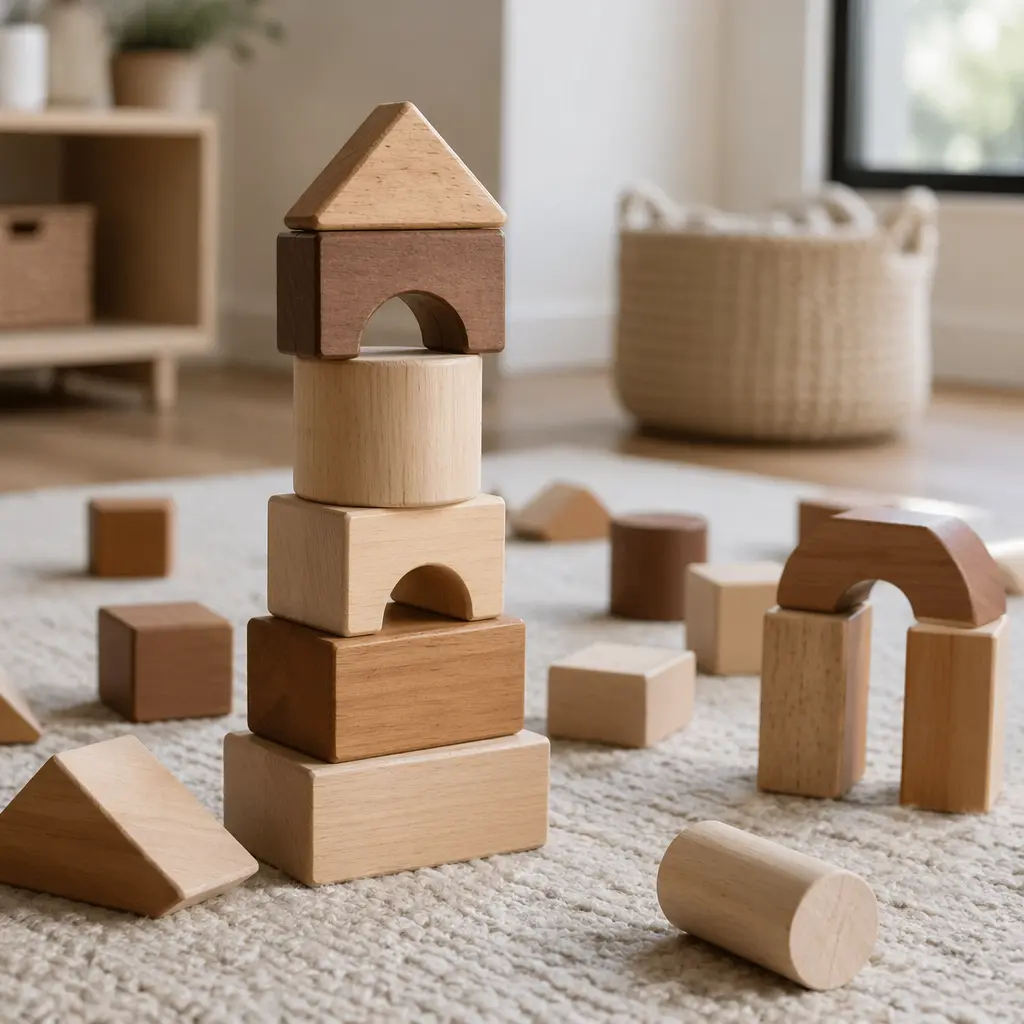
A parent-friendly guide to durable, open-ended building toys for ages 1–2. Learn what lasts through daily knockdowns, how to choose safe materials, and which toy types support early skills.
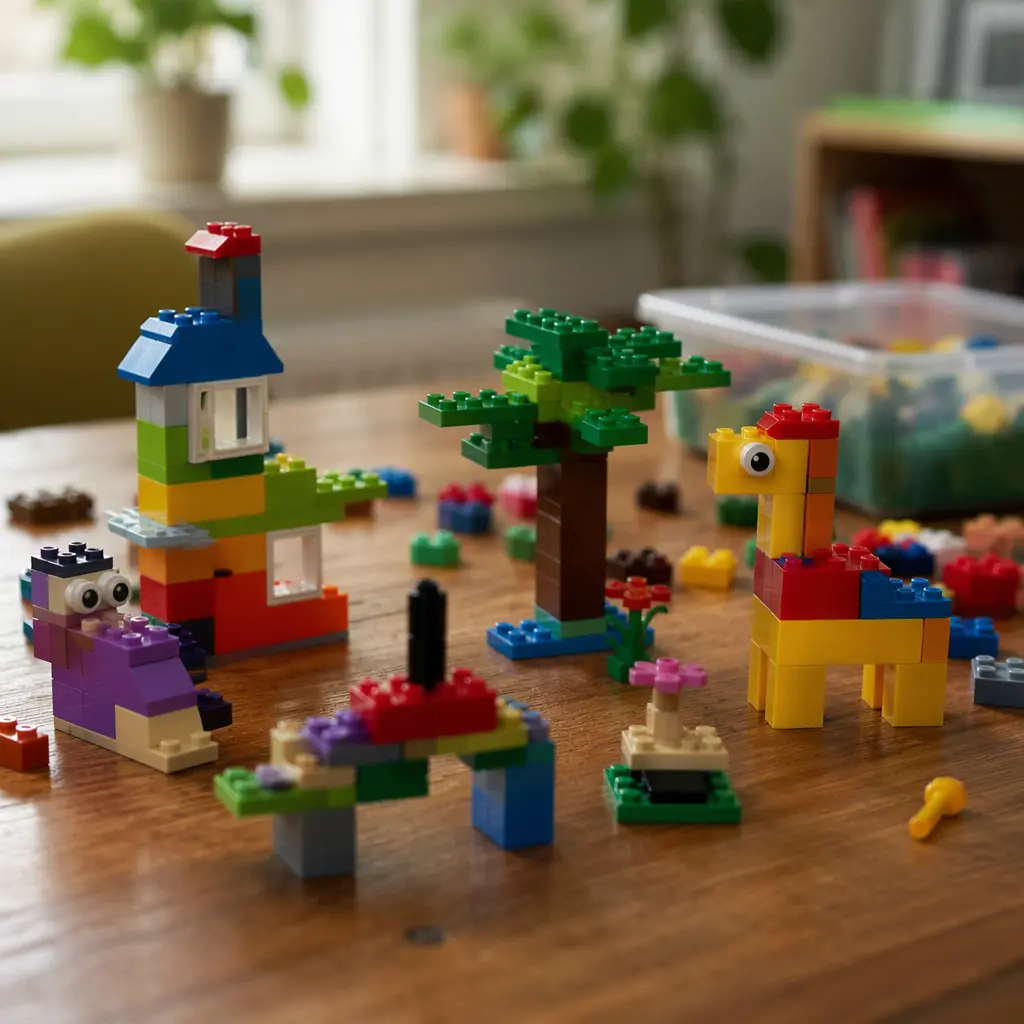
A parent-friendly guide to open-ended building toys for ages 6–8 that reward creativity, experimentation, and problem-solving—without step-by-step instructions.
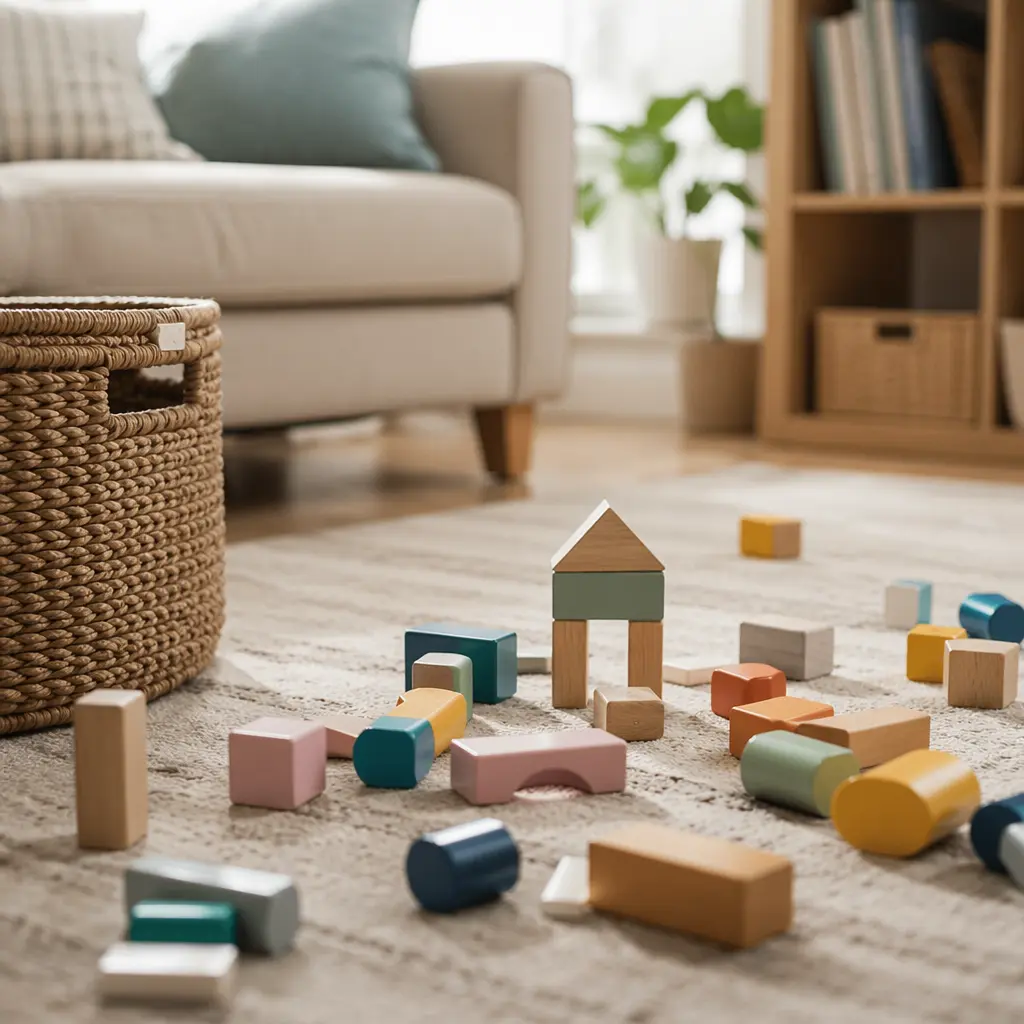
A parent-friendly guide to chunky, durable building toys for ages 1–2 that work without batteries, focusing on safe materials, easy stacking, and knock-down fun.
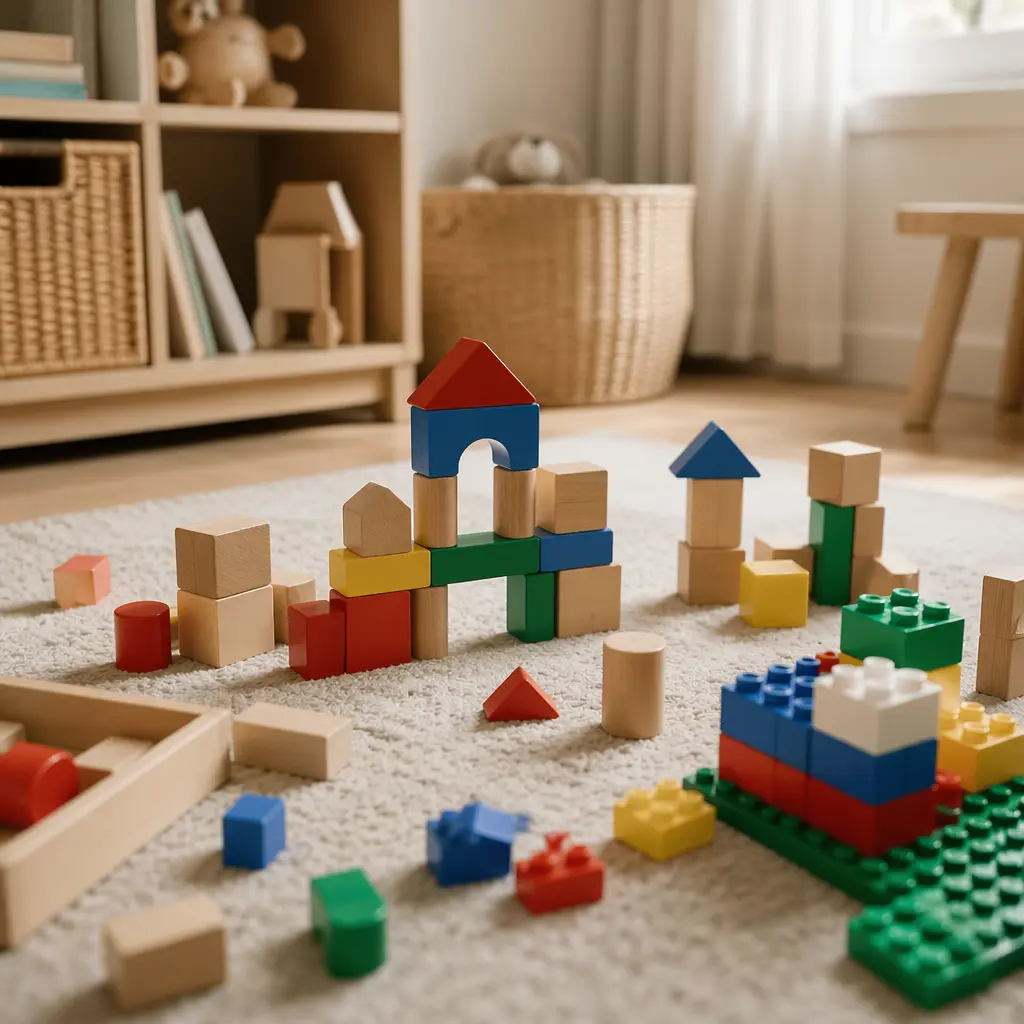
A parent-friendly guide comparing affordable, open-ended building toys with trendy kits for ages 6–8. Learn what lasts longer, builds skills, and stretches play without stretching budgets.
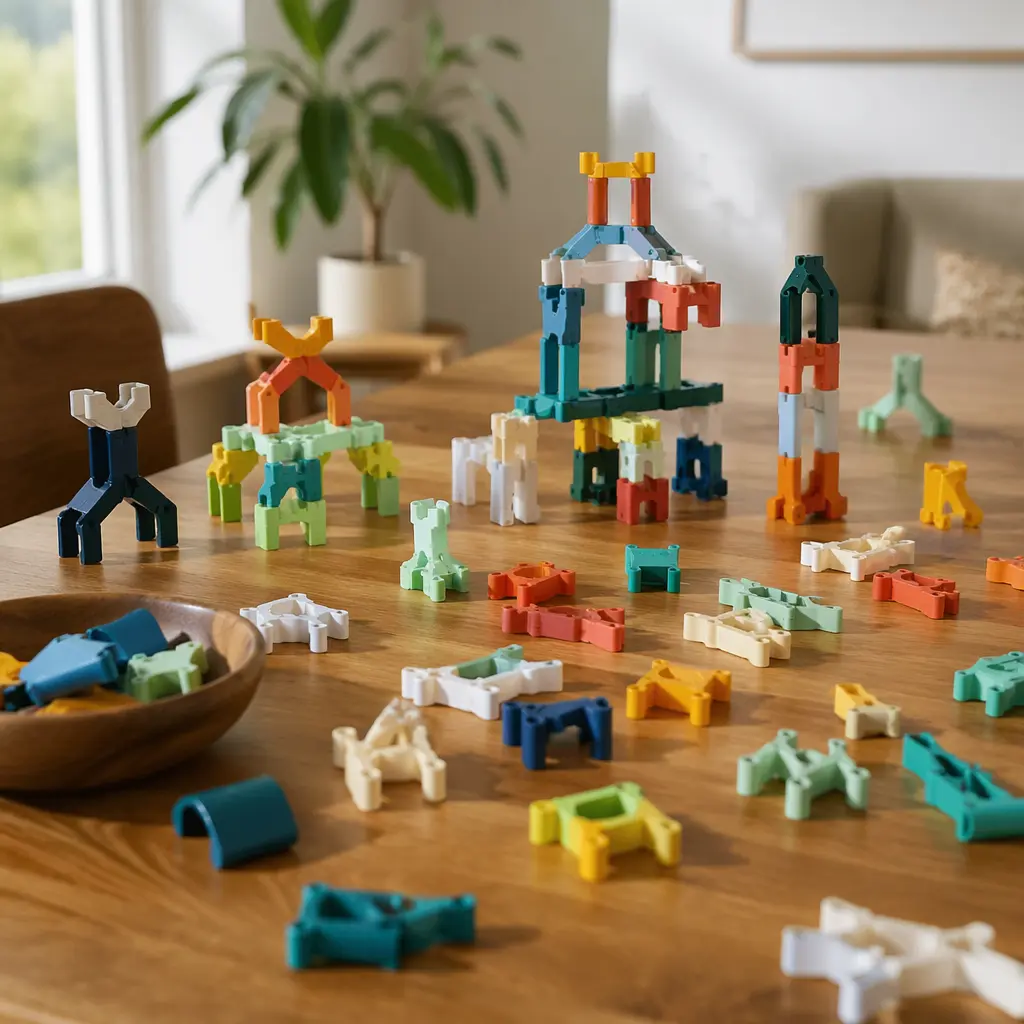
A parent-focused guide to open-ended building toys for ages 6–8 that spark creativity without instructions or screens. Learn what to look for, age fit, safety tips, and common questions.
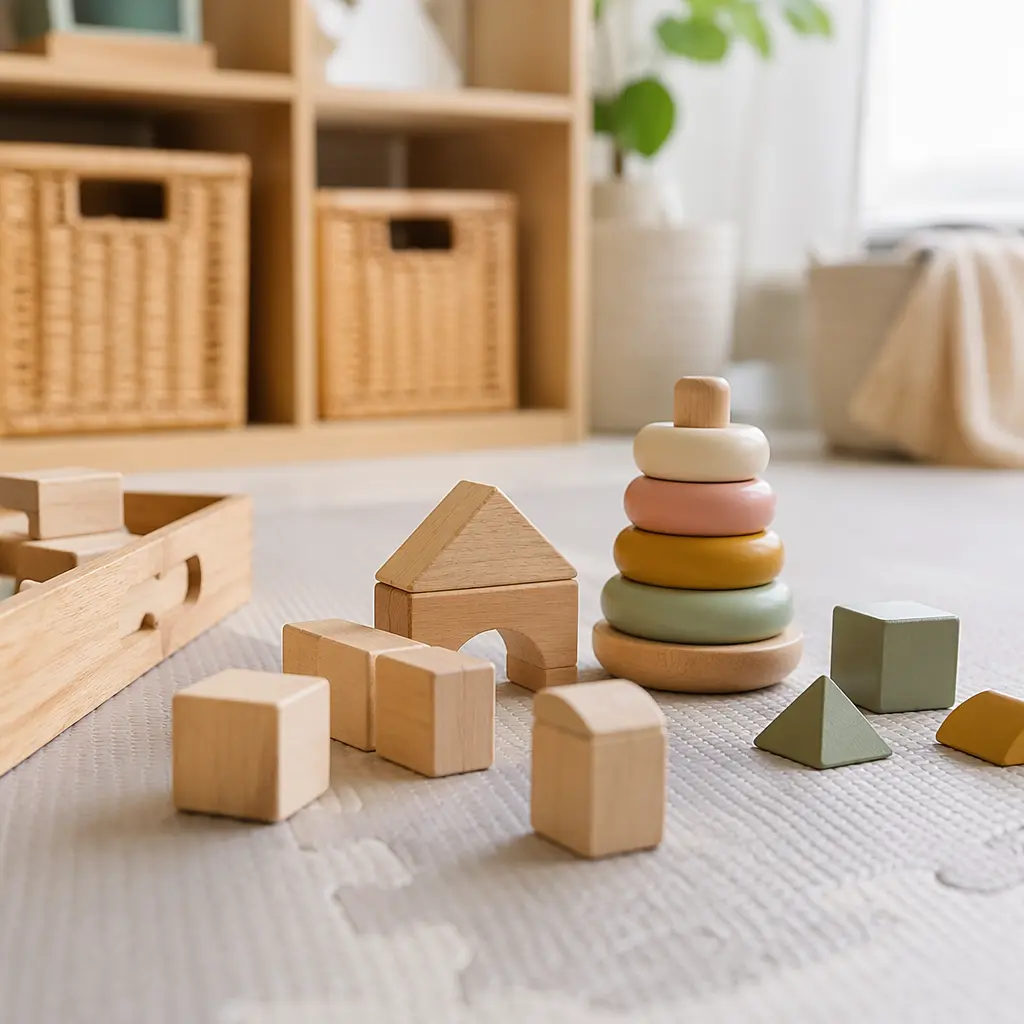
A parent-focused guide to no-battery building toys that grow with babies from about 9 months to age 2. Learn what to look for, age fit, safety tips, and the main types of blocks and stackers.
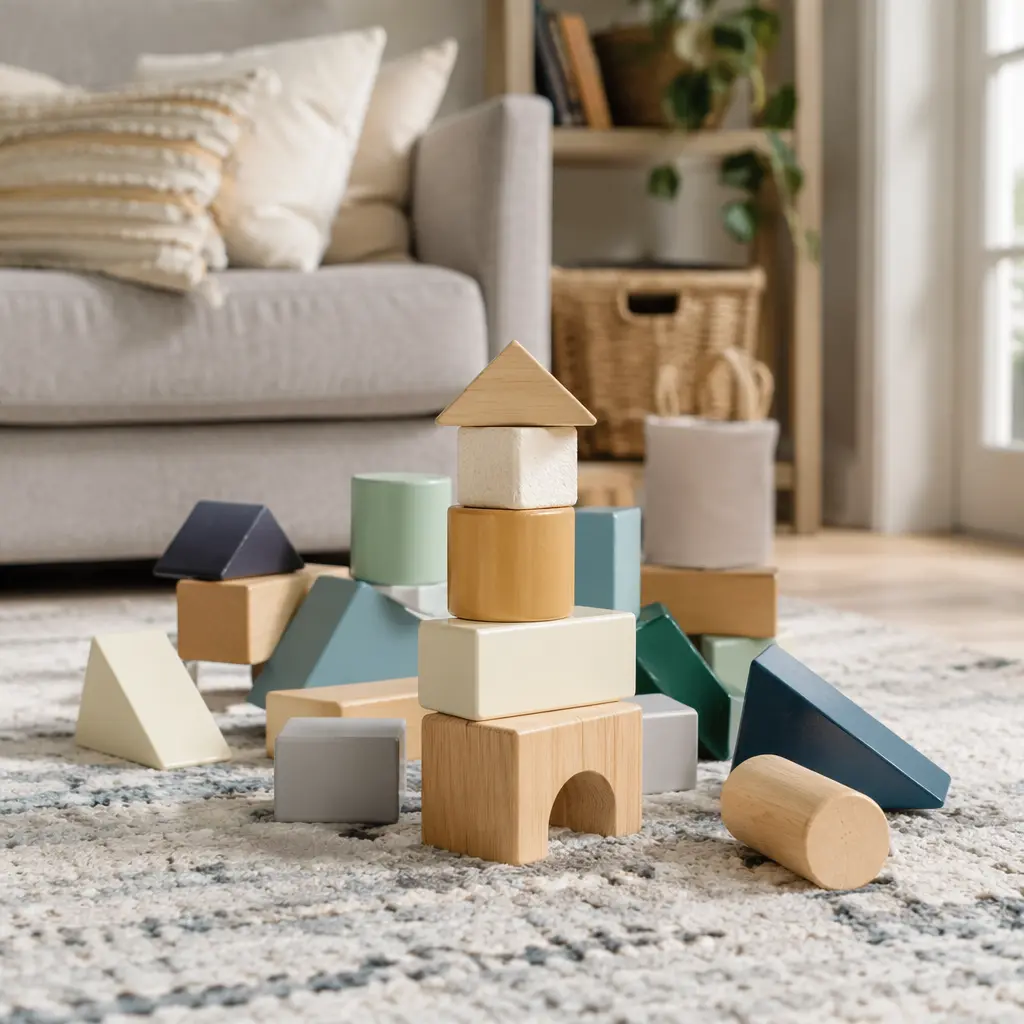
A parent-friendly guide to sturdy, no-battery building toys for 1–2 year olds who enjoy stacking, toppling, and rebuilding without frustration.
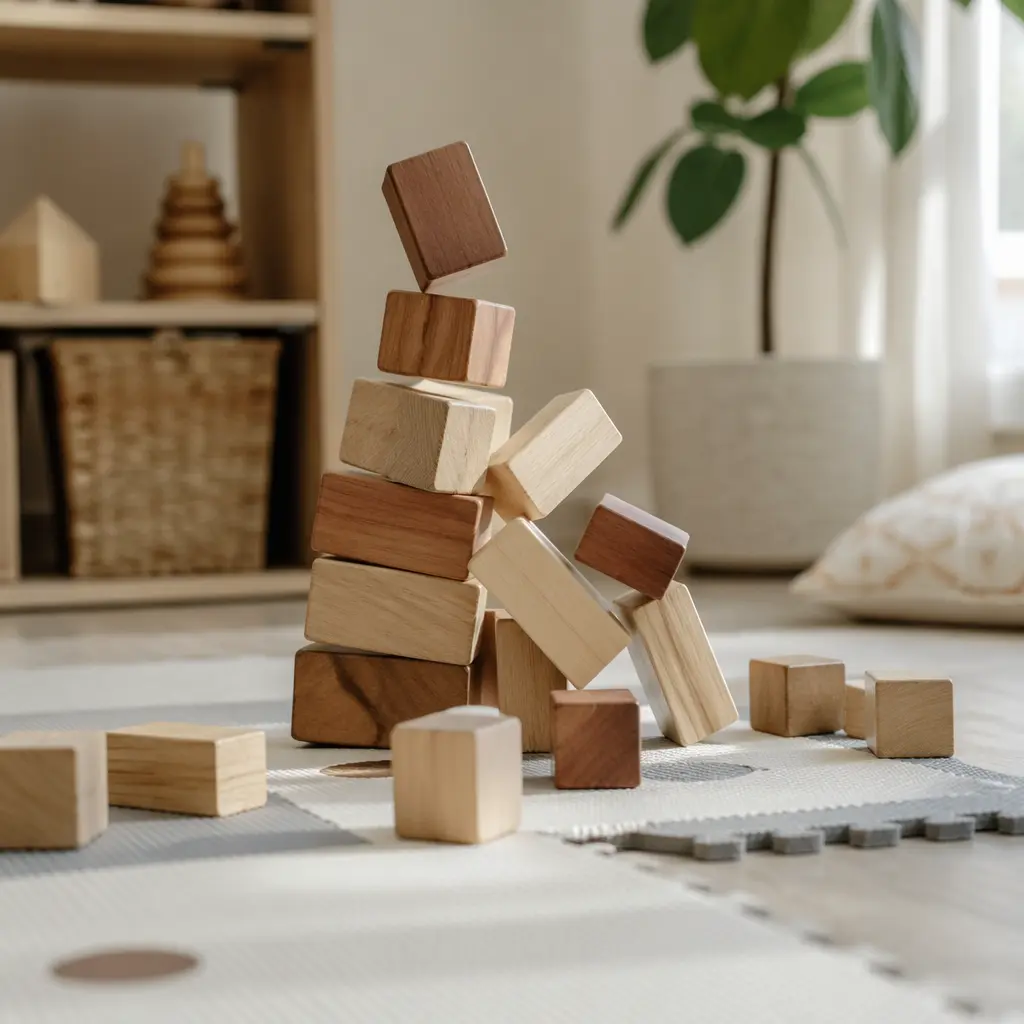
A parent-friendly guide to sturdy, open-ended building toys for ages 1–2 that welcome crash-and-build play, support motor skills, and stand up to repeated toppling.
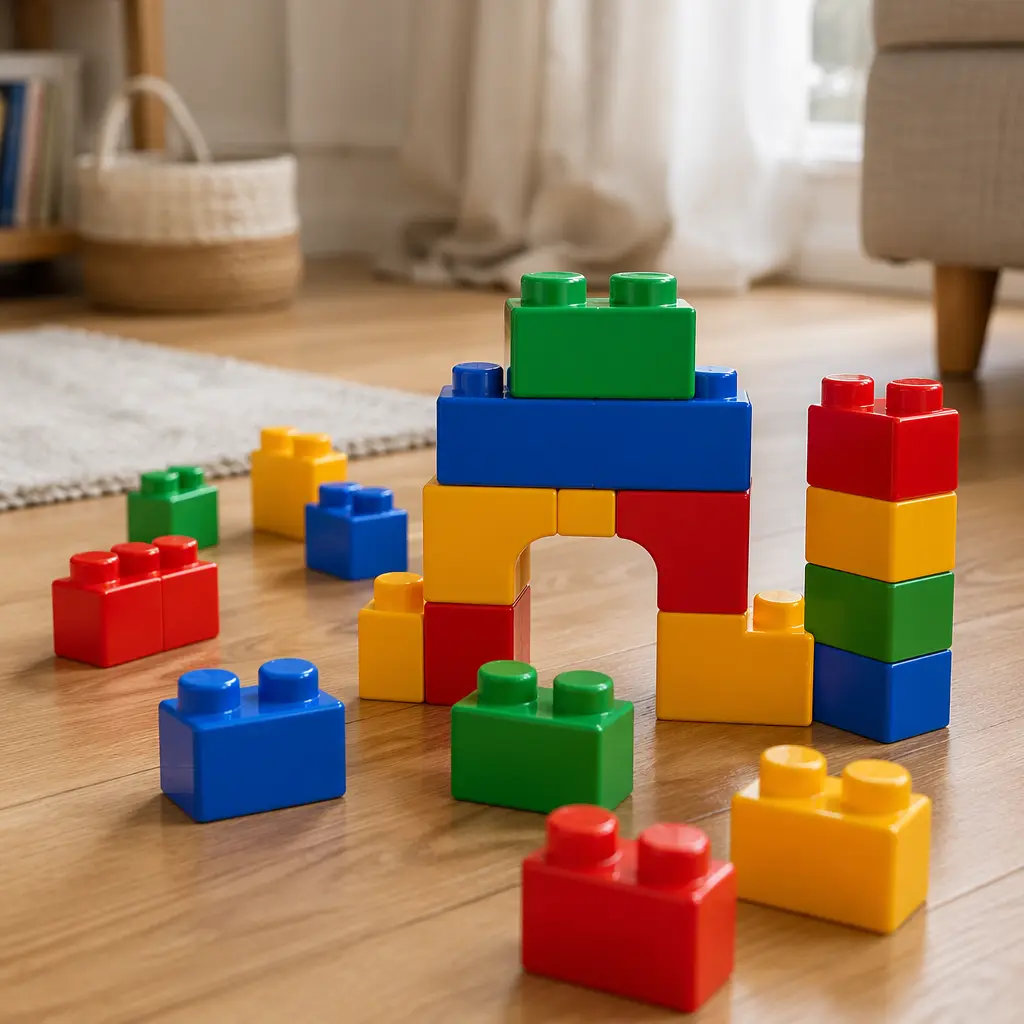
A parent-focused guide to affordable building toys for ages 1–2. Learn what materials, features, and styles hold up to rough play without overspending.
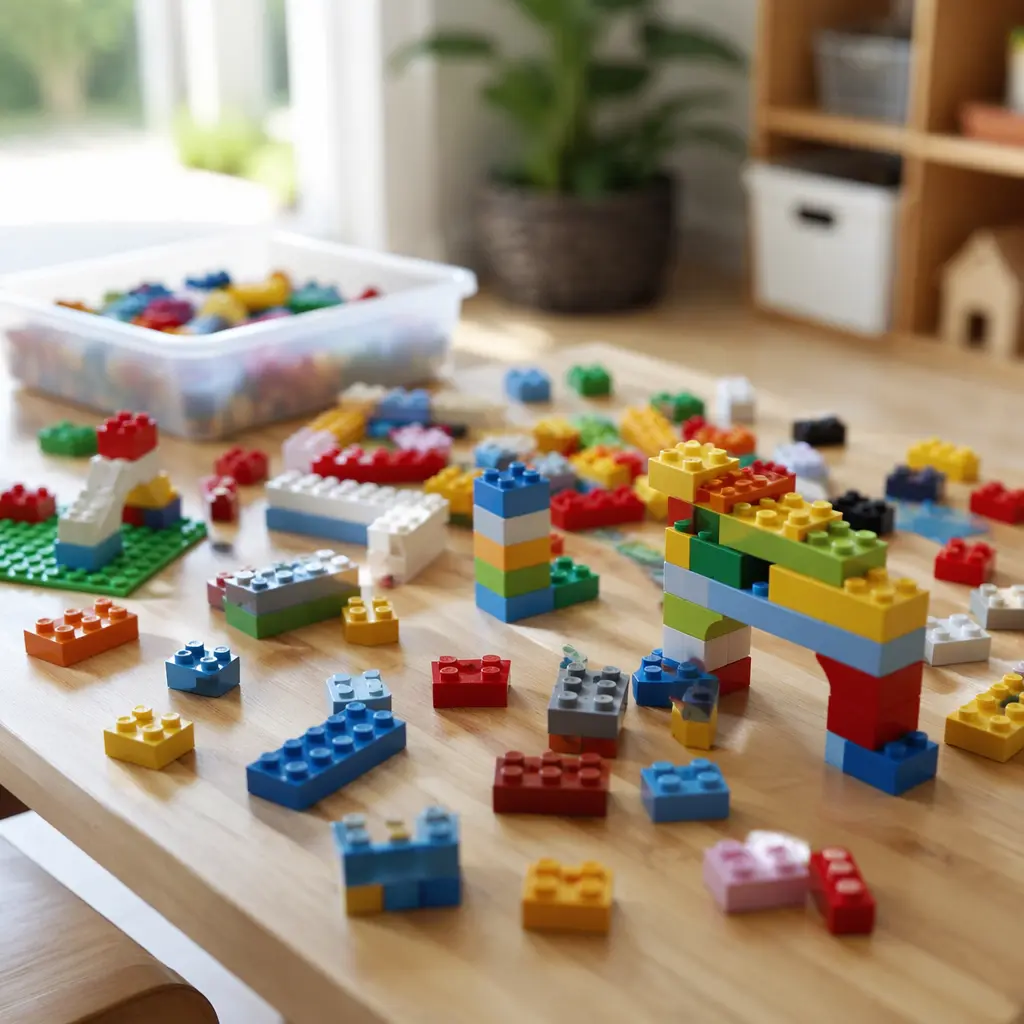
Budget-friendly building sets for ages 6–8 that fit well, hold together, and encourage creativity—without the premium price. Learn what to look for, age fit, and common questions.
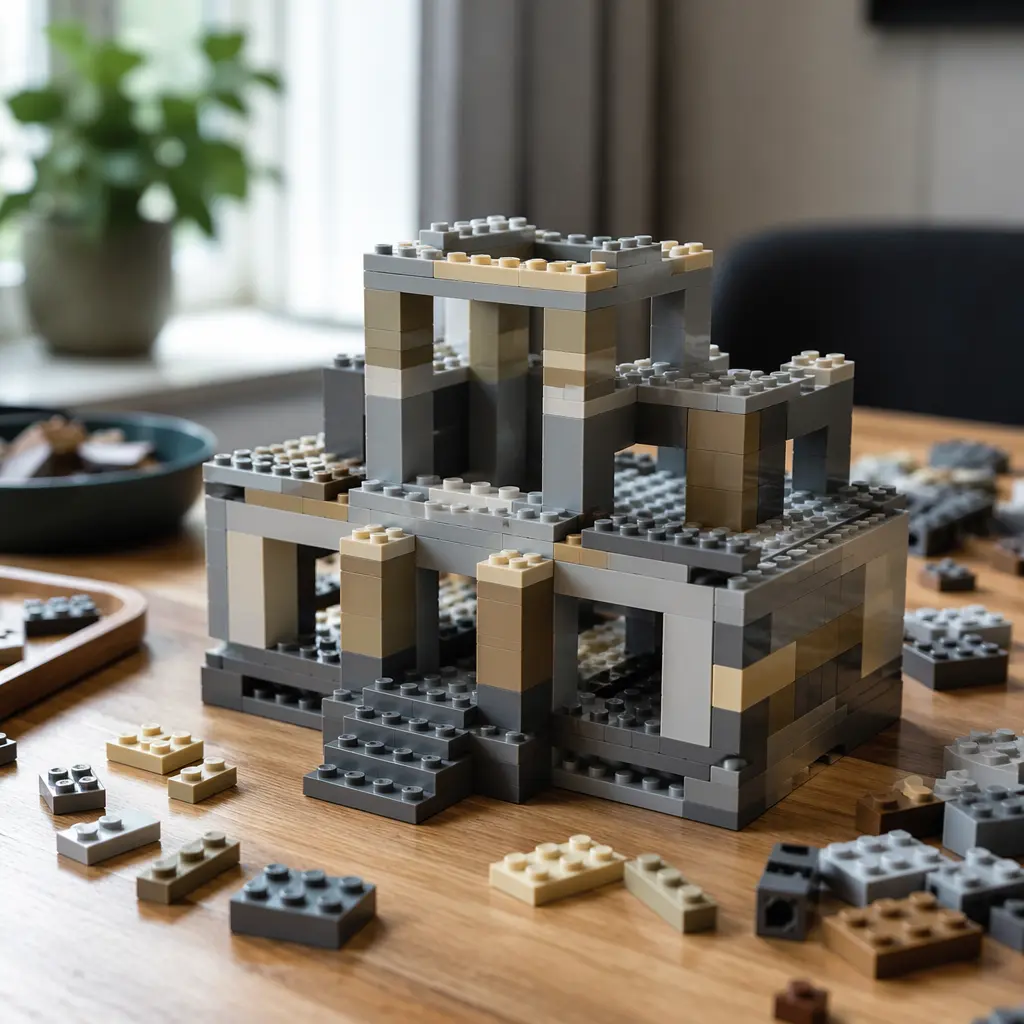
A parent-focused guide to sturdy building toys for ages 6–8, highlighting materials, connections, and play styles that hold up to active, hands-on building and rebuilding.
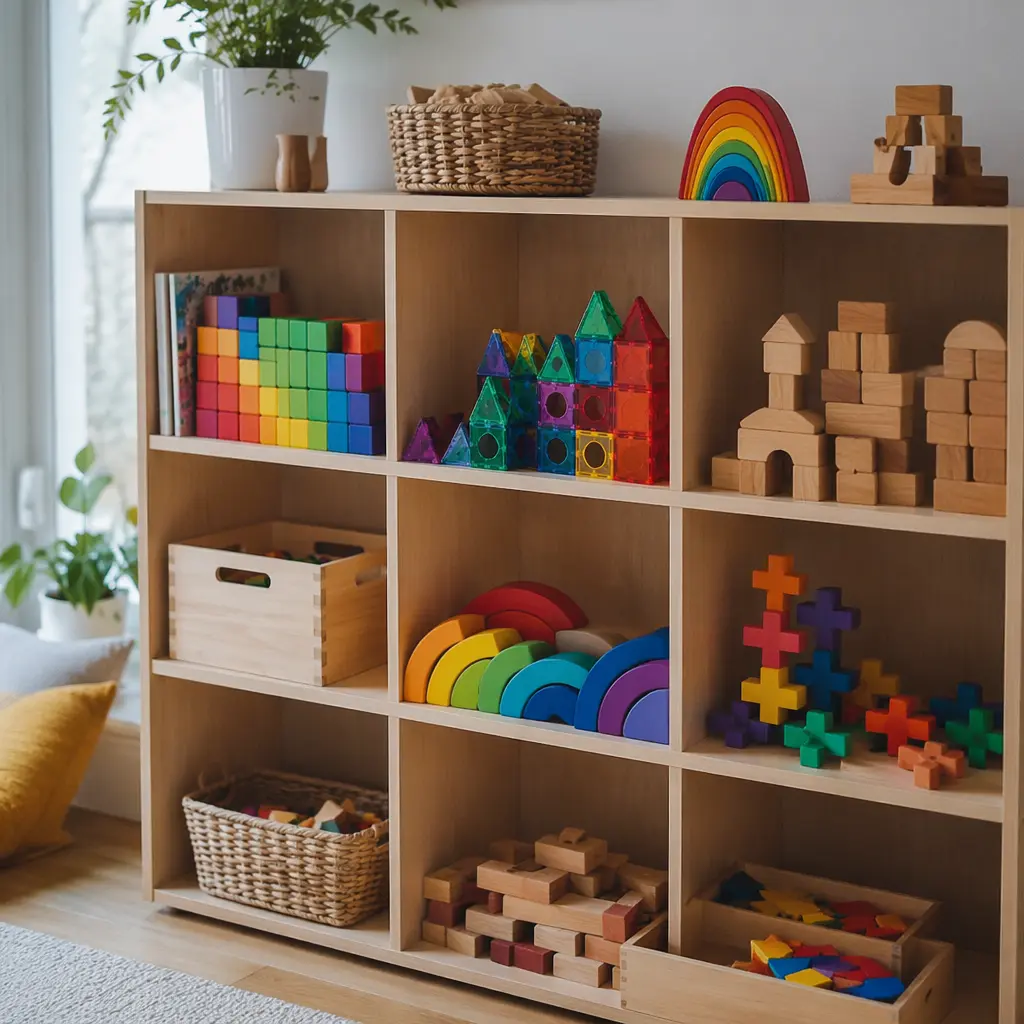
A parent-focused guide to open-ended building toys for ages 6–8 that skip step-by-step manuals and encourage creativity, problem-solving, and long-lasting play.
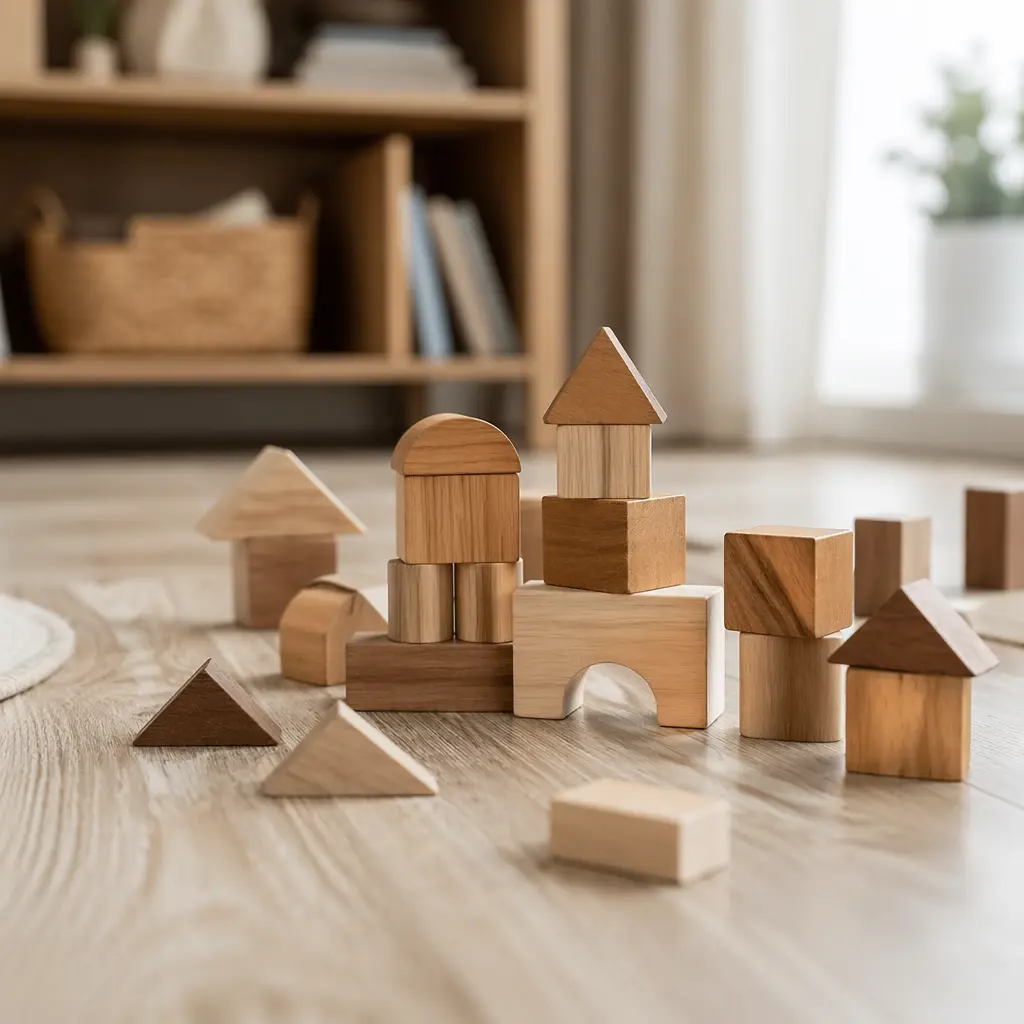
A parent-friendly guide to wooden building toys with no batteries—what to look for, age fit, and types that stay useful from early play through the toddler years.
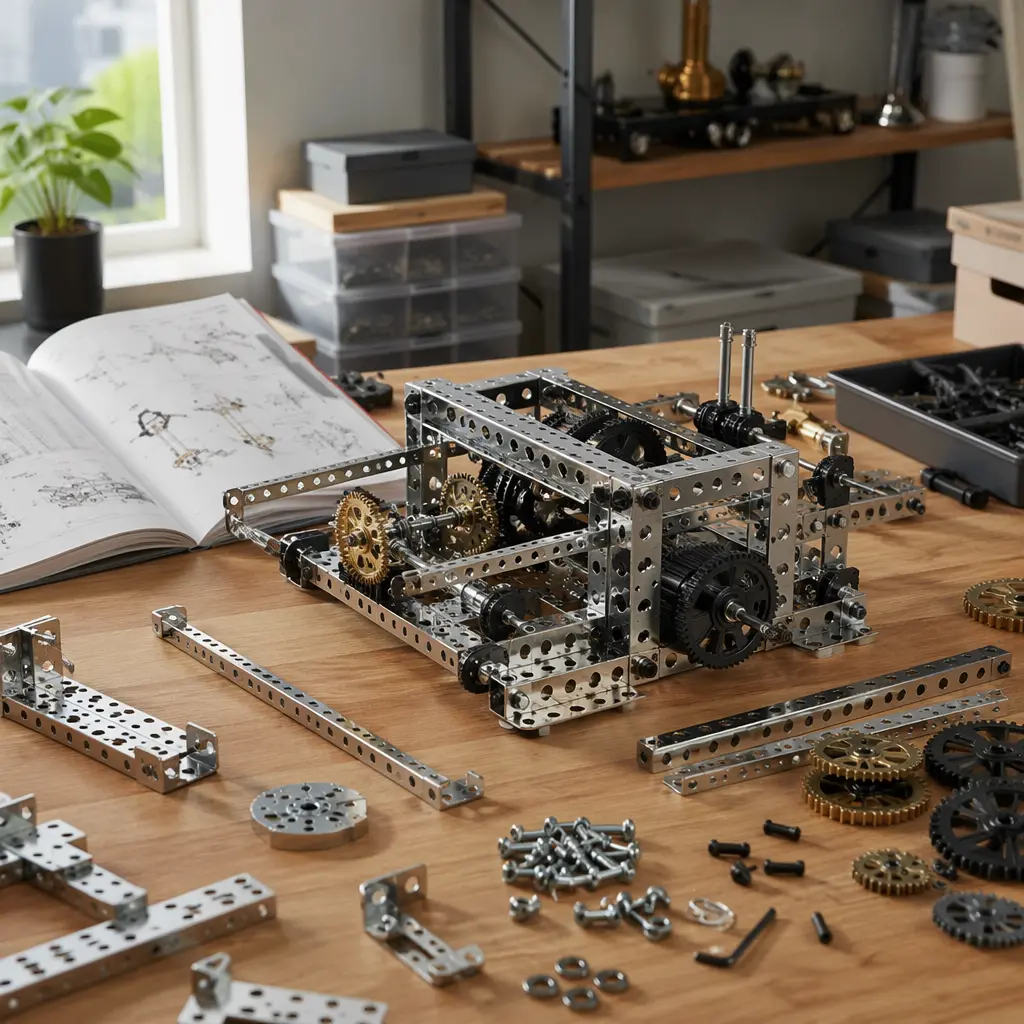
A parent-friendly guide to advanced building toys for teens that teach real engineering skills—problem-solving, mechanics, and design—through hands-on projects without screens.
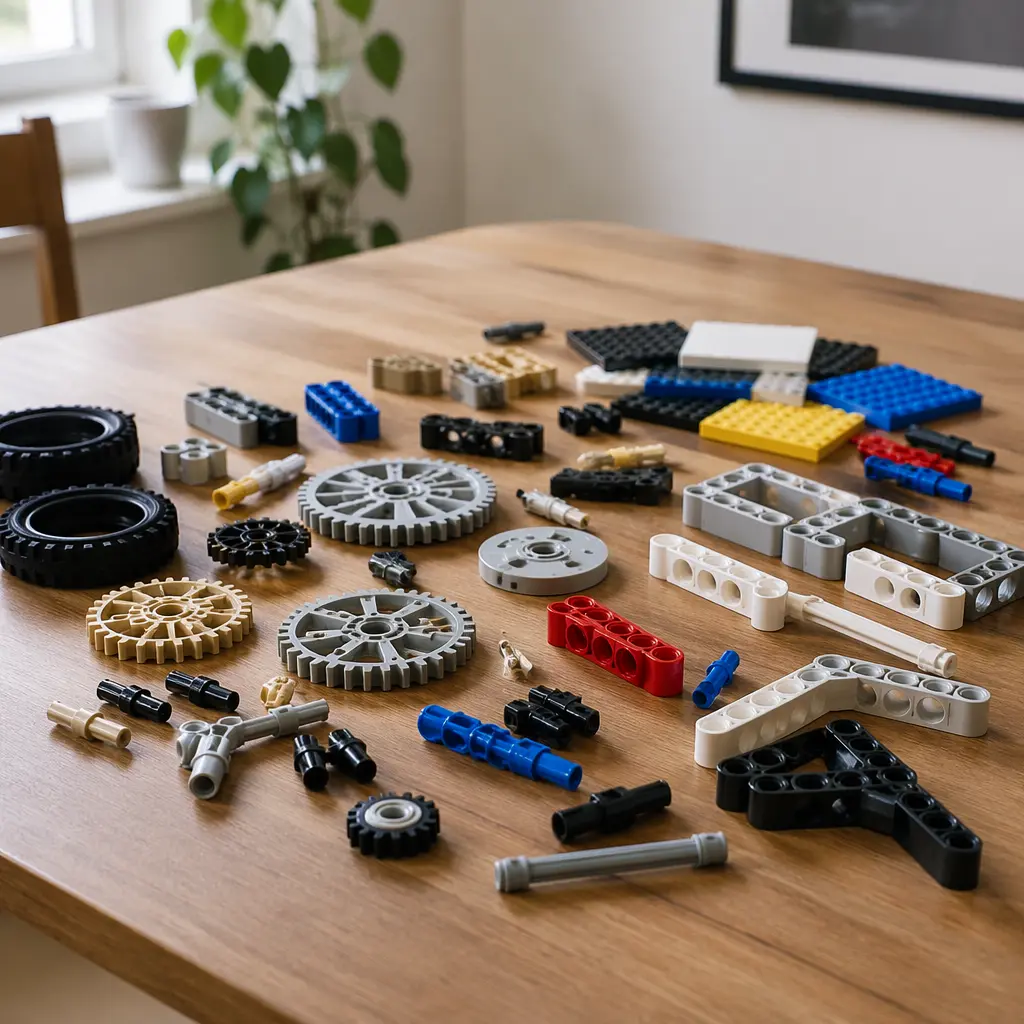
A parent-friendly guide to screen-free, open-ended building toys for ages 9–12. Learn what to look for, age fit, and standout types that keep kids challenged as their skills grow.
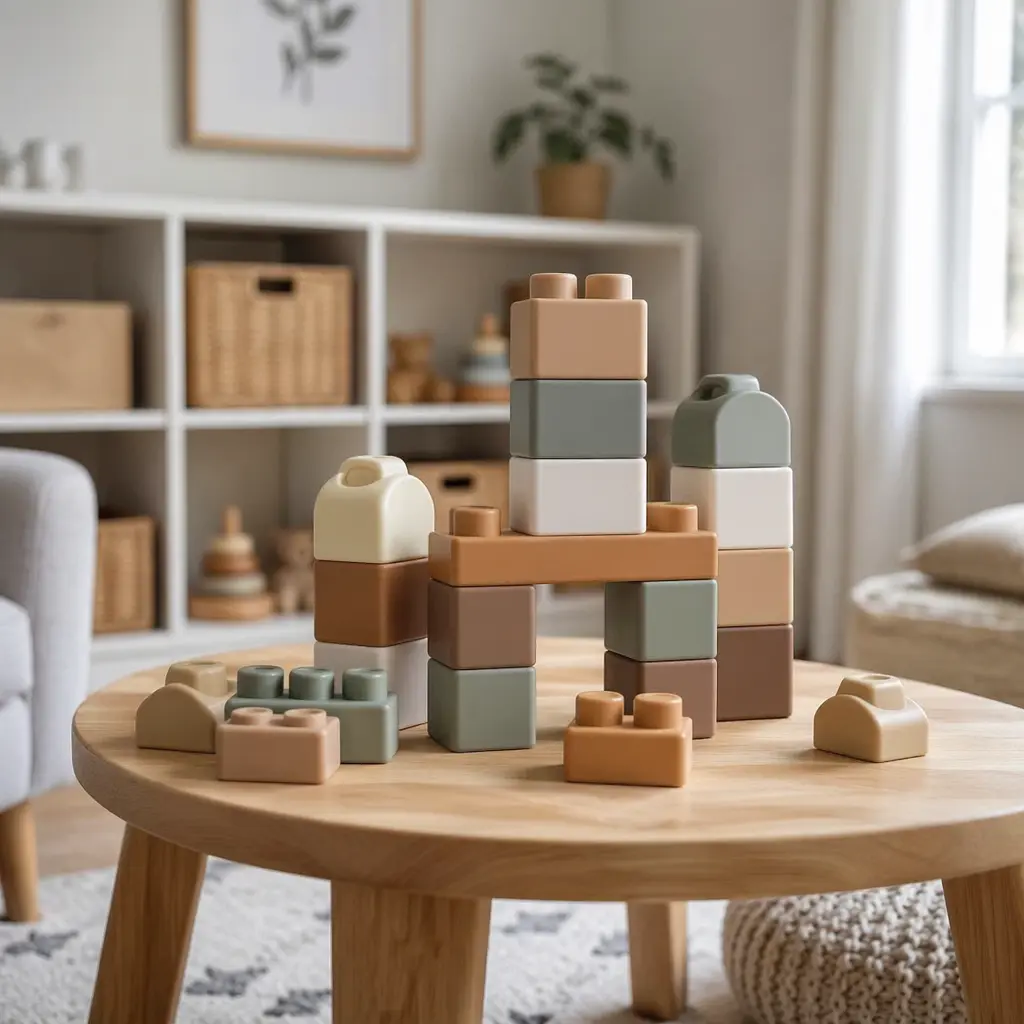
A parent-focused guide to open-ended building sets for ages 1–2. Learn what to look for in chunky, safe builders that encourage creativity, fine motor skills, and free play—no instructions required.
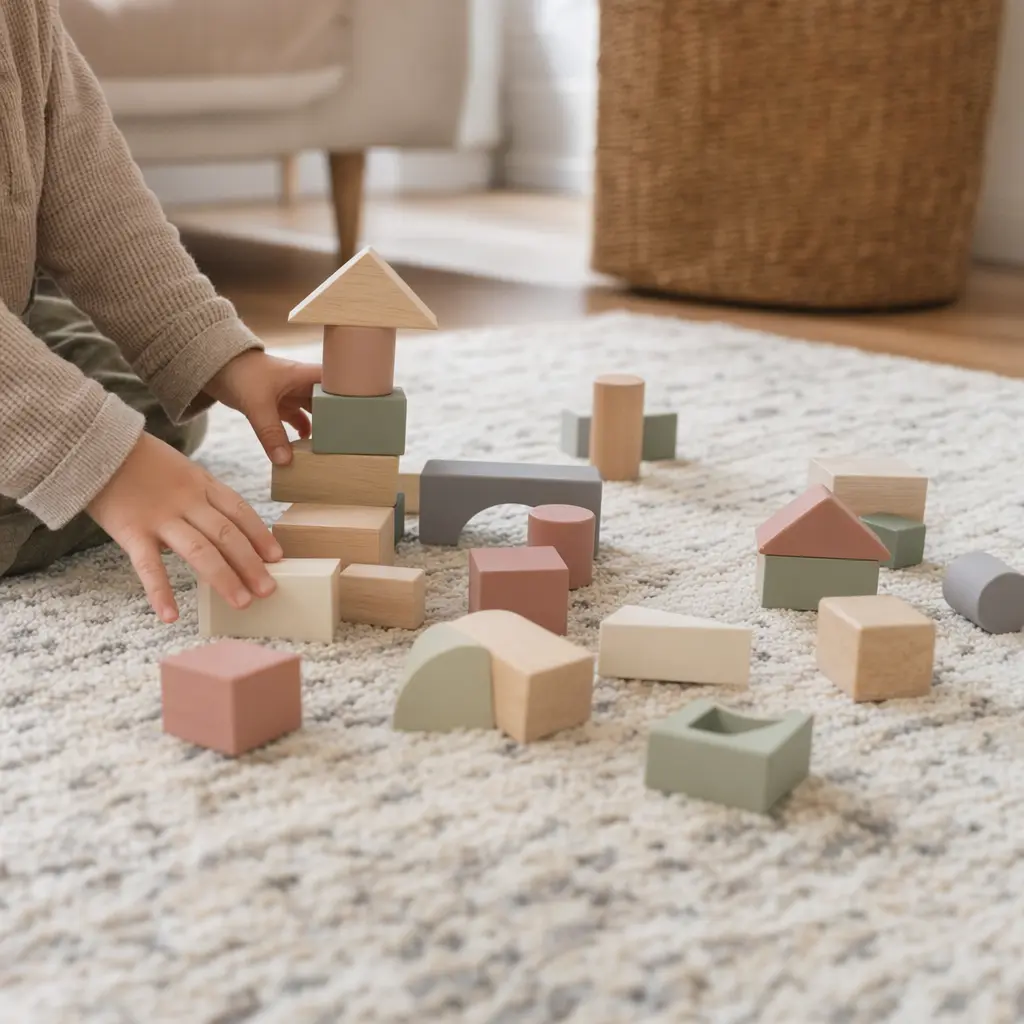
A parent-focused guide to chunky, screen-free building toys for ages 1–2, with tips on safety, age fit, and features that support early motor skills and open-ended play.

A parent-friendly guide to building and construction toys that support early speech skills in 1–2 year olds, based on features speech therapists often recommend for early talkers.
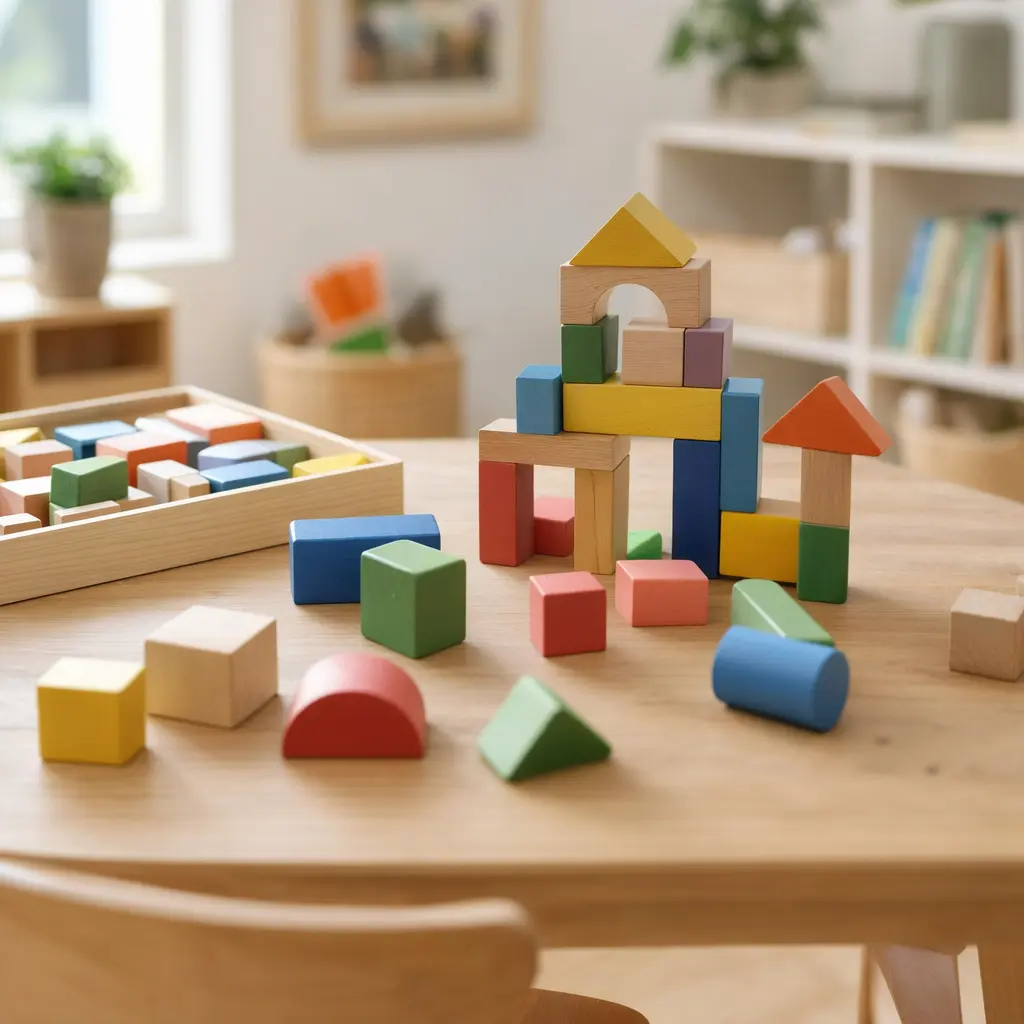
A parent-focused guide to lesser-known building toys for ages 6–8 that encourage creativity, problem-solving, and open-ended play—without relying on one famous brick system.