Cheap Craft Kits That Don’t Feel Disposable
A buyer’s guide to affordable craft kits for ages 6–8 that last beyond one afternoon. Learn what to look for, age fit, safety tips, and which low-cost kit types parents tend to reuse.
Compare prices and availability
Check current prices and availability for this guide on eBay.
As an eBay Partner, we may be compensated if you make a purchase.
Low-cost craft kits are tempting, especially for kids ages 6–8 who enjoy making things but can move on quickly. The challenge for parents is finding options that don’t feel like single-use clutter. The good news: some budget-friendly kits are designed with reusable tools, open-ended materials, and projects that encourage repeat play. This guide focuses on what makes an inexpensive craft kit worth buying again, not just finishing once.
What to look for
Price alone doesn’t determine whether a craft kit will last. Some very inexpensive sets hold up well because of smart material choices and flexible project ideas. When comparing options, focus less on the number of projects listed on the box and more on what remains after the first round of crafting.
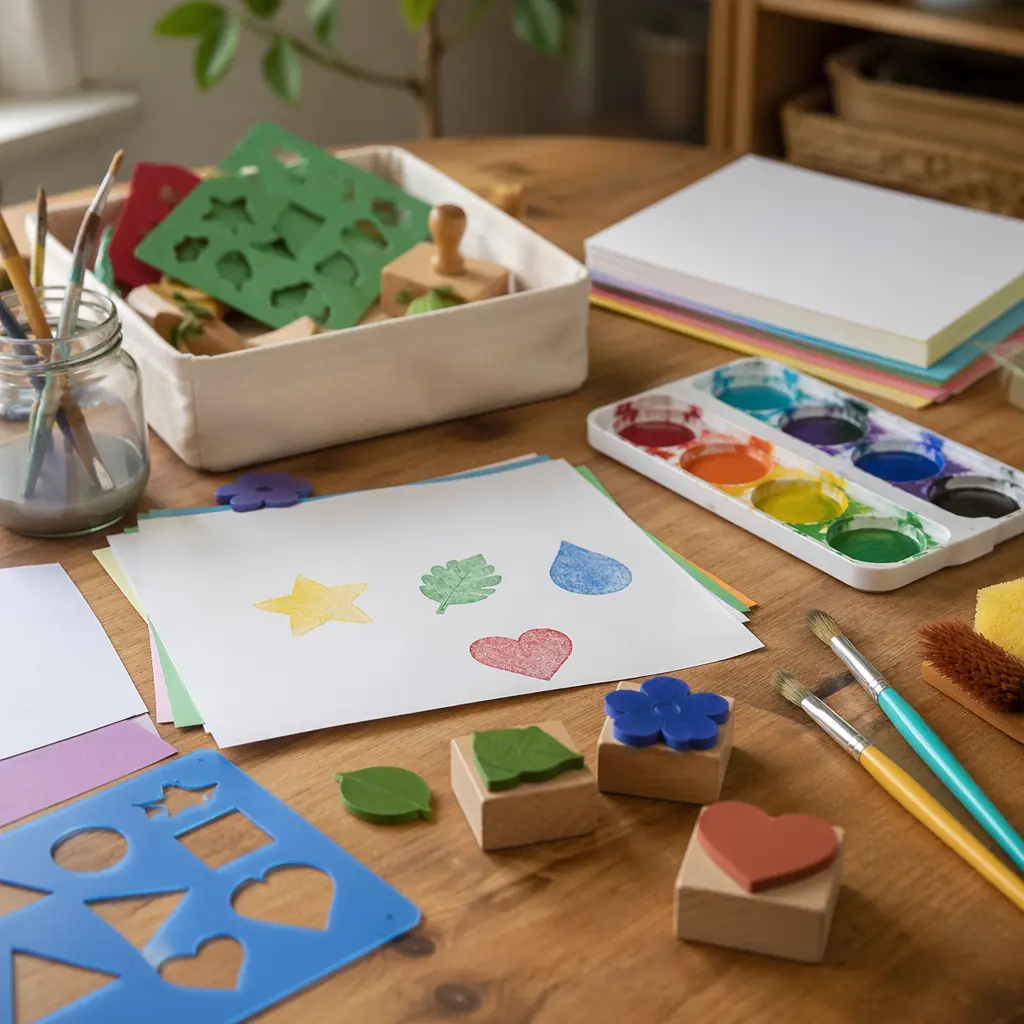
- Reusable components, such as stencils, stamps, molds, or tools that can be used with other supplies
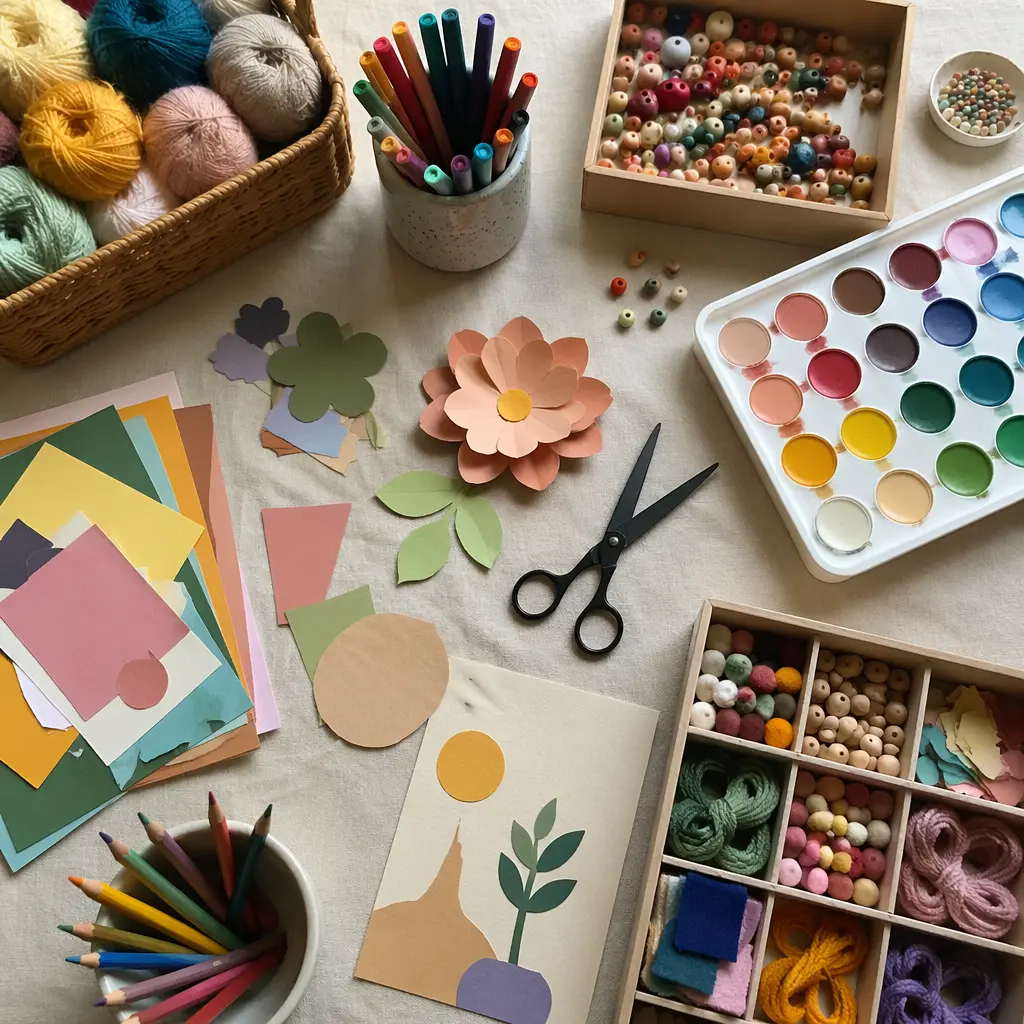
- Open-ended materials like beads, paper, clay, or yarn rather than pre-cut, one-purpose pieces
- Sturdy packaging or containers that double as storage
- Instructions that suggest variations or creative extensions
- Washable or easy-to-clean materials suitable for home use
Age suitability
For children ages 6–8, the sweet spot is kits that offer guidance without doing all the thinking for them. At this age, kids usually have enough fine-motor control to handle scissors, small brushes, and basic assembly, but they still benefit from clear visual instructions. Kits that are too simple can feel babyish, while overly complex sets may require constant adult intervention. Look for projects that can be completed in stages and revisited later, which helps spread out playtime over days or weeks.
Standout categories or types
Certain types of craft kits tend to offer better value at lower price points. These categories focus more on process than on a single finished item, which makes them easier to reuse or adapt with household supplies.
- Drawing and coloring sets with quality paper and durable tools
- Bead and jewelry kits that include a mix of shapes and reusable stringing materials
- Clay or dough kits that can be reshaped multiple times or replenished with refills
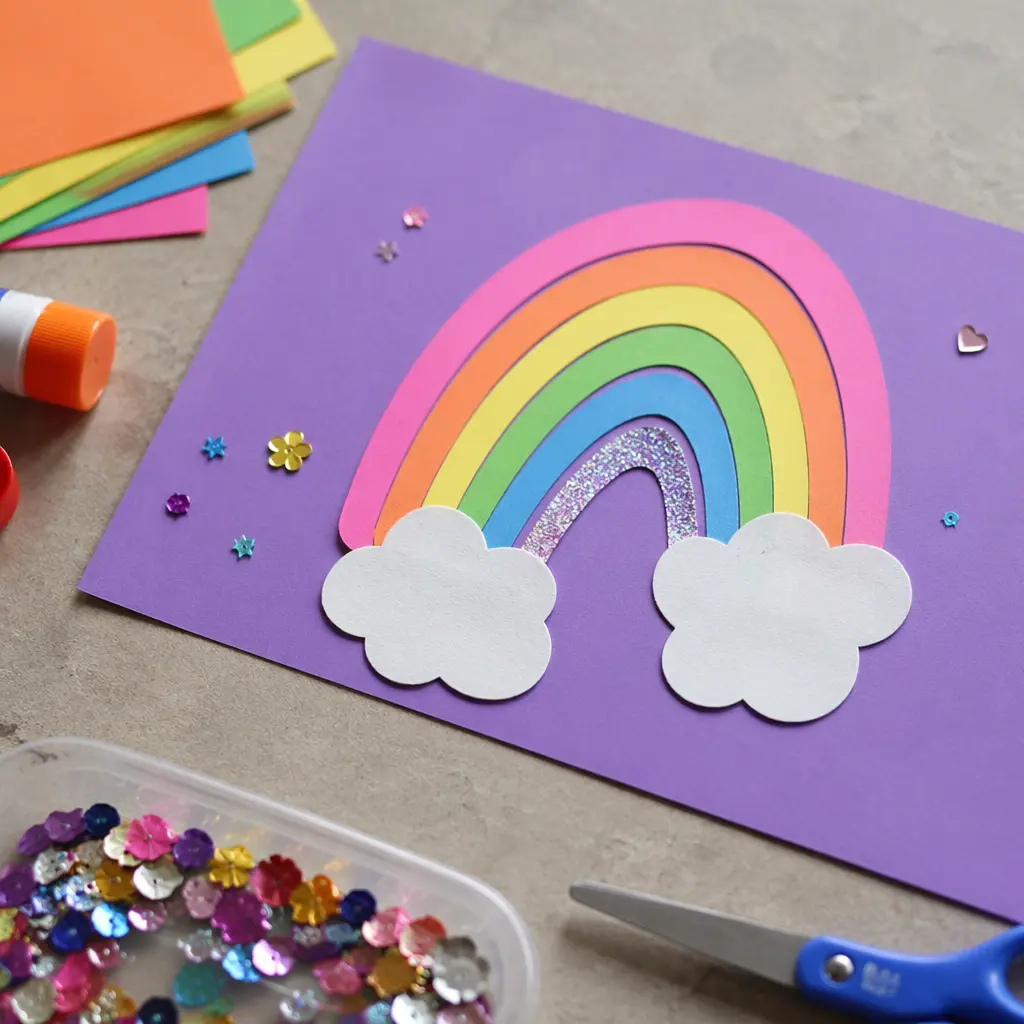
- Paper craft kits that rely on folding, layering, and decorating rather than pre-glued parts
- Stamping or printmaking kits with washable inks and long-lasting stamps
These kit types often blend well with supplies you may already have at home, extending their usefulness without extra cost. A kit that encourages kids to invent their own designs usually feels less disposable than one with a single “right” outcome.
Frequently asked questions
Are cheap craft kits lower quality?
Not always. Lower cost often means fewer materials or simpler packaging, not necessarily poor quality. Checking for thicker paper, solid plastic tools, and non-drying materials can help identify budget kits that still hold up over time.
How long should a good kit last?
A worthwhile kit doesn’t need to last forever, but it should support more than one crafting session. Ideally, kids can return to it several times, either to redo projects or to create something new with leftover materials.
Do these kits require adult help?
Most kits for ages 6–8 are designed for independent use with occasional adult assistance. Initial setup, reading instructions, or managing messier materials may require help, but the core activities should be kid-driven.
What if my child loses interest quickly?
Open-ended kits make it easier to pause and return later. Storing materials neatly and suggesting new challenges, rather than pushing to finish a project, can help rekindle interest without pressure.
Cheap craft kits don’t have to feel wasteful. By focusing on reusable materials, flexible projects, and age-appropriate design, parents can find affordable options that support creativity well beyond a single afternoon. A little selectiveness upfront can turn a small purchase into lasting creative play.