Fast-Play Strategy Board Games for Kids 9–12
A parent-friendly guide to quick-to-learn board and card games that introduce real strategy for kids ages 9–12—what to look for, age fit, safety tips, and smart category picks.
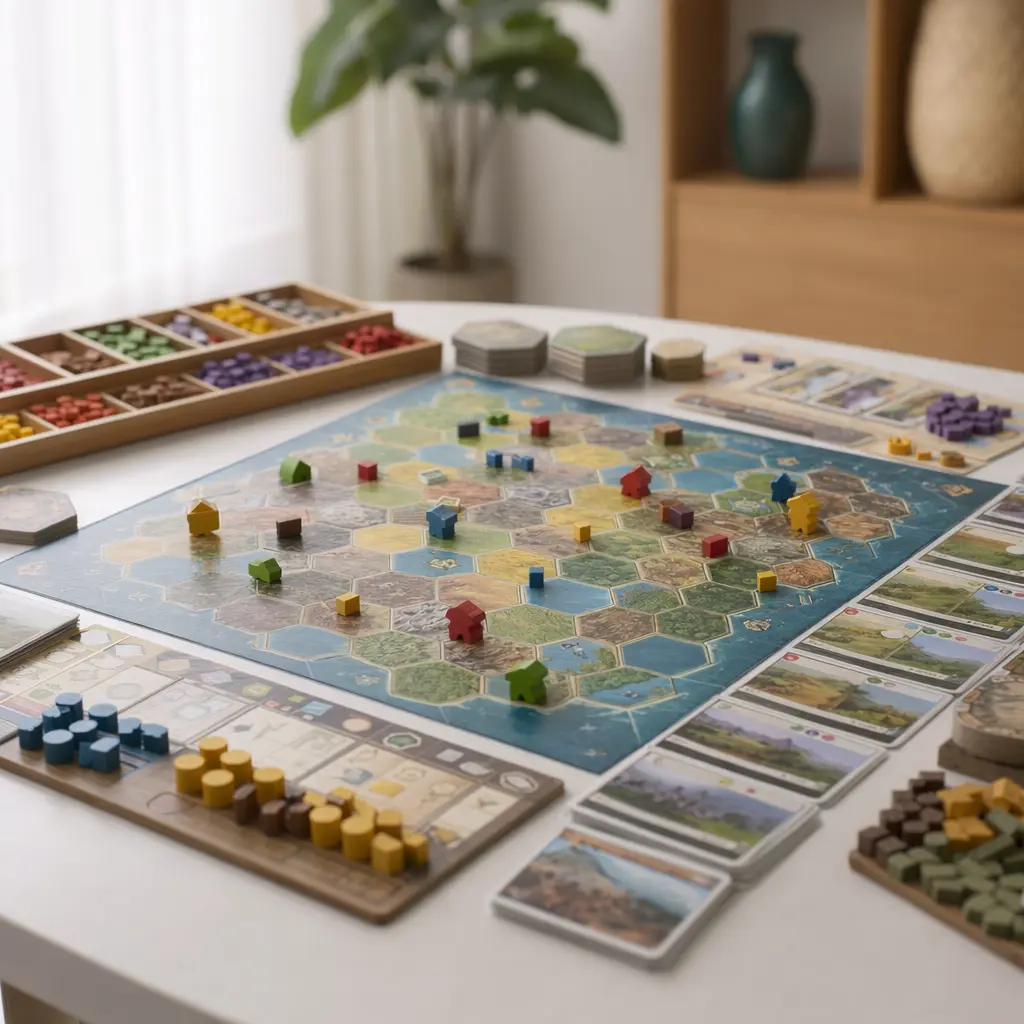
Compare prices and availability
Check current prices and availability for this guide on eBay.
As an eBay Partner, we may be compensated if you make a purchase.
Kids ages 9–12 are ready for games that move beyond pure luck and start rewarding planning, timing, and smart choices. Fast-play strategy board games hit a sweet spot: they’re quick to learn, don’t drag on, and still offer meaningful decisions each turn. For parents, these games are appealing because they fit into busy schedules, encourage critical thinking, and work well for mixed-age family game nights.
What to look for
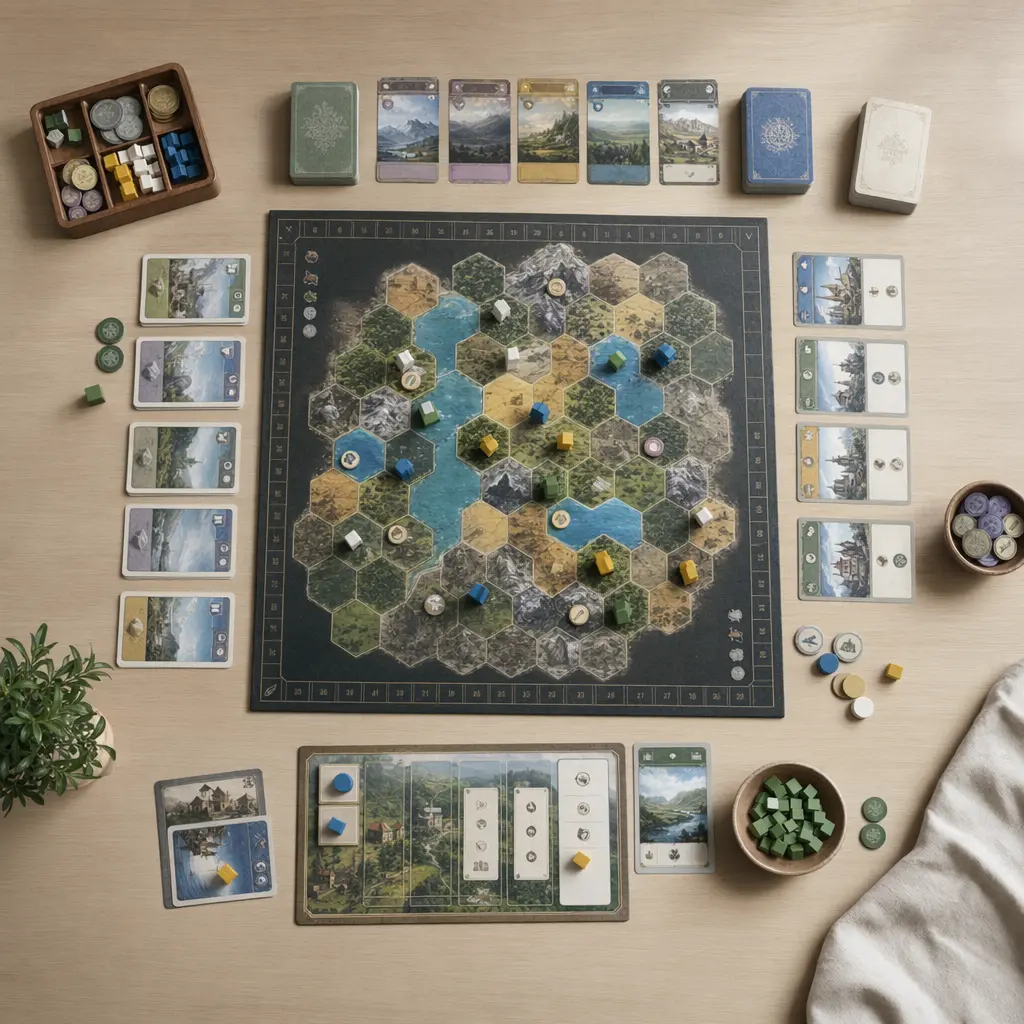
When shopping for strategy games in this age range, focus on designs that balance simplicity with depth. The best options teach the basics in a few minutes but reveal new tactics over repeated plays. Clear rules and streamlined turns help kids stay engaged without constant adult help.
- Short playtime: Look for games that wrap up in 15–30 minutes to keep energy high.
- Meaningful choices: Each turn should involve a decision, not just drawing a card and hoping for luck.
- Limited downtime: Turns should move quickly so no one is waiting long.
- Replay value: Variable setups, different goals, or multiple paths to victory keep games fresh.
- Clear iconography: Simple symbols help kids understand the game flow without rereading rules.
Age suitability
For kids 9–12, strategy games should challenge thinking skills without overwhelming them. At this stage, children can plan a few moves ahead, adapt when plans change, and handle light competition. Games that scale well—by adjusting goals or adding optional rules—are especially useful if younger siblings or adults are joining in. If a box lists a wide age range, check that the core mechanics don’t rely on heavy reading or complex math.

Standout categories or types
Several types of fast-play strategy games work especially well for this age group. These categories tend to emphasize planning and interaction while keeping rules approachable.
- Card-driven strategy games: Players manage hands of cards, deciding when to play, save, or combine effects.
- Tile-laying games: Kids build patterns or maps, learning spatial reasoning and forward planning.
- Area control lite: Players compete over spaces or resources without complex scoring systems.
- Drafting games: Choosing one option while passing others along teaches prioritization and reading opponents.
- Cooperative strategy games: Players work together against shared challenges, focusing on discussion and teamwork.
Frequently asked questions
Are fast-play strategy games good for beginners?
Yes. Many are designed as entry points into strategy gaming, with simple rules and quick rounds that help kids learn by playing rather than memorizing instructions.
How competitive are these games?
Competition levels vary. Some focus on light rivalry, while others encourage blocking or stealing moves. Cooperative options are available if you want less direct competition.
Do these games help with learning skills?
They can support skills like planning ahead, flexible thinking, probability awareness, and social skills such as turn-taking and handling wins or losses.
How many players do they usually support?
Most fast-play strategy games work best with 2–4 players, though some allow solo play or larger groups with minor adjustments.
Fast-play strategy board games offer a practical way to introduce deeper thinking without long setup times or complicated rules. For kids ages 9–12, they can become a go-to activity that fits after school, on weekends, or during family gatherings—providing both fun and meaningful mental engagement.