Best Simple Building Toys Without Screens for Ages 1–2
A parent-focused guide to chunky, screen-free building toys for ages 1–2, with tips on safety, age fit, and features that support early motor skills and open-ended play.
Compare prices and availability
Check current prices and availability for this guide on eBay.
As an eBay Partner, we may be compensated if you make a purchase.
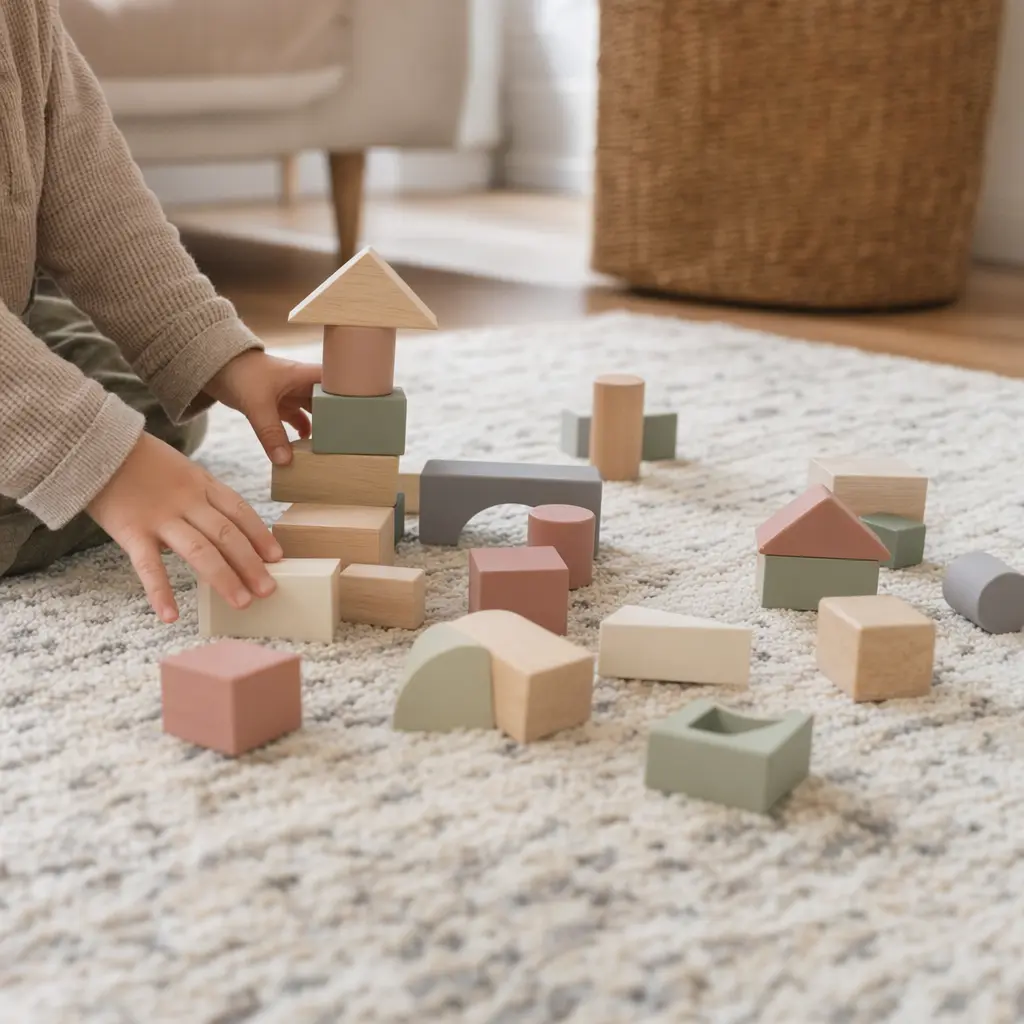
For children ages 1–2, simple building toys offer big learning value without the downsides of screens or batteries. At this stage, toddlers learn best through hands-on play—grasping, stacking, knocking down, and trying again. The right building toys are sturdy, easy to hold, and designed for open-ended exploration rather than instructions or flashing lights. This guide focuses on chunky, low-tech builders that support early motor skills while keeping safety front and center.
What to look for
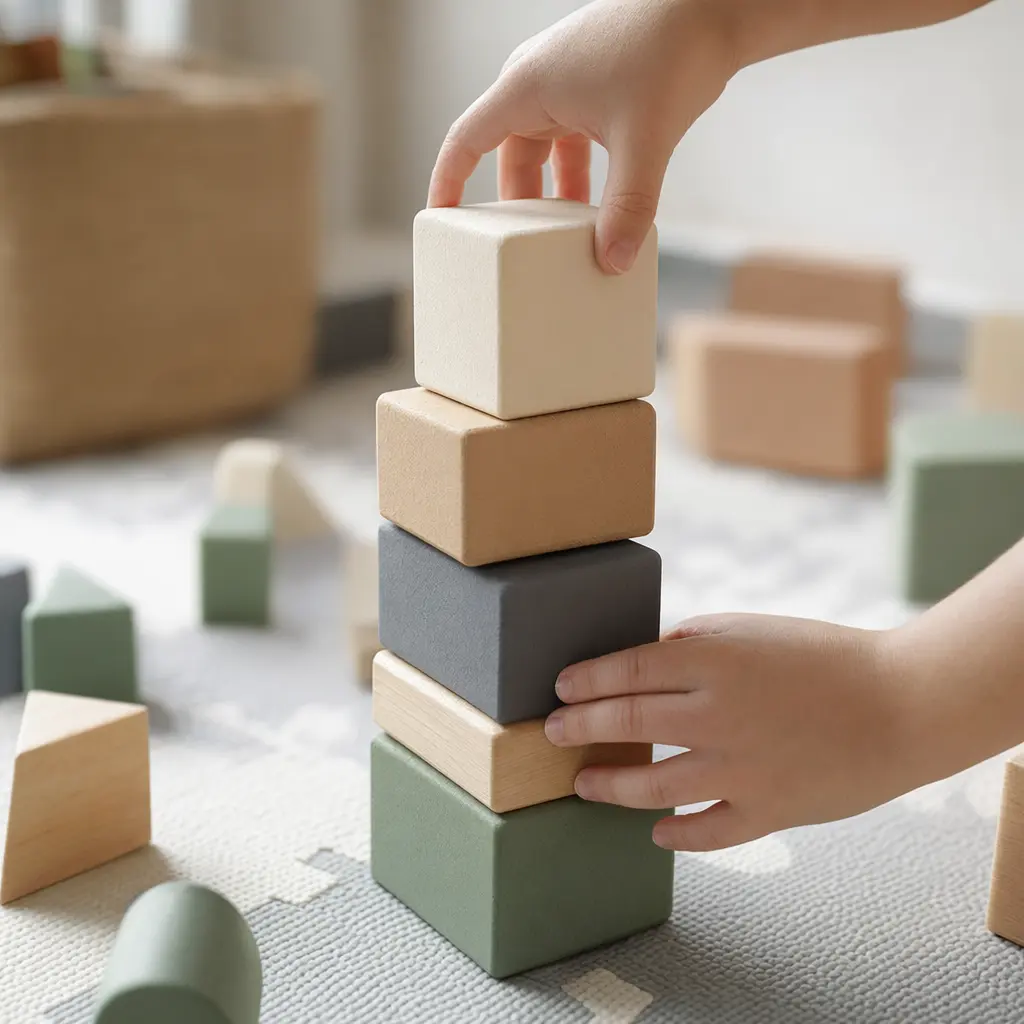
Building toys for 1–2 year olds should match where toddlers are developmentally. The goal is not complex structures but repeated practice with basic actions like gripping, aligning, and releasing. Materials and design matter more than piece count or clever features.
- Chunky pieces that are easy to grasp and hard to swallow
- Rounded edges and smooth finishes to protect little hands
- Durable materials such as solid wood, thick plastic, foam, or food-grade silicone
- Simple shapes that stack or connect in obvious ways
- Stable designs that don’t require precise balance to succeed
- Washable or wipe-clean surfaces for everyday messes
Age suitability
Within the 1–2 year range, abilities can vary widely. Younger toddlers are often learning to release objects and enjoy knocking towers over, while older toddlers may start stacking two to four pieces or grouping by shape. Look for toys labeled for ages 12 months and up, with pieces large enough to meet small-parts safety standards. Avoid sets that rely on tight connections or detailed instructions, which can frustrate early learners.
Standout categories or types
Several types of simple building toys consistently work well for ages 1–2. Each supports slightly different skills, but all encourage experimentation and repetition.
- Stacking blocks: Classic cubes or rectangles made from wood, foam, or thick plastic help toddlers practice balance and hand-eye coordination.
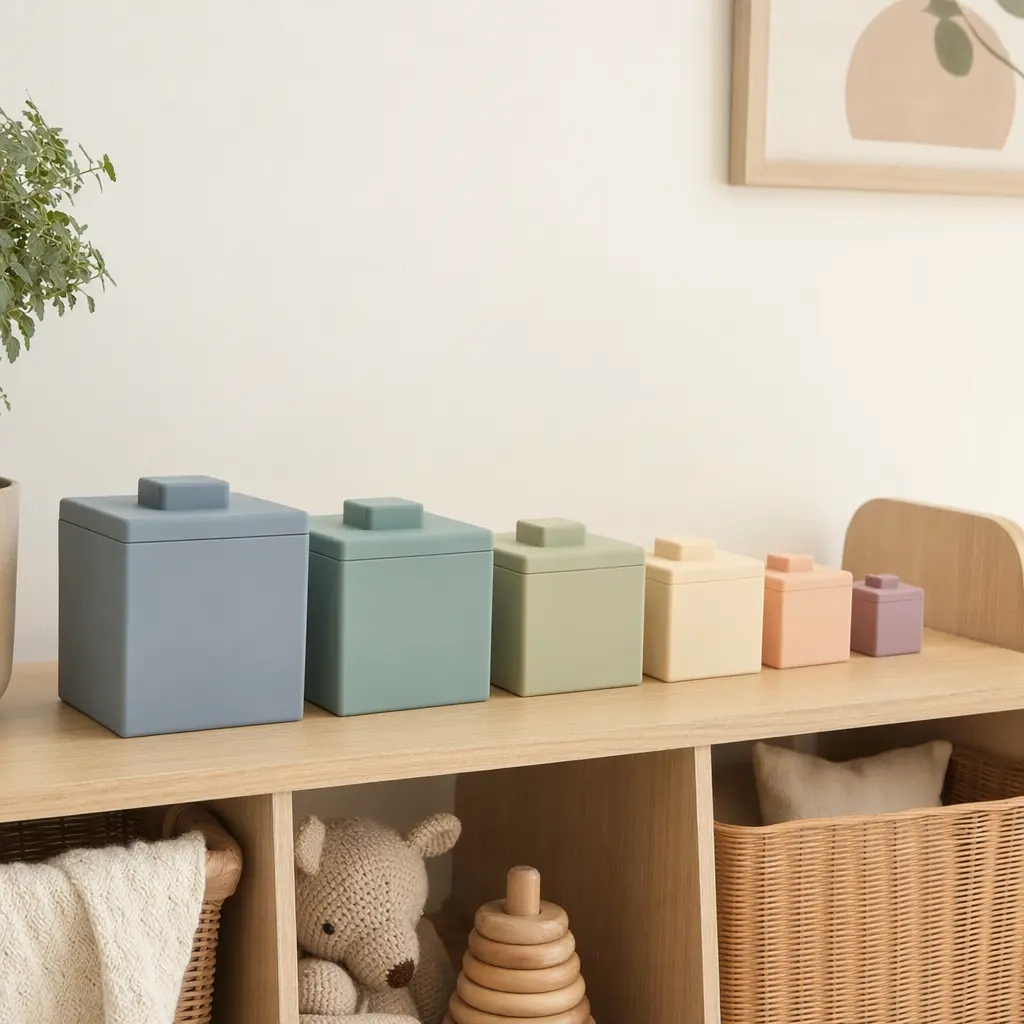
- Nesting and stacking cups: These combine building with size comparison and early problem-solving, often doubling as bath or sandbox toys.
- Large interlocking blocks: Oversized connectors allow toddlers to build without precise alignment, supporting early spatial awareness.
- Soft builders: Foam or fabric-covered blocks are lightweight and forgiving, making them ideal for indoor active play.
- Shape stackers with open-ended use: Sets that allow free stacking rather than fixed pegs give toddlers more room to explore.
Frequently asked questions
Are building toys useful before a child can stack?
Yes. Even before stacking, toddlers learn by picking up pieces, transferring them between hands, and knocking down simple towers. These actions build foundational motor skills.
How many pieces is appropriate for this age?
Smaller sets are usually better. Five to fifteen large pieces are plenty for meaningful play without overwhelming a young toddler or creating cleanup challenges.
Should building toys make noise or light up?
For ages 1–2, simple is often best. Quiet, screen-free toys encourage focus and imagination without overstimulation.
What materials are safest?
Look for non-toxic finishes and sturdy construction. Solid wood, thick plastic, foam, and food-grade silicone are common choices designed to handle mouthing and rough play.
Simple building toys may not look flashy, but they support some of the most important early skills toddlers develop. By choosing chunky, screen-free options designed for little hands, parents can offer open-ended play that grows with their child and fits easily into everyday routines.