Are Ride-On Toys Safe for Toddlers?
A parent-friendly safety guide to ride-on toys for ages 1–2. Learn which features matter, how to supervise play, and how to choose age-appropriate designs that support early mobility.
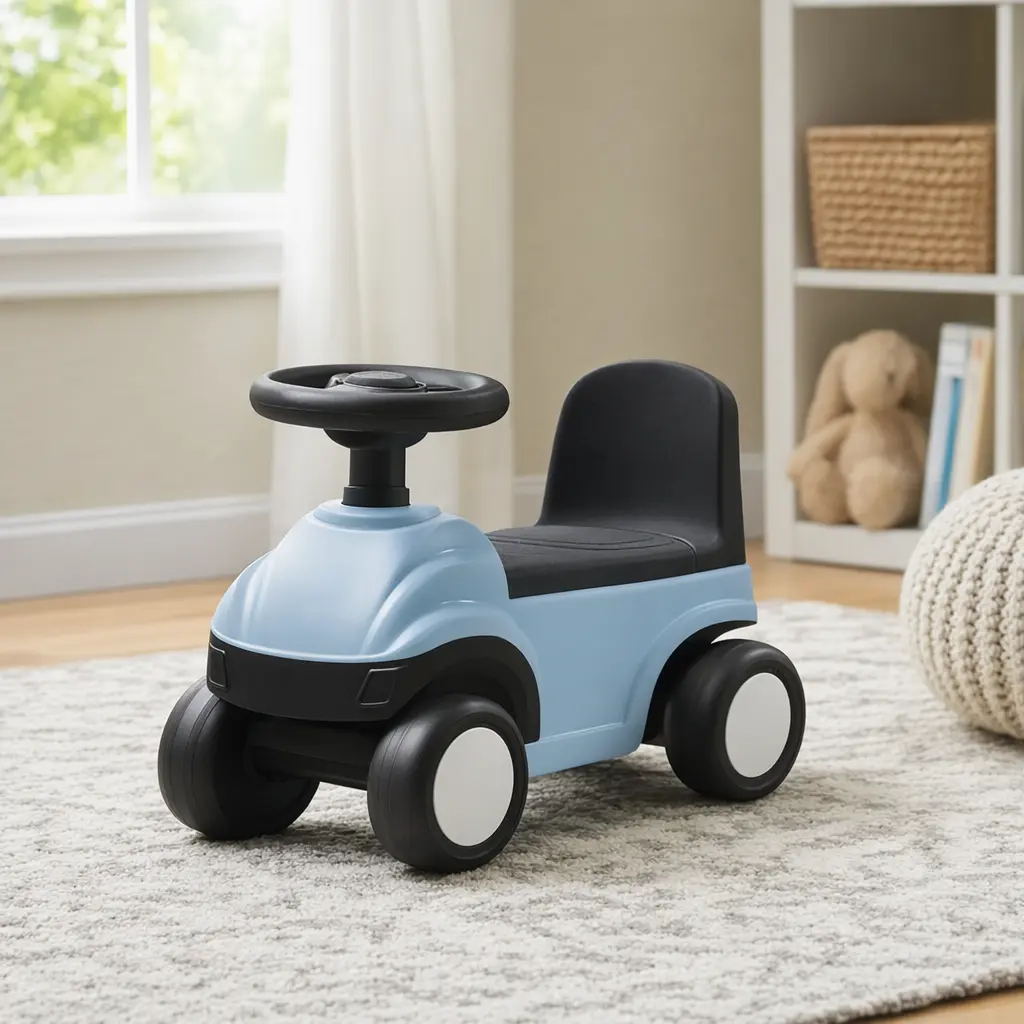
Compare prices and availability
Check current prices and availability for this guide on eBay.
As an eBay Partner, we may be compensated if you make a purchase.
Ride-on toys are a popular choice for toddlers because they encourage movement, balance, and confidence. For children ages 1–2, these toys can support early gross motor development—but safety depends on thoughtful design and close supervision. This guide explains what makes ride-on toys safe for toddlers, what to look for before buying, and how to reduce common risks during play.
What to look for
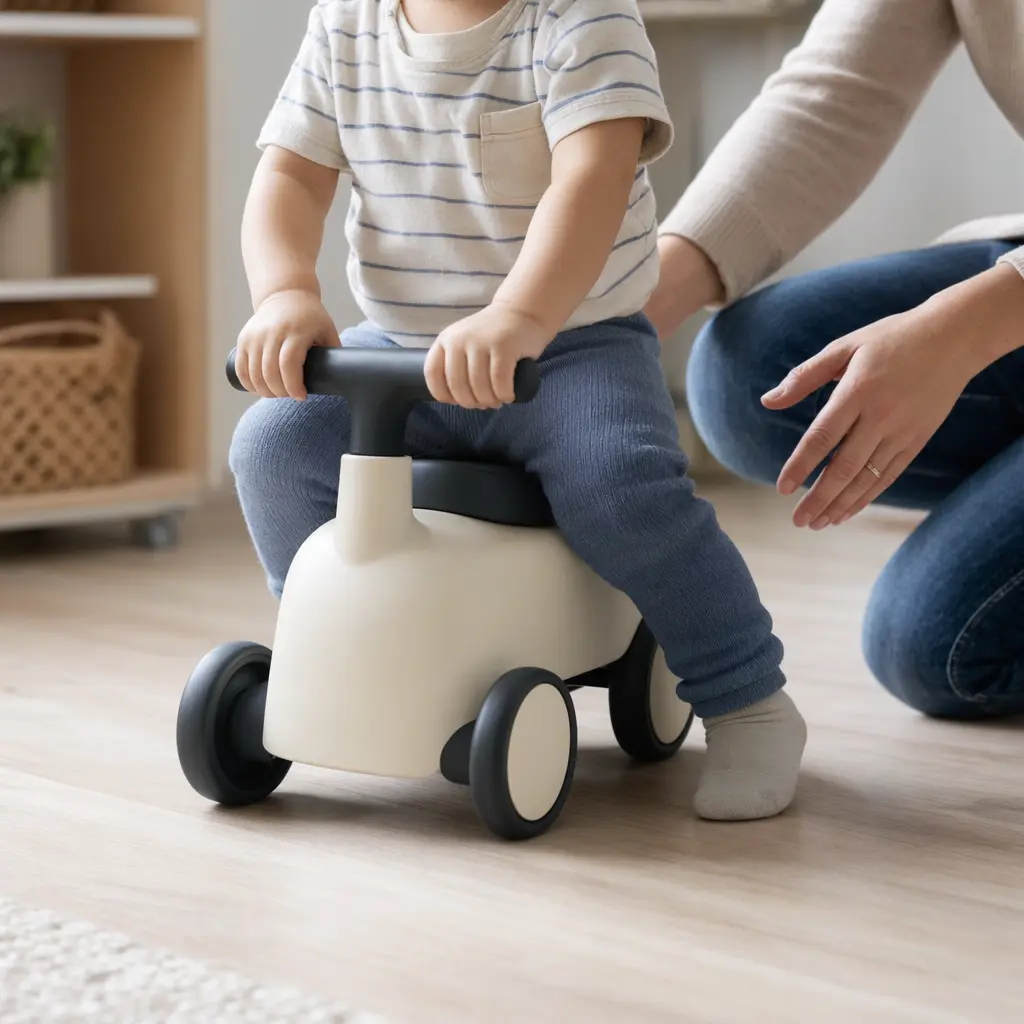
For toddlers just learning to move with purpose, the safest ride-on toys prioritize stability and simplicity over speed or extra features. Designs should match a child’s size and abilities, allowing feet to reach the floor easily and movements to stay controlled.
- Low seat height so toddlers can keep both feet on the ground
- Wide wheelbase for stability and reduced tipping risk
- Limited or no steering radius to prevent sharp turns
- Smooth, rounded edges with no small detachable parts
- Lightweight construction that is easy to stop and maneuver
- Clear age and weight guidelines from the manufacturer
Age suitability
Children between 12 and 24 months are still developing balance, coordination, and hazard awareness. The safest ride-on toys for this age group are foot-powered and kept close to the ground. Push-style ride-ons with stable handles or scoot-style toys that move slowly tend to be more appropriate than faster, pedal-based options. Always match the toy’s stated age range to your child’s developmental stage, not just their height or weight.
Standout categories or types
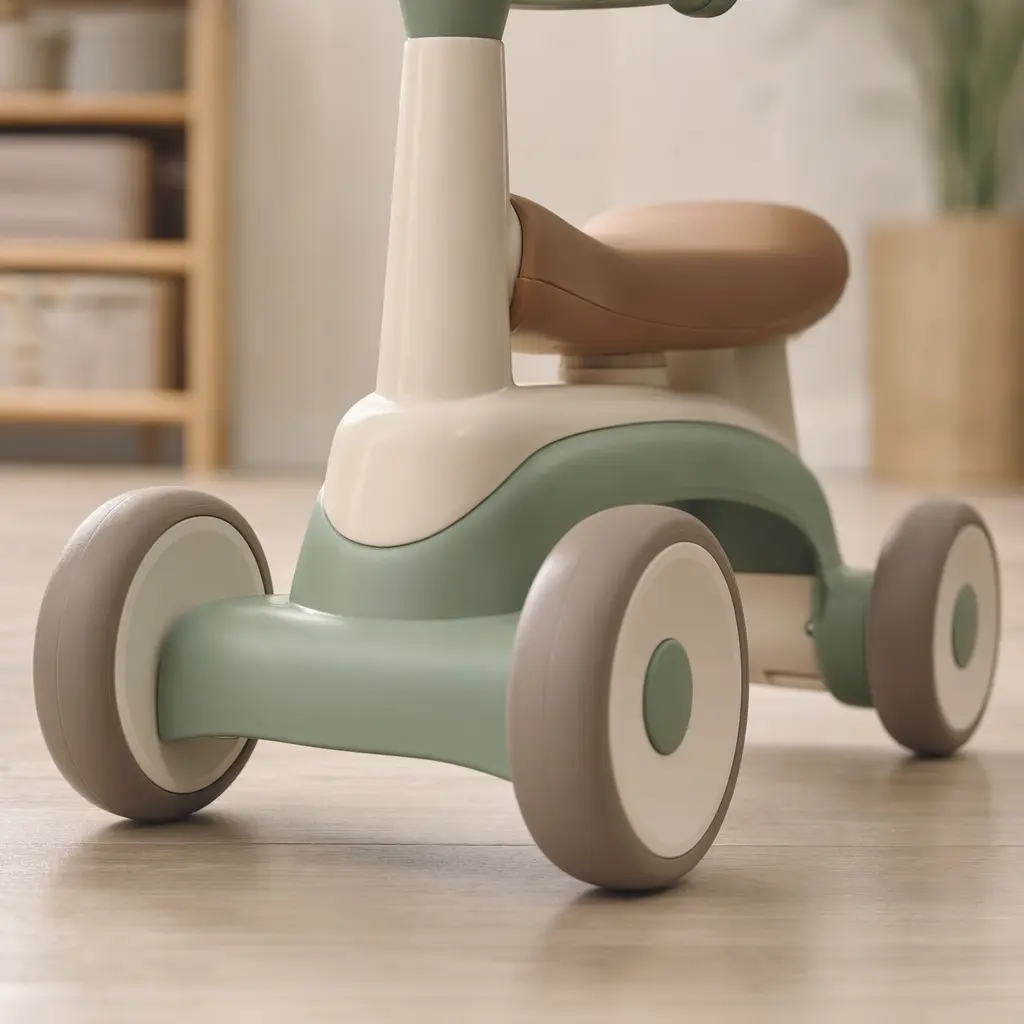
Not all ride-on toys are built the same. For toddlers ages 1–2, certain categories tend to offer better safety and developmental support. Choosing the right type can help reduce falls while still encouraging movement and exploration.
- Push ride-ons with backrests: Offer extra support for early walkers and allow adults to assist
- Sit-and-scoot ride-ons: Keep speed low and promote leg strength and coordination
- Rocker-style ride-ons: Provide motion without forward travel, ideal for indoor play
- Ride-ons with safety bumpers: Help protect hands and feet from nearby furniture or walls
Frequently asked questions
Can a 1-year-old safely use a ride-on toy?
Yes, if the ride-on is designed specifically for early toddlers. Look for low, stable models that move slowly and allow feet to stay in contact with the floor at all times.
Are ride-on toys safe to use outdoors?
They can be, but only on smooth, enclosed surfaces like patios or flat sidewalks. Avoid slopes, gravel, and areas near traffic or water.
Do toddlers need helmets for ride-on toys?
For low, foot-powered ride-ons used indoors or on flat ground, helmets are not typically required. For outdoor use or faster designs, consult safety guidelines and consider added protection.
What are common safety risks?
The most common risks include tipping, collisions with furniture, and access to stairs. Proper supervision and choosing the right environment greatly reduce these concerns.
Ride-on toys can be a safe and enjoyable way for toddlers to build strength and confidence when chosen carefully. By focusing on age-appropriate design, stable construction, and active supervision, parents can make ride-on play both fun and secure during this important stage of development.