Art Kits Kids Can Open and Use Without Adult Help
A parent-focused guide to low-frustration art kits for ages 6–8 that kids can open, set up, and enjoy on their own—what to look for, age fit, and common questions.
Compare prices and availability
Check current prices and availability for this guide on eBay.
As an eBay Partner, we may be compensated if you make a purchase.
Many art kits are labeled for kids but quietly rely on adult setup, tricky packaging, or complicated instructions. For parents of 6–8 year olds, truly independent art kits can be a game changer: kids can open the box, understand what to do, and start creating without frustration. This guide focuses on features that support independence, from easy-open packaging to clear visual directions, so families can choose kits that encourage confidence and creativity.
What to look for
Independent art kits share a few practical design choices that make them easier for kids to use without help. These details reduce early frustration and help children stay focused on creating rather than problem-solving packaging or instructions.
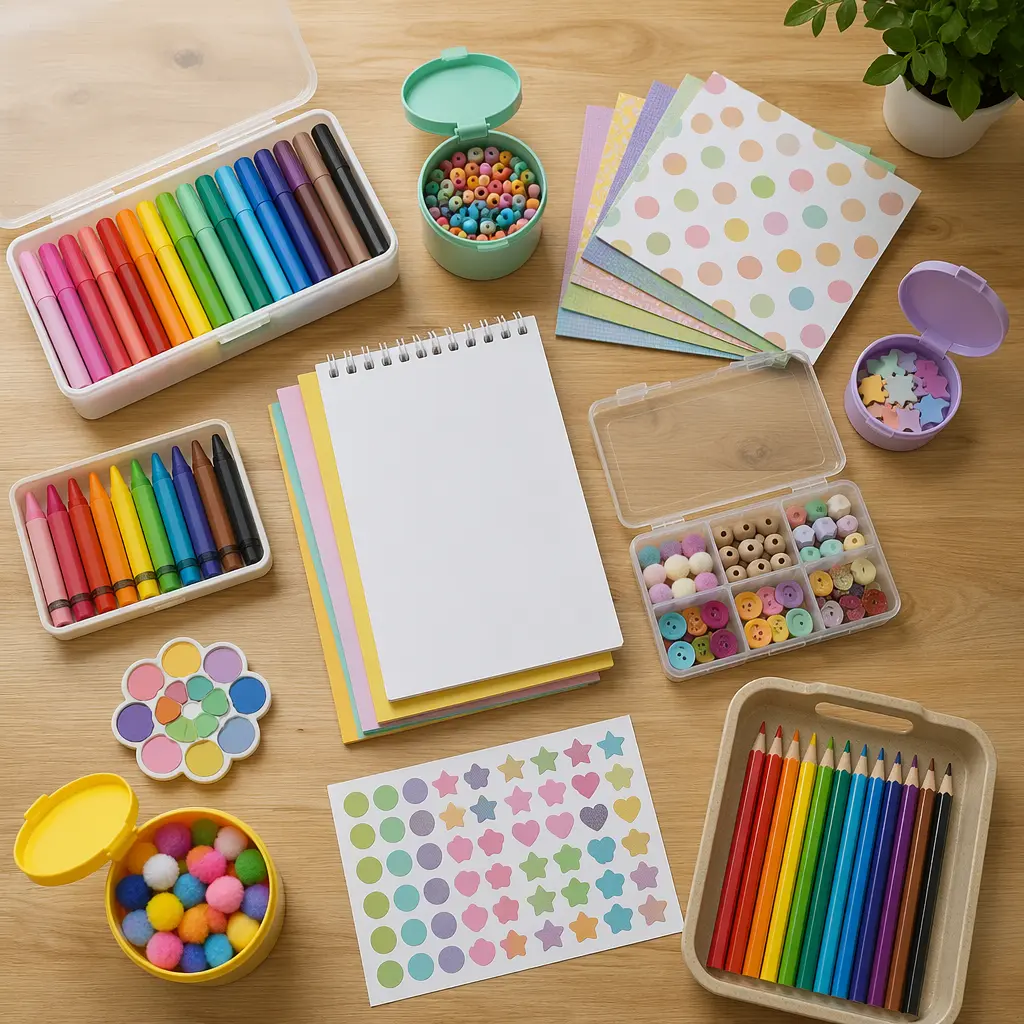
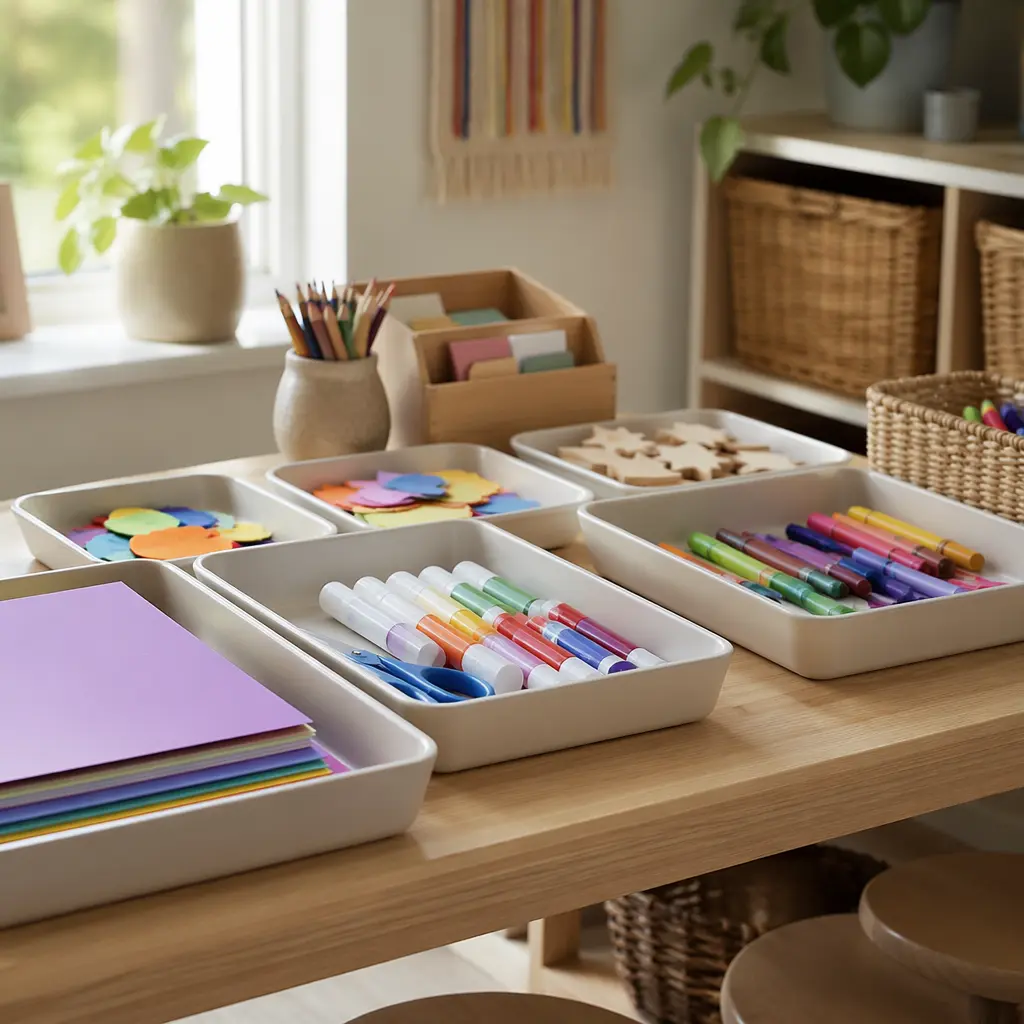
- Easy-open containers: Flip-top boxes, reusable pouches, or trays that don’t require scissors or excessive force.
- Visual instructions: Step-by-step pictures or diagrams that kids can follow without reading long text.
- Pre-sorted materials: Supplies grouped by project or color to avoid dumping everything out at once.
- Few tool requirements: Kits that don’t rely on rulers, hot glue, or adult-only tools.
- Clear starting point: A visible “first step” so kids know how to begin without asking.
- Minimal mess factor: Materials that are less likely to spill, stain, or need special cleanup.
Age suitability
For ages 6–8, fine motor skills and attention span are still developing, but many kids can follow multi-step directions and make creative choices. Art kits for this age band work best when they balance freedom with structure. Projects should be achievable in one sitting or broken into clear stages, with materials sized for small hands. Avoid kits that assume advanced knot-tying, precise measuring, or long drying times, as these often pull adults back into the process.
Standout categories or types
Some types of art kits are consistently easier for kids to manage on their own. These categories tend to emphasize simple setup and intuitive use, making them a good starting point for independent creativity.
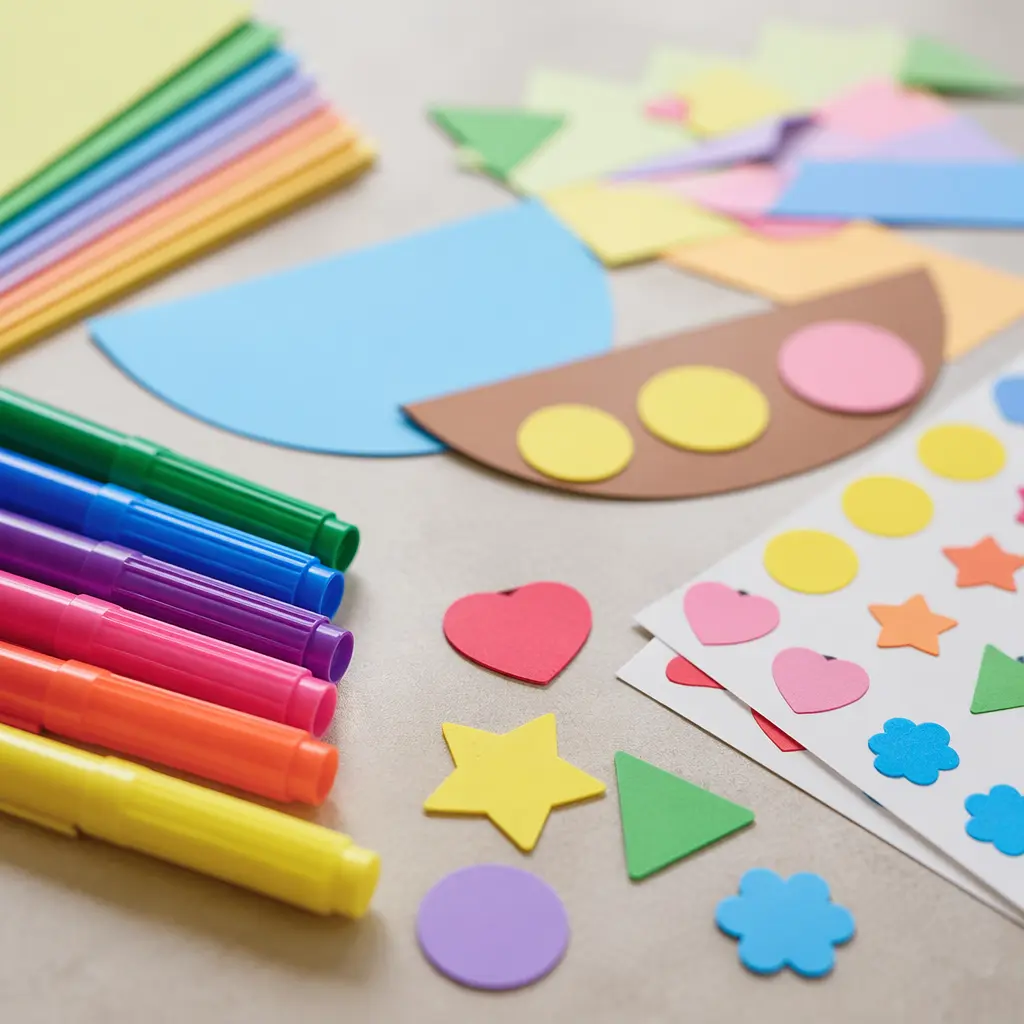
- Sticker and collage kits: Peel-and-stick elements eliminate glue and reduce mess while still allowing creativity.
- Drawing and coloring sets: Organized marker or pencil trays paired with guided prompts or activity pages.
- Pre-cut craft projects: Foam, paper, or felt pieces that fit together without cutting or measuring.
- Paint-with-guide kits: Projects that use numbered areas or clear outlines, paired with spill-resistant paint containers.
- Bead and jewelry kits with trays: Large beads and sorting trays help kids work independently without constant spills.
Frequently asked questions
Can kids really open these kits by themselves?
Many kits designed for independence use tabs, elastic closures, or simple boxes instead of sealed plastic. While some initial packaging may still need adult help, the goal is for ongoing use to be fully kid-managed.
Do independent art kits limit creativity?
Not necessarily. The best kits provide a clear starting framework while leaving room for personal choices in color, layout, or decoration. Structure can actually boost creativity by reducing decision overload.
How long should a project take for this age?
For most 6–8 year olds, 20–45 minutes per project is a good range. Kits that allow kids to pause and return later, without drying issues or lost pieces, tend to work best.
Are these kits suitable for classrooms or playdates?
Yes, especially kits with individually packed projects or clear sorting systems. These reduce sharing conflicts and help multiple kids work side by side with minimal adult direction.
Choosing art kits kids can truly use on their own supports independence, patience, and creative confidence. By focusing on easy access, clear guidance, and age-appropriate materials, parents can find options that let kids dive into art with less frustration and more pride in what they make.