Sensory Bottles: Why Slow Swirls Calm Modern Kids
Once a classroom craft, sensory bottles have become a go‑to calming tool for babies and young children—using slow motion, sparkle, and sound to focus attention and soothe big feelings.
Compare prices and availability
Check current prices and availability for this guide on eBay.
As an eBay Partner, we may be compensated if you make a purchase.
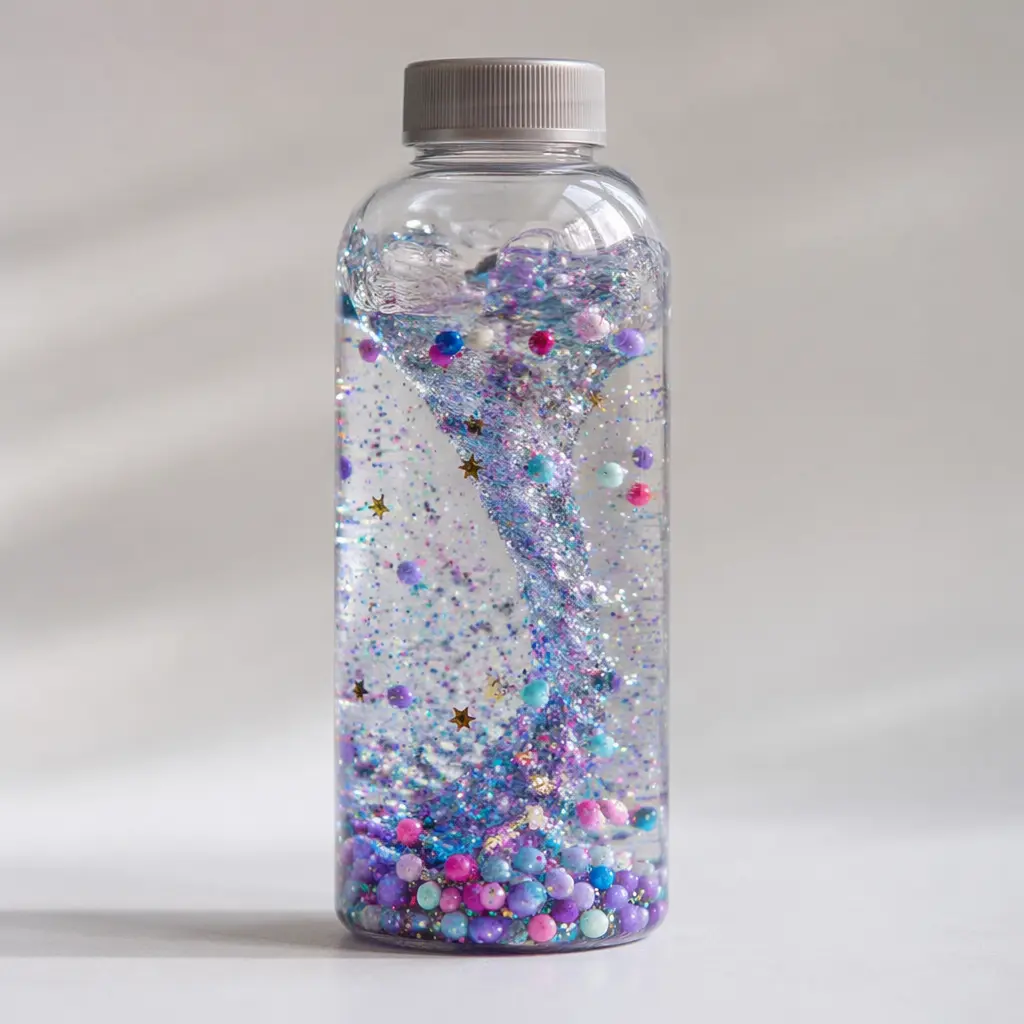
At first glance, a sensory bottle looks almost too simple to be interesting: a clear container, some liquid, and a few floating objects. Then you pick it up, give it a gentle shake, and watch the contents drift and tumble in slow motion. For many babies and young children, that moment of focused watching is exactly the point. Sensory bottles have quietly become one of the most recognisable calming tools of the past decade, showing up in nurseries, classrooms, therapy rooms, and family living rooms.
Where it came from
Sensory bottles don’t have a single inventor or launch date. They emerged gradually from early‑years education and sensory play traditions, where teachers and therapists experimented with everyday materials to support focus and emotional regulation. The basic idea—providing visual or auditory stimulation that can be controlled and repeated—has roots in Montessori‑influenced classrooms and special educational needs settings.
As social media and parenting blogs took off in the 2010s, sensory bottles spread far beyond the classroom. DIY versions made from reused drink bottles became popular craft projects, while toy brands began offering sealed, child‑safe versions for home use. In a world of fast, noisy digital entertainment, the appeal of something slow and tactile felt refreshingly different.
Why it works
The calming effect of sensory bottles comes from a mix of predictability and gentle stimulation. When a child shakes or turns a bottle, they cause an immediate change, then watch as gravity and viscosity take over. The slow movement encourages deep focus, which can help interrupt feelings of overwhelm or restlessness.
Design‑wise, the best sensory bottles are intentionally limited. There’s no winning or losing, no right way to play. Instead, they invite open‑ended interaction and observation. Common standout features include:
- Clear containers that make movement and layers easy to see
- Fillings that move slowly, such as glitter suspended in thickened liquid
- Simple cause‑and‑effect play through shaking, tipping, or rolling
- Optional sound elements, like beads or rice, for gentle auditory feedback
Who it's for
Sensory bottles are most commonly used with babies and toddlers, often from around six months onward, when visual tracking and grasping skills are developing. They’re also widely used with preschoolers as part of quiet‑time routines or emotional regulation strategies. Many adults—parents, teachers, and therapists included—find themselves absently turning a bottle during stressful moments, which helps explain why these toys don’t feel strictly age‑bound.
Variants and what to look for today
Today’s sensory bottles range from homemade crafts to professionally manufactured toys. Commercial versions are typically made from thick plastic with permanently sealed lids, designed to withstand drops and enthusiastic shaking. Fillings vary widely, from classic glitter swirls to nature‑themed contents like leaves and shells.
When choosing one, focus on build quality and simplicity. Bottles should be robust, leak‑proof, and sized for small hands. Overly busy designs can be stimulating rather than calming. It’s also worth being cautious of very cheap options with thin plastic or poorly sealed caps, especially for younger children.
Frequently asked questions
Are sensory bottles just for calming?
While they’re best known as calming tools, sensory bottles also support visual tracking, fine motor skills, and curiosity. Some children use them actively during play, while others prefer them during quiet moments.
Can sensory bottles replace screen time?
They’re not a direct replacement, but they do offer a screen‑free alternative for short periods. Sensory bottles work best as part of a balanced play environment that includes movement, imagination, and social interaction.
What’s inside a typical sensory bottle?
Common ingredients include water, clear glue or glycerine to slow movement, glitter, beads, or small shapes. Commercial versions may use proprietary liquids for consistency and safety.
How long do children stay interested?
Interest tends to come and go. Sensory bottles aren’t meant to occupy children for hours, but to be revisited when focus or calm is needed. Rotating different bottles can renew interest over time.
Sensory bottles may not shout for attention, but that’s precisely why they’ve endured. In a toy landscape filled with flashing lights and loud promises, their slow, soothing movement offers something rare: permission to pause, watch, and breathe.