Tech Toys for Babies: Helpful vs Just Noise
A safety-first buyer’s guide to electronic toys for babies 0–12 months. Learn which features support development, what to skip, and how to choose age-appropriate tech toys without overwhelm.
Compare prices and availability
Check current prices and availability for this guide on eBay.
As an eBay Partner, we may be compensated if you make a purchase.
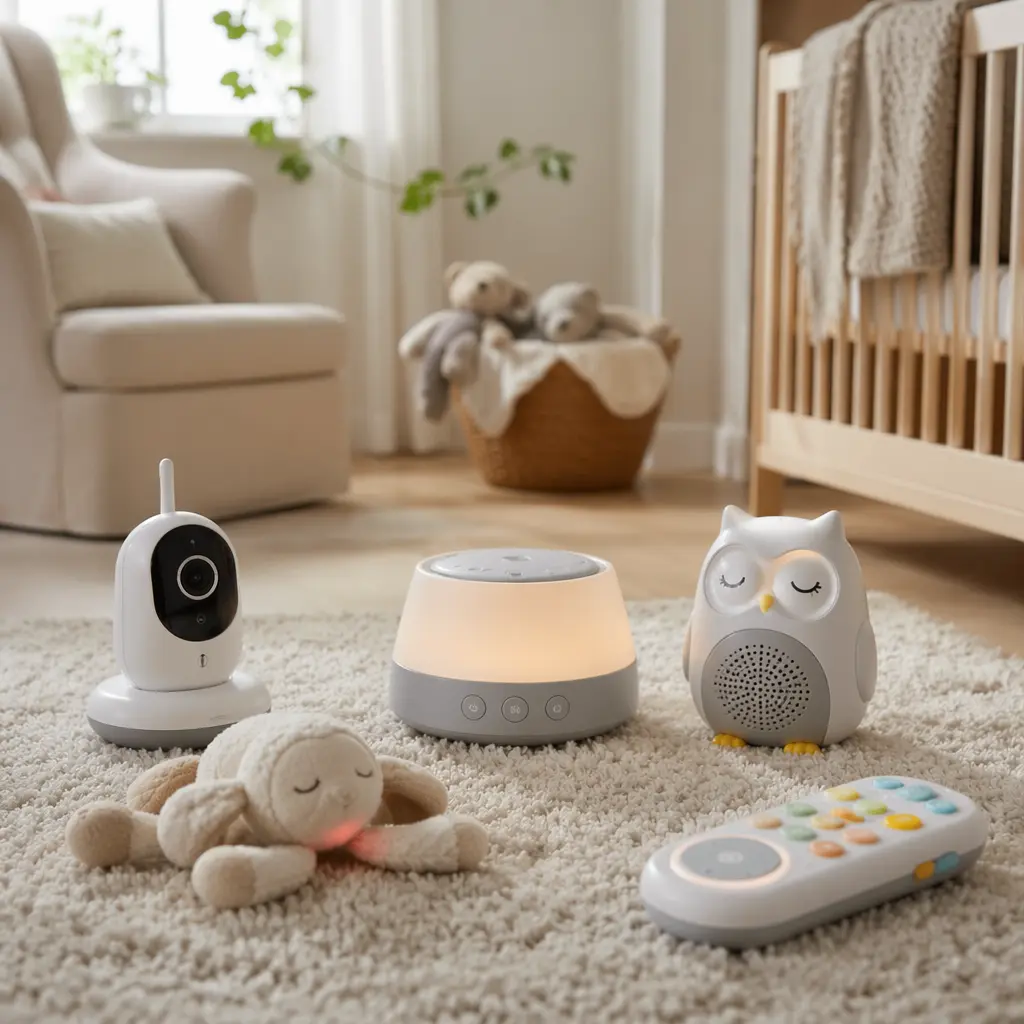
Electronic toys for babies promise learning, engagement, and convenience—but not all of them deliver real benefits. For parents of infants 0–12 months, the key question is whether a tech toy supports healthy development or simply adds noise and flashing lights. This guide breaks down what actually helps at this age, what to be cautious about, and how to choose electronic toys with safety and simplicity in mind.
What to look for
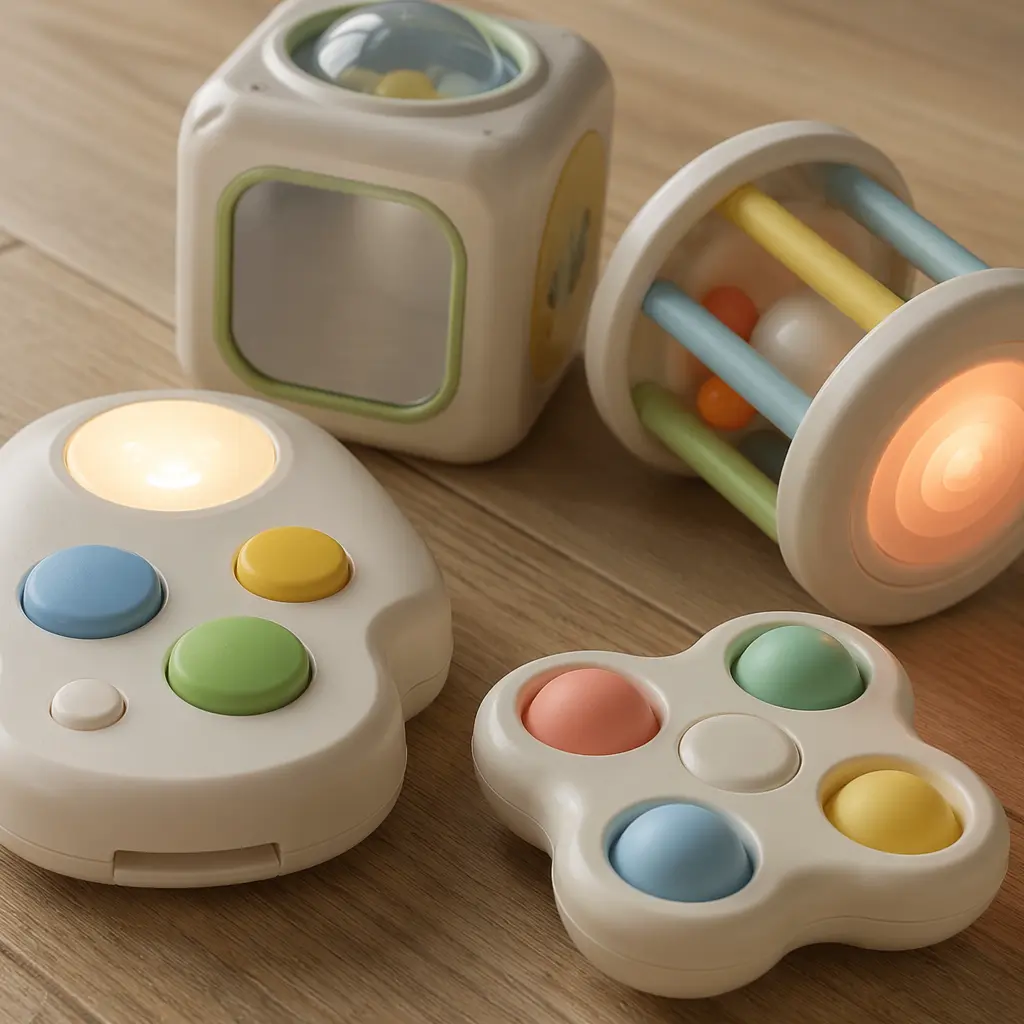
Babies learn best through interaction with caregivers and their environment. Electronic toys can play a small supporting role when they encourage exploration without overwhelming the senses. The most helpful options tend to be simple, predictable, and easy for tiny hands to use.
- Clear cause-and-effect actions, such as pressing a button to hear one sound
- Limited lights and sounds that are not overly loud or fast-paced
- Physical interaction like turning, pressing, or sliding rather than passive watching
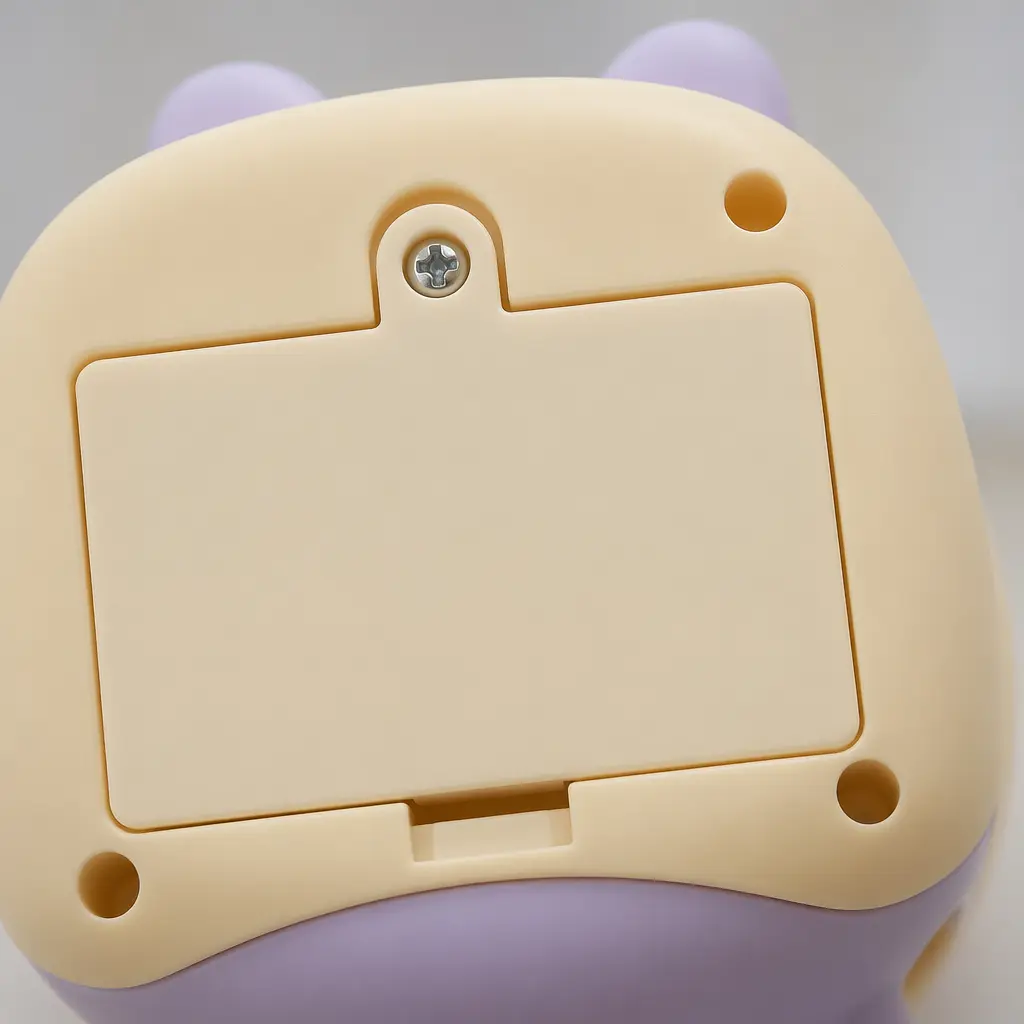
- Durable construction with securely enclosed batteries
- Volume controls or naturally soft sound output
Age suitability
From birth to 12 months, babies change rapidly. Younger infants benefit most from high-contrast visuals, gentle sounds, and simple textures. As they approach the later months, they start to enjoy toys that respond to their actions. Always check the age range provided and use it as a minimum guideline rather than a challenge to move up quickly.
Standout categories or types
Some types of tech toys are more aligned with infant development than others. While none are essential, these categories tend to offer clearer value when used in moderation alongside non-electronic play.
- Simple sound-and-light toys that respond to a single action
- Musical toys with gentle tones and slow tempo
- Interactive books with limited buttons and clear feedback
- Soft electronic toys that combine fabric textures with minimal sound features
On the other hand, toys that play long songs, switch rapidly between modes, or run continuously without interaction are more likely to overstimulate than teach. If a toy keeps going without the baby doing anything, it may not be adding much developmental value.
Frequently asked questions
Do babies actually learn from electronic toys?
Babies learn best from real-world interaction. Electronic toys can support skills like cause and effect, but they work best when an adult is nearby talking, pointing, and responding. On their own, tech toys should be seen as supplements, not teachers.
Can electronic toys be overstimulating?
Yes. Loud sounds, flashing lights, and rapid changes can overwhelm young babies. Signs of overstimulation include turning away, fussiness, or sudden crying. Choosing simpler toys and limiting playtime can help avoid this.
Is screen-based tech okay for babies?
Most pediatric guidance recommends avoiding screen exposure for babies under 18 months, aside from video chatting. Toys with screens or video displays generally offer little benefit at this age compared to hands-on play.
How many electronic toys does a baby need?
Very few. A small rotation of toys—mostly non-electronic, with one or two simple tech toys—can keep playtime interesting without clutter or constant noise.
When chosen carefully, electronic toys for babies can add variety and support early skills. The best choices are quiet, simple, and designed for interaction rather than entertainment alone. Keeping safety, age suitability, and moderation in mind helps ensure tech toys stay helpful—not just noise.