Tech-Free Sensory Toys for Babies (0–12 Months)
A safety-first guide to tech-free toys that support sensory play for babies. Learn what textures, sounds, and motion matter most from birth to 12 months, plus how to choose safe, simple options.
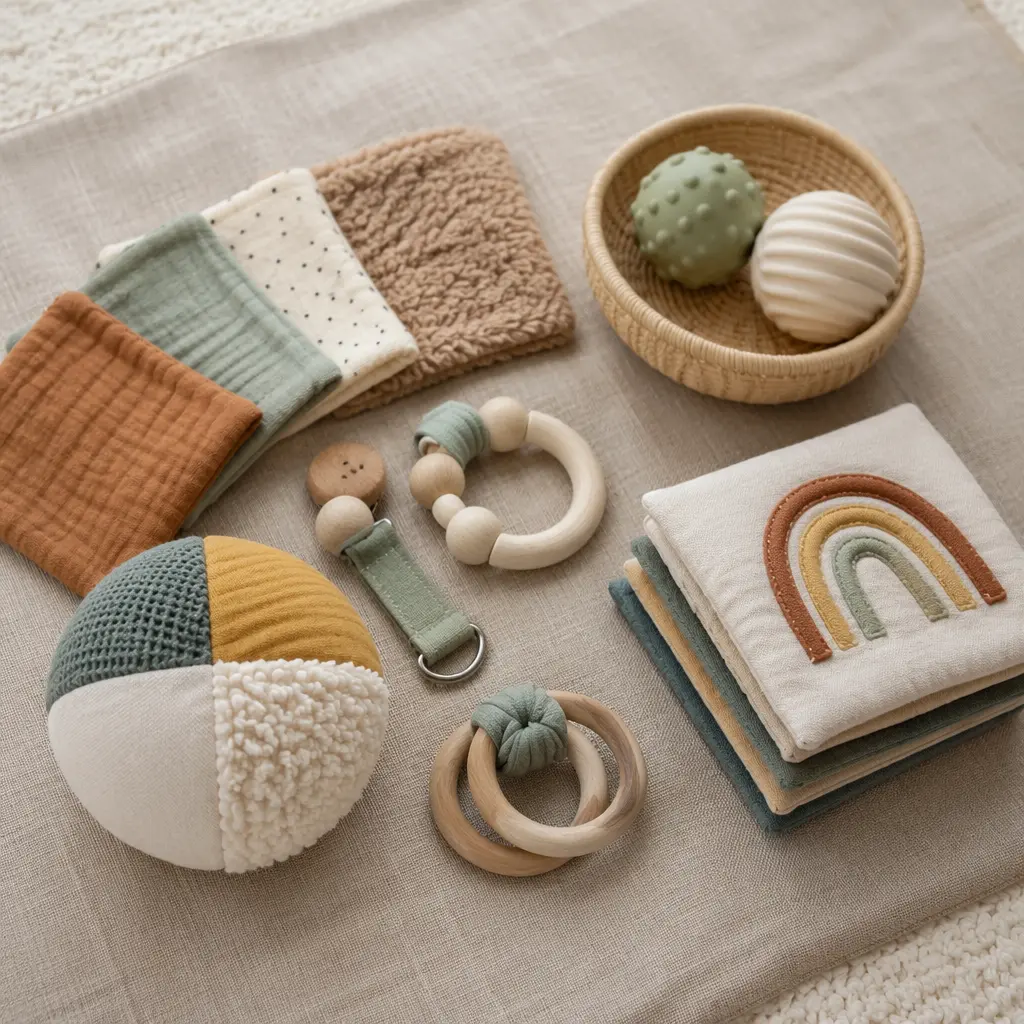
Compare prices and availability
Check current prices and availability for this guide on eBay.
As an eBay Partner, we may be compensated if you make a purchase.
For babies, sensory play doesn’t need screens, lights, or batteries. Simple, tech-free toys can support early development by inviting infants to touch, listen, watch, and move at their own pace. This guide focuses on safety-first choices that offer gentle textures, soft sounds, and basic motion—elements that match how babies learn during the first year.
What to look for
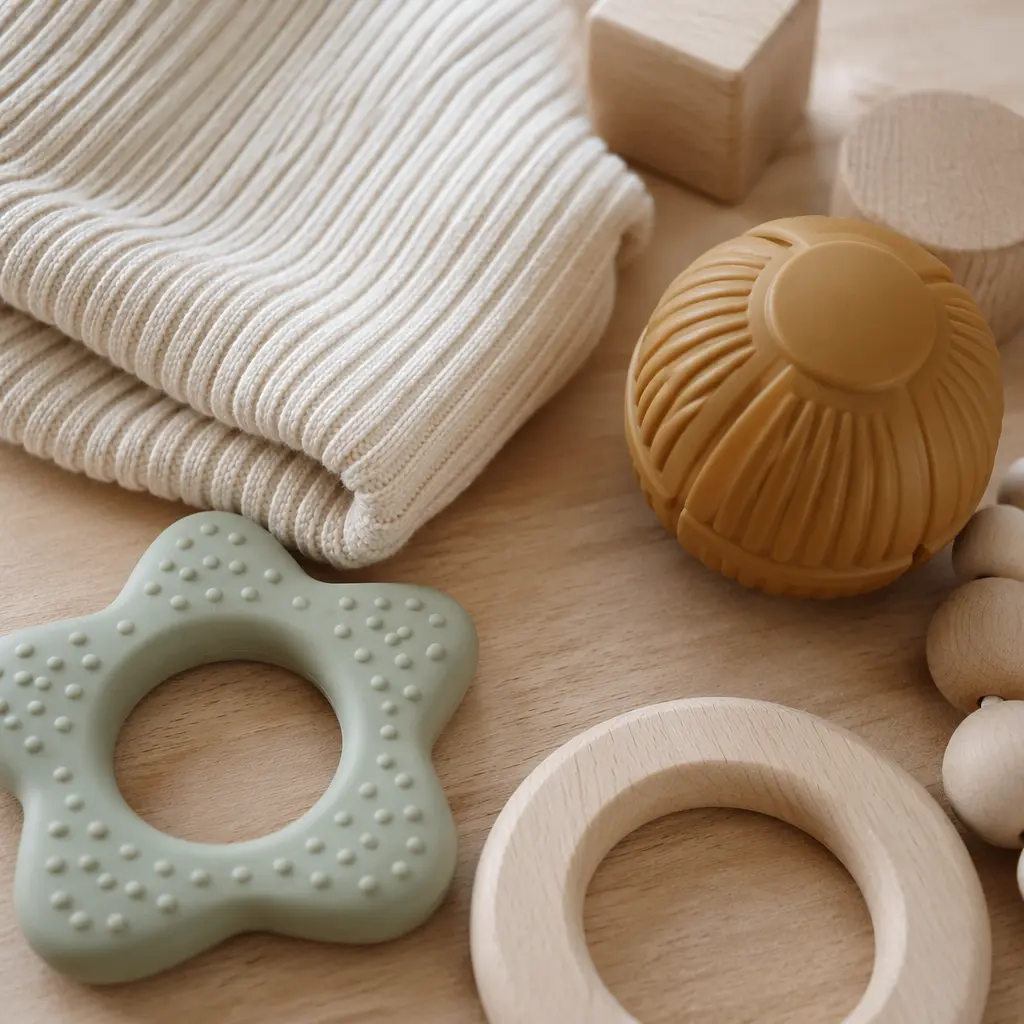
When choosing tech-free sensory toys for babies, the goal is to offer clear, single-purpose experiences. Toys should be easy to understand, safe to mouth, and sized for small hands. Overly complex features can distract from sensory exploration rather than support it.
- Safe materials: Look for non-toxic finishes, food-grade silicone, natural rubber, untreated or sealed wood, and tightly stitched fabrics.
- Simple sensory input: One or two textures, a gentle sound, or a single motion is often enough for infants.
- Appropriate size: Toys should be too large to pose a choking risk and easy for babies to grasp.
- Durability: Seams should be reinforced, and parts should not loosen with chewing or tugging.
- Washability: Machine-washable fabrics or wipe-clean surfaces help maintain hygiene.
Age suitability
From birth to 12 months, babies change quickly, and sensory needs shift along the way. Newborns benefit from high-contrast visuals, soft fabrics, and gentle sounds. As babies approach 4–6 months, they begin to reach, grasp, and mouth objects, making lightweight toys with varied textures especially useful. Older infants, around 7–12 months, enjoy toys that roll, crinkle, or respond to simple actions like shaking or squeezing. Always check age guidance and observe how a toy is used, as developmental stages can overlap.
Standout categories or types
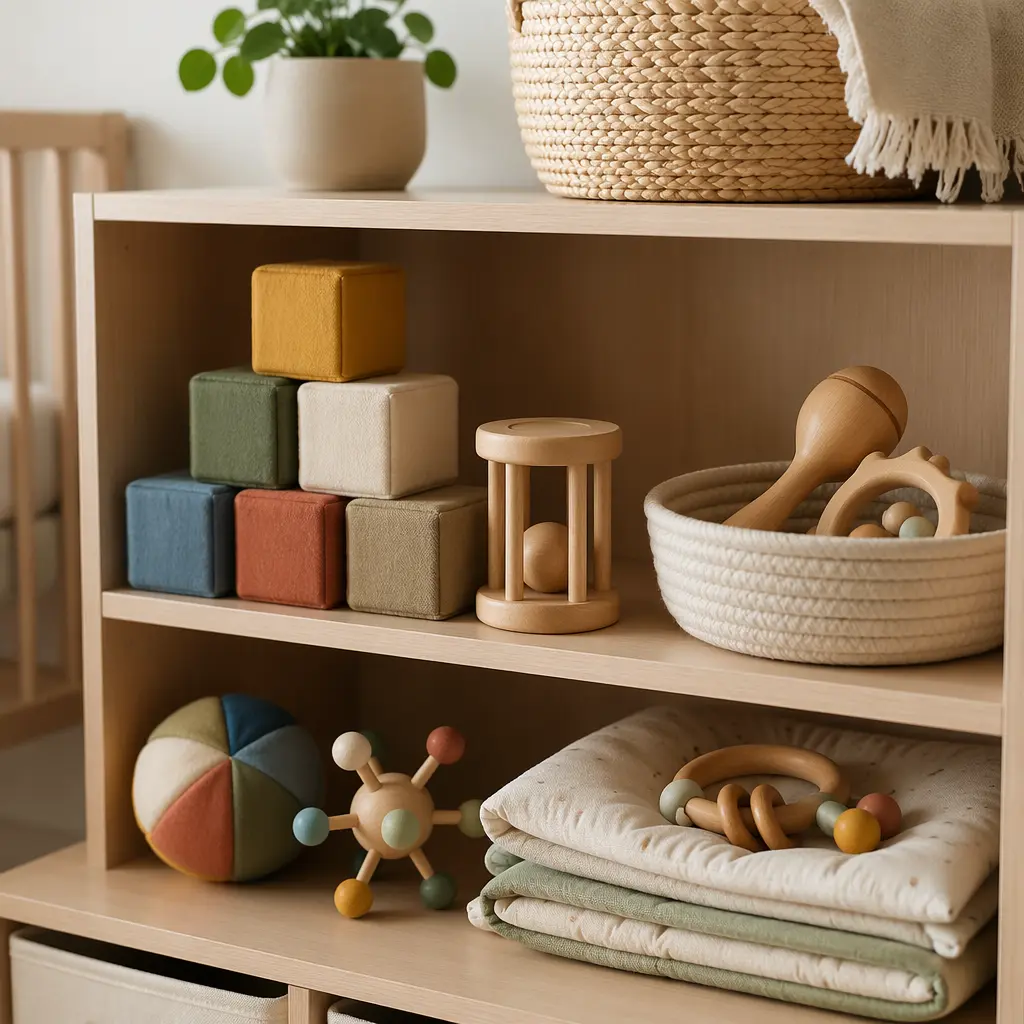
Tech-free sensory toys generally fall into a few helpful categories. Each supports different aspects of early development without overwhelming babies.
- Textured soft toys and cloth books: These offer fabric variety such as smooth, nubby, or crinkly surfaces that encourage touch and exploration.
- Rattles and shakers: Simple sound-makers help babies connect movement with gentle noise, supporting cause-and-effect learning.
- Teething-friendly items: Toys designed for mouthing can soothe gums while introducing different shapes and resistances.
- Rolling and motion toys: Lightweight balls or cylinders motivate babies to track movement with their eyes and, later, to crawl.
- Play mats with attachments: Mats that include removable, non-electronic elements allow babies to explore while lying or sitting.
Frequently asked questions
Are tech-free toys better for babies than electronic ones?
Tech-free toys aren’t necessarily “better,” but they do offer clear advantages for infants. They reduce overstimulation, encourage self-directed play, and don’t rely on lights or sounds to hold attention. Many parents choose them to balance or limit electronic exposure during the first year.
How many sensory toys does a baby need?
A small rotation of toys is usually enough. Offering just a few options at a time can help babies focus and explore more deeply. Rotating toys every week or two can renew interest without adding clutter.
What safety standards should I check?
Look for toys that meet recognized safety standards in your region, such as material testing and age labeling. Avoid items with small detachable parts, long cords, or sharp edges, and follow manufacturer guidance closely.
Can everyday household items be used for sensory play?
Some household items, like clean scarves or large wooden spoons, can be used under close supervision. However, toys designed for babies are typically safer because they’re tested for durability, size, and non-toxic materials.
Choosing tech-free sensory toys for babies is about keeping things simple, safe, and developmentally appropriate. By focusing on quality materials and clear sensory experiences, parents can support early learning while creating calm, engaging playtime during the first year.