Disney Lorcana: How Disney's card game became a family hit
Disney Lorcana grew quickly from a new trading card game into a major family and collector hobby. Its Disney theme, accessible rules and scarce early releases helped fuel demand and debate.
Compare prices and availability
Check current prices and availability for this guide on eBay.
As an eBay Partner, we may be compensated if you make a purchase.
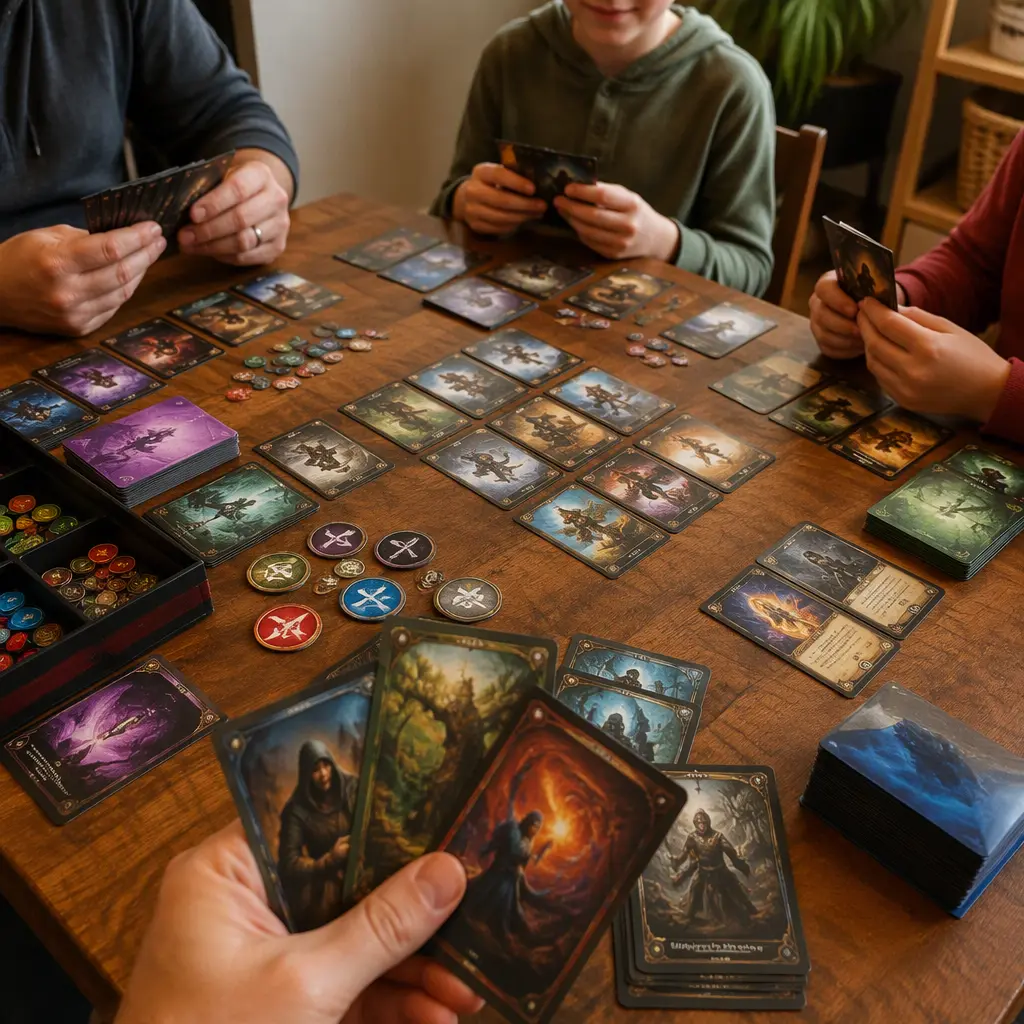
Disney Lorcana arrived in 2023 carrying two powerful advantages at once: the reach of Disney characters and the familiar structure of a modern trading card game. Published by Ravensburger, the game quickly moved beyond a niche hobby launch and into mainstream family conversation in the UK and elsewhere. Some players approached it as a gentler alternative to long-running competitive card games, while collectors were drawn by the Disney connection and early reports of hard-to-find products. That mix turned Lorcana into one of the most closely watched tabletop launches in recent years, with packed store events, rapid sell-outs and an ongoing debate about how easy the game really is for newcomers to enter.
Where it came from
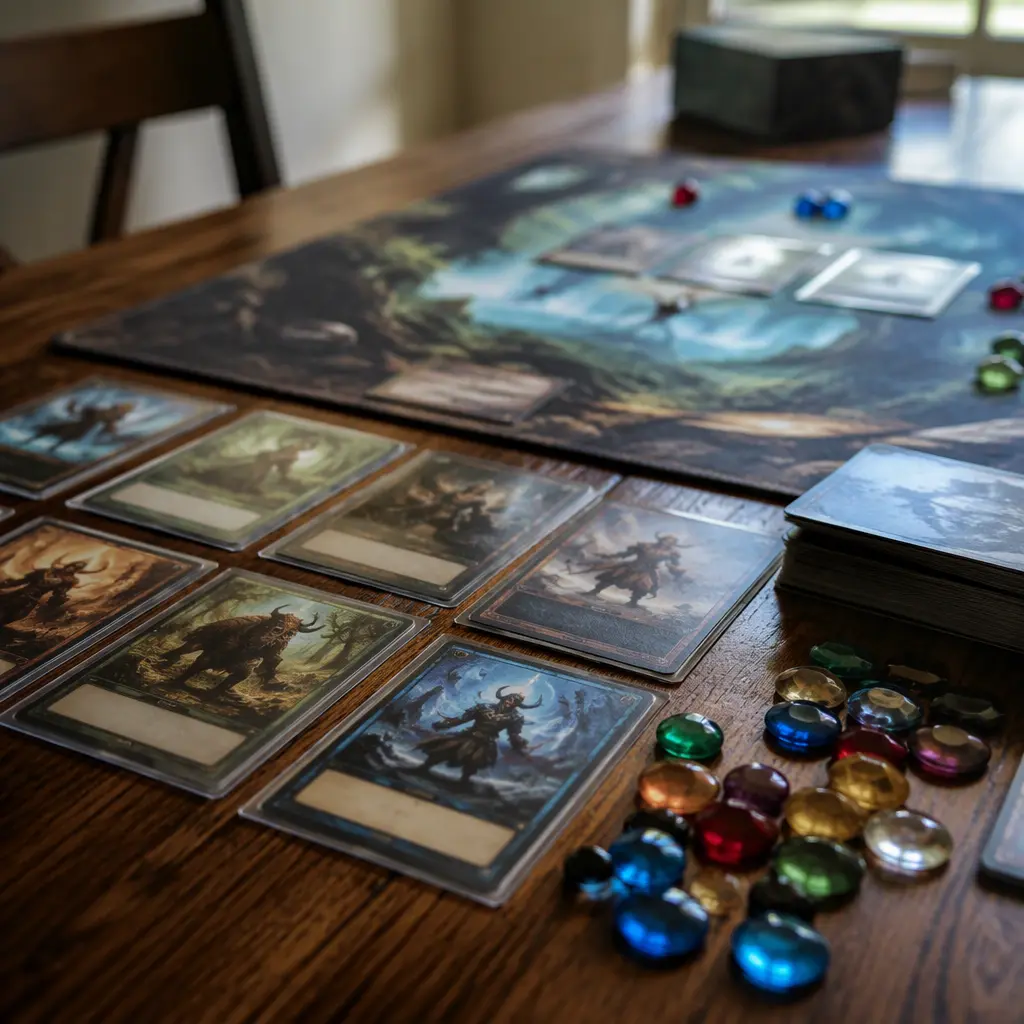
Lorcana was developed by Ravensburger, a company already well known for puzzles and family games, and launched during a period when trading card games were enjoying renewed mainstream attention. The concept combined original fantasy artwork and game mechanics with Disney-inspired storytelling, giving players a roster of familiar archetypes without directly recreating film scenes frame by frame. The game uses ink as a resource system, allowing players to play characters, songs and items while racing to gain lore points.
Its launch timing mattered almost as much as the design itself. Collectible games had already seen years of increased online discussion, livestream openings and resale speculation. Early Lorcana releases reportedly faced supply shortages in several regions, including the UK, which pushed some products onto resale markets at inflated prices. That scarcity created extra visibility beyond dedicated hobby circles. Families looking for a new game, Disney collectors interested in the artwork and experienced trading card players all arrived at the same time, giving Lorcana an unusually broad audience for a first-generation card game.
Why it works
Part of Lorcana's appeal is that it tries to lower the intimidation factor often associated with competitive card games. The core turn structure is comparatively straightforward, and the game focuses more on building lore than directly eliminating an opponent. Matches still involve strategy, card combinations and timing decisions, but many players find the overall tone more approachable than games built around constant combat mechanics.
The visual presentation also plays a major role. Rather than copying exact film stills, Lorcana uses stylised fantasy artwork that reimagines familiar Disney-inspired figures in magical settings. That gives the cards a collector appeal separate from gameplay. At the same time, booster packs preserve the surprise element that drives much of the trading card category, for better and for worse. Opening packs can be exciting socially, but randomness also contributes to uneven access to powerful or desirable cards.
- Accessible core rules compared with many long-running trading card games
- Original fantasy-style artwork inspired by Disney properties
- Deck-building options that support casual and competitive play
- Strong organised play presence in hobby shops and community events
- Collectible rarity structure that appeals to dedicated collectors
Who it's for
Lorcana sits in an unusual space where several audiences overlap. Children may recognise the Disney-inspired world first, while older players often approach it as a strategic hobby game. Families can usually learn the basics together without the steep rule barriers associated with some established trading card systems, although younger children may still need help understanding deck strategy and card interactions. Adult collectors are another major part of the audience, especially those interested in alternate artwork, foil treatments and sealed products. That collector demand can sometimes make beginner entry harder when starter products become difficult to find locally.
Variants and what to look for today
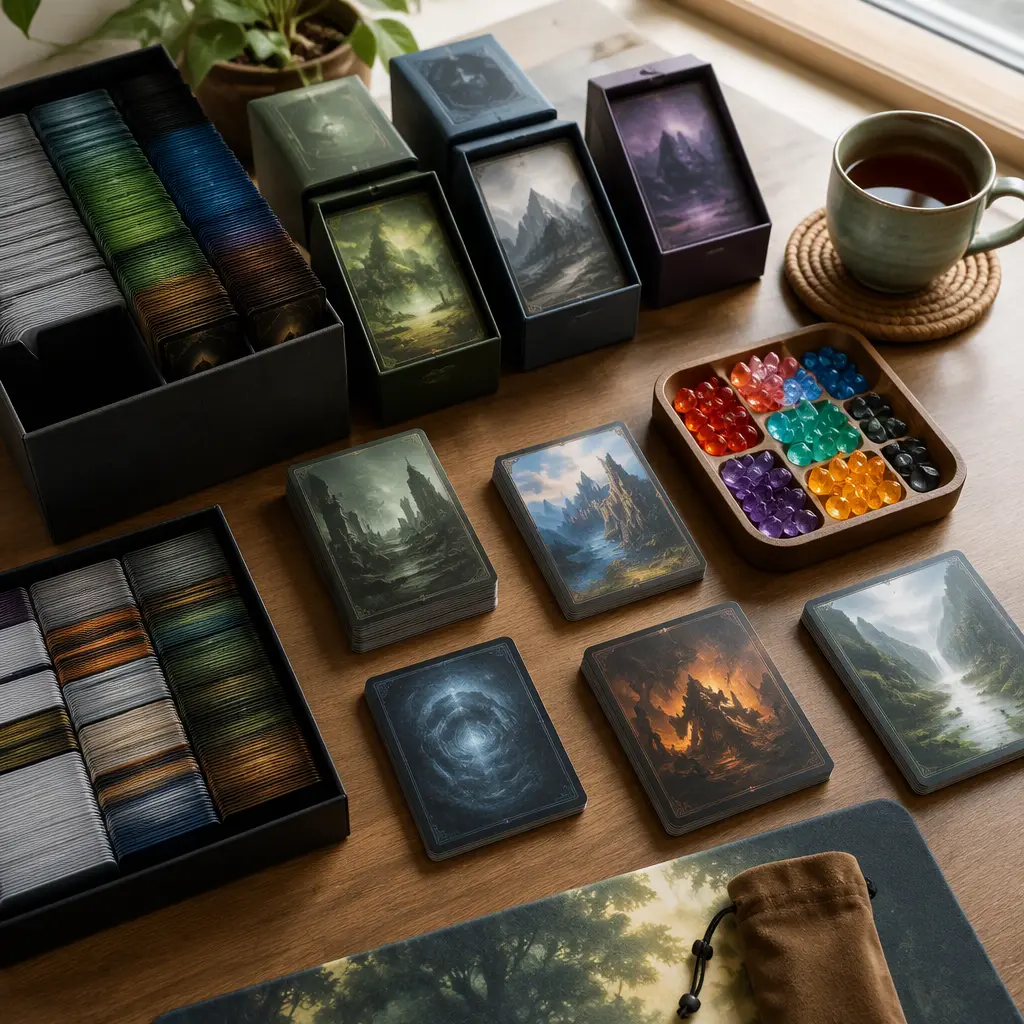
As the game expanded, Lorcana releases moved beyond the original launch set into additional themed expansions introducing new mechanics and card combinations. Starter decks remain the simplest entry point for most new players because they provide ready-to-play decks and a more controlled learning experience than random booster packs. Booster packs and gift-style collections appeal more strongly to collectors and experienced players building specific decks.
Availability has generally improved since the earliest release period, but demand can still spike around major expansions. Buyers should pay attention to whether they want cards for play, collecting or both. Sealed collector products may carry premiums through resale markets even when standard gameplay cards are easier to obtain elsewhere.
- Starter decks are typically the most beginner-friendly option
- Booster packs focus on randomised collecting and deck upgrades
- Accessories such as sleeves and deck boxes help protect frequently used cards
- Community play nights at local game shops can help new players learn quickly
- Be cautious of heavily marked-up resale listings during new set launches
Frequently asked questions
Is Disney Lorcana mainly for collectors or for playing?
It supports both audiences. Some buyers focus on organised play and deck strategy, while others collect cards for the artwork or Disney connection. The overlap between those groups is part of what made the game grow so quickly.
Is Lorcana difficult for beginners to learn?
Many players consider Lorcana more approachable than some long-running trading card games, especially through starter decks and guided play sessions. However, advanced deck-building and competitive play can still become complex over time.
Why were some Lorcana products hard to find?
Early demand reportedly exceeded supply in several markets. Interest from players, collectors and resellers all arrived at once, leading to shortages and inflated secondary-market prices during parts of the launch period.
Can the game be enjoyed casually without chasing rare cards?
Yes. Many families and local groups play casually with starter decks or modestly upgraded decks. Competitive tournament environments may encourage stronger card collections, but casual home play does not require rare cards to function.
Lorcana's rapid rise says as much about modern hobby culture as it does about Disney itself. The game arrived at a moment when collectible products could spread quickly through social media, livestreams and community events, but it also succeeded because the underlying design invited new players in instead of shutting them out. Questions about scarcity, resale pressure and accessibility continue to follow the game, especially around major releases. Even so, Lorcana has established itself as more than a short-lived novelty. For many families and collectors, it became an entry point into trading card gaming that feels recognisable, social and easier to approach than the genre's more intimidating giants.