LEGO Animal Crossing and the Rise of Cosy Building Sets
LEGO Animal Crossing blends relaxed video game nostalgia with small-scale building scenes designed for display, customization and slower-paced play across generations.
Compare prices and availability
Check current prices and availability for this guide on eBay.
As an eBay Partner, we may be compensated if you make a purchase.
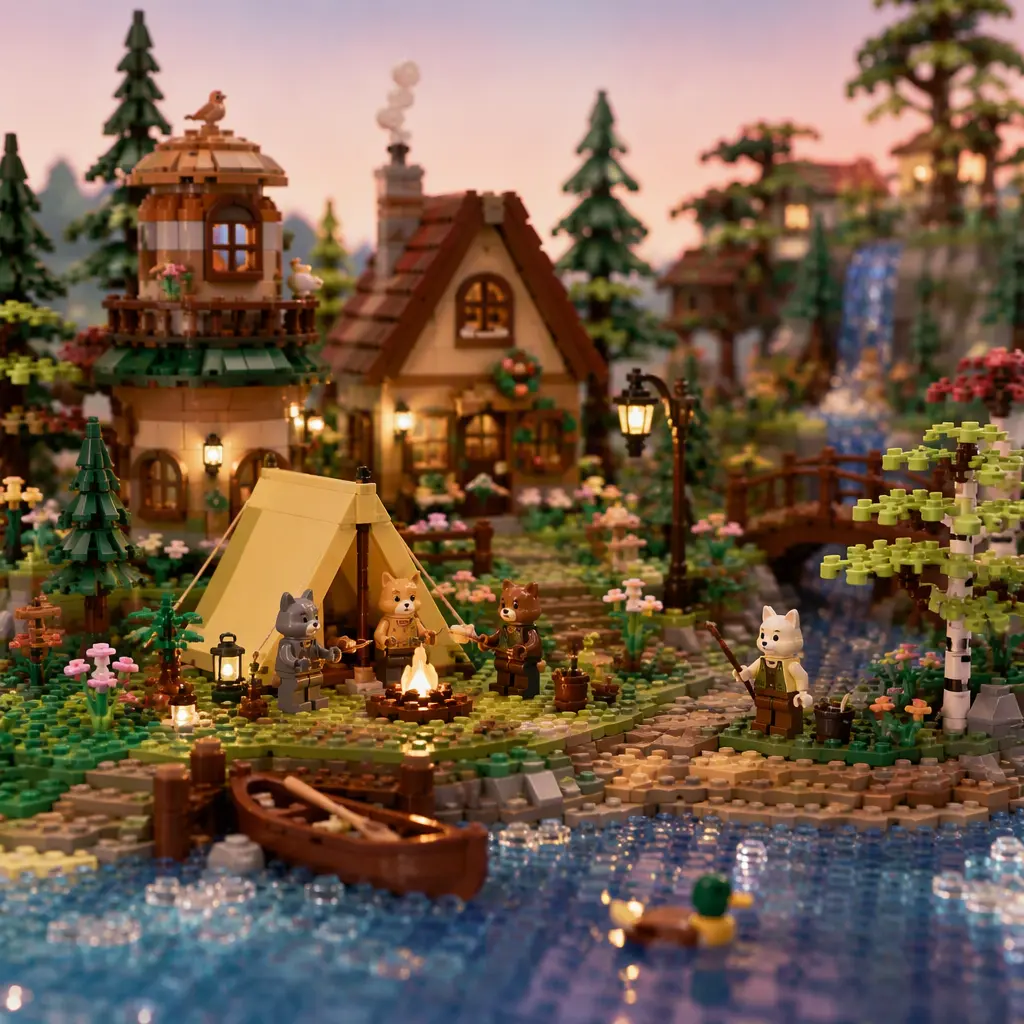
LEGO Animal Crossing arrived at a moment when toy shelves were already leaning toward calmer, more display-friendly play. Inspired by Nintendo’s long-running life simulation series, the sets translate the relaxed rhythm of Animal Crossing into small modular builds filled with houses, gardens, market stalls and campsite details. Instead of focusing on battles, speed or competition, the appeal comes from arranging scenes, swapping accessories and recreating the quiet routines that made the games popular across multiple generations of players.
Where it came from
Animal Crossing first appeared as a Nintendo game series centered on community life, collecting items and personalizing a shared world rather than winning levels or defeating enemies. Over time, the franchise developed a reputation for gentle pacing and open-ended play. Its popularity expanded significantly during the Nintendo Switch era, when many players embraced the game’s relaxed structure and social features during long stretches spent at home.
LEGO introduced the Animal Crossing line in 2024 as part of its broader partnership with Nintendo. Unlike some earlier Nintendo-themed LEGO products built around electronic interaction or action-focused mechanics, these sets leaned heavily into scenery and customization. The builds were designed less like a traditional challenge and more like small environments to rearrange and display. That approach immediately positioned them somewhere between a toy line and a decorative hobby, attracting younger builders while also appealing to adults already invested in cosy gaming culture.
Why it works
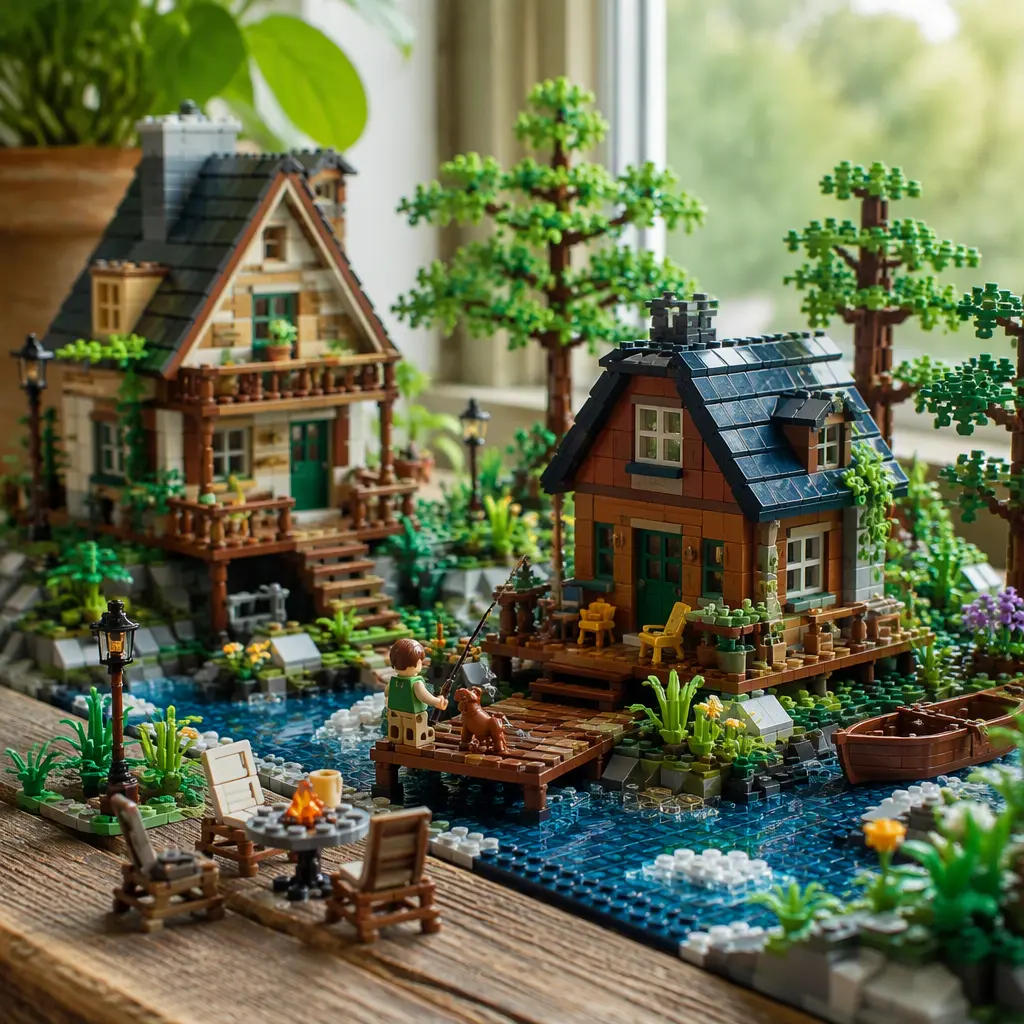
The strongest idea behind LEGO Animal Crossing is that the finished model is not really “finished.” Most sets are intentionally modular, with furniture, landscaping and accessories that can be moved around repeatedly. A campfire can shift beside a riverbank, a mailbox can move to a different house and garden elements can be rebuilt into new layouts. That mirrors the spirit of the video games, where personalization matters more than strict objectives.
The sets also work because they stay visually approachable. Rather than massive technical builds filled with hidden mechanisms, they emphasize color, texture and recognizable everyday details. Tiny tools, snacks, plants and indoor decorations carry much of the personality. For children, that creates imaginative storytelling opportunities. For adults, the appeal often comes from building a compact scene that can sit comfortably on a desk or bookshelf without dominating a room.
- Small modular builds designed for rearranging and customization
- Nature-focused scenery including rivers, trees, gardens and campsites
- Animal-inspired minifigures with expressive accessories
- Display-friendly scale suited to shelves and desks
- Open-ended play without competitive rules or electronic features
Who it's for
LEGO Animal Crossing sits in an unusual space where younger children, teens and adults can approach the same sets for different reasons. Kids may focus on imaginative roleplay and rebuilding scenes, while older fans often treat the sets as collectible display pieces connected to a favorite game franchise. The building complexity generally stays accessible compared with advanced collector-focused construction sets, making the line approachable for casual builders or families assembling together. Adults who enjoy cosy games, miniature décor or diorama-style displays are a major part of the audience, especially because the sets emphasize atmosphere over challenge.
Variants and what to look for today
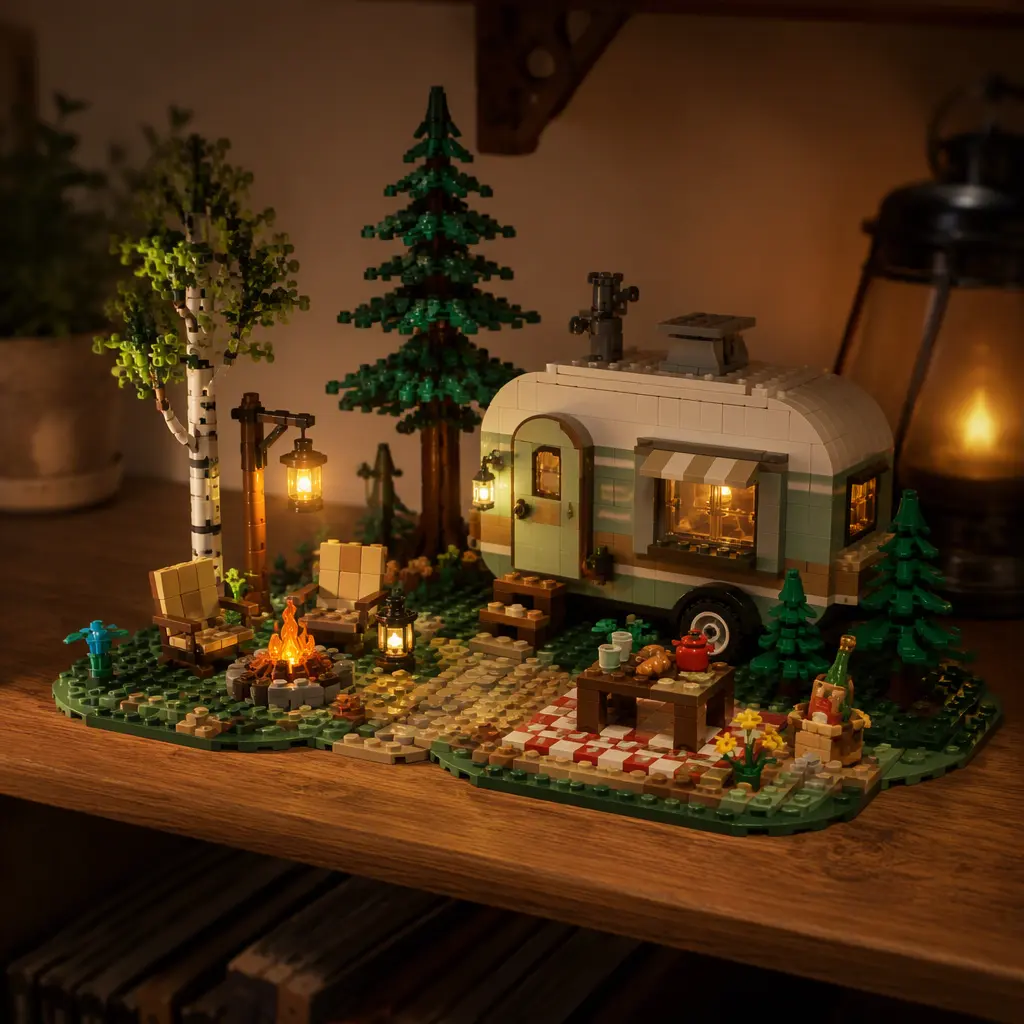
The range launched with multiple smaller sets rather than a single centerpiece model, reflecting the collectible nature of the source material. Some focus on homes and interior decoration, while others recreate outdoor activities like fishing, gardening or camping. The smaller scale makes it easier to combine different sets into one larger village display, which is part of the line’s long-term appeal.
Shoppers looking at LEGO Animal Crossing today will usually encounter a mix of standalone scene packs and character-focused builds. Because the sets rely heavily on recognizable atmosphere, details matter more than size alone. Many fans look for combinations of buildings, furniture and landscaping elements that can connect naturally together rather than chasing the largest box available.
- Look for sets with scenery elements that can combine into a larger village layout
- Character-focused sets tend to include more accessories for storytelling
- Smaller builds can work well as desk or shelf displays
- Official LEGO sets typically use sturdier connection systems and clearer instructions than generic imitators
- Check regional retailer availability, as some sets rotate in and out of stock seasonally
Frequently asked questions
Do LEGO Animal Crossing sets include electronic features?
The line focuses mainly on traditional brick building and physical play. Unlike some Nintendo-related LEGO products that incorporate digital interaction, these sets are primarily scenery-based and designed around customization and display.
Are the sets meant more for kids or collectors?
They are marketed broadly enough to appeal to both groups. Children can use the sets for imaginative storytelling, while adult fans often collect them because of the connection to the games and the compact decorative style.
Can different sets connect together?
Yes. Many of the builds are designed with modular layouts that encourage rearranging paths, buildings and scenery into larger shared village displays.
Do you need to know the Animal Crossing games to enjoy them?
Not necessarily. Familiarity with the games adds recognition for characters and locations, but the sets also function as approachable miniature building scenes with strong nature and home-decoration themes.
LEGO Animal Crossing reflects a broader shift in toys toward slower, more personal forms of play. Rather than pushing competition or complex technology, the sets focus on atmosphere, creativity and quiet customization. That combination helps explain why they resonate with both younger builders discovering the franchise for the first time and adults looking for a tactile, display-friendly hobby connected to a familiar digital world.