Pictionary Vs. AI: A Classic Party Game Meets Machine Vision
Mattel’s Pictionary Vs. AI updates the familiar drawing-and-guessing formula by having an AI system interpret sketches in real time, blending party-game chaos with app-based technology and new privacy questions.
Compare prices and availability
Check current prices and availability for this guide on eBay.
As an eBay Partner, we may be compensated if you make a purchase.
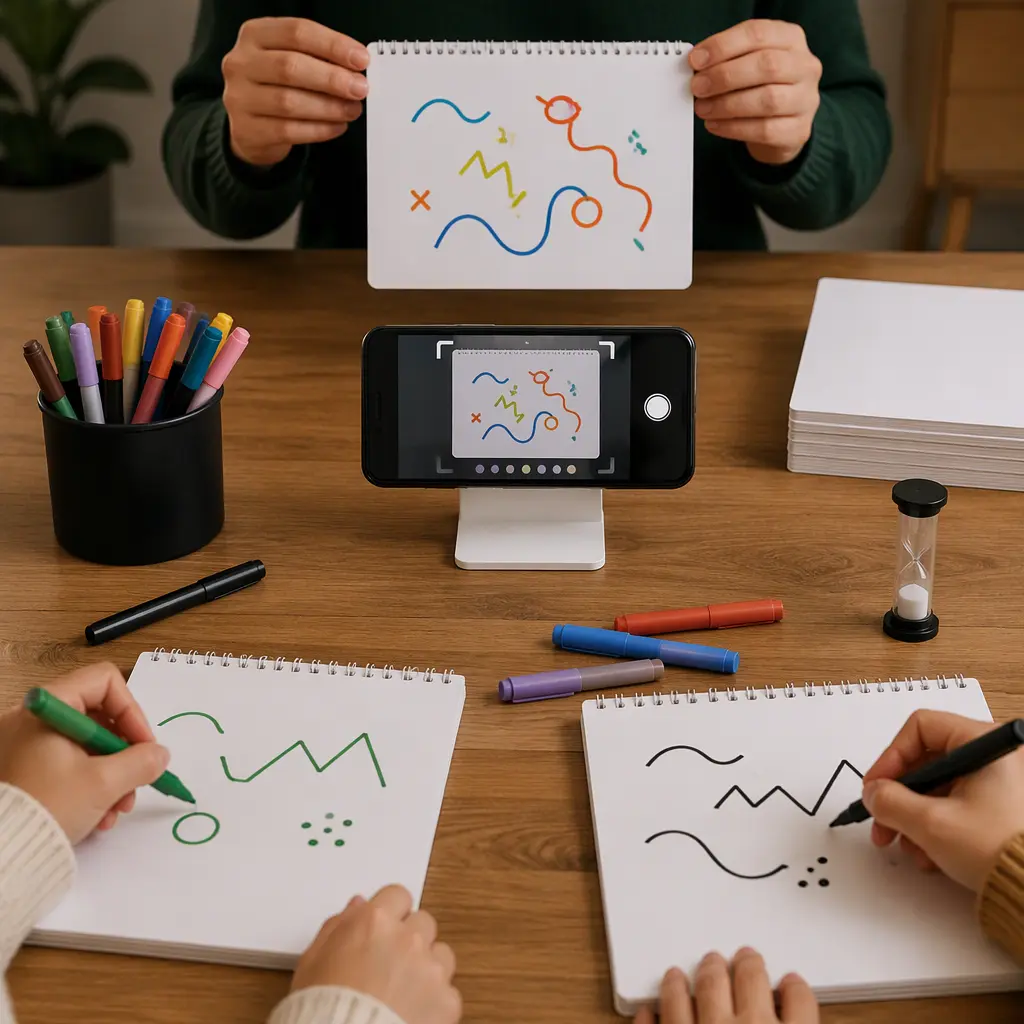
Pictionary has spent decades turning rough sketches into loud guesses, fast rounds, and the kind of family competition that works across generations. Mattel’s Pictionary Vs. AI keeps the basic idea intact but shifts the guessing role to software. Instead of another player trying to identify a drawing, an AI-powered app attempts to recognize what participants sketch in real time. That twist changes the feel of the game more than it first appears. It turns a familiar party activity into a conversation about phones at the table, machine vision, and how connected toys are reshaping even long-running board game brands.
Where it came from
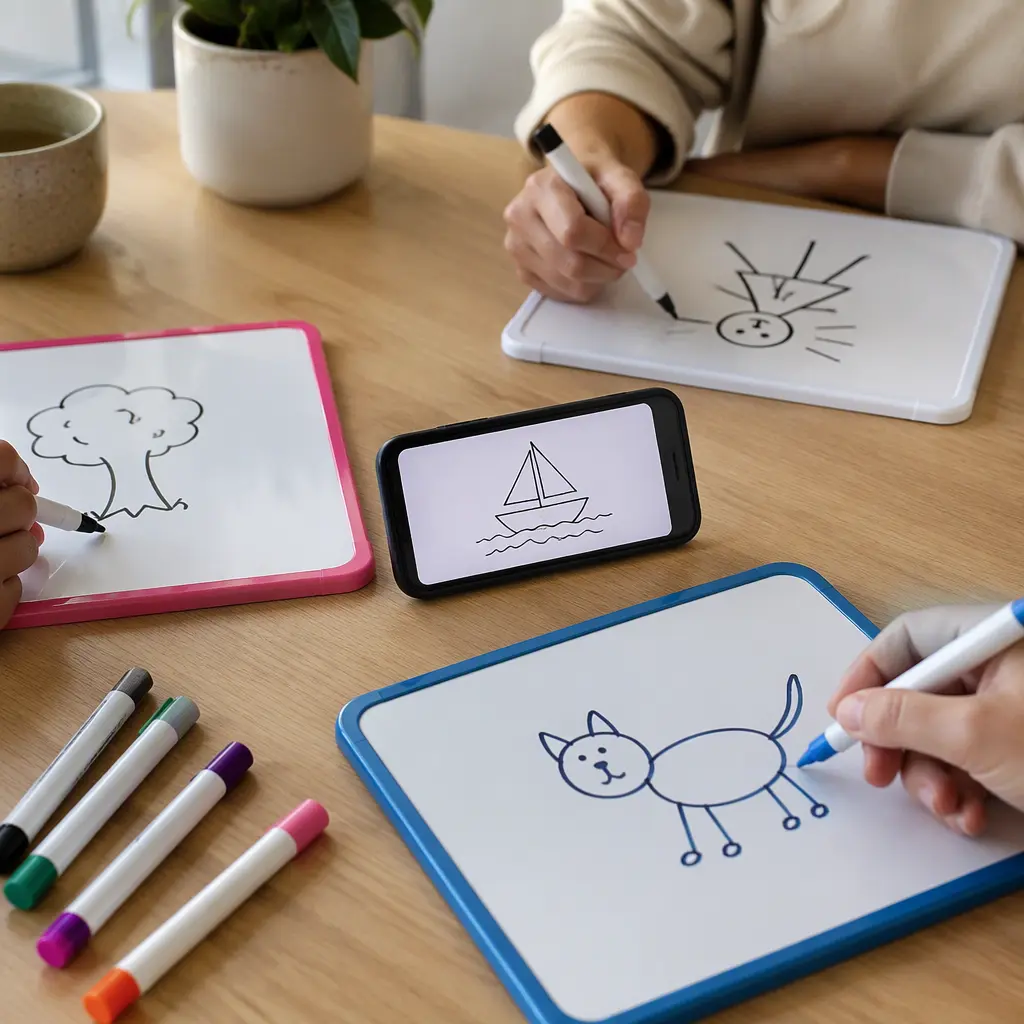
The original Pictionary debuted in the 1980s and quickly became one of the defining drawing-based party games. The concept was simple enough to explain in seconds: one player draws a clue while teammates race to guess the answer before time runs out. Unlike trivia games, it rewarded improvisation and humor more than specialist knowledge. The rougher the artwork, the funnier many rounds became.
Pictionary Vs. AI arrives during a period when toy and game companies are experimenting with artificial intelligence features to modernize familiar brands. Rather than replacing the core activity, Mattel’s version uses AI image recognition as the opponent or judge. Players draw prompts while a connected app attempts to interpret the sketch. That makes the software part referee and part entertainment feature. It also means the game depends on a compatible device and ongoing app support in a way earlier Pictionary editions never did.
Why it works
The strongest part of the concept is that it does not ask players to learn a completely different style of game. The pressure of sketching quickly while others react remains the center of the experience. What changes is the target audience for the drawing. Human players are often good at interpreting incomplete lines, inside jokes, or accidental clues. AI systems tend to rely more heavily on recognizable shapes and patterns. That can lead to surprisingly funny moments when a clear drawing is misunderstood or a scribbled image is identified correctly almost instantly.
There is also a subtle shift in strategy. Players may begin simplifying objects into symbols that image-recognition systems are more likely to identify. In that sense, the game becomes partly about understanding how machines “see” drawings. For older kids and adults, that technology angle may be just as interesting as the competition itself.
- Traditional timed drawing-and-guessing gameplay adapted for AI recognition
- Companion app used for scanning or interpreting player sketches
- Fast party-game structure that still supports team play
- Humor driven by AI misidentification as much as player creativity
- Easy-to-understand rules that build on an established family game format
Who it's for
Like earlier Pictionary releases, this version is aimed at mixed-age groups rather than solo play. Families with older children, teens, and adults are likely to get the most out of the technology angle because part of the appeal comes from comparing human interpretation with automated recognition. Younger children may still enjoy drawing rounds, but app setup and device handling are more likely to require adult involvement. Because the experience relies on a connected app, households also need to be comfortable using a smartphone or tablet during game night. Adults interested in AI trends may find it appealing even if they have not played Pictionary in years.
Variants and what to look for today
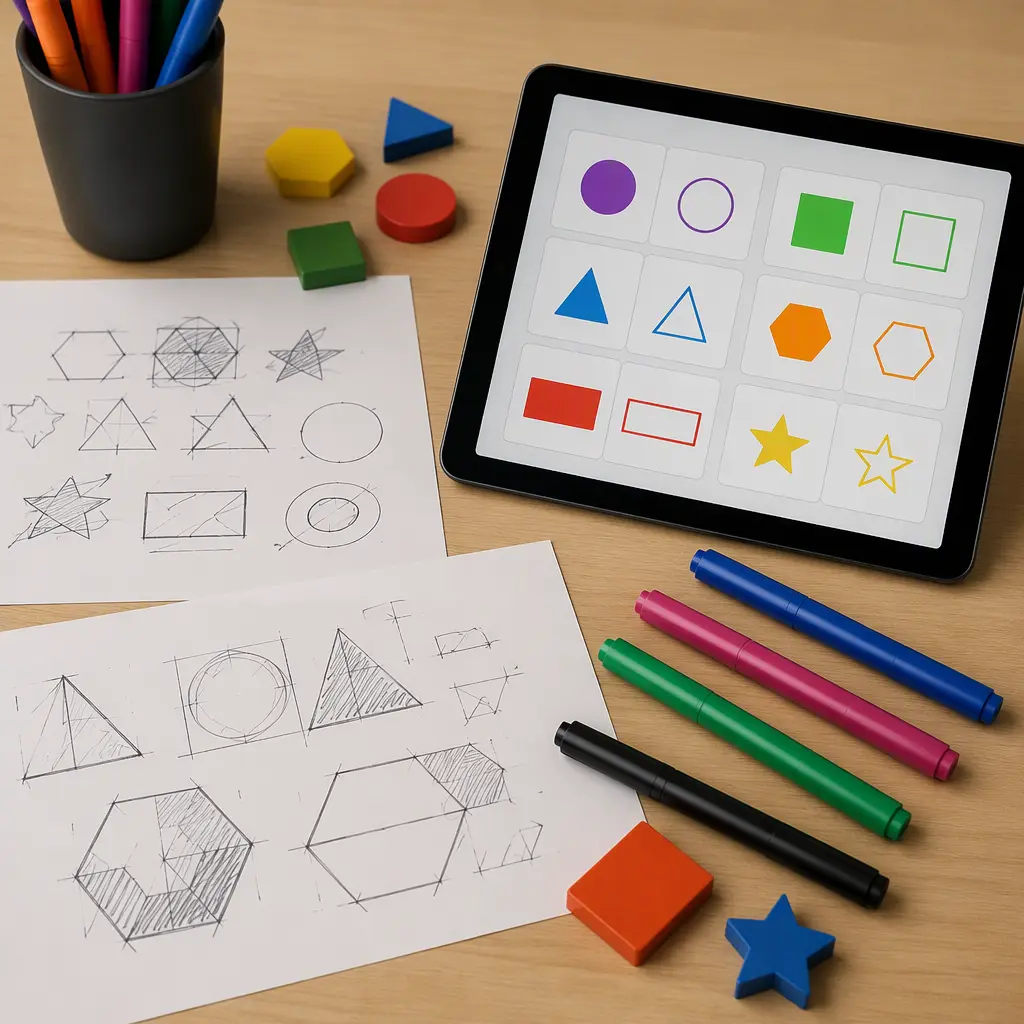
Because Pictionary exists as a long-running game family, shoppers may encounter several versions at retail alongside the AI-focused edition. Traditional board-driven sets remain widely available, as do travel-sized and family-party variations. The AI edition stands apart because it depends on companion software functionality rather than only physical components in the box.
That app requirement is the biggest practical consideration before buying. Families should confirm device compatibility, regional app availability, and whether the required software is still supported through current mobile operating systems. Connected games can change over time if publishers update or retire features. Parents may also want to review what information the app collects, whether images are processed locally or through cloud services, and whether user accounts are required for full functionality. Mattel and app storefront privacy disclosures are more useful here than assumptions based on older board games.
- Check supported phone or tablet operating systems before purchase
- Review app permissions related to camera access or image uploads
- Look for clear setup instructions for multiplayer use
- Be cautious with unofficial copies that imitate connected features without reliable app support
- Consider whether the game still has value if the app is unavailable in the future
Frequently asked questions
Does the game use generative AI?
The product is primarily built around AI image recognition rather than open-ended generative AI systems that create original artwork or conversation. The software’s role is to interpret player drawings and attempt to identify them.
Can you play without the app?
The AI-focused mechanics depend on a connected device and companion software. Some households may still adapt the physical materials for traditional drawing games, but the main advertised feature requires app support.
Does the app need internet access?
Requirements can vary depending on how image processing is handled and how the software is updated. Families should check official setup information and app-store descriptions for current connectivity expectations and regional support details.
Is this mainly for kids or adults?
The concept works best as a mixed-group party game. Children may enjoy trying to outsmart the AI with simple sketches, while adults are likely to appreciate the novelty of comparing machine recognition with human guessing.
Pictionary Vs. AI shows how established toy brands are experimenting with connected technology without abandoning the familiar mechanics that made them successful in the first place. The result is part party game and part technology demo, with all the strengths and trade-offs that come with app-connected entertainment. For families comfortable bringing a smartphone or tablet into game night, it offers a modern spin on one of the best-known drawing games ever made.