Thomas & Friends TrackMaster and the Rise of Motorized Railway Play
TrackMaster brought battery-powered movement to Thomas & Friends, blending classic railway storytelling with faster, easier train-set play for a new generation of kids.
Compare prices and availability
Check current prices and availability for this guide on eBay.
As an eBay Partner, we may be compensated if you make a purchase.
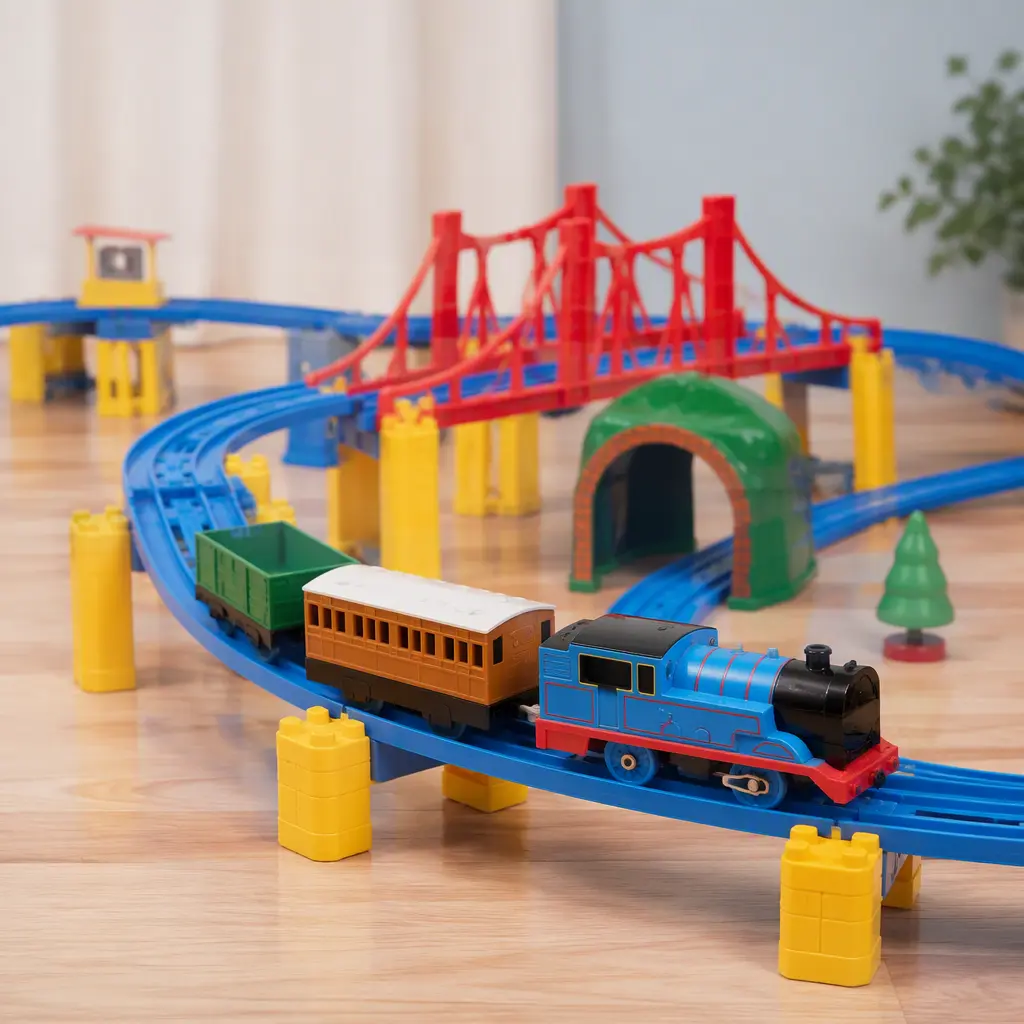
Thomas & Friends TrackMaster arrived at a moment when traditional toy train sets were competing with handheld electronics, licensed action toys, and faster-moving play trends. By adding battery-powered motion to the familiar world of Thomas the Tank Engine, the line gave younger children an easier way into railway play while keeping the storytelling charm that had defined the franchise for decades. The result was a toy family that felt more dynamic than wooden railway systems but still encouraged imaginative layouts, problem-solving, and collecting.
Where it came from
TrackMaster launched in 2007 as part of the long-running Thomas & Friends toy ecosystem. The franchise itself stretches back much further, beginning with the Railway Series books by the Reverend Wilbert Awdry in the 1940s and later expanding into television, merchandise, and multiple toy formats. Before TrackMaster, many children knew Thomas primarily through wooden train systems or push-along die-cast engines. Those formats emphasized open-ended play and collecting, but they often required more manual interaction and patience than some younger kids preferred.
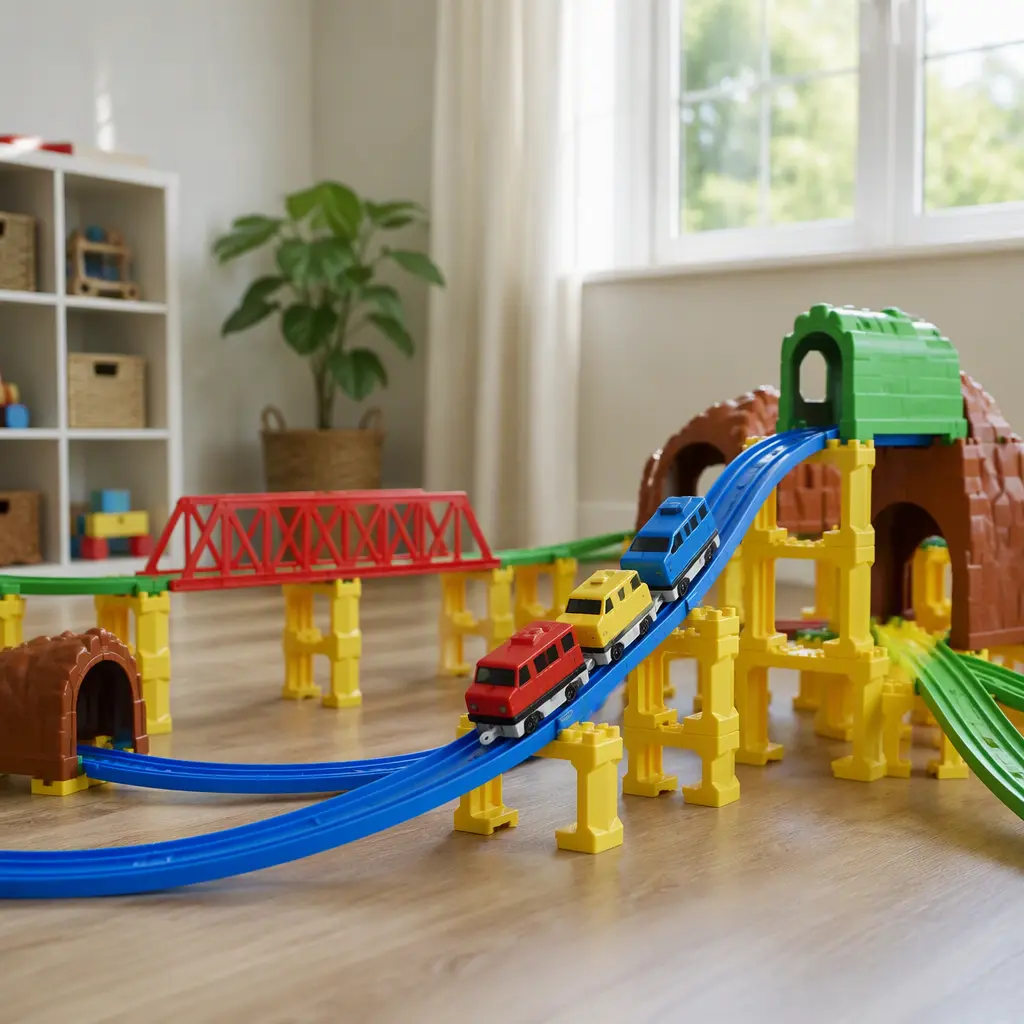
The motorized approach changed the rhythm of play. Instead of pushing trains around the track, children could build layouts and watch battery-powered engines navigate hills, switches, and elevated sections on their own. Early TrackMaster systems focused on portability and easy assembly, using lightweight plastic track that snapped together quickly. The sets also leaned heavily into recognizable scenes from the television series, giving children a way to recreate stories while experimenting with movement and track design. Over time, ownership and manufacturing partnerships shifted, and newer versions adjusted the track design and train speed, but the core idea remained the same: familiar characters combined with active railway motion.
Why it works
TrackMaster succeeded because it simplified train-set play without removing the appeal of building and customization. Battery-powered engines gave the system momentum right away. Children did not need advanced coordination to keep trains moving, and the constant motion made layouts feel busy and alive. Bridges, loops, crossing gates, and elevated curves created a sense of action that mirrored the fast pace of modern animated television.
At the same time, the toy retained many of the strengths that have always made train systems enduring play patterns. Kids could rearrange tracks, solve layout problems, connect destinations, and create stories around cargo deliveries or railway mishaps. Parents often appreciated that the toy balanced structured franchise play with hands-on experimentation. Even when children followed the themes of the show, they were still building physical environments and testing how trains interacted with them.
- Battery-powered engines keep play active without constant pushing
- Snap-together track allows fast setup and frequent redesigns
- Elevated layouts add motion and visual excitement
- Character-based engines encourage collecting and storytelling
- Compatible accessories expand layouts over time
- Preschool-friendly controls make independent play easier
Who it's for
TrackMaster has traditionally been aimed at preschool and early elementary-aged children, especially those already familiar with Thomas & Friends stories. The motorized system is approachable for younger kids because the trains largely move on their own once switched on. That makes the toy appealing to children who enjoy cause-and-effect play but may not yet have the patience for more detailed model railways. Adults who grew up with Thomas often find the sets nostalgic as well, particularly when revisiting classic engine characters or building larger layouts with younger family members.
Variants and what to look for today
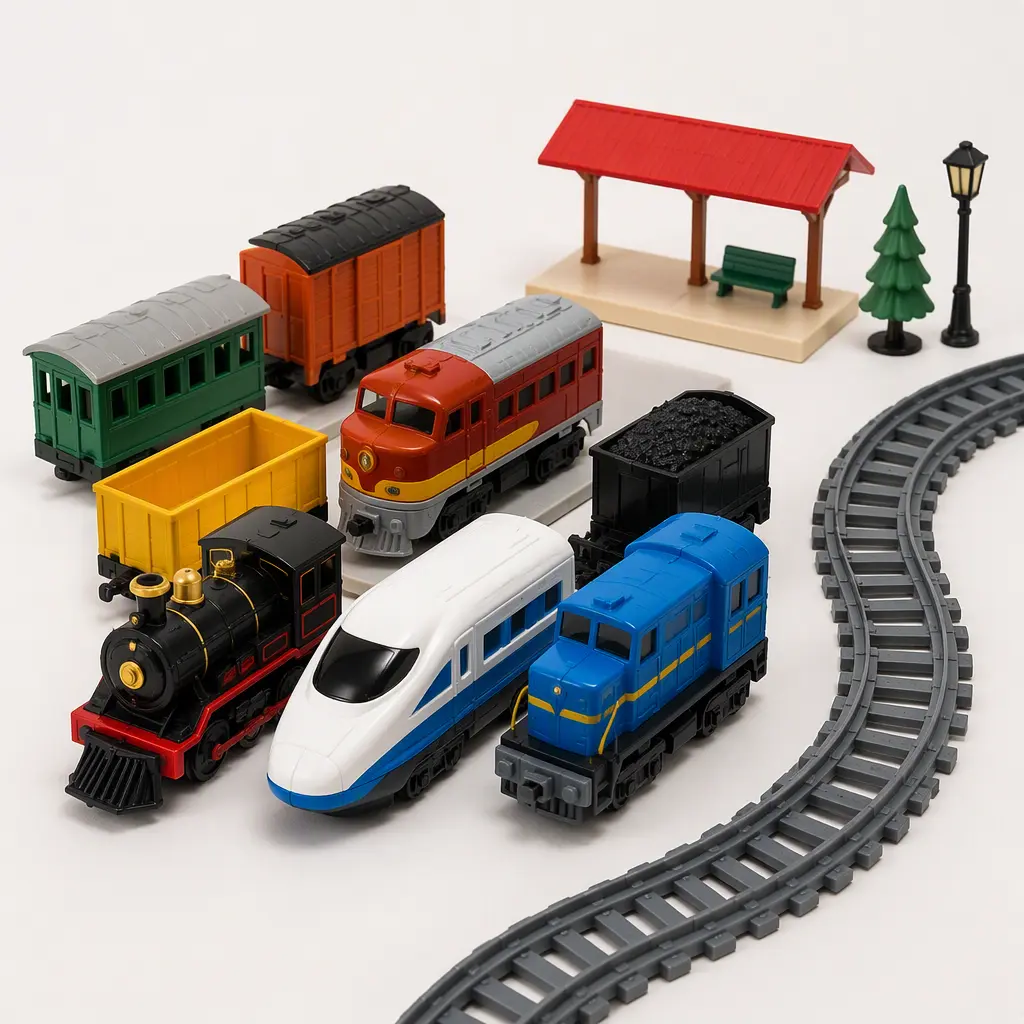
Over the years, TrackMaster has gone through several redesigns, and not every generation of track and trains works seamlessly together. Earlier systems used one style of connector, while later releases altered both the track shape and the train wheel configuration. For collectors or parents buying secondhand pieces, compatibility is one of the first things to check. Photos of the underside of engines and close-ups of track connectors can help determine whether sets belong to the same generation.
Modern versions tend to emphasize speed, simplified controls, and dramatic layouts with jumps, spirals, or themed playsets. Earlier releases are sometimes preferred by longtime fans because they focused more on broad system expansion and gentler train movement. Regardless of generation, condition matters. Battery corrosion, worn motor gears, and missing couplers are common issues in used sets. Generic off-brand track pieces may fit unevenly or create derailment problems, especially on elevated sections.
- Starter layouts are useful for younger children learning basic assembly
- Bridge and elevation packs create more active movement
- Motorized engines require regular battery checks and clean wheel contacts
- Secondhand bundles can be good value if track compatibility is confirmed
- Storage bins help keep smaller connectors and accessories organized
Frequently asked questions
Are all TrackMaster trains compatible with every track system?
No. Different generations of TrackMaster introduced changes to track connectors and train wheel spacing. Some adapters exist, but buyers should confirm compatibility before mixing older and newer sets.
How is TrackMaster different from wooden railway sets?
TrackMaster emphasizes battery-powered movement and plastic snap-together track, while wooden railway systems usually rely on push-along trains and open-ended layouts. The experience is generally faster and more action-focused.
Do the trains require a lot of maintenance?
The maintenance needs are fairly light. Fresh batteries, occasional cleaning, and careful storage usually keep the trains running well. Used engines may need extra attention if stored with batteries inside for long periods.
Why did TrackMaster remain popular for so long?
The line connected recognizable characters with active, easy-to-understand play. Children could watch trains move immediately while still building layouts and inventing stories, which helped the toy stay relevant even as digital entertainment became more common.
TrackMaster demonstrated that classic railway play did not need to disappear in the age of electronic entertainment. By combining motorized action with the familiar storytelling world of Thomas & Friends, the toy family introduced train sets to children who might never have engaged with more traditional systems. It remains one of the clearest examples of how an older toy concept can evolve without losing the imaginative foundation that made it successful in the first place.