Interactive Dolls vs. Classic Dolls for Ages 5–7
A parent-focused guide comparing interactive talking dolls and classic dolls for kids ages 5–7, with a clear look at play value, cost, durability, and how long each type tends to stay interesting.
Compare prices and availability
Check current prices and availability for this guide on eBay.
As an eBay Partner, we may be compensated if you make a purchase.
For kids ages 5–7, dolls often play a big role in pretend play, storytelling, and social development. Parents shopping in this age range usually face a common question: are interactive talking dolls worth the extra cost, or do classic dolls offer better long-term value? Both types can support imaginative play, but they do it in different ways. This guide breaks down how interactive and classic dolls compare in play value, durability, cost, and how long kids tend to stay interested.
What to look for
When choosing between interactive and classic dolls, it helps to look beyond the initial excitement. Kids ages 5–7 are developing more complex stories and social skills, so the best choice depends on how the doll supports open-ended play, how sturdy it is, and how much ongoing effort it requires from adults.
- Play flexibility: Can the doll be used in many different stories, or does it follow a set script?
- Durability: Will it hold up to frequent play, costume changes, and being carried around?
- Maintenance: Does it require batteries, charging, or software updates?
- Noise and control: Are sounds adjustable or easy to turn off when needed?
- Cost over time: Will accessories, replacements, or repairs add to the price?
Age suitability
Kids ages 5–7 sit in a transition stage. They’re old enough to understand basic technology and enjoy responsive toys, but they’re also deep into imaginative play. Interactive dolls often appeal at first because they talk, sing, or respond to touch. Classic dolls, on the other hand, rely entirely on the child to create voices, personalities, and scenarios, which can match well with this age group’s growing creativity.
Standout categories or types
Interactive dolls are designed to lead play. They may speak phrases, answer questions, or react when a button is pressed. For some kids, this can spark role-play ideas and provide companionship-style play. However, the play patterns often repeat once all responses are learned.
Classic dolls are simpler by design. They don’t talk or move on their own, which means kids control every part of the story. Many parents find these dolls adapt more easily as kids grow, working just as well for family role-play at age 5 as for detailed storytelling at age 7 or beyond.
- Interactive talking dolls: Engaging at first, feature-driven, often higher cost
- Classic fashion dolls or soft-bodied dolls: Open-ended, typically more durable, usually lower cost
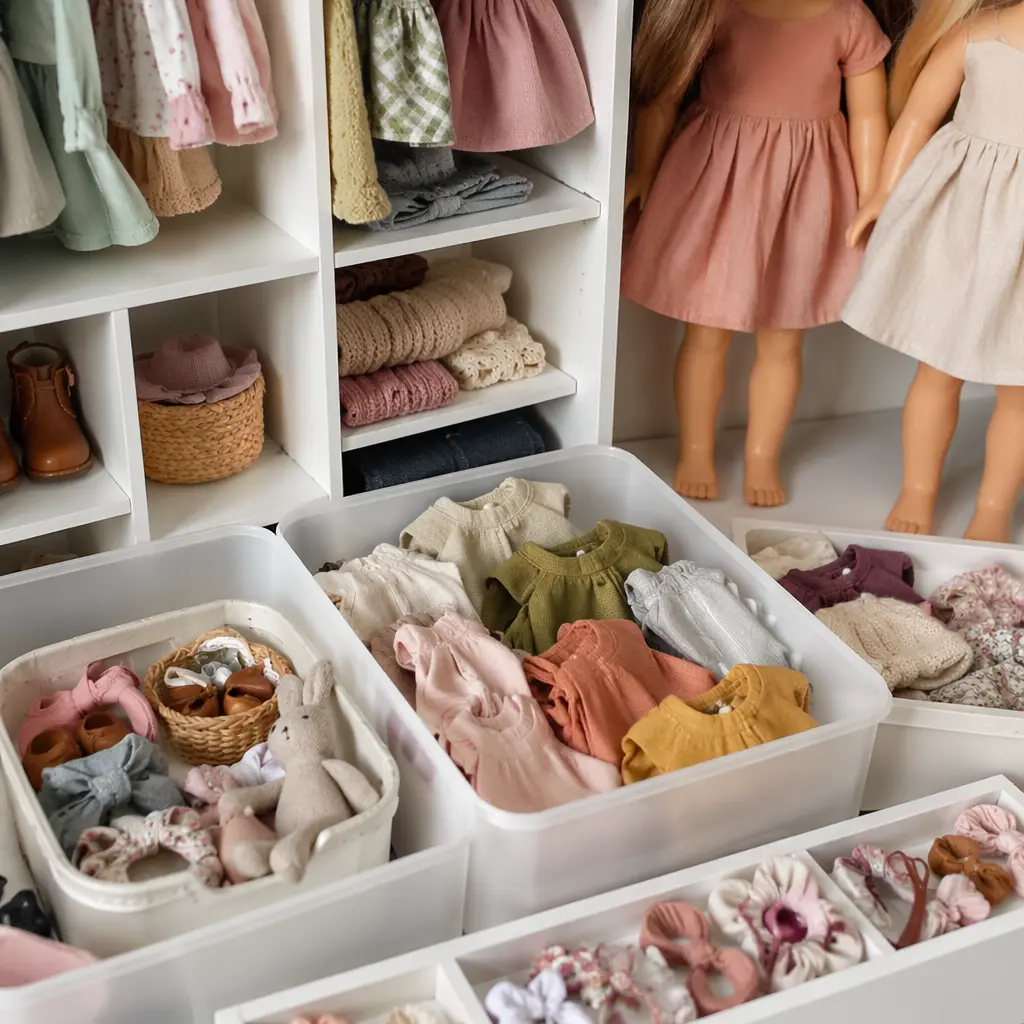
- Dolls with changeable outfits and accessories: Extend play without electronics
- Emotion or care-focused dolls: Support nurturing and social role-play
Frequently asked questions
Do interactive dolls limit imagination?
They can, depending on the child. Some kids enjoy building stories around the doll’s responses, while others rely on the built-in phrases instead of creating their own dialogue.
Are classic dolls boring for kids this age?
For many kids ages 5–7, classic dolls are not boring at all. This age group often enjoys inventing characters, voices, and long storylines, which classic dolls support well.
How long do interactive dolls usually stay interesting?
Interest often peaks early. Once kids learn all the phrases or actions, some dolls see less frequent play unless combined with other toys or imaginative setups.
Are interactive dolls harder to maintain?
Yes. They usually require batteries or charging and can stop working if dropped or exposed to moisture. Classic dolls tend to have fewer points of failure.
When deciding between interactive and classic dolls, consider how your child plays day to day. Interactive dolls can add novelty and guided play, while classic dolls often offer more staying power and flexibility. For many families, a mix of both types creates the most balanced play environment.