Interactive Dolls vs Traditional Dolls (Ages 6–8)
A parent-friendly guide comparing interactive and traditional dolls for kids ages 6–8, with a focus on imaginative play, learning value, screen balance, and safety.
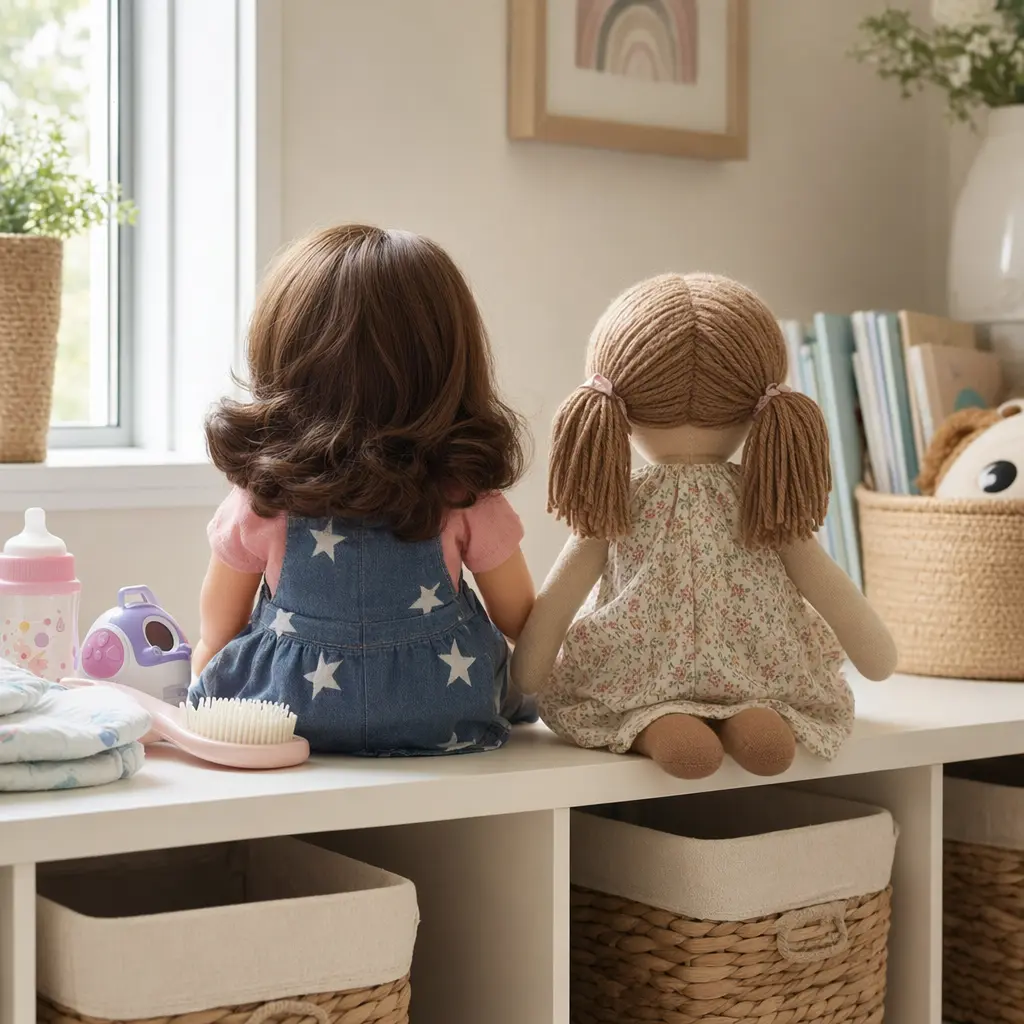
Compare prices and availability
Check current prices and availability for this guide on eBay.
As an eBay Partner, we may be compensated if you make a purchase.
For kids ages 6–8, dolls can be a powerful tool for storytelling, social learning, and creative play. Parents today often choose between tech-enhanced interactive dolls and classic traditional dolls. Both can support imaginative play, but they do so in different ways. Understanding how each type works can help you match a doll to your child’s interests, learning style, and daily routines.
What to look for
When comparing interactive and traditional dolls, it helps to focus less on trends and more on how your child actually plays. Some kids enjoy guided prompts and built-in responses, while others prefer open-ended toys that leave the story entirely up to them. The right choice often depends on attention span, sensitivity to sound, and how much independence you want the toy to encourage.
- Play style: guided interaction versus open-ended imagination
- Complexity: simple designs or multi-feature controls
- Durability: resistance to drops, spills, and frequent handling
- Noise level: silent play versus sounds and voice responses
- Maintenance: batteries, charging, or software updates
Age suitability
Children ages 6–8 are developing more complex storytelling skills and social awareness. Interactive dolls may appeal to kids who enjoy cause-and-effect play, structured games, or tech-driven experiences. Traditional dolls often suit children who like to invent characters, act out longer stories, and use dolls as props rather than play leaders. At this age, many kids can enjoy either type, but preferences tend to become clearer.
Standout categories or types
Interactive dolls typically include sensors, buttons, or voice features that respond to a child’s actions. Some focus on conversation, others on games, caregiving routines, or educational prompts. These dolls can be engaging and may hold attention longer for children who enjoy structured feedback or novelty.
Traditional dolls, including cloth, vinyl, or poseable figures without electronics, emphasize simplicity. They rely on the child to supply the voices, emotions, and storylines. This open-ended approach can support creativity, emotional expression, and cooperative play with siblings or friends.
- Interactive dolls with sound or motion responses
- Interactive dolls focused on learning or routines
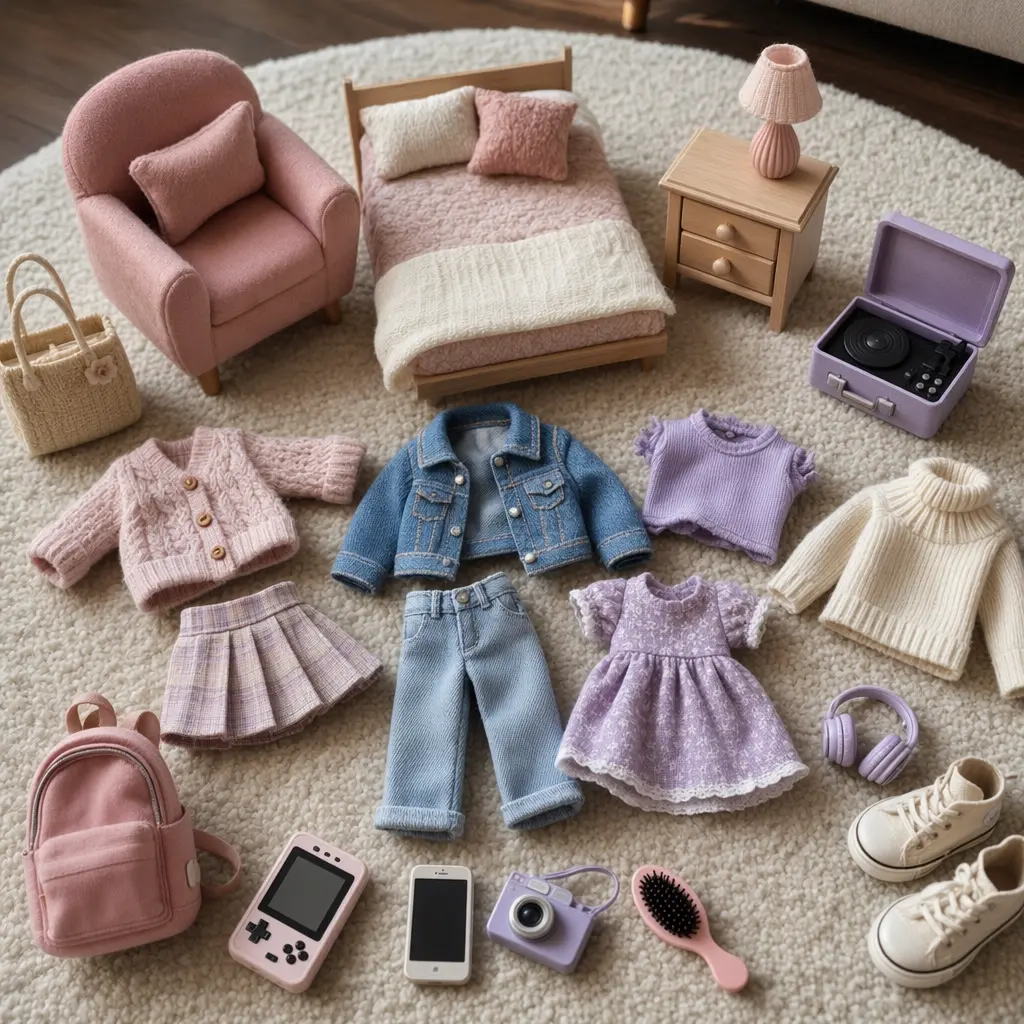
- Classic fashion dolls with changeable outfits
- Soft-bodied dolls for storytelling and role-play
- Poseable dolls designed for action-based narratives
Frequently asked questions
Do interactive dolls limit imagination?
They can, depending on the design. Dolls that rely heavily on scripted responses may guide play more than some kids prefer. Others allow enough flexibility to blend prompts with original stories.
Are traditional dolls better for creative play?
Traditional dolls often encourage deeper imaginative play because nothing is pre-programmed. Children create all dialogue and scenarios themselves, which can support creativity and social skills.
How long do interactive dolls stay interesting?
Interest can fade once all features are explored, especially if content is limited. Longevity improves when the doll supports multiple modes of play or works alongside other toys.
Are batteries and charging a drawback?
For some families, yes. Battery replacement or charging adds cost and maintenance. Traditional dolls avoid this issue and are always ready for play.
Choosing between interactive and traditional dolls does not have to be an either-or decision. Many families find that a mix works well, offering both tech-enhanced engagement and open-ended imaginative play. By considering how your child plays today and how you want playtime to feel at home, you can choose dolls that support fun, creativity, and growth.