Pixel Chix: When dolls moved onto tiny screens
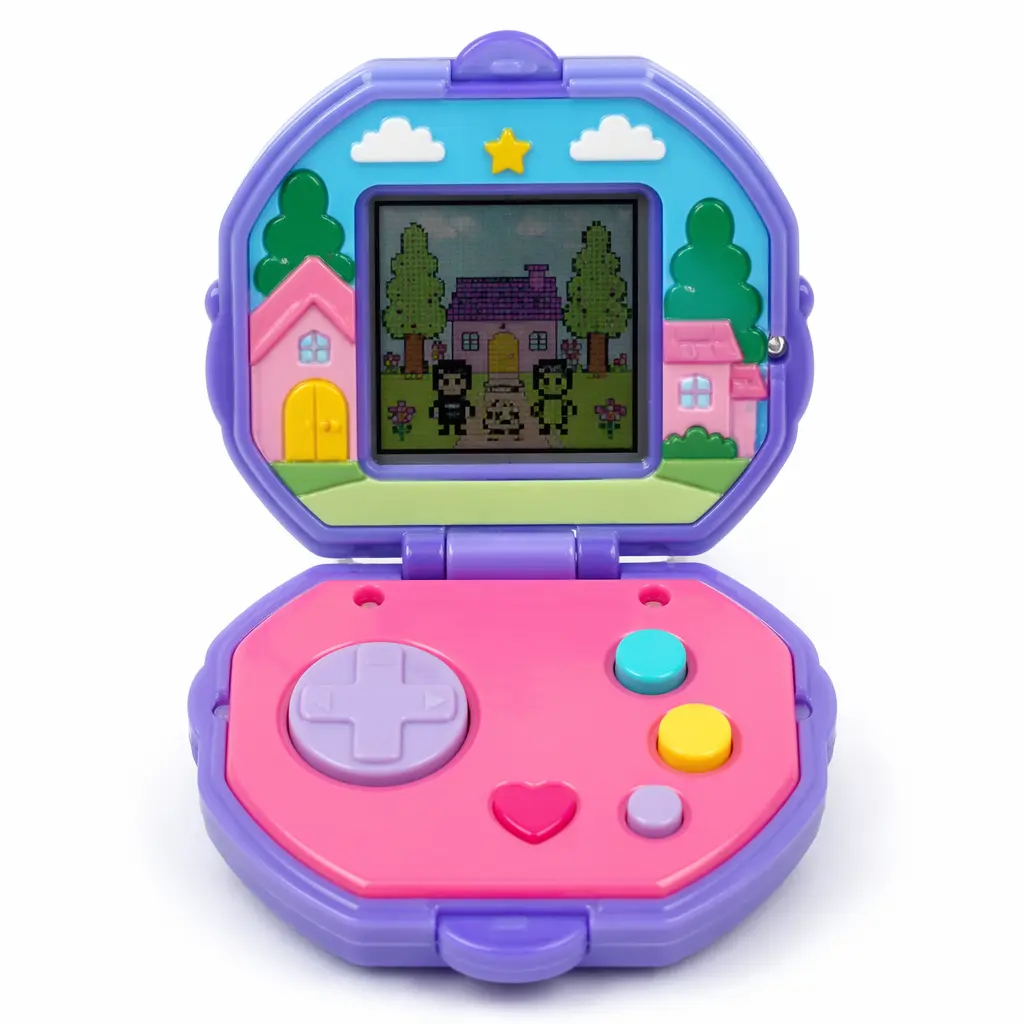
Pixel Chix blended dolls with early digital life, letting kids care for on‑screen characters through physical playsets at a moment when toys began to feel like devices.
Compare prices and availability
Check current prices and availability for this guide on eBay.
As an eBay Partner, we may be compensated if you make a purchase.
Pixel Chix arrived at a turning point in toy history, when playrooms were beginning to feel the pull of screens. Neither a traditional doll nor a full-blown video game, Pixel Chix offered a small digital character you could care for, decorate, and interact with using real buttons and physical accessories. For many kids in the late 2000s, it was their first taste of digital life packaged as a doll.
Where it came from
Pixel Chix launched in 2008, created by the toy company Moose at a time when digital pets and handheld games were already familiar to kids. The idea was to merge that screen-based engagement with the storytelling and caretaking play traditionally associated with dolls.
Instead of asking kids to imagine everything, Pixel Chix showed them a character living inside a tiny screen. Bedrooms, shops, and social scenes played out in simple pixel graphics, while the physical casing — often shaped like a house or compact — grounded the experience in something you could hold, press, and open.
Why it works
The appeal of Pixel Chix lies in how it balanced guidance and imagination. The screen provided feedback and structure, while the player still made choices about routines, outfits, and interactions. It felt responsive without being overwhelming, a key reason it clicked with younger players.
- Simple pixel animation that felt friendly rather than game-like
- Clear cause-and-effect interactions through physical buttons
- Routine-based play that encouraged return visits
- Compact size that made it feel personal and portable
Who it's for
Pixel Chix was aimed primarily at children in the early primary-school years, especially those drawn to dolls and pretend play. It also found an audience with parents who were cautious about full gaming devices, since the experience was contained and age-appropriate. Today, it appeals to collectors and adults nostalgic for the moment when digital play first felt approachable and toy-like.
Variants and what to look for today
Pixel Chix came in several themed formats, including homes, shops, and social hangouts, each offering slightly different interactions. While the core concept stayed the same, these variations added replay value and let kids choose settings that matched their interests.
If you're seeking one today, condition matters more than theme. Look for units with responsive buttons, clear screens, and intact battery compartments. Generic lookalikes exist, but the originals are known for sturdier construction and clearer visuals.
Frequently asked questions
Was Pixel Chix a video game?
Not quite. While it used a screen and digital graphics, Pixel Chix focused on caretaking and routine rather than levels, scores, or competition.
Did it replace traditional dolls?
For most kids, it complemented rather than replaced them. Pixel Chix offered a different kind of play — structured, responsive, and screen-based — alongside physical dolls.
Why do people still remember it?
Pixel Chix stands out as an early example of blending digital life with toy design, capturing a specific moment in how children began to interact with technology.
Looking back, Pixel Chix feels like a bridge between eras. It didn’t fully embrace gaming, nor did it abandon traditional play. Instead, it quietly introduced a generation to the idea that dolls could live on screens — a concept that now feels completely normal.