Cheap Outdoor Toys That Inspire Kids to Invent Games
A buyer’s guide to low-cost, no-battery outdoor toys for ages 3–5 that encourage open-ended play, movement, and imagination—without screens or complicated rules.
Compare prices and availability
Check current prices and availability for this guide on eBay.
As an eBay Partner, we may be compensated if you make a purchase.
Some of the best outdoor toys for young kids are also the simplest. Low-cost items with no batteries or built-in rules invite children to make up their own games, change them on the fly, and play together in new ways. For ages 3–5, this kind of open-ended outdoor play supports physical skills, creativity, and cooperation—without requiring expensive gear or constant adult direction.
What to look for
When shopping for inexpensive outdoor toys that encourage kids to invent their own games, focus less on features and more on flexibility. The goal is to find items that can be used in many ways and grow with your child’s imagination.
- Open-ended design: Items without a single “right” way to play encourage creativity and problem-solving.
- Durability: Simple materials that can handle being tossed, dragged, or left outside briefly.
- Lightweight and easy to carry: Helps young kids set up and change games on their own.
- Minimal rules: Toys that don’t require instructions invite kids to make their own.
- Affordable and replaceable: Low cost means less stress if something gets lost or worn out.
Age suitability
For children ages 3–5, outdoor toys should match developing motor skills and short attention spans. At this stage, kids enjoy running, throwing, stacking, and pretending. Toys that are too complex or heavy can limit play, while very small pieces may not be appropriate. Look for items sized for preschoolers that allow for big movements and simple challenges, like aiming, balancing, or sorting.
Standout categories or types
Certain types of outdoor toys consistently spark imaginative play because they can become almost anything in a child’s game. These categories are usually inexpensive and easy to find, making them practical choices for families on a budget.
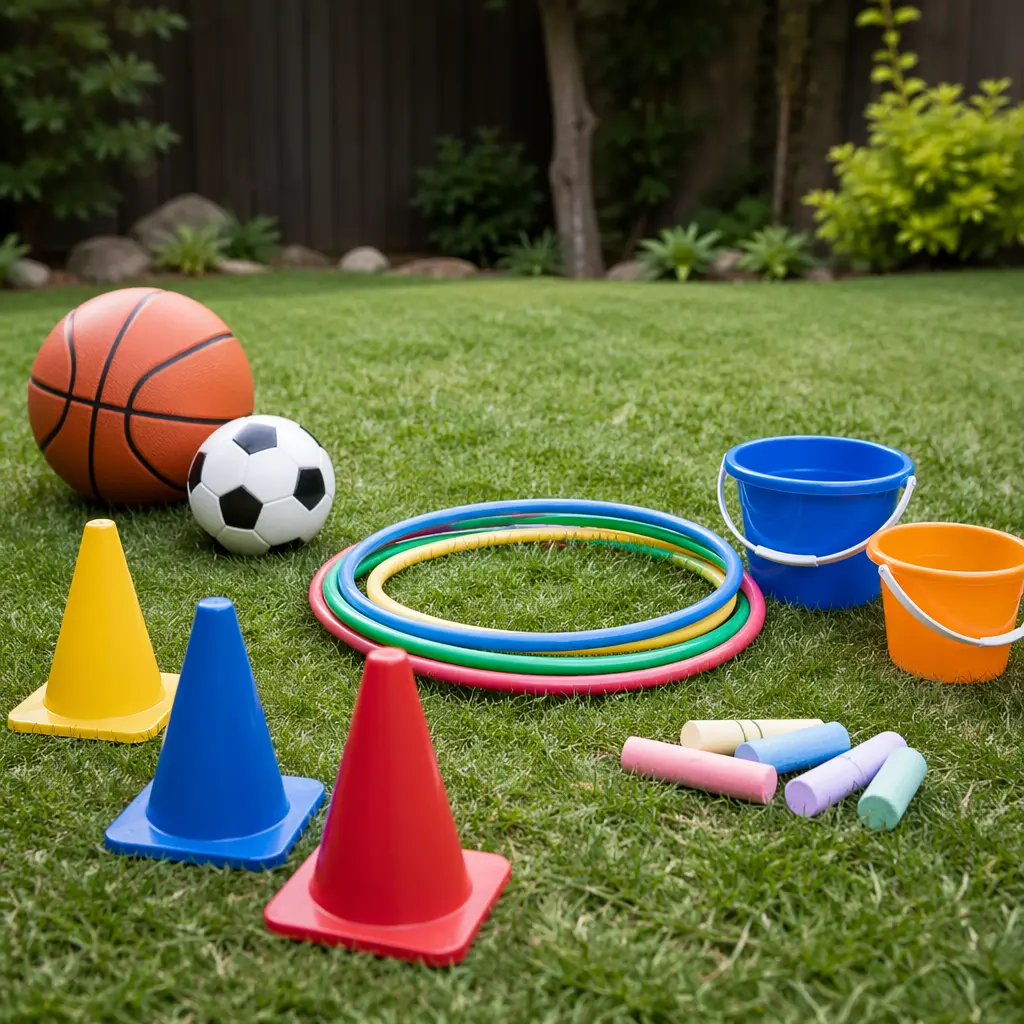
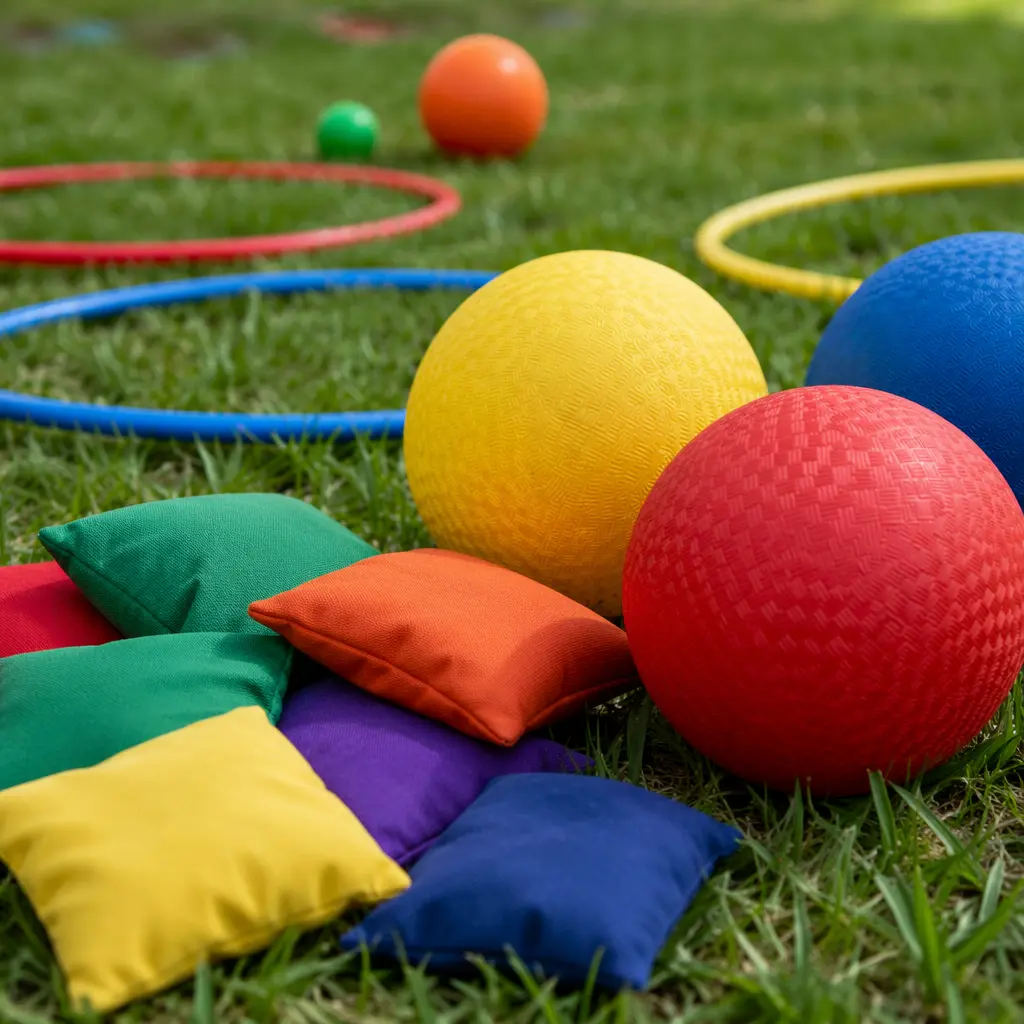
- Loose play items: Balls, bean bags, and soft flying toys can be used for throwing games, obstacle courses, or pretend play.
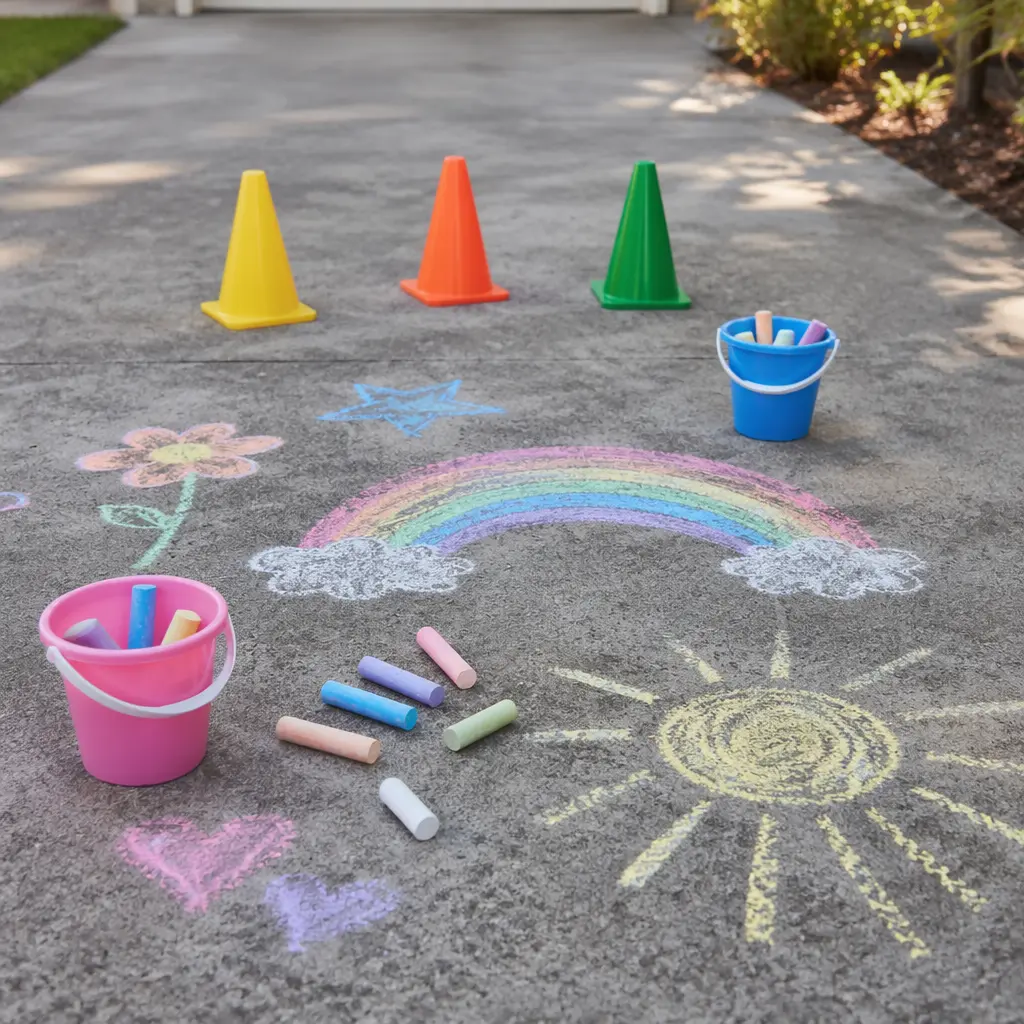
- Marking tools: Sidewalk chalk or simple cones let kids draw paths, invent rules, and redesign their play space.
- Building and stacking pieces: Buckets, crates, or foam blocks can turn into towers, targets, or pretend structures.
- Ride-and-move basics: Push toys or simple ride-ons encourage movement while leaving room for imaginative scenarios.
- Nature-friendly tools: Items like scoops or sifters pair well with sand, dirt, or leaves for exploratory play.
Frequently asked questions
Why are open-ended outdoor toys better for creativity?
Open-ended toys don’t tell kids what to do. Without built-in sounds, scores, or scripts, children create their own goals and stories. This kind of play supports imagination, flexible thinking, and social skills as kids negotiate rules together.
Do cheap outdoor toys last long enough?
Many low-cost toys are surprisingly durable because they are simple. Fewer moving parts mean fewer things to break. Choosing basic materials and storing items out of extreme weather can help extend their life.
How many outdoor toys does a preschooler need?
A small collection is often enough. A few versatile items can be mixed and matched to create many different games. Too many choices at once can actually make it harder for young kids to focus.
Can these toys work for mixed-age play?
Yes. Open-ended outdoor toys are easy to adapt for siblings or friends of different ages. Older children can add rules or challenges, while younger ones participate at their own level.
Cheap outdoor toys that encourage kids to invent their own games offer strong value beyond their price. By focusing on simplicity, durability, and flexibility, parents can create an outdoor play setup that supports creativity, movement, and fun—without screens, batteries, or complicated instructions.