Top Outdoor Toys That Get Kids Moving Without Screens
A parent-friendly guide to outdoor toys that encourage active play for ages 6–8. Learn what features matter, age fit, safety tips, and popular toy types that help reduce screen time.
Compare prices and availability
Check current prices and availability for this guide on eBay.
As an eBay Partner, we may be compensated if you make a purchase.
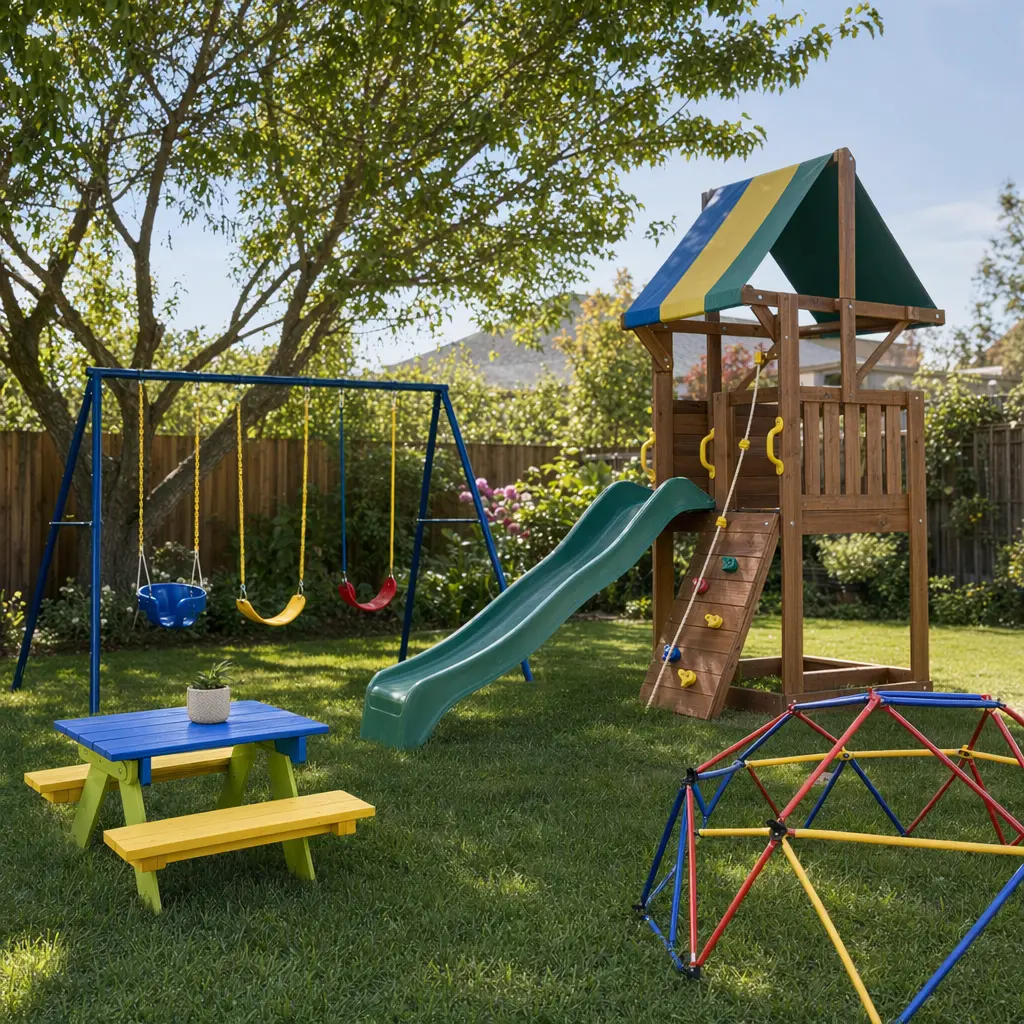
For many families, reducing screen time starts with offering appealing alternatives. Outdoor toys that encourage movement can help children ages 6–8 burn energy, build coordination, and enjoy unstructured play. The best options feel fun first and educational second, giving kids reasons to run, climb, pedal, and invent games on their own.
What to look for
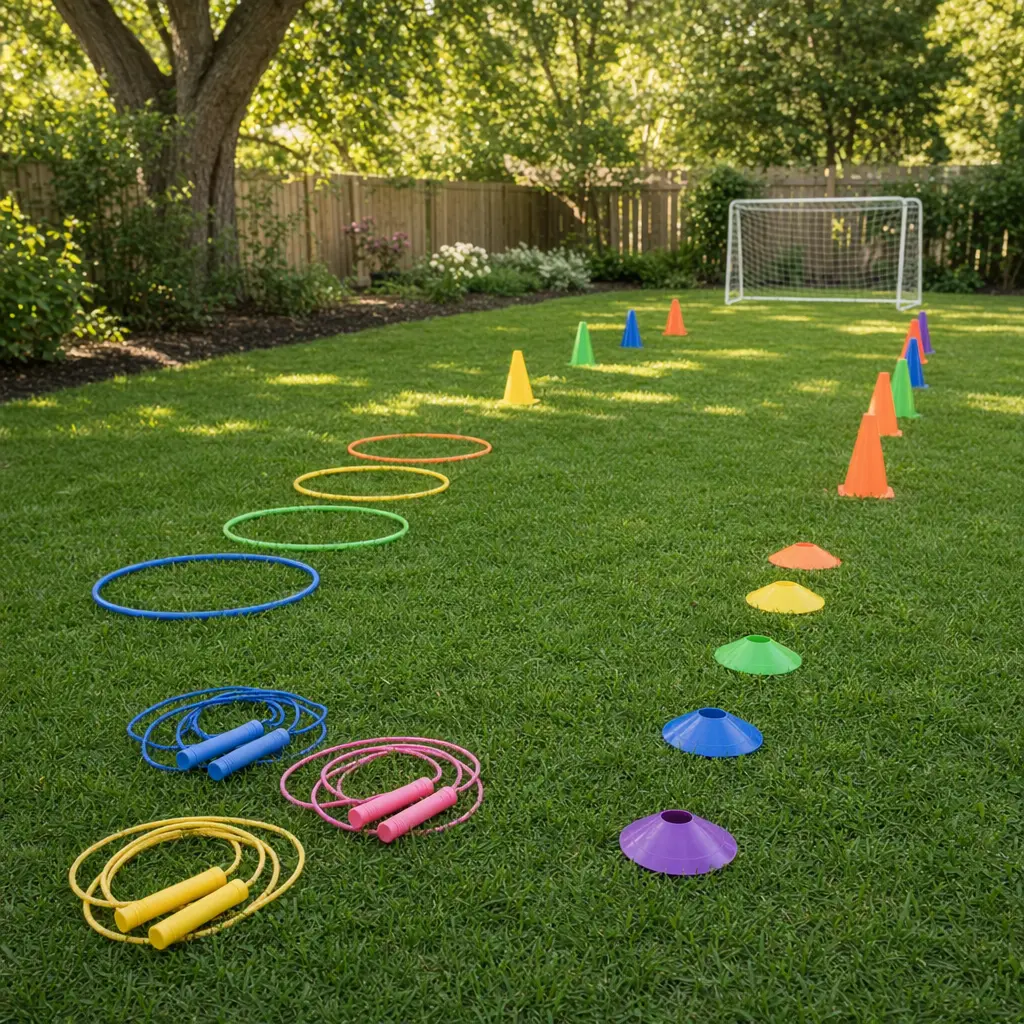
When choosing outdoor toys for this age group, focus on items that invite movement and can grow with your child. Kids ages 6–8 are developing strength, balance, and social play skills, so toys should support both solo and group activities. Durability and ease of setup also matter, especially for toys that will live outside.
- Encourages full-body movement like running, jumping, or pedaling
- Adjustable or flexible design to fit different skill levels
- Sturdy materials that hold up to active play and weather
- Simple rules or open-ended play that kids can invent around
- Easy storage or quick setup to make outdoor time convenient
Age suitability
Children between 6 and 8 are often ready for toys that involve more coordination and light strategy than preschool gear. Look for products labeled for early elementary ages, and check size and weight limits carefully. At this stage, kids enjoy mastering skills, so toys that offer a bit of challenge—without being frustrating—tend to keep their interest longer.
Standout categories or types
Some types of outdoor toys consistently succeed at pulling kids away from screens because they combine movement with imagination. Ride-on toys like scooters or pedal-powered vehicles encourage independence and cardiovascular activity. Sports-inspired toys, such as practice goals or throwing games, help build coordination and can be played alone or with friends.
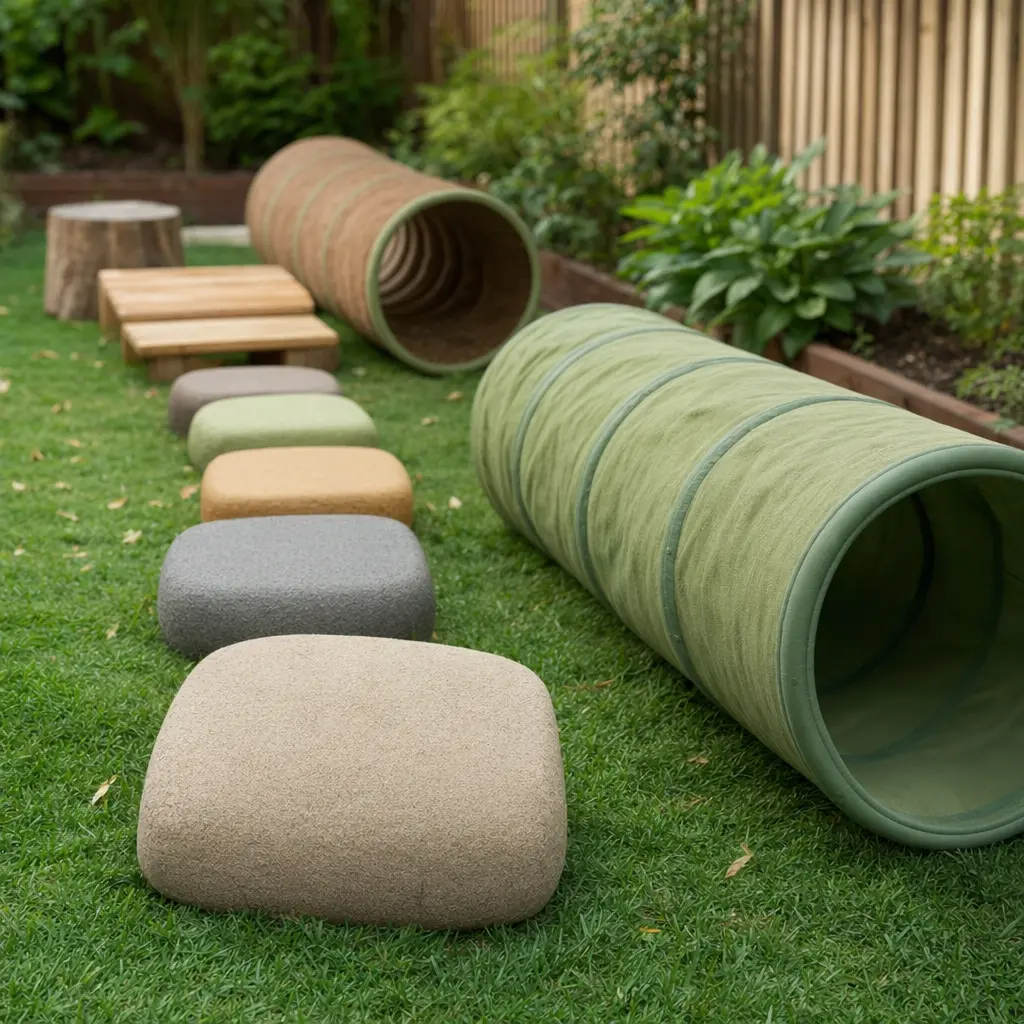
Open-ended equipment is another strong choice. Items like balance paths, stepping stones, or obstacle components let kids design their own challenges. These toys often adapt well to different spaces and can be rearranged as children’s skills improve, extending their usefulness over several years.
Frequently asked questions
How much outdoor play do kids ages 6–8 need?
Many experts recommend at least 60 minutes of active play per day. Outdoor toys can help make that time enjoyable by giving kids a clear reason to move.
What if my child prefers screens?
Start with short outdoor sessions and toys that match your child’s interests, such as games with goals or challenges. Over time, positive experiences can make active play feel like a natural choice.
Are these toys suitable for small yards?
Yes. Many active-play toys are designed for compact spaces, including foldable goals, jump games, and balance equipment that can be used in short bursts.
Do outdoor toys really help reduce screen time?
They can, especially when outdoor play is part of a routine. Having engaging options readily available makes it easier for kids to choose movement over screens.
Outdoor toys that get kids moving don’t need to be complicated or high-tech. The most effective options are those that invite action, creativity, and repeat play. By choosing age-appropriate, durable toys that encourage movement, parents can support healthier habits and make screen-free time something kids look forward to.