Roller Skates: Why learning to glide still matters
From seaside promenades to school gyms, roller skates teach balance, resilience, and joy. A look at how a classic ride-on endured by turning falling down into a reason to get back up.
Compare prices and availability
Check current prices and availability for this guide on eBay.
As an eBay Partner, we may be compensated if you make a purchase.
Roller skates aren’t flashy, digital, or new—and that’s exactly why they keep coming back. For generations, learning to skate has meant wobbling knees, scraped palms, and the small thrill of suddenly gliding a few metres without falling. Few toys teach persistence so directly. You try, you fall, you try again—and then one day, it clicks.
Where it came from
The idea of attaching wheels to shoes dates back to the 18th century, but roller skates as we recognise them took off in the late 19th and early 20th centuries. Early designs aimed to mimic ice skating during warmer months, with metal wheels and rigid frames. Over time, rubber wheels, better bearings, and supportive boots made skating smoother and safer.
By the mid-1900s, roller skating had become a social activity as much as a sport. Rinks opened across towns and cities, school halls hosted skating sessions, and seaside paths filled with families learning together. Skates weren’t invented as toys, but they quickly became a rite of passage for kids—and a nostalgic hobby for adults.
Why it works
At its core, roller skating is about mastering controlled movement. Unlike many toys, skates don’t do anything on their own—you supply the balance, momentum, and decision-making. That challenge is what makes success feel earned. Each improvement is obvious and motivating.
- Immediate feedback: you feel every shift of weight
- Progressive learning curve, from standing still to gliding and turning
- Physical engagement that builds balance and coordination
- Room for personal style, from cautious cruising to confident spins
The act of falling is built into the experience. Learning how to fall safely, get back up, and keep going is a quiet lesson in resilience—one that sticks long after the skates come off.
Who it's for
Children typically start roller skating once they have strong basic balance, often around early primary-school age, though supportive designs exist for beginners. For adults, skates offer low-impact exercise and a strong nostalgia hit. Unlike many childhood toys, roller skates don’t age out—you can return to them decades later with the same sense of challenge and freedom.
Variants and what to look for today
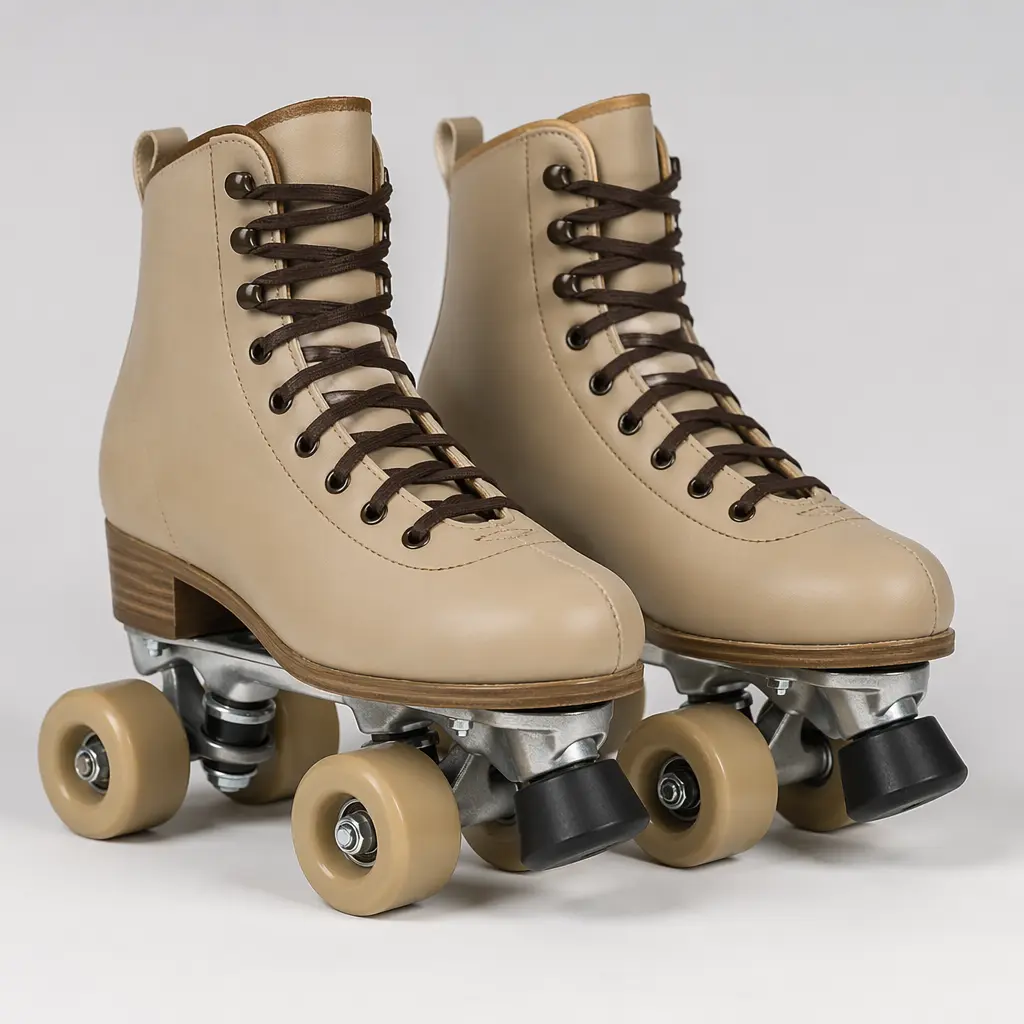
Today’s roller skates generally fall into two camps: classic quad skates with two wheels at the front and back, and inline skates with wheels in a single line. Quads remain popular for beginners because they feel more stable at low speeds, while inline skates appeal to older kids and adults looking for speed and distance.
- Adjustable sizing for growing feet
- Supportive ankle boots with secure fastenings
- Replaceable wheels and bearings for longevity
- Protective gear compatibility (helmets, pads)
Cheap skates can be tempting, but very low-quality wheels or poor ankle support can make learning harder and less safe. It’s worth choosing a well-made, simple design over novelty features.
Frequently asked questions
Are roller skates hard to learn?
They’re challenging at first, but progress is usually quick with short, regular practice sessions. Most beginners can glide comfortably within a few outings.
Are quad skates or inline skates better for kids?
Quad skates tend to feel more stable for younger learners, making them a common starting point.
Can adults safely take up roller skating?
Yes. With protective gear and a flat practice surface, many adults find skating an enjoyable and confidence-building activity.
Do roller skates still count as exercise?
Absolutely. Skating engages core muscles, legs, and balance while keeping impact relatively low compared to running.
Roller skates endure because they ask something of us. They don’t entertain passively—they reward effort. In a world full of instant results, that simple bargain between risk and reward still feels refreshing.