Ty Pluffies and the Shift Toward Softer Plush Play
Ty Pluffies carried the Beanie Babies legacy into the 2000s with extra-soft fabrics, floppy bodies, and a comfort-first design that appealed to both children and collectors.
Compare prices and availability
Check current prices and availability for this guide on eBay.
As an eBay Partner, we may be compensated if you make a purchase.
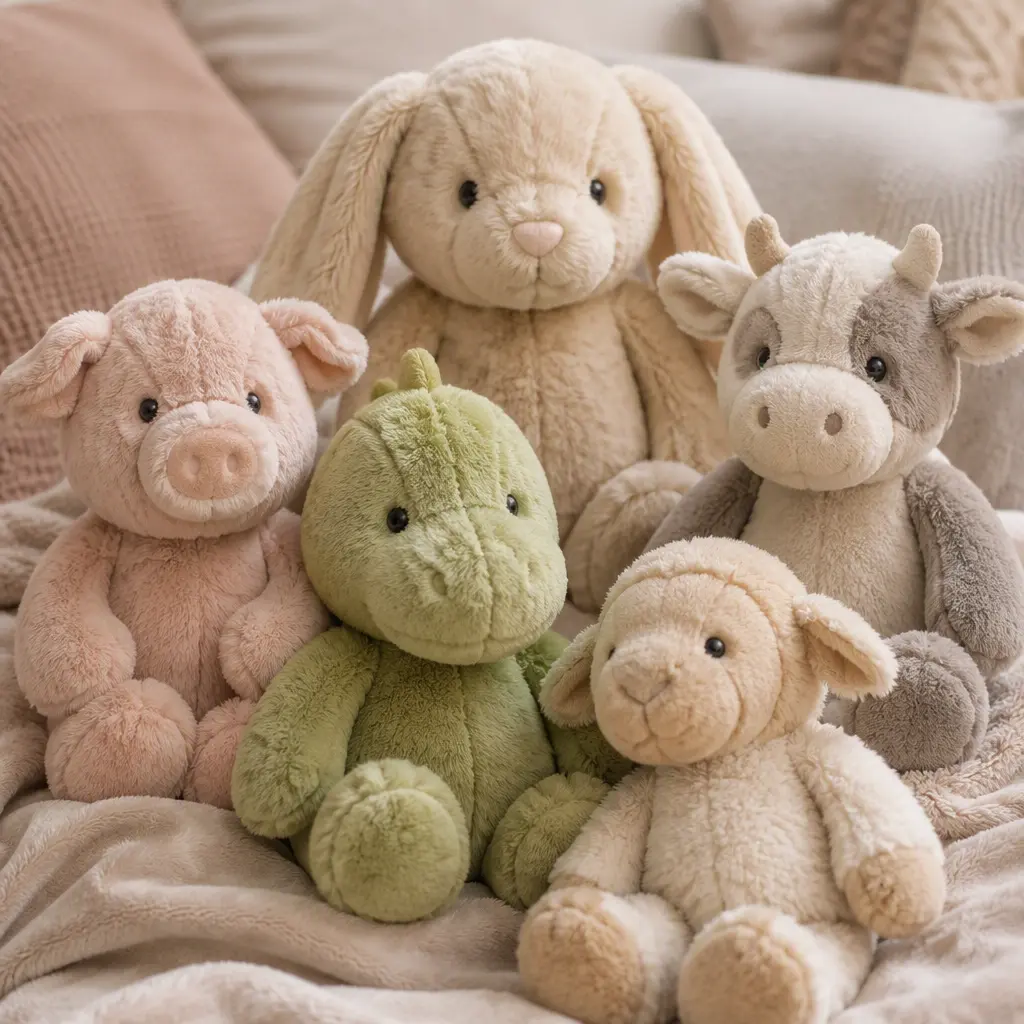
Ty Pluffies arrived at an interesting moment for the toy industry. By the early 2000s, the intense collector craze surrounding Beanie Babies had cooled, but families still wanted plush toys that felt comforting, expressive, and easy to carry around. Pluffies took some of the familiar ideas associated with Ty products and pushed them in a softer direction. Instead of firm bean-filled bodies meant mainly for display or collecting, these plush animals emphasized touch, flexibility, and relaxed play. Their floppy limbs, velvety fabrics, and oversized paws made them feel closer to comfort objects than shelf collectibles, helping Ty stay relevant during a changing era in plush design.
Where it came from
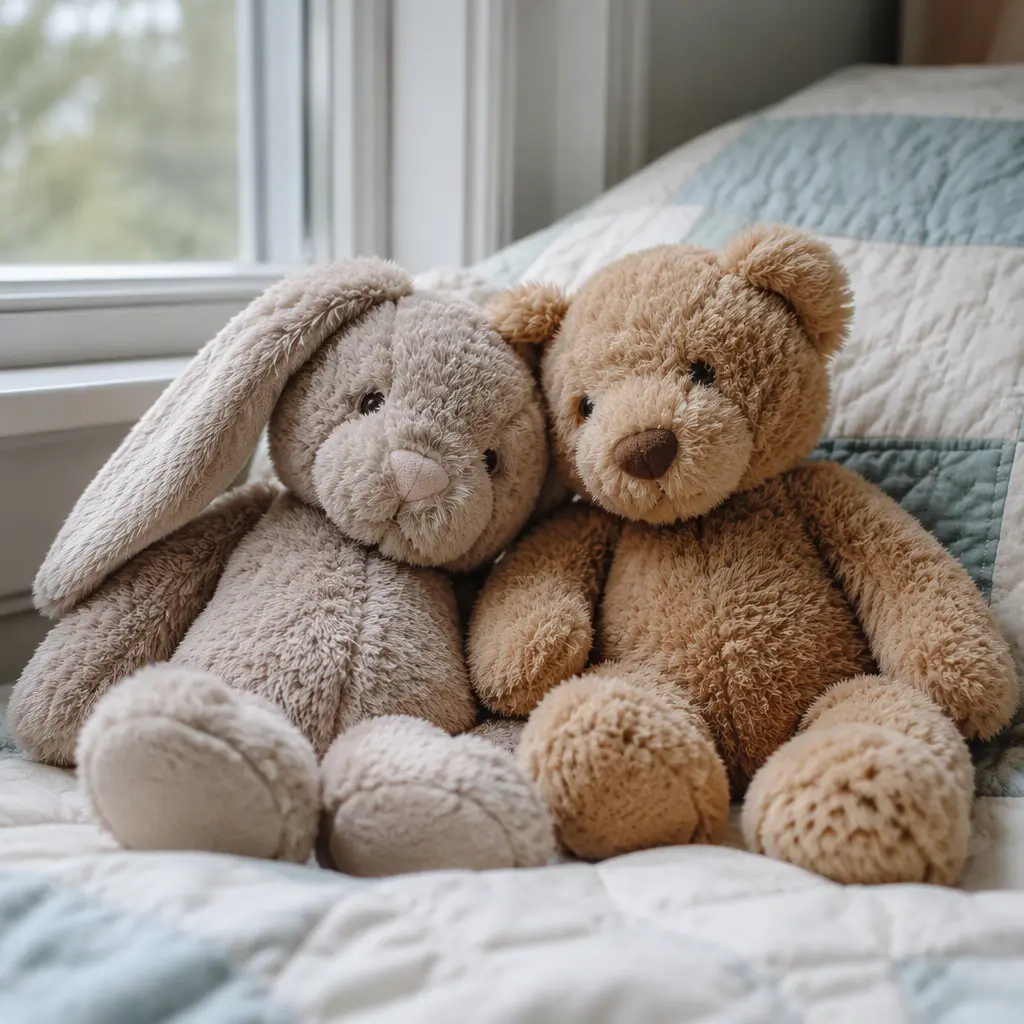
Ty introduced Pluffies in 2002, several years after Beanie Babies became one of the defining toy phenomena of the 1990s. The company already understood how strongly people connected emotionally with plush toys, but the market had shifted. Parents were looking for toys that worked as both companions and soothing comfort items, while younger children often preferred plush toys they could hug tightly rather than carefully arrange on shelves.
The design direction behind Pluffies reflected wider trends in early-2000s toy aisles. Plush products were becoming softer, rounder, and more tactile across the industry. Ty responded by creating animals with loosely stuffed bodies, silky materials, and a noticeably relaxed posture. The toys often appeared to melt into whatever surface they rested on, giving them a casual and approachable personality. While collectors still bought them, Pluffies were clearly designed with active cuddling and everyday handling in mind rather than preserving mint-condition value.
Why it works
The appeal of Pluffies comes down to physical sensation as much as appearance. Their softness was intentionally exaggerated. Instead of relying on structured shapes, many designs used flexible stuffing and lightly weighted bodies so the toys could drape over a shoulder, pillow, or lap. This made them feel calming in a way that differed from firmer stuffed animals. The oversized paws and rounded proportions also gave them a baby-animal look that children immediately recognized as friendly and non-threatening.
Another reason the line endured is that it blended collectible design with practical play. Many plush toys of the late 1990s leaned heavily into scarcity and display culture. Pluffies kept the recognizable Ty style but shifted attention back toward emotional attachment. Children could sleep with them, travel with them, or carry them around the house without worrying about damaging a collector's item. Adults often responded to them for similar reasons, especially during a period when comfort-oriented products were becoming more visible in mainstream retail.
- Ultra-soft fabrics designed for cuddling rather than display
- Floppy limbs and flexible stuffing that create a relaxed feel
- Rounded shapes and oversized paws that emphasize friendliness
- Portable size range suited for travel and bedtime routines
- Collectible variety without requiring completion-focused collecting
Who it's for
Pluffies were aimed primarily at younger children, especially preschool and early elementary ages, but their appeal extended further than that. Because the toys prioritized softness and emotional comfort, they often became bedtime companions or travel toys. Many adults who grew up during the Beanie Babies era also gravitated toward them as nostalgic keepsakes with a gentler, less trend-driven identity. Compared with heavily interactive electronic toys, Pluffies offered simple open-ended comfort play, which helped them remain approachable across different age groups.
Variants and what to look for today
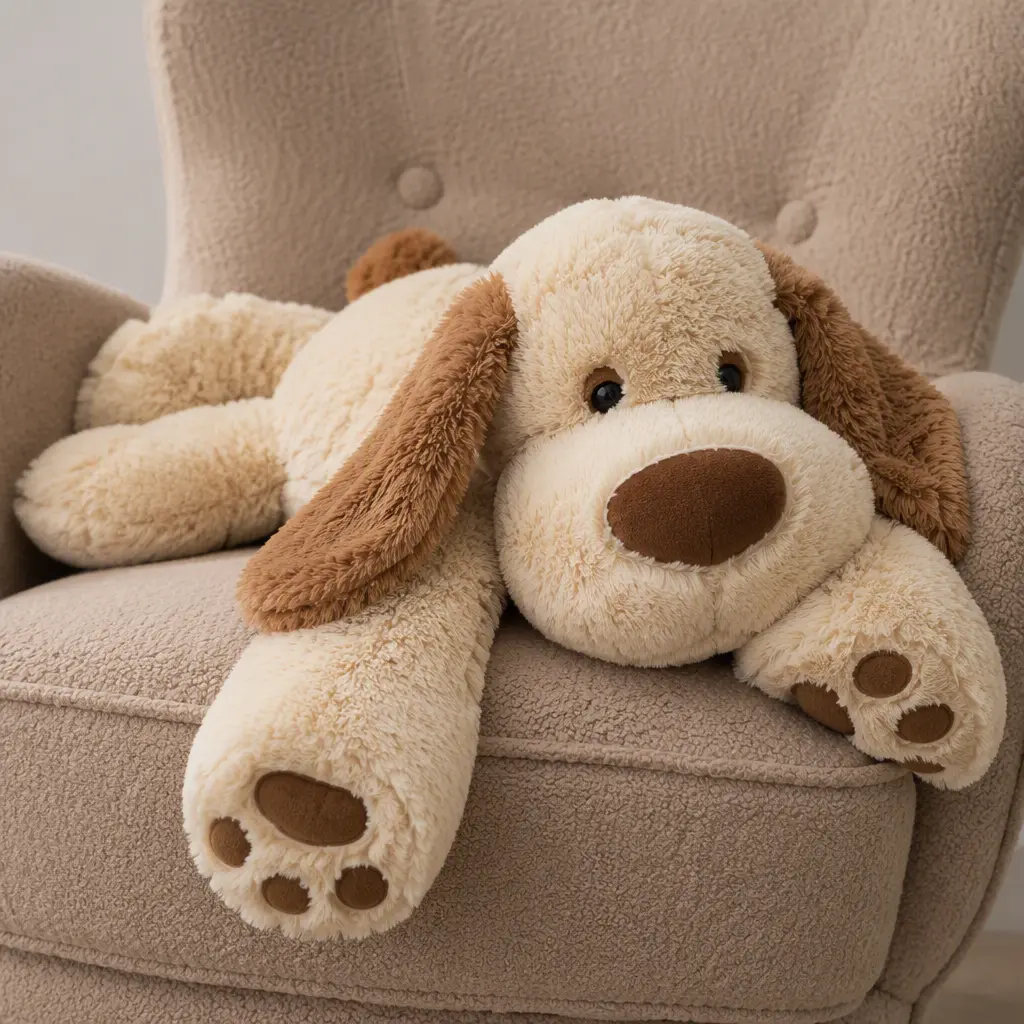
Over time, the Pluffies line expanded into many different animal styles, from common pets to jungle animals and fantasy-inspired creatures. The overall formula stayed fairly consistent: soft textures, rounded features, and understuffed bodies. Some later versions experimented with brighter colors or seasonal themes, but the core identity remained focused on tactile comfort rather than novelty mechanics.
For buyers today, condition matters more than rarity for most examples. Since these toys were designed to be hugged and handled constantly, many older Pluffies show flattened stuffing or worn fabric. Parents shopping secondhand often look for clean seams, intact stitching, and fabrics that still feel soft rather than matted. Newer plush lines from various companies have adopted similar floppy styling, so it helps to compare fabric quality and stitching rather than focusing only on brand recognition.
- Look for soft fabric that has not become heavily worn or stiff
- Check seams around paws and ears for signs of splitting
- Washed plush toys should dry evenly without clumping
- Avoid products with loose plastic parts for very young children
- Modern floppy plush lines often vary widely in stuffing quality
Frequently asked questions
Were Pluffies part of the Beanie Babies line?
Not exactly. Pluffies were a separate Ty plush line, although they benefited from the company's strong association with Beanie Babies. They shared some collectible appeal but focused much more on softness and comfort-oriented play.
Why were Pluffies softer than many plush toys of the time?
The line was intentionally designed around floppy construction and tactile materials. Ty leaned into understuffed bodies, plush fabrics, and flexible shapes to create toys that felt soothing to hold rather than rigid or display-focused.
Do adults collect Ty Pluffies?
Yes. Some collectors appreciate them as part of Ty history, while others enjoy them as nostalgic comfort items connected to early-2000s toy culture. Unlike some collectible crazes, interest in Pluffies is usually centered on personal attachment rather than investment value.
Are vintage Pluffies safe for young children?
Many remain suitable for gentle play, but parents should inspect older plush toys for loose stitching, worn seams, or detached components before giving them to younger children. Washing older plush carefully can also help remove dust buildup from storage.
Pluffies never matched the explosive cultural frenzy of Beanie Babies, but that may be part of why they lasted. They arrived at a time when plush toys were moving away from collector hype and back toward emotional comfort. Their floppy bodies and soft textures anticipated a broader trend that continues today, where plush toys are valued as calming companions as much as playthings. In that sense, Ty Pluffies represent a quiet but important shift in modern toy design.