Air Hogs: How indoor flight made RC toys feel magical
From foam helicopters to palm-size drones, Air Hogs helped bring flying RC toys indoors, safer and simpler. Here’s how the brand changed remote control play—and what still matters today.
Compare prices and availability
Check current prices and availability for this guide on eBay.
As an eBay Partner, we may be compensated if you make a purchase.
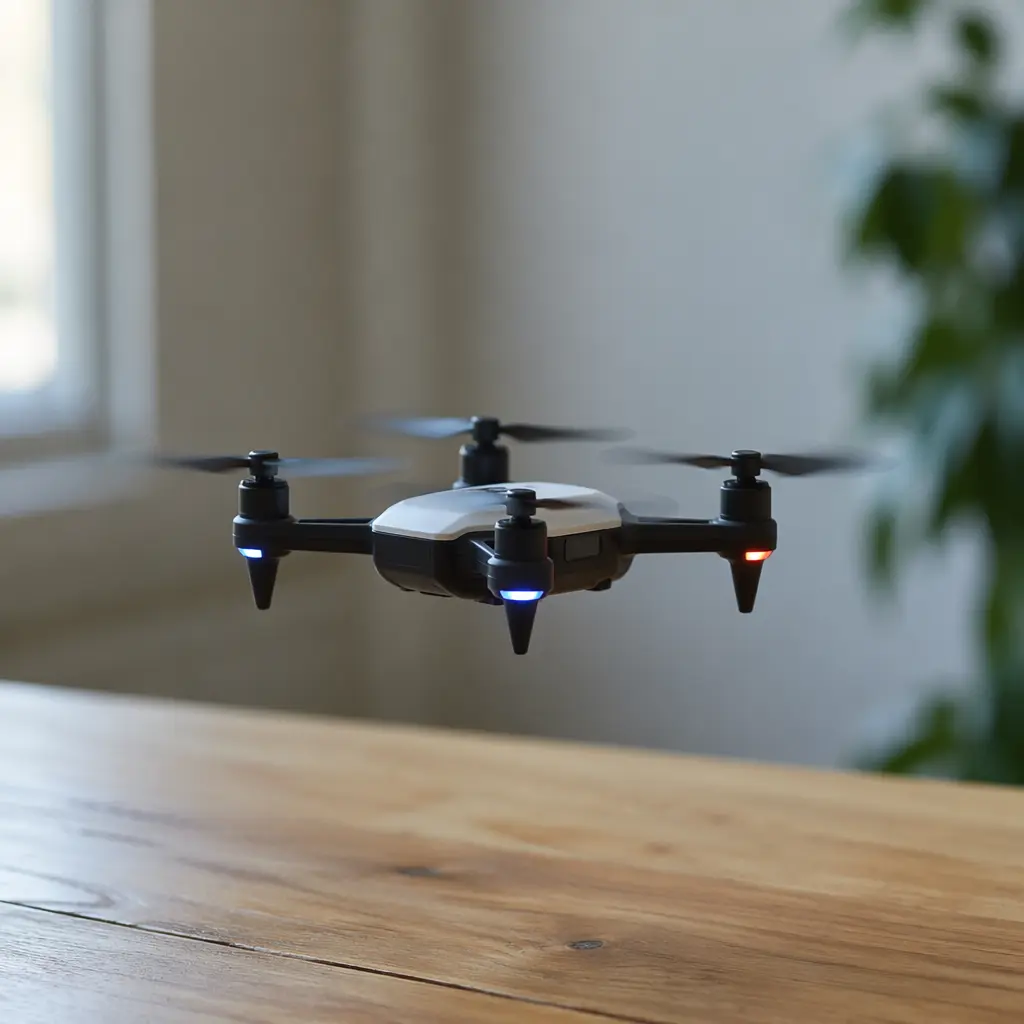
For decades, remote control toys stayed close to the floor: cars, trucks, tanks. Air Hogs changed that by making flight feel approachable, even inside the house. When lightweight helicopters and later drones began hovering over living-room carpets instead of crashing outdoors, it marked a quiet shift in how kids experienced RC play.
Where it came from
Air Hogs emerged in 1998 under the Spin Master umbrella, at a time when most flying toys were either fragile hobby kits or novelty items that barely lifted off. The goal was straightforward: create flying RC toys that ordinary kids could use without specialist knowledge, large outdoor spaces, or constant repairs.
Early Air Hogs products focused on durability and simplicity. Foam bodies, protected rotors, and pared-down controls helped remove the intimidation factor. Instead of asking kids to master complex aerodynamics, these toys offered quick success—turn it on, give it space, and watch it fly.
Why it works
The core appeal of Air Hogs lies in controlled spectacle. Flight is inherently exciting, but it can also be chaotic. Air Hogs toys found a balance by limiting speed and scale while keeping the sensation of lift and hover intact. That made flying feel less like a stunt and more like a repeatable activity.
Design choices consistently favored forgiveness over realism. Many models used lightweight materials and simple stabilization so bumps with walls or furniture weren’t the end of playtime.
- Lightweight construction that reduces crash damage
- Simplified controls focused on basic lift and steering
- Indoor-friendly power levels and rotor protection
- Quick setup with minimal calibration
Who it’s for
Air Hogs has always sat at the entry level of flying RC toys. Most products are aimed at school-age kids who want the thrill of flight without the steep learning curve. At the same time, adults often find themselves drawn in—either out of nostalgia or curiosity—especially with modern hand-controlled or auto-hovering designs that feel more like interactive gadgets than traditional toys.
Variants and what to look for today
Over the years, the Air Hogs name has covered a wide range of flying toys. Early foam helicopters gave way to stunt planes, indoor drones, and gesture-controlled flyers. While the technology has improved, the brand’s defining traits—accessibility and durability—remain the main draw.
When shopping today, it’s worth focusing on stability features and charging convenience rather than flashy claims. Generic lookalikes can be tempting, but they often lack the balance and build quality that made Air Hogs successful in the first place.
Frequently asked questions
Can Air Hogs toys really be used indoors?
Yes, many are specifically designed for indoor use, with limited speed and lightweight bodies. Ceiling height and room size still matter, but they’re far more forgiving than outdoor drones.
Are they suitable for beginners?
That’s the main appeal. Controls are usually simplified, and crashes are expected as part of learning rather than a failure.
Do they require much maintenance?
Very little. Charging batteries and occasionally clearing hair or dust from rotors is typically all that’s needed.
How long do they usually fly on one charge?
Flight times are generally short, reflecting their small size, but quick recharge cycles help keep play moving.
Air Hogs didn’t just put toys in the air—they lowered the barrier to flight. By making flying RC toys manageable indoors and resilient enough for everyday play, the brand helped redefine what remote control toys could be. That legacy still hovers, quite literally, above the toy aisle today.