Eilik Mini and the Rise of Personality-First Desk Robots
Eilik Mini follows the recent wave of expressive desktop robots, focusing on animated reactions and app-connected interactions rather than utility. Its appeal depends as much on software support as hardware charm.
Compare prices and availability
Check current prices and availability for this guide on eBay.
As an eBay Partner, we may be compensated if you make a purchase.
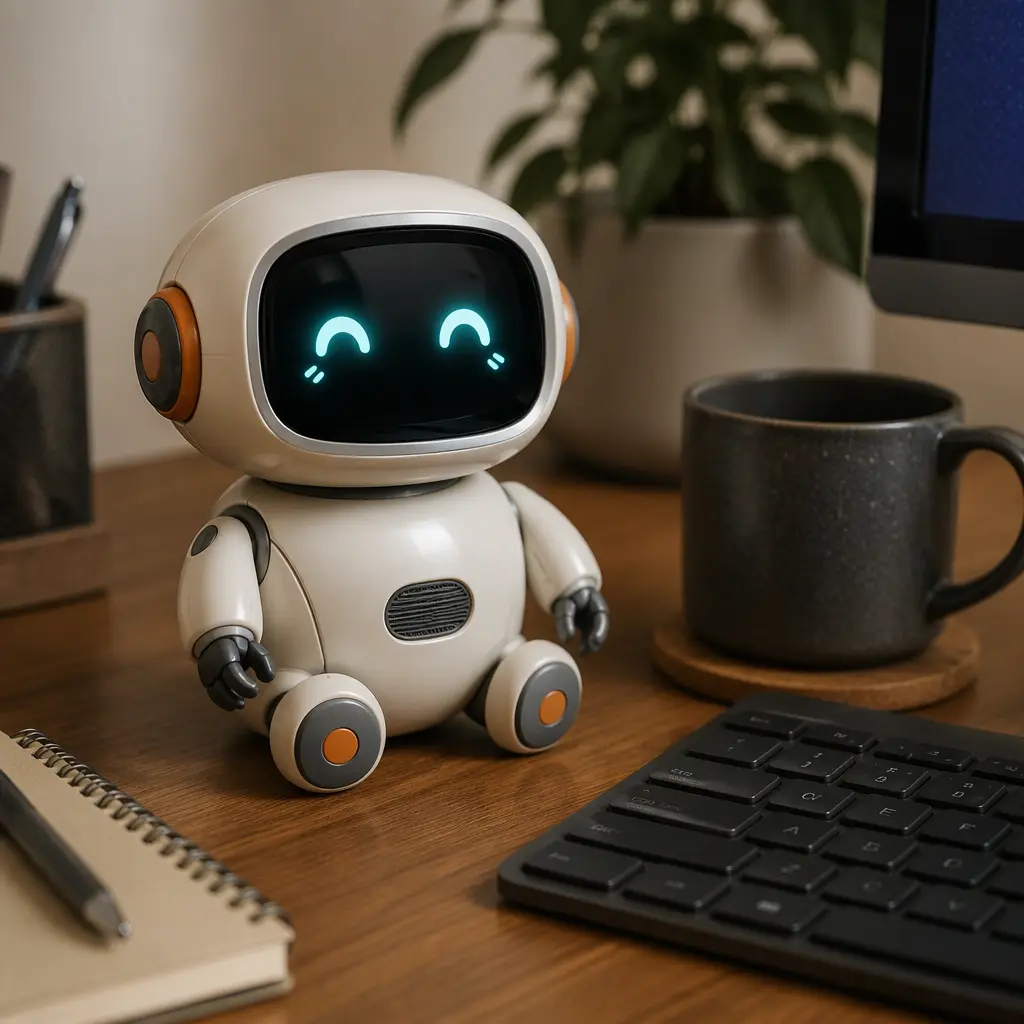
Eilik Mini arrives at a moment when small desktop robots are shifting from novelty gadgets into a recognizable toy-tech category. Instead of promising practical home assistance, these compact robots lean into personality: animated reactions, sound effects, touch responses and app-linked updates that aim to make the device feel more like a tiny companion than a traditional electronic toy. The idea is simple but surprisingly durable. A robot that reacts emotionally to taps, movement and nearby objects can turn an otherwise static desk accessory into something people check on throughout the day.
Where it came from
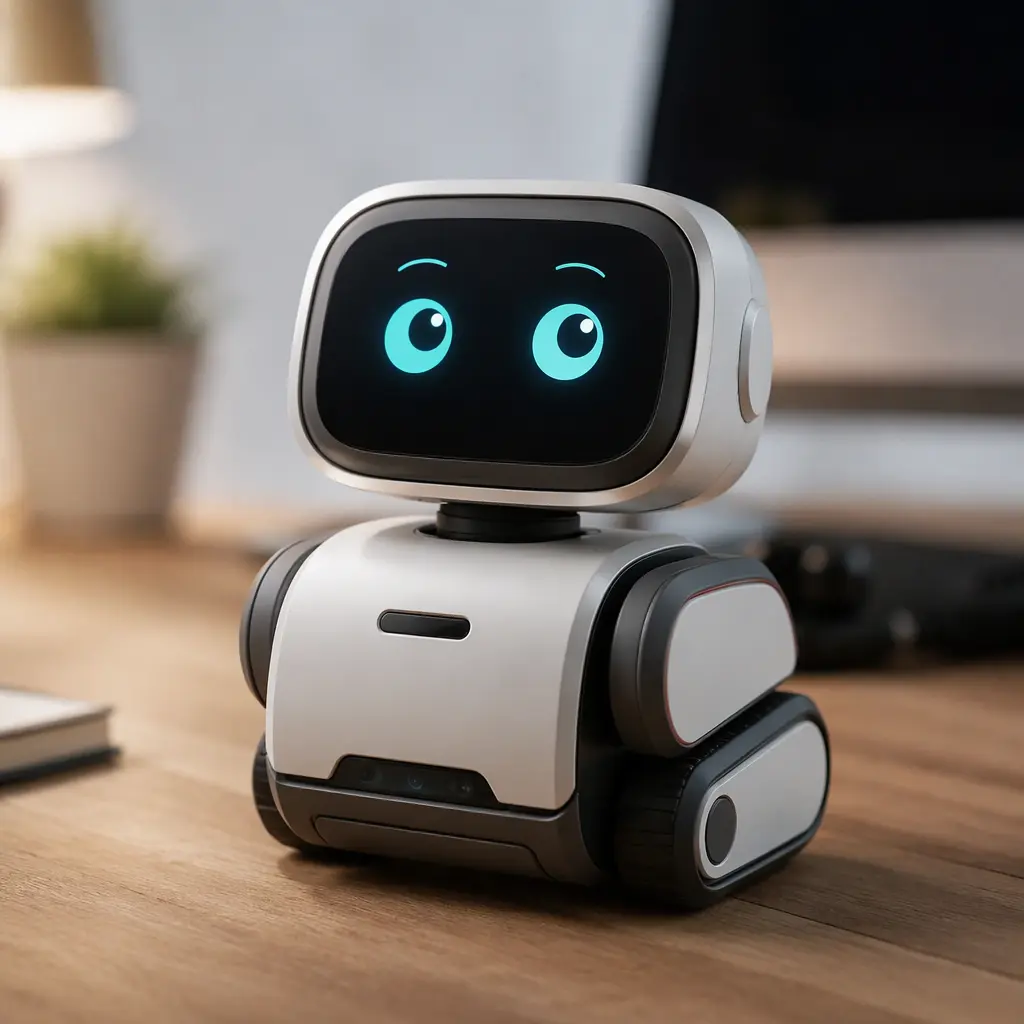
Eilik Mini follows a broader trend established by recent desktop companion robots that prioritize charm over function. Earlier consumer robots often tried to position themselves as assistants, educational tools or programmable STEM products. The newer wave takes a different approach. The focus is emotional animation, reactive behavior and collectible design rather than productivity. These robots are usually designed to sit beside a monitor, gaming setup or study space, responding with expressive sounds and movements when touched or picked up.
The “Mini” naming also reflects a wider electronics pattern toward smaller, more affordable versions of existing smart gadgets. Compact robots are easier to fit into crowded desks and dorm rooms, and they tend to emphasize portability and display value. Like similar connected toys, Eilik Mini depends heavily on firmware updates and companion apps for expanded interactions, setup and future feature support. That makes the software ecosystem almost as important as the physical hardware itself.
Why it works
The appeal of personality-first robots comes from animation and timing rather than advanced robotics. Eilik Mini does not try to walk around a room performing household tasks. Instead, it succeeds or fails based on whether its reactions feel entertaining enough to encourage repeat interaction. Tiny movements, blinking digital eyes, sound cues and simulated moods create the illusion of emotional behavior, even when the underlying actions are scripted. That illusion is powerful because users quickly start interpreting reactions as personality traits.
Another reason these robots attract attention is that they sit somewhere between toy, decor and tech accessory. A puzzle toy demands active participation, while a smart speaker fades into the background. Personality robots occupy a middle space: visible enough to become part of a workspace, but interactive enough to feel alive. For younger users, that can feel nurturing or playful. For adults, the appeal is often similar to desktop collectibles or virtual pets.
- Animated facial expressions displayed through a digital screen face
- Touch and motion reactions designed to simulate emotion
- Companion app connections for updates and expanded interactions
- Compact desktop scale intended for shelves, monitors and workspaces
- Social interaction features common in connected robot toys
- Rechargeable electronic design rather than disposable battery operation
Who it's for
Eilik Mini fits best with older children, teens and adults who already enjoy gadget culture, collectibles or expressive electronics. Younger children may enjoy the reactions and sounds, but connected toys usually work better when a parent can manage setup, app permissions and software updates. Buyers should also expect some smartphone involvement during configuration or feature management. Unlike traditional robotic toys that can work fully offline for years, personality-first robots may depend on ongoing app compatibility and manufacturer support to maintain their full feature set over time.
Variants and what to look for today
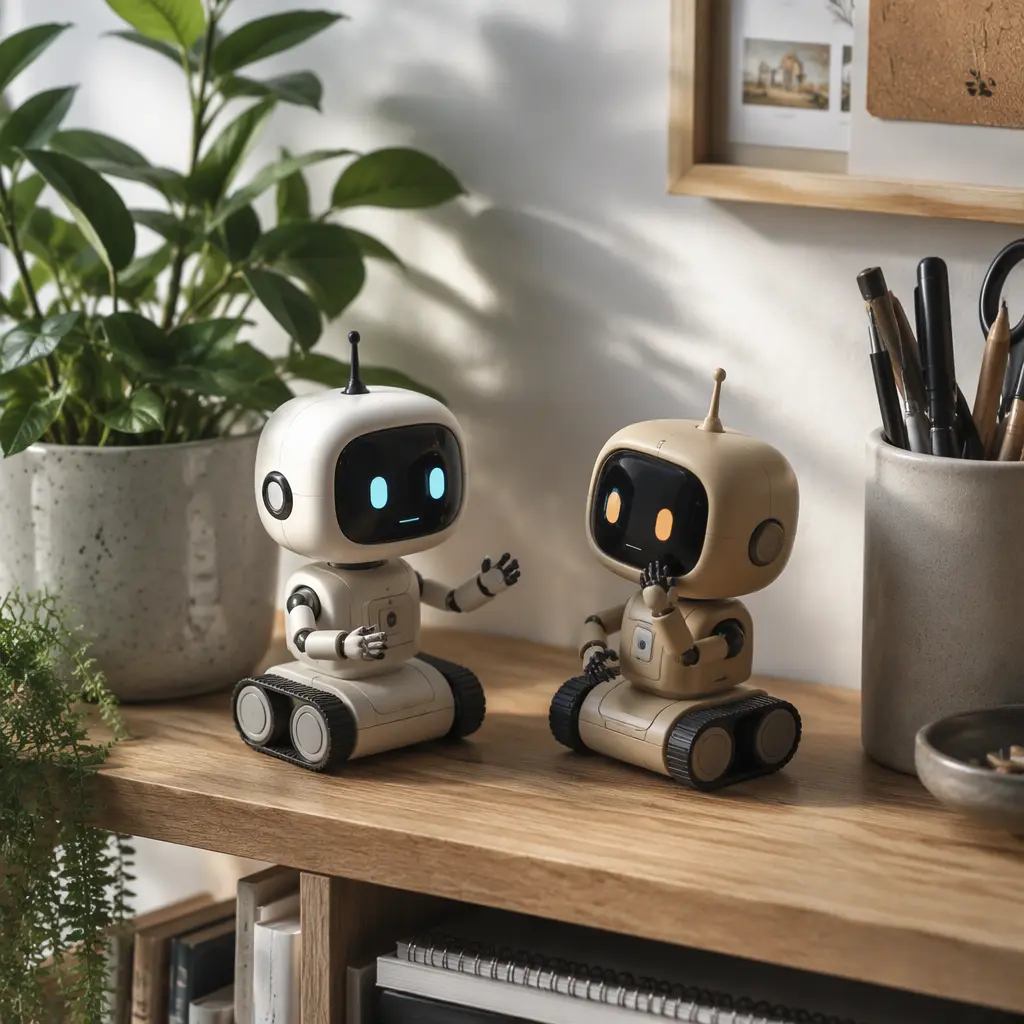
Connected desktop robots now appear in several overlapping categories. Some focus on coding and STEM activities, while others concentrate almost entirely on personality and reactions. Eilik Mini belongs more clearly to the second group. Buyers comparing similar robots should pay attention to whether the product relies on cloud services, whether app support is available in their region and how much functionality remains available without an internet connection.
Build quality and long-term software support matter more here than raw specifications. A robot with expressive movement can lose much of its appeal if its companion app becomes unsupported or if mobile operating system updates break compatibility. Parents may also want to check microphone permissions, Bluetooth requirements and whether account creation is mandatory. Some connected toys allow local interaction without constant online access, while others route key features through cloud services.
- Check whether companion apps are available for your phone or tablet platform
- Look for clear manufacturer information about updates and privacy controls
- Consider whether offline play remains useful if servers or apps change later
- Be cautious with generic imitations that copy the look but offer weak support
- Pay attention to charging methods and replacement cable availability
Frequently asked questions
Is Eilik Mini an AI robot?
Products in this category often use a mix of scripted animations, sensors and programmed reactions rather than open-ended generative AI. The robot may appear emotionally responsive, but most interactions are typically pre-designed behaviors triggered by touch, movement or app-linked events.
Can it still work without the app?
That depends on how the manufacturer structures the software features. Many desktop robots can still perform basic reactions and animations offline, while setup, updates or expanded content may require an app connection. Buyers should check current support details before purchasing.
Are personality robots toys or collectibles?
They increasingly function as both. Children may treat them as interactive toys, while older users often display them as desk companions or tech decor. Their appeal comes as much from visual personality and ambient interaction as from structured gameplay.
How long do connected toy robots usually last?
The physical hardware can remain usable for years, but software support plays a major role in the overall experience. Battery aging, app compatibility and manufacturer updates may affect long-term functionality more than mechanical wear.
Eilik Mini reflects a broader shift in toy-tech design: products no longer need to solve practical problems to attract attention. Instead, they succeed by creating attachment through animation, responsiveness and small moments of interaction. Whether that justifies the app connections and ongoing software dependence depends on what buyers expect from a robot. For some households, a tiny expressive desk companion is enough. For others, the requirement for updates, permissions and long-term platform support may feel like too much infrastructure for a toy designed mainly to smile back.