Anki Vector: The Tiny Robot Still Testing Smart-Home Limits
Anki’s Vector companion robot survived its original maker’s collapse and returned under new ownership, becoming a case study in cloud features, subscriptions and the appeal of expressive home robotics.
Compare prices and availability
Check current prices and availability for this guide on eBay.
As an eBay Partner, we may be compensated if you make a purchase.
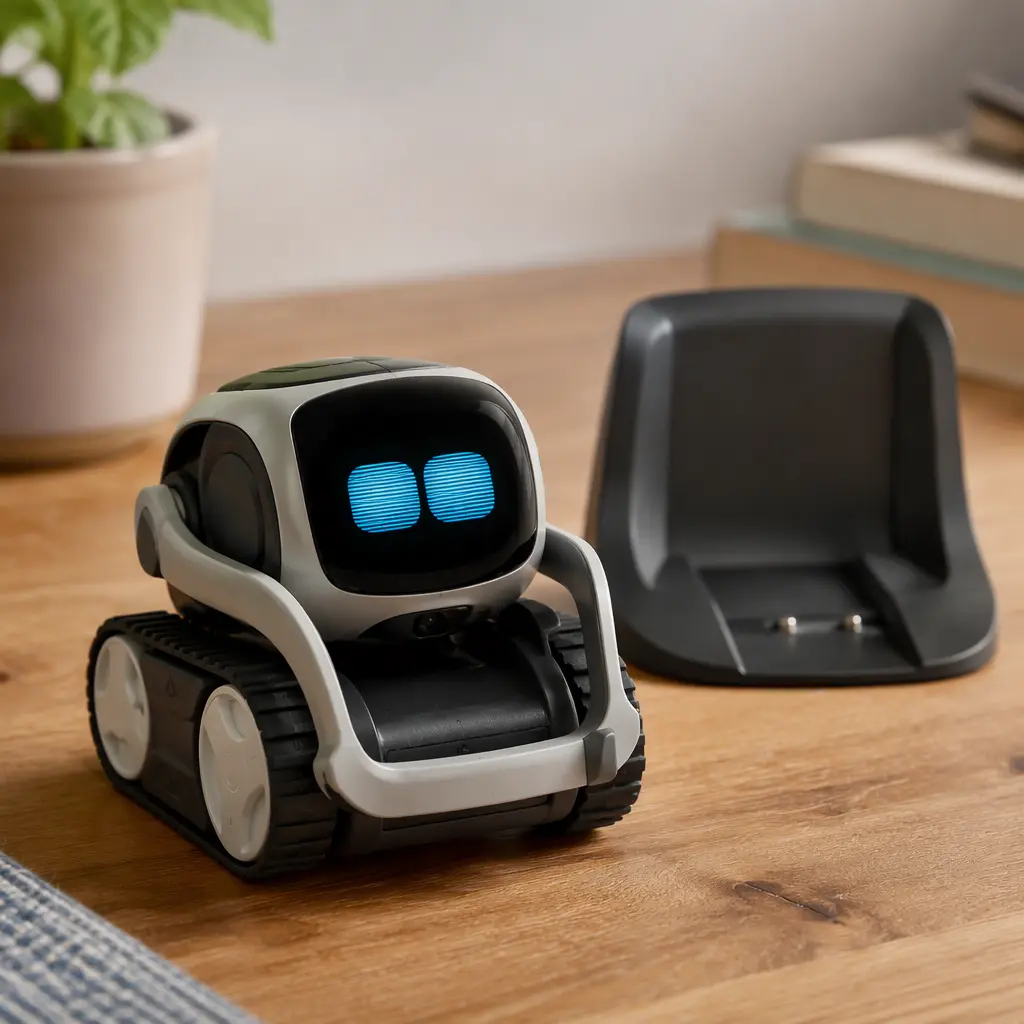
Vector arrived during a period when consumer robotics companies were trying to make home robots feel less like gadgets and more like personalities. Originally launched by Anki in 2018, the palm-sized companion robot mixed animated expressions, voice controls, obstacle awareness and autonomous movement into something closer to a desktop pet than a traditional toy. Even after Anki shut down in 2019, Vector remained part of conversations about connected toys because another company revived the platform and continued support, subscriptions and updates. That unusual survival story turned Vector into a useful example of both the promise and the practical compromises behind always-connected home robots.
Where it came from
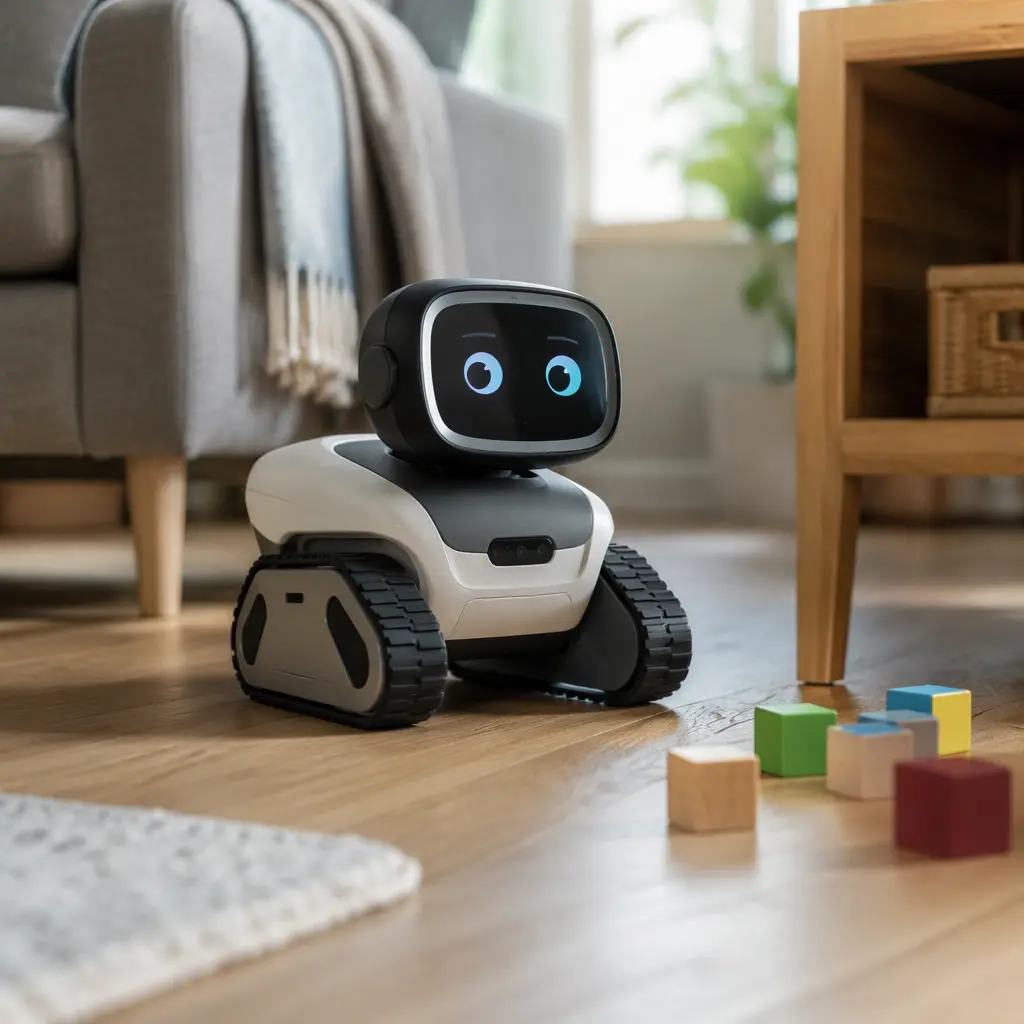
Anki built its reputation around robotics products that combined smartphone-era software with approachable personalities. Earlier releases focused on racing cars and interactive robots, but Vector aimed at a broader audience by positioning itself as a household companion. The robot used cameras, sensors and microphones to navigate surfaces, recognize objects and respond to spoken commands without requiring constant direct control from an app.
The company’s closure shortly after Vector’s launch created uncertainty around whether the robot would continue functioning long term. Support for the platform was later taken over by Digital Dream Labs, which restored cloud-connected services and introduced ongoing memberships tied to some online features and voice capabilities. That transition changed how many people viewed connected toys: Vector was no longer just a charming robot, but also a reminder that cloud-dependent products can outlive their original creators only if new infrastructure and business models appear to support them.
Why it works
Part of Vector’s appeal comes from how much personality it communicates through simple movements and sounds. The robot tilts its small screen-like face, shifts its eyes, reacts to edges and obstacles, and makes quick decisions about where to move next. Unlike a remote-control toy that waits for instructions, Vector spends much of its time behaving independently. That autonomy helps create the impression that it is noticing the room around it rather than simply replaying canned actions.
Its voice-assistant features also helped separate it from many toy robots of its era. Vector could answer questions, set timers and respond to wake-word commands through cloud-connected systems. At the same time, that design exposed a major tradeoff: some features depend heavily on internet access, account systems and ongoing support from outside servers. Families considering connected robots today often weigh those dependencies just as carefully as the robot’s personality or hardware.
- Expressive animated eyes and body movements designed to suggest emotion
- Cameras and sensors for navigation, edge detection and object awareness
- Voice controls tied to cloud-based services and online processing
- Autonomous roaming behavior instead of constant manual control
- Charging dock support that allows the robot to return and recharge itself
Who it's for
Vector sits in an unusual space between toy, desktop gadget and entry-level consumer robot. Older children interested in coding, robotics or AI-adjacent technology may find it more engaging than a standard remote-control robot, while adults often treat it as a novelty desk companion. Younger children may enjoy the personality and movement, but many of the setup steps and connected features are clearly aimed at households comfortable with apps, Wi-Fi configuration and account management. Because the robot includes microphones and cameras for interaction and navigation, parents may also want to think about where and how it is used inside the home.
Variants and what to look for today
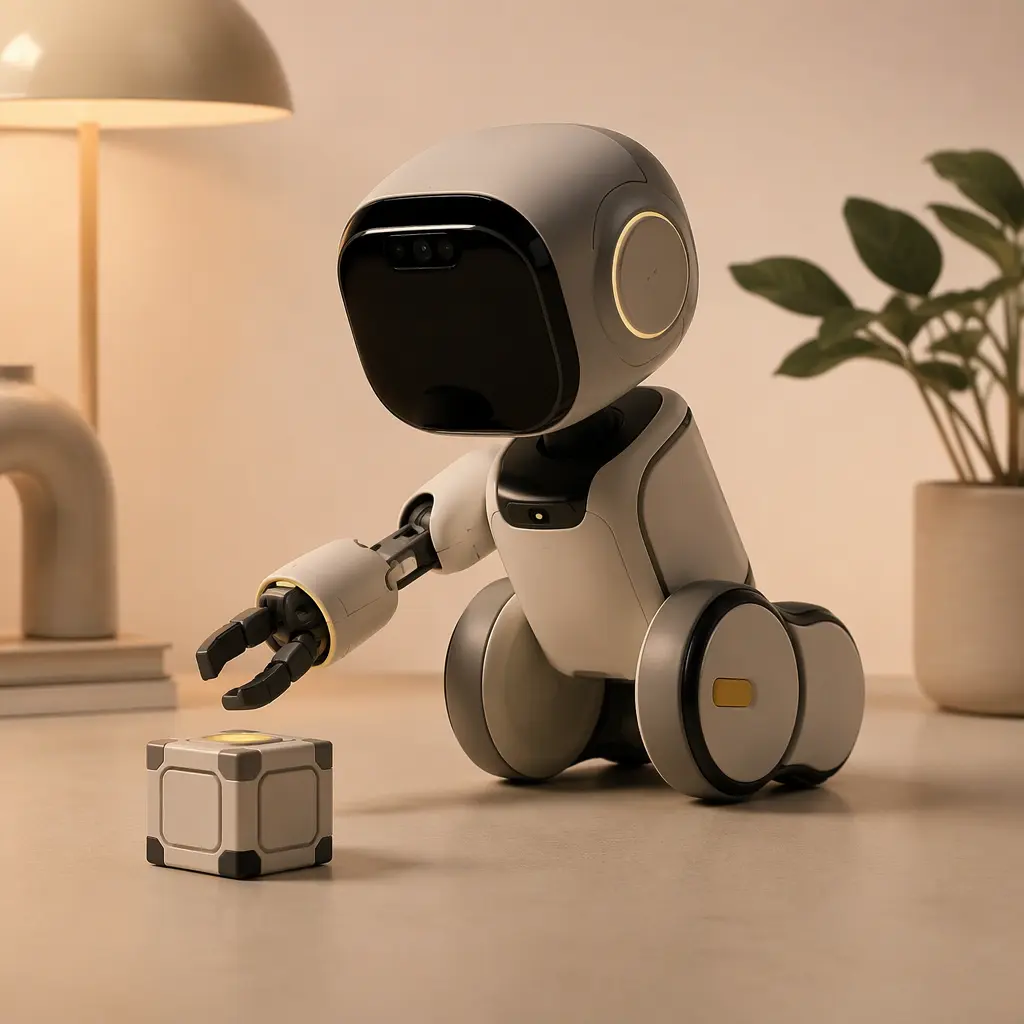
Most discussions around Vector focus on the original 2018 hardware and the later continuation of services under new ownership. Buyers today may encounter refurbished units, secondhand robots or newer production runs associated with the revived platform. Since the robot’s experience depends partly on software support, it is important to confirm whether setup services, app compatibility and cloud features are currently available in a buyer’s region before purchasing.
Another practical consideration is how much functionality remains useful offline. Vector can still perform some local behaviors and animations without constant interaction, but many voice-related features and updates rely on connected infrastructure. Prospective owners should also check device compatibility requirements for companion apps and understand whether memberships are needed for particular services or assistant-style functions.
- Check whether charging docks, cubes and accessories are included with used units
- Confirm current app support for your phone or tablet operating system
- Review what features require internet access or memberships
- Be cautious with heavily modified or unsupported software builds
- Look for clear information about account transfer or reset status on secondhand robots
Frequently asked questions
Is Vector a toy or a smart-home device?
It overlaps both categories. Vector behaves like a companion robot with playful animations and autonomous movement, but it also includes voice-assistant functions and connected features more commonly associated with smart-home devices.
Does Vector still work if the internet goes down?
Some local behaviors and movement functions can continue without an active connection, but several voice and cloud-powered features depend on online services. The exact experience may vary depending on current software support and account status.
Does Vector use generative AI?
Vector is better understood as a connected robotic assistant with programmed behaviors, voice processing and sensor-driven interactions rather than a modern generative AI chatbot. Its personality comes largely from animation, scripted responses and environmental awareness.
Why does Vector still attract attention years after launch?
Few consumer robots combined expressive design, autonomous movement and approachable setup as successfully as Vector did at the time. Its survival after Anki’s shutdown also gave it an unusual second chapter that continues to interest robotics fans and collectors.
Vector remains one of the clearest examples of how emotional design can make small robots feel memorable even when the hardware is relatively simple. At the same time, its history shows how modern connected toys increasingly depend on apps, servers and ongoing support long after the original launch. That combination of charm and dependency is exactly why Vector still matters in conversations about the future of consumer robotics.