Merlin Electronic Wizard: The pocket game that predicted play on the go
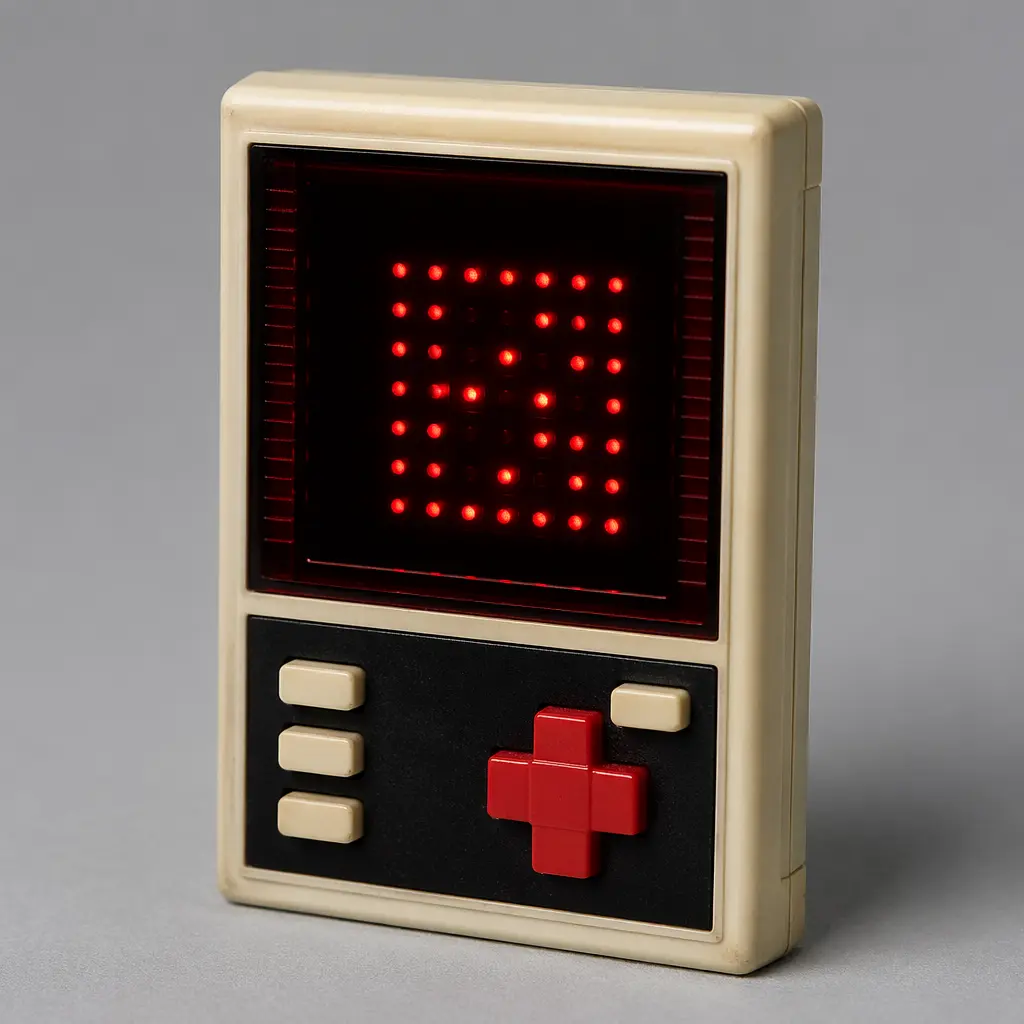
Released in 1978, the Merlin Electronic Wizard packed multiple games into a handheld device, foreshadowing portable gaming decades before smartphones and consoles became everyday companions.
Compare prices and availability
Check current prices and availability for this guide on eBay.
As an eBay Partner, we may be compensated if you make a purchase.
Long before pockets buzzed with smartphones, the Merlin Electronic Wizard suggested that games didn’t need a TV, cartridges, or even a friend to be compelling. Released at the end of the 1970s, Merlin looked like a cross between a calculator and a science‑fiction prop, and it quietly introduced the idea that entertainment could travel with you.
Where it came from
Merlin arrived in 1978, developed by Bob Doyle and released by Parker Brothers during a period when electronic toys were just beginning to move from novelty to mainstream. Calculators and digital watches had familiarised families with glowing numbers, and Merlin took that same technology and turned it into play.
Rather than being built around a single game, Merlin was designed as a platform. Using a grid of lights and a simple keypad, it offered several built‑in games ranging from memory challenges to early strategy and logic puzzles. For its time, the idea that one handheld device could host multiple experiences felt genuinely futuristic.
Why it works
Merlin’s appeal lies in how much it achieves with very little. There are no graphics in the modern sense, no soundtracks, and no characters to latch onto. Instead, it relies on patterns of light, timing, and player attention. That simplicity makes the experience surprisingly absorbing, even by today’s standards.
The design also respected its audience. Merlin didn’t talk down to players; it expected them to learn the rules, notice patterns, and improve through repetition. That approach gave it staying power beyond the initial novelty.
- Multiple games built into one handheld device
- Clear, bright LED display visible in most lighting
- Physical buttons that provide tactile feedback
- Rules that reward memory, logic, and patience
Who it’s for
Originally aimed at school‑age children and teens, Merlin also found fans among adults who enjoyed puzzles and logic games. Today, its audience is split: children can still enjoy the challenge with some guidance, while adults are often drawn to it for nostalgia or as a conversation‑starting collectible. It sits comfortably in that rare space where a toy can bridge generations.
Variants and what to look for today
Original Merlin units are now considered vintage electronics, and many have survived thanks to their solid construction. Over the years, there have been re‑releases inspired by the original concept, often updating internal electronics while keeping the same basic layout and games.
When looking for one today, condition matters more than packaging. Check that the lights are evenly bright, the buttons respond consistently, and the battery compartment is clean. Modern reproductions can be a practical option for play, while originals tend to appeal more to collectors.
Frequently asked questions
Was Merlin a video game?
Not in the modern sense. Merlin didn’t display images or characters, but it was an electronic game system that used lights and input buttons, making it a clear ancestor of later handheld video games.
How many games did it include?
The original Merlin offered several different games, each using the same lights and buttons in different ways. The variety was a major selling point at a time when most electronic toys did only one thing.
Is it suitable for children today?
Yes, particularly for children who enjoy puzzles and memory games. Younger players may need help learning the rules, but the gameplay itself remains accessible.
Why is Merlin still remembered?
Merlin captured a moment when technology was just becoming personal. It showed that electronic play could be portable, private, and endlessly replayable, ideas that define gaming today.
Seen now, the Merlin Electronic Wizard feels less like a relic and more like a prototype for the future. Its glowing lights and simple challenges remind us that innovation doesn’t always arrive fully formed. Sometimes it fits in your hands, blinks patiently, and waits for you to press the next button.