Miko 4 vs Loona for Kids Who Get Bored Fast
Comparing Miko 4 and Loona for children aged 6–8, with a focus on conversation depth, offline play, app dependence, setup time, privacy considerations and long-term engagement.
Compare prices and availability
Check current prices and availability for this guide on eBay.
As an eBay Partner, we may be compensated if you make a purchase.
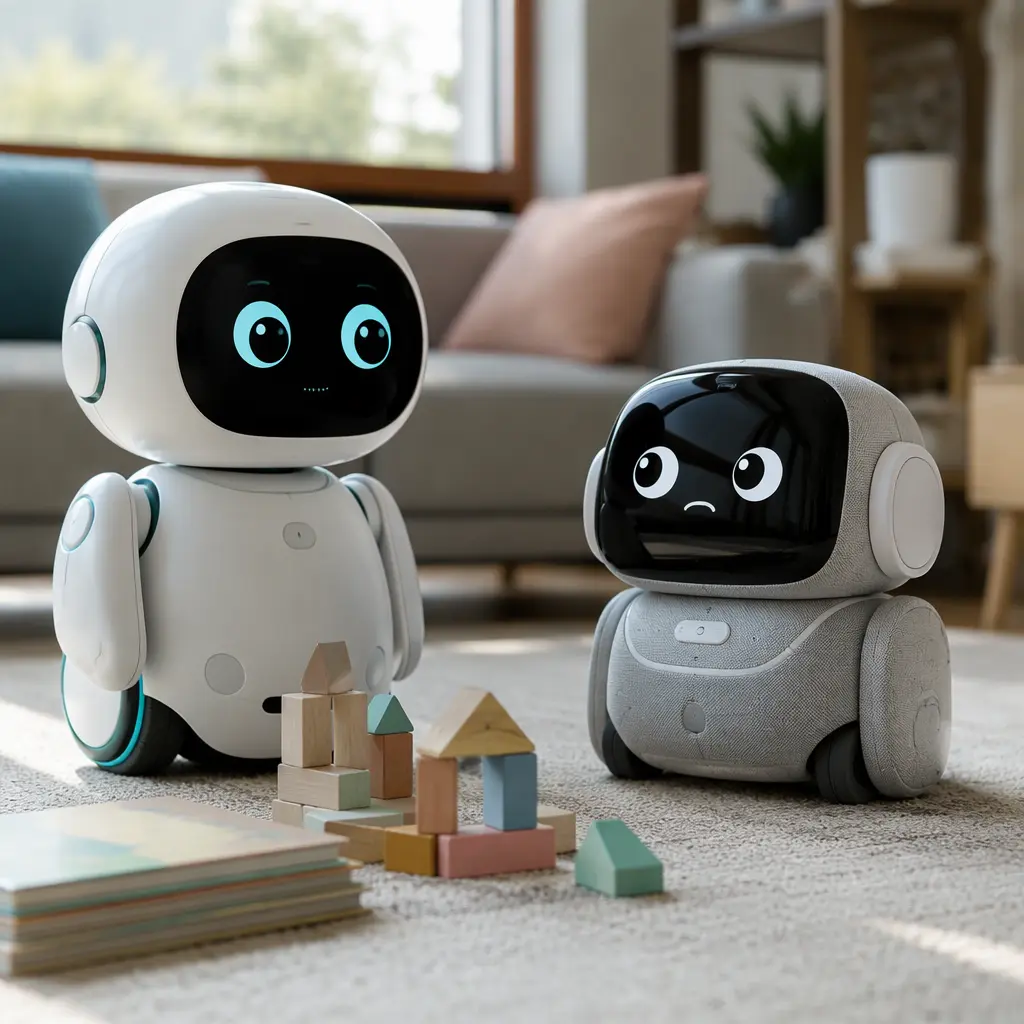
For children who lose interest quickly, the difference between a toy that stays in rotation and one that ends up on a shelf often comes down to variety and ease of use. Miko 4 and Loona both aim to keep kids engaged through conversation, reactions and app-connected features, but they approach play differently. Miko 4 focuses more on chat, educational content and guided interactions, while Loona leans toward expressive movement, pet-like behavior and interactive play around the home. Parents comparing the two should look beyond marketing terms like “AI-powered” and pay attention to how much internet access, app setup and supervision the experience actually requires day to day.
What to look for
Connected robots can vary widely in how independent they are from apps and cloud services. Some functions happen directly on the device, while others rely on remote servers, subscriptions or regular software updates. For children aged 6–8, novelty matters, but so does friction. A robot that needs frequent charging, account setup or troubleshooting may see less real use after the first few weeks. Parents should also consider whether the child wants a conversational companion, a moving interactive pet or more structured educational activities.
- Conversation quality and variety: Some robots respond with more natural back-and-forth chat, while others rely on simpler scripted reactions or mini-games.
- Offline usefulness: Check whether core features still work without Wi‑Fi. Some robots become very limited when disconnected from the internet.
- Parent setup time: App accounts, firmware updates, permissions and Wi‑Fi pairing can take longer than expected.
- Privacy considerations: Many connected toys use microphones and cameras. Review manufacturer information about voice recordings, cloud processing and parental controls.
- Play style: Miko-style robots tend to focus on quizzes, stories and educational prompts, while Loona-style robots emphasize movement, personality and reactions.
- Noise and household fit: Voice output, sound effects and movement can become disruptive in shared living spaces or apartments.
- Support life and compatibility: App-supported toys may lose features if software support ends or device compatibility changes over time.
Age suitability
Both Miko 4 and Loona generally fit the 6–8 age range best when children are already comfortable speaking clearly to devices and can tolerate occasional delays or misunderstandings. Younger children may enjoy the movement and sounds but often need more help navigating setup or interpreting responses. Older children may quickly notice repetitive conversations or limited autonomy if expectations are too high. Miko 4 tends to suit children who enjoy trivia, learning games and guided interaction, especially those already interested in asking questions to voice assistants. Loona often appeals more to children who want a responsive robot pet with personality and movement rather than a study-focused device. Families looking for fully screen-free play should know that both products still depend heavily on connected apps and digital ecosystems.
Options compared
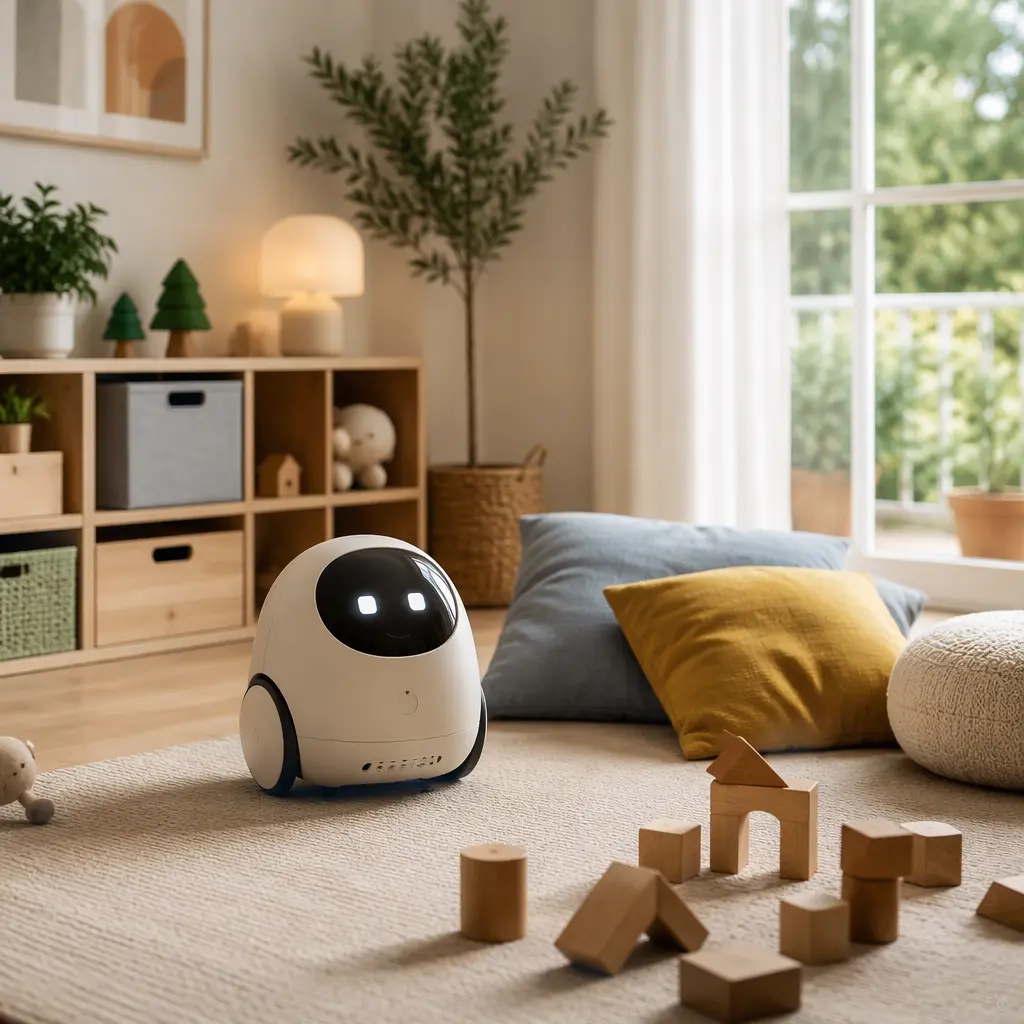
Miko 4 is usually the stronger choice for children who mainly want conversation and guided activities. Its appeal comes from interactive chats, educational prompts and content-style engagement rather than physical play. For some families, that can make it feel closer to a child-focused smart assistant than a traditional toy robot. The advantage is variety in verbal interaction and learning-oriented activities. The downside is that children expecting highly lifelike AI conversations may still encounter scripted responses or repeated patterns over time. It also depends significantly on stable internet access for many headline features.
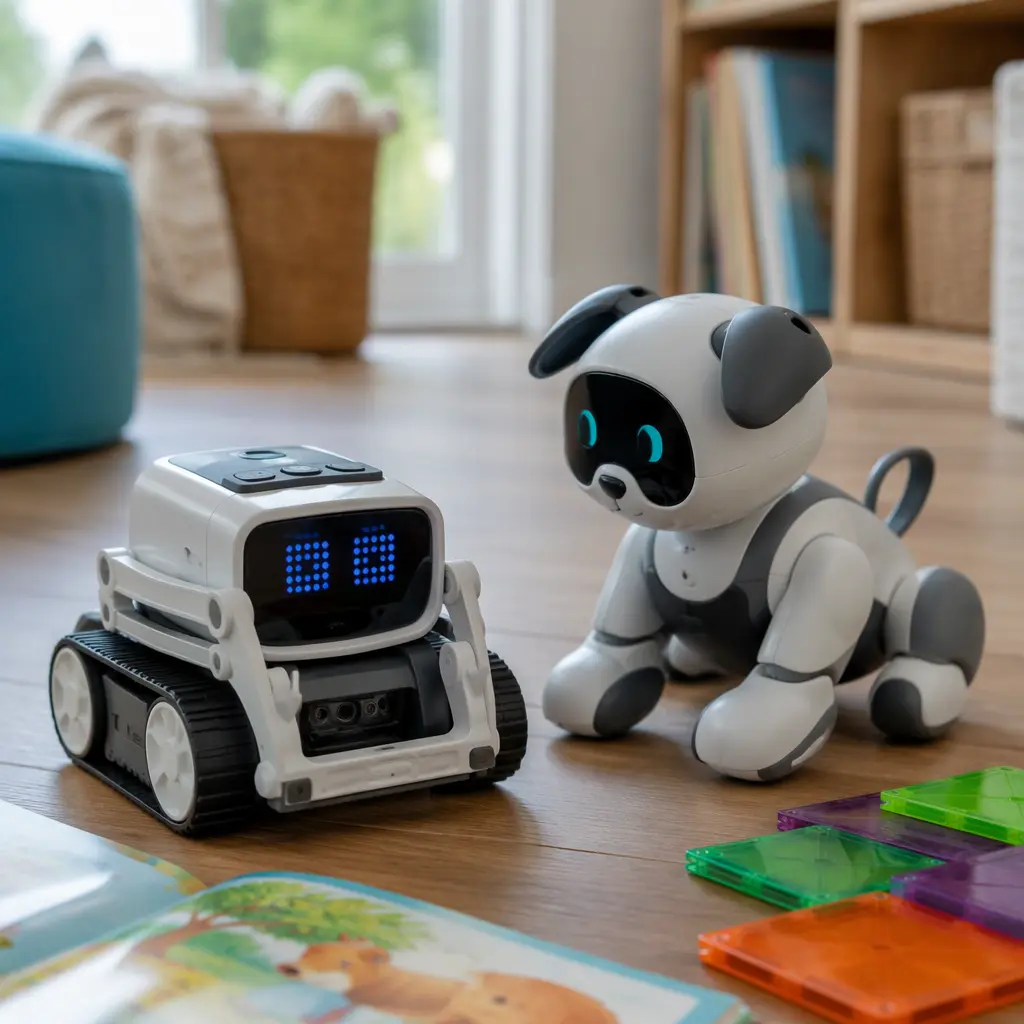
Loona stands out more through movement and emotional expression. Instead of behaving primarily like a talking tutor, it acts more like a robotic pet that reacts to voices, gestures and objects around it. Children who get bored sitting still may stay engaged longer with movement-based interaction because it feels less repetitive than quiz-style content. However, the trade-off is that conversational depth may feel lighter compared with education-focused robots. Loona may also require more open floor space and can create more background activity and noise during play.
- Choose Miko 4 if your child enjoys asking questions, learning games, stories and chat-based interaction.
- Choose Loona if your child wants movement, reactions and a pet-like personality rather than lesson-style activities.
- Miko 4 may suit smaller homes better because interaction is less dependent on floor movement.
- Loona may hold attention longer for active children who prefer physical play over seated interaction.
- Both rely on companion apps and regular charging, so neither is a low-maintenance unplugged toy.
- Families hoping for fully independent AI should keep expectations realistic. These products are still structured consumer toys rather than open-ended conversational systems.
Frequently asked questions
Do these robots still work without internet?
Some basic functions may continue offline, such as limited movement routines or preloaded interactions, but many conversational and cloud-based features depend on Wi‑Fi access. Parents considering either toy for travel or low-connectivity homes should check what functions are available offline before buying.
Are subscriptions required?
Features and content libraries can change over time. Some connected toys include optional subscriptions, credits or premium services for expanded activities or updates. It is important to review current manufacturer details because long-term costs can affect overall value more than the initial purchase.
Which robot needs more parent setup?
Both involve app installation, Wi‑Fi connection and account management, but setup effort often depends on home network stability and how many permissions the companion app requests. Parents less comfortable with connected-device troubleshooting may prefer whichever interface appears simpler and better documented at the time of purchase.
Will kids lose interest quickly?
That depends heavily on expectations. Children who expect an endlessly intelligent companion may become frustrated when responses repeat or features feel limited. Kids who treat the robot more like an interactive character or gadget often stay engaged longer, especially when the toy is used in shorter sessions rather than all day.
Are these toys educational?
Miko 4 leans more directly into educational activities, while Loona focuses more on interaction and companionship. Neither replaces reading, creative play or hands-on learning, but both can encourage curiosity and conversational engagement when used alongside other activities.
For children who get bored fast, the better choice usually comes down to whether they stay engaged through conversation or through movement and personality. Miko 4 generally offers deeper guided interaction and learning-focused content, while Loona prioritizes expressive behavior and active play. Parents should weigh internet dependence, privacy comfort, setup complexity and long-term software support just as carefully as the toy’s personality features.