Ropet vs Moflin for Families Wanting a Calmer AI Pet
A parent-focused comparison of Ropet and Moflin covering noise, emotional interaction, maintenance, privacy concerns and how well each works with low-key daily use.
Compare prices and availability
Check current prices and availability for this guide on eBay.
As an eBay Partner, we may be compensated if you make a purchase.
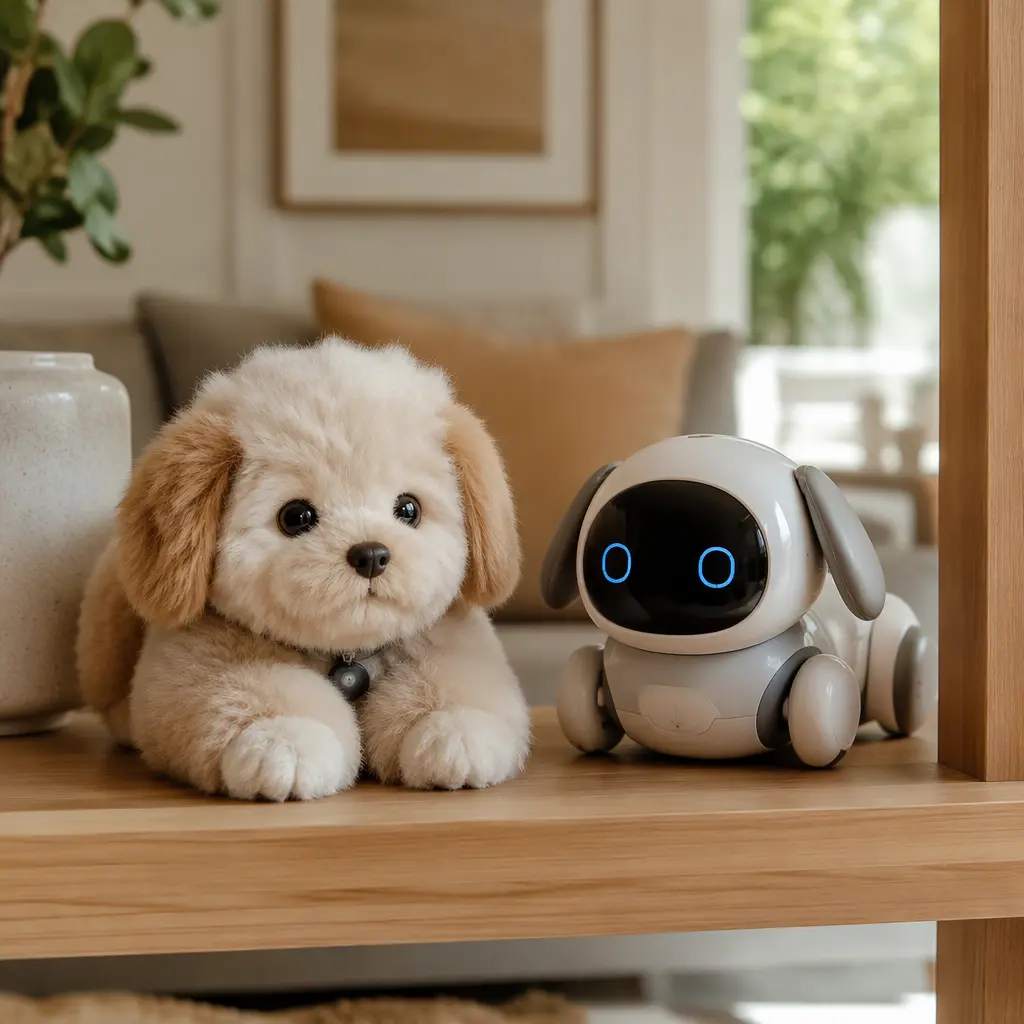
Families looking for a calmer alternative to loud interactive pets often end up comparing AI companions such as Ropet and Moflin. Both are designed around emotional interaction rather than fast movement, flashing lights or competitive gameplay, but they approach that goal differently. The main buying decision is not which toy is more advanced, but which one fits the household. Some families want a quiet comfort object that occasionally responds to touch. Others want a more active digital companion that reacts frequently and feels socially engaging. Because these products use connected and AI-driven features rather than simple pre-programmed responses alone, it is also important to consider app dependence, microphones or sensors, charging habits and what happens if cloud services or support change over time.
What to look for
AI pets aimed at older children and families vary more in temperament than appearance. Some are designed to behave almost like digital comfort animals, while others lean toward expressive robotics. For calmer households, the key differences usually involve sound levels, how often the toy seeks interaction and whether the connected features continue working without subscriptions or frequent app use. Since these toys are intended for ongoing companionship rather than quick play sessions, practical issues such as charging, cleaning and storage matter more than they do with many traditional toys.
- Noise profile: Some AI pets use soft movement sounds and quiet vocal effects, while others react more frequently with audio cues or animated behavior. Families sensitive to noise should look for volume controls or low-activity modes.
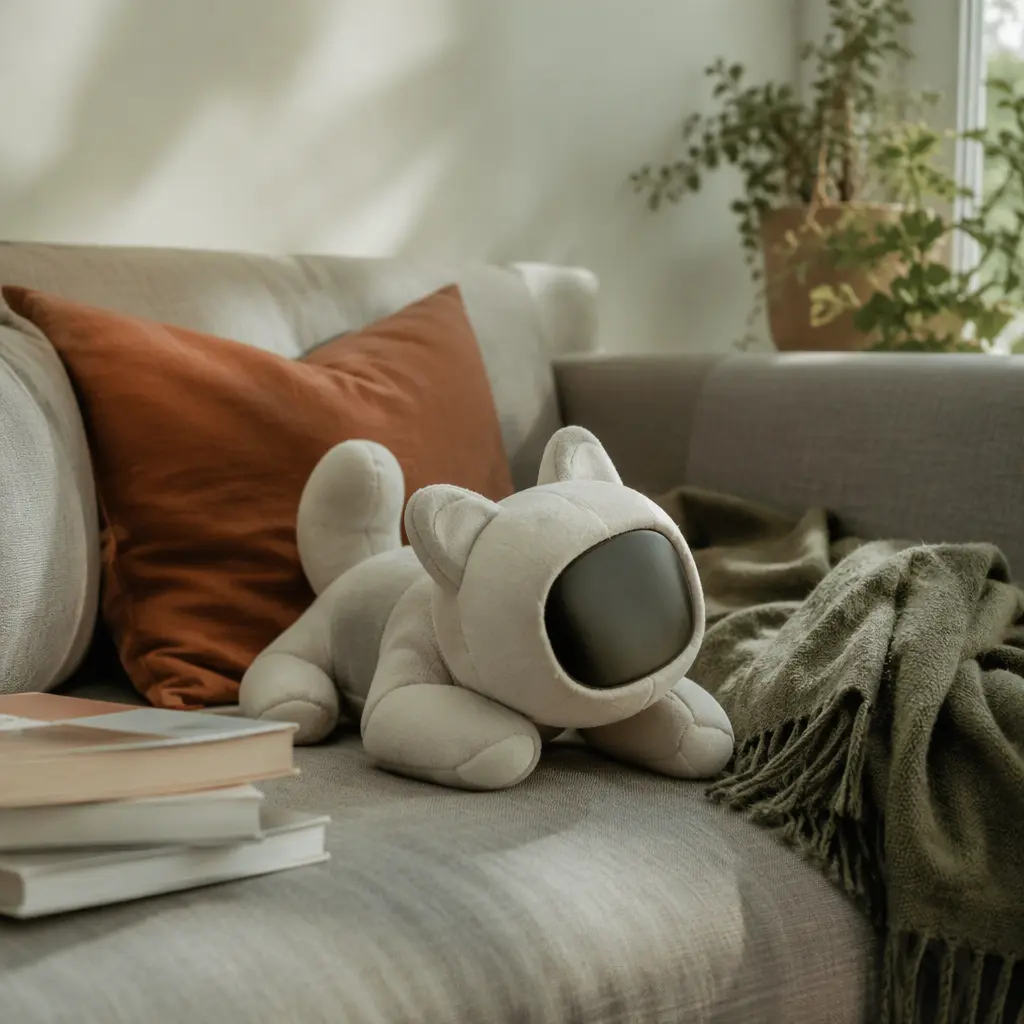
- Interaction style: Moflin is positioned more as an emotionally responsive plush companion, while Ropet-style products often emphasize interactive robotic reactions and engagement.
- Offline usefulness: Check whether core behaviors still work without a phone app, Wi‑Fi connection or cloud account. Some connected features may become limited over time.
- Maintenance: Plush-style AI pets can attract dust and may require careful cleaning around electronics. Hard-shell robotic designs are often easier to wipe down but may show scratches.
- Charging routine: Daily charging can become frustrating for children expecting continuous companionship. Docking systems are simpler for shared family spaces than loose cables.
- Privacy considerations: AI-enabled pets may use microphones, touch sensors or companion apps that collect usage data. Review manufacturer privacy policies and parental controls before setup.
- Storage and durability: Softer AI pets may feel more comforting but can be less practical around pets, food or younger siblings. Robotic models may tolerate handling better but can feel less cuddly.
Age suitability
For the 9–12 age group, both Ropet-style AI companions and Moflin-style emotional pets can appeal to children who enjoy nurturing play without wanting a traditional babyish plush toy. They tend to work best for quieter personalities, tech-curious kids and families interested in companion-style interaction rather than action-focused play. Children expecting a highly intelligent conversational AI may be disappointed, since these products usually rely on emotional cues, touch responses and evolving behavior patterns rather than open-ended conversation. Younger siblings may also treat them roughly, which can create wear issues or charging problems. Families looking for fully screen-free play should note that setup, updates and some customization features may still require a phone app.
Options compared
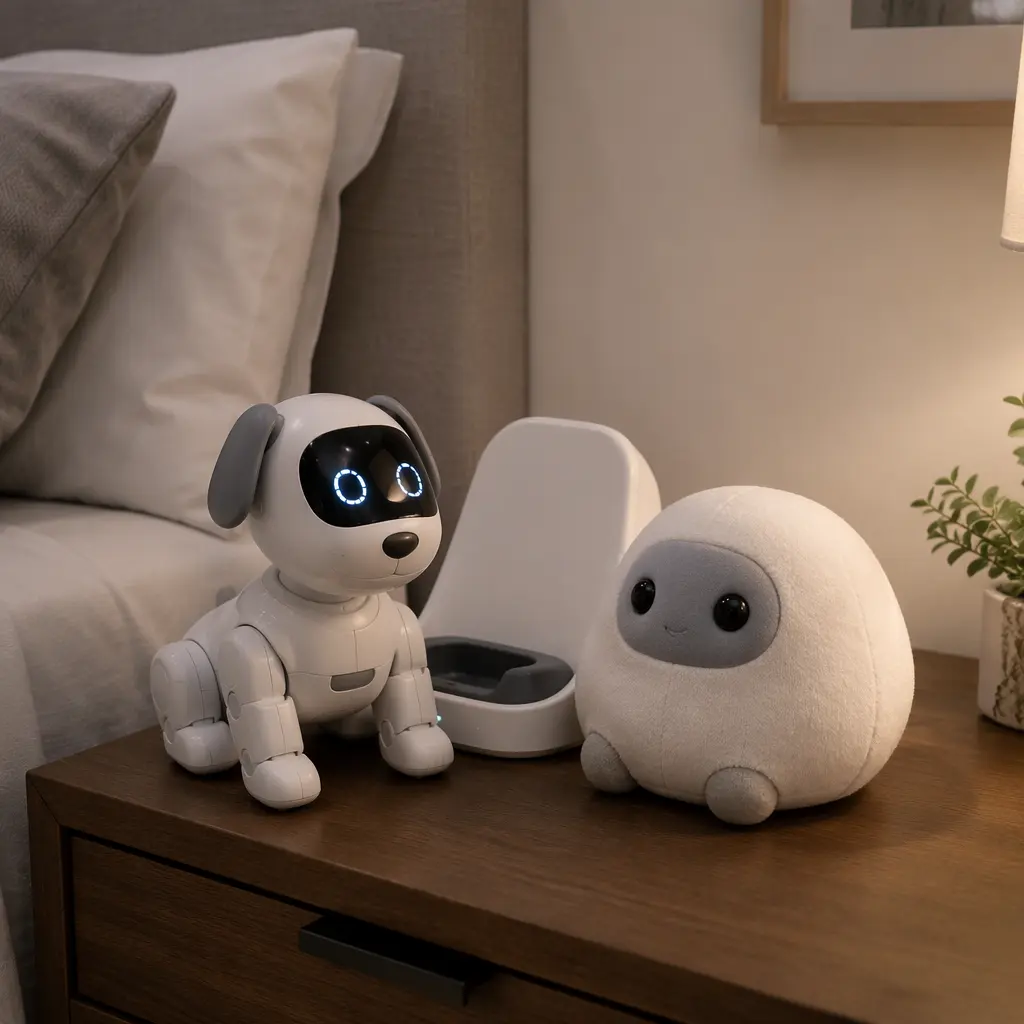
Moflin is generally aimed at families who want a low-energy emotional companion. Its appeal comes from softer reactions, comforting textures and gradual emotional development rather than constant activity. That can make it a better fit for quieter homes, bedtime winding-down routines or children who like soothing sensory experiences. Families should still expect occasional sounds and reactions, but the overall experience is usually closer to caring for a responsive plush companion than managing an energetic robot. The trade-off is that children wanting obvious tricks, movement or highly varied interactions may lose interest more quickly.
Ropet-style AI pets often focus more heavily on expressive interaction and robotic personality. Depending on the product version and connected features, this can include more animated reactions, movement patterns or attention-seeking behavior. For some children, that creates a stronger sense of companionship and novelty. For others, especially in smaller homes or noise-sensitive environments, it may feel overstimulating after the initial excitement fades. Families should also consider whether the toy remains enjoyable during quieter periods. Some AI pets become less interesting if they rely heavily on frequent engagement, while calmer designs can sit comfortably in a room without demanding constant attention.
- Choose Moflin-style emotional companions if the priority is calm sensory comfort, gentle interaction and lower-energy companionship.
- Choose Ropet-style interactive companions if the priority is expressive reactions, active engagement and a more robotic personality.
- Avoid either category if the household wants completely offline toys with no app setup or data-sharing considerations.
- Families with limited storage or busy schedules may prefer simpler charging and lower-maintenance designs over highly interactive models.
- Children expecting advanced conversation similar to large AI chatbots may find both categories more limited than marketing materials suggest.
Frequently asked questions
Do these AI pets work without Wi‑Fi?
Many AI pets keep basic reactions and movement functions available offline, but app-based customization, updates or emotional tracking features may require internet access. Manufacturers vary in how much functionality depends on cloud services.
Are AI pets noisy at night?
That depends on the product settings and how reactive the toy is to touch, movement or sound. Calmer plush-oriented AI pets are often quieter overall, while robotic models may produce movement sounds, startup tones or charging noises. Bedroom use may require muting or scheduled downtime.
Do children lose interest quickly?
Interest levels depend heavily on expectations. Children who enjoy nurturing routines or sensory comfort may stay engaged longer than children looking for game-like rewards or complex conversation. AI pets generally work best as occasional companions rather than all-day entertainment devices.
What privacy concerns should parents know about?
Connected toys may collect interaction data through apps, microphones or account systems. Parents should review privacy policies, account requirements and data deletion options before setup. It is also useful to check whether software support is limited to specific regions or languages.
Are AI pets good alternatives to real pets?
They can offer companionship without feeding, shedding or veterinary care, but they do not replace the responsibilities or emotional realities of caring for a real animal. Families mainly interested in teaching long-term pet care may prefer traditional pets or non-connected nurturing toys.
For families choosing between Ropet and Moflin, the quieter and more comforting option is usually the better long-term fit for calm households. The most important question is not which AI pet appears more advanced, but whether the toy’s interaction style matches the family’s tolerance for noise, maintenance, app dependence and daily attention. A lower-energy companion that remains pleasant to live with after the novelty fades is often the more practical choice.