Miko Mini AI Companion and the New Wave of Kids' AI Robots
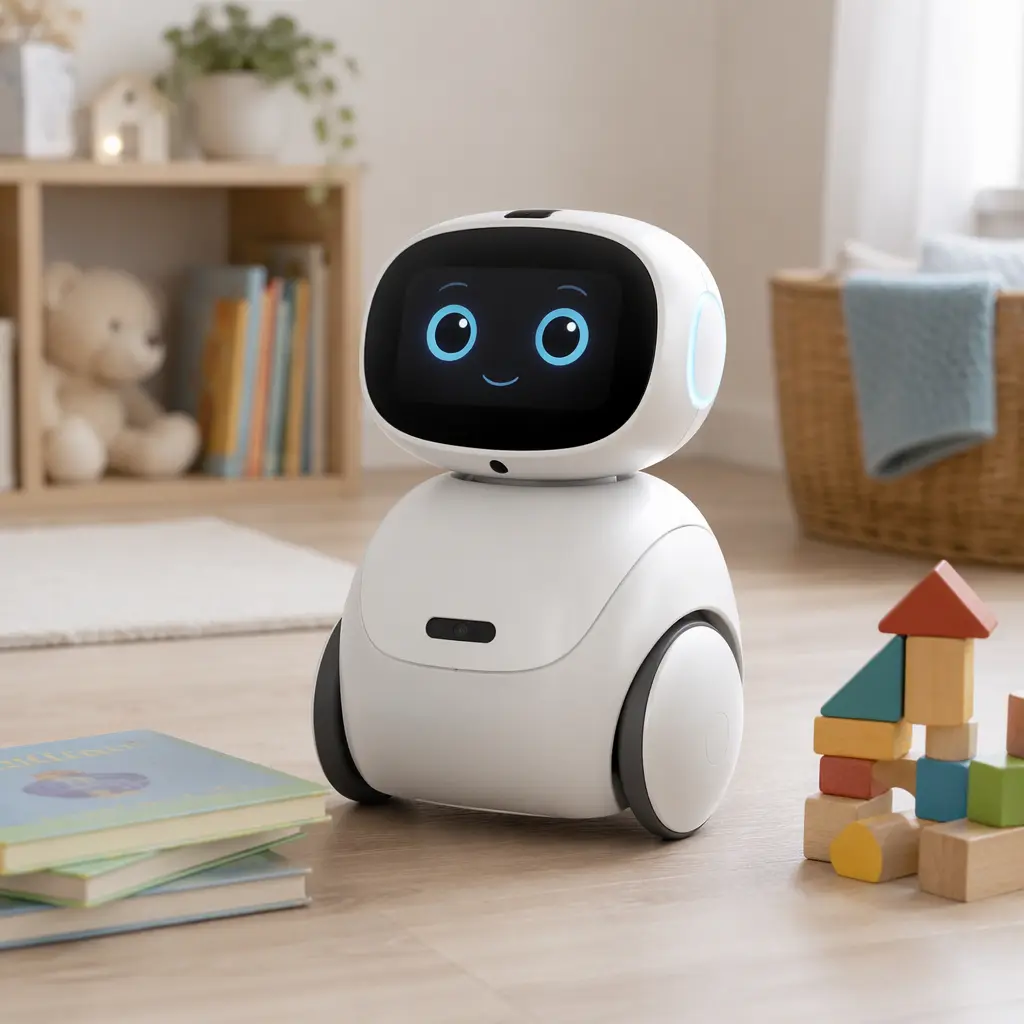
Miko Mini AI Companion reflects a growing category of child-focused AI robots that mix conversation, games and learning tools with cloud services, microphones and app-based parental oversight.
Compare prices and availability
Check current prices and availability for this guide on eBay.
As an eBay Partner, we may be compensated if you make a purchase.
The Miko Mini AI Companion arrives at a time when conversational technology is moving quickly from phones and smart speakers into children's toys. Positioned as a smaller child-focused robot companion, it sits within a category that blends entertainment, education and connected technology. Unlike traditional electronic toys that rely on fixed sound clips or button-driven responses, AI-oriented robots aim to create more open-ended interactions through voice recognition, cloud-connected services and app-based features. That shift is part of what makes products like the Miko Mini notable to parents and educators as well as toy-industry watchers.
Where it came from
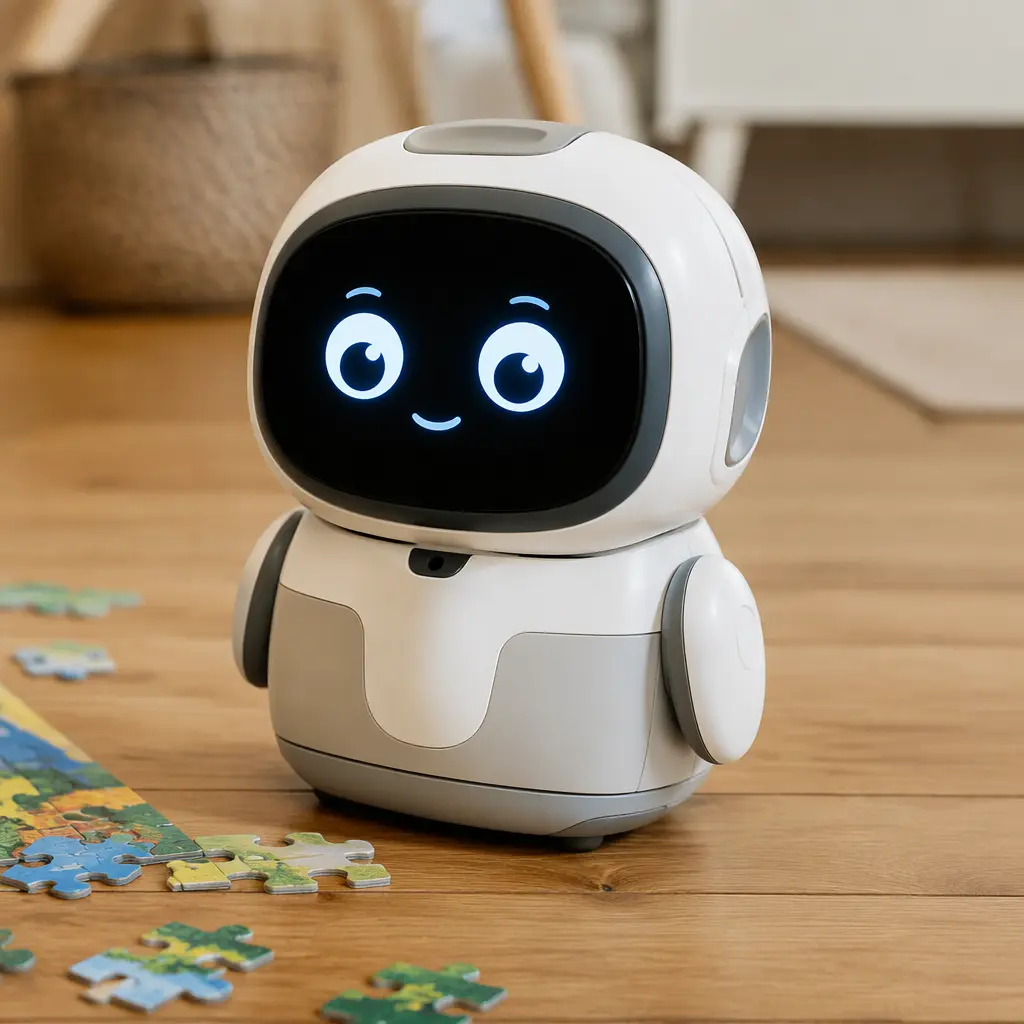
Miko-branded robots emerged during a broader push toward AI-assisted educational devices for children. The category grew from earlier programmable robots and interactive learning toys, but newer entries increasingly rely on internet connectivity, cloud processing and conversational systems to create a more dynamic experience. Smaller companion robots are typically designed to lower the barrier to entry compared with larger premium home robots, offering a simplified form factor and a more approachable price range for families curious about AI toys.
The Miko Mini concept reflects several trends happening at once: the popularity of STEM-themed toys, interest in screen-light educational activities and the rapid consumer visibility of generative AI tools. Manufacturers in this space often present these robots as companions that can tell stories, answer questions, lead games or support learning routines. At the same time, privacy advocates and parents continue to examine how children's voice data is handled, whether cloud services are required for core functions and how meaningful the educational content is beyond novelty.
Why it works
The appeal of a small AI companion robot is easy to understand. Children naturally anthropomorphize responsive objects, especially ones with expressive faces, voices and movement. A robot that appears to react conversationally can feel more engaging than a static tablet app, even when the underlying activities are familiar quizzes, stories or mini-games. Mobility, animated expressions and conversational prompts create the impression of personality, which is central to the category's staying power.
Design also matters. Child-focused robots are usually built with rounded forms, simplified controls and durable materials intended to survive regular handling. Companion robots often avoid highly complex mechanical features in favor of approachable interactions that work in bedrooms, playrooms or classroom-like environments. The technology behind the scenes may combine scripted responses, cloud-based AI systems and sensor-driven behavior rather than fully autonomous intelligence.
- Voice interaction through onboard microphones and speech recognition
- Animated digital expressions designed to encourage emotional engagement
- App-connected parental controls and account management
- Educational games, quizzes or storytelling activities
- Wi-Fi or cloud dependence for some conversational features
- Compact size intended for tabletop or floor play in smaller spaces
Who it's for
AI companion robots are generally aimed at elementary-school-age children, though exact suitability depends on reading level, comfort with technology and the maturity of the conversation systems involved. Younger children may enjoy the robot mainly as an expressive character that talks and moves, while older children are more likely to explore trivia, learning activities or conversational prompts. Adult interest is also part of the market. Parents often view these devices as an introduction to coding concepts, digital literacy or AI familiarity, while collectors and tech enthusiasts follow the category because it reflects larger changes in consumer electronics and home robotics.
Variants and what to look for today
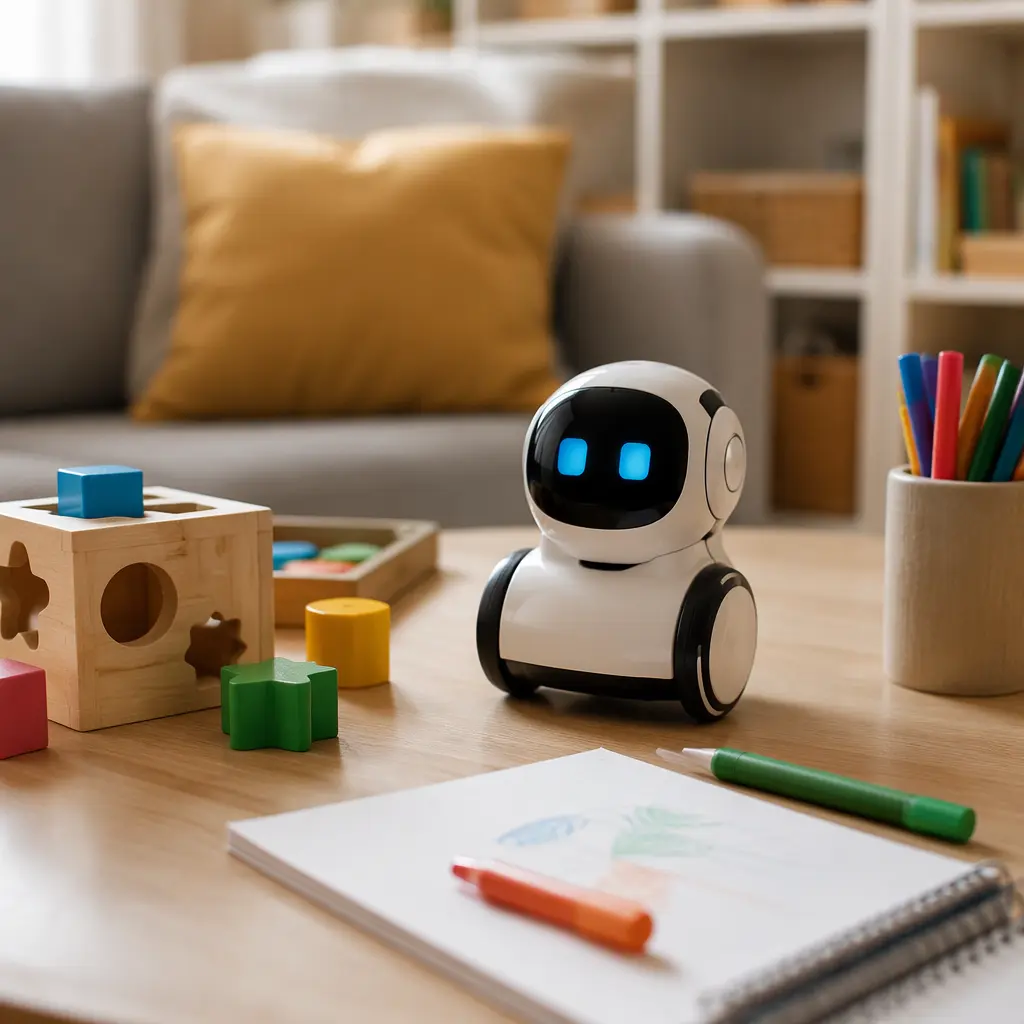
The AI robot category changes quickly, so shoppers are likely to encounter multiple companion-style devices with overlapping features. Some focus heavily on education, while others lean toward entertainment, emotional interaction or coding activities. Differences can include screen size, movement capability, language support, app ecosystems and whether the device relies on a subscription or ongoing cloud access for advanced features.
When comparing options, families should pay close attention to privacy settings, account requirements and long-term software support. A robot with microphones and cloud-connected conversation tools may collect voice interactions or usage data depending on its setup and policies. Parents may also want to check whether key features continue to work in offline mode or become limited without internet access. Regional support matters too, since some services, languages or app features may not be available everywhere.
- Look for clear parental controls and account-management options
- Check whether app support matches your household devices
- Verify whether internet access is required for core features
- Compare educational content with simpler non-connected alternatives
- Avoid counterfeit or imitation devices with unclear software support
Frequently asked questions
Does the Miko Mini use generative AI?
Manufacturers in this category may combine scripted responses, cloud-based conversational systems and AI-assisted features. Not every response from a companion robot is fully generative, and many interactions are structured around curated educational content or safety filters.
Can children use an AI robot without internet access?
Some companion robots retain limited offline features such as movement, stored games or preloaded activities, but conversational functions and updates often depend on Wi-Fi or cloud connectivity. Capabilities vary between products and software versions.
Are AI companion robots educational?
They can support learning activities such as trivia, storytelling, language practice or guided games, but educational value depends heavily on how the toy is used. Many families treat these robots as supplemental enrichment rather than replacements for books, teachers or hands-on play.
What should parents watch for with connected toys?
Important considerations include microphone access, data collection policies, account requirements, software updates, subscription features and screen time balance. Parents may also want to monitor how children interpret emotionally expressive AI systems, especially with younger users.
The Miko Mini AI Companion represents a broader transition in the toy industry rather than a single isolated gadget trend. Children's robots are increasingly shaped by the same debates surrounding smart speakers, AI chat systems and connected home devices. For some families, that creates exciting possibilities for interactive learning and curiosity-driven play. For others, it raises practical questions about privacy, value and how much technology belongs in everyday childhood routines. Either way, small AI companions have become one of the clearest signs that consumer AI is moving into the toy aisle.