Pixicade Pets and the Return of Draw-Your-Own Games
Pixicade Pets revives the draw-to-play concept with virtual pet gameplay built around children’s artwork, while highlighting the growing role of apps, cameras and connected devices in modern creative toys.
Compare prices and availability
Check current prices and availability for this guide on eBay.
As an eBay Partner, we may be compensated if you make a purchase.
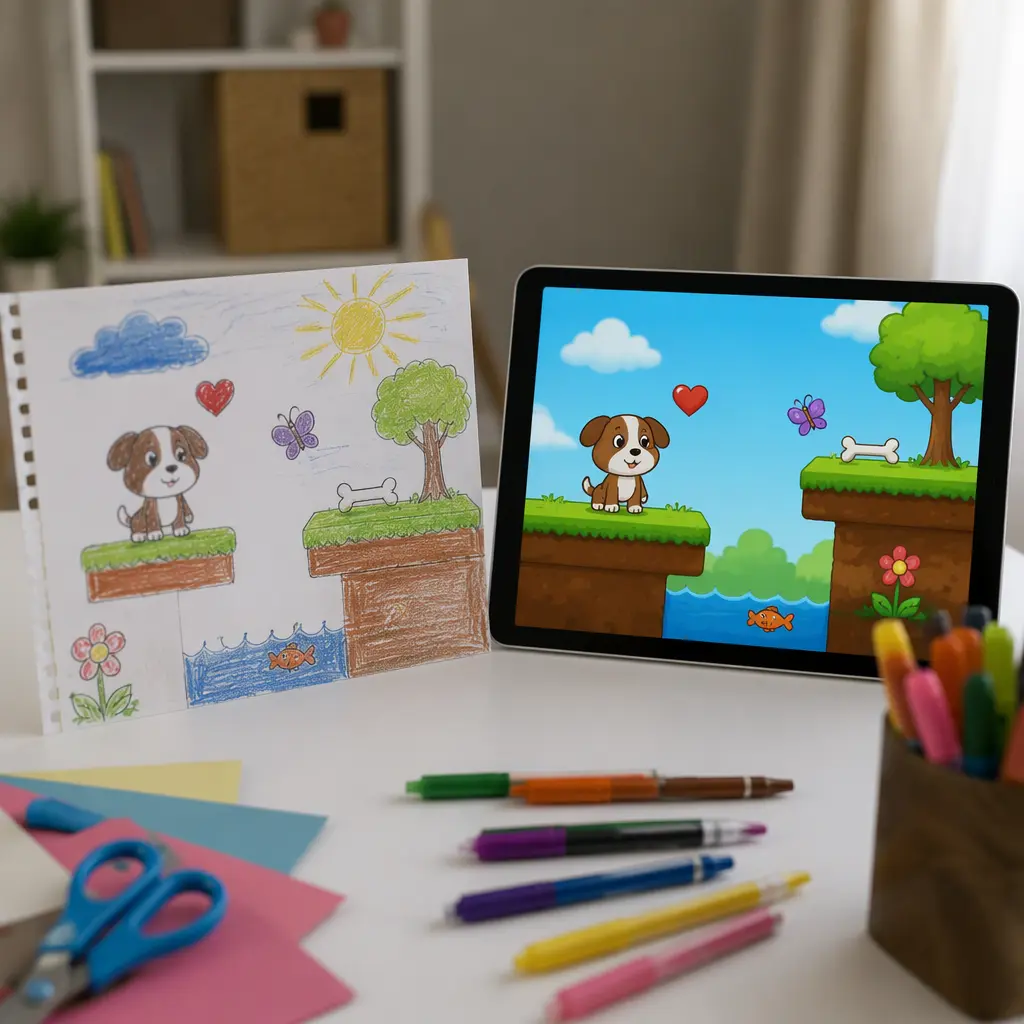
Pixicade Pets sits at the intersection of arts-and-crafts play and beginner-friendly game design. The idea is simple enough to explain in a sentence: children draw a character on paper, scan it with a mobile device, and watch it become part of a playable digital world. Earlier Pixicade products focused on turning drawings into arcade-style games, but the pet-centered version leans into caretaking, customization and ongoing interaction. That shift reflects a broader trend in toy-tech, where creative tools increasingly mix physical activity with app-based experiences designed to keep children returning over time.
Where it came from
The wider Pixicade line emerged during a period when educational toy makers were looking for ways to make coding and game logic feel less intimidating for younger children. Instead of asking kids to learn a programming language first, the concept translated physical drawings into digital interactions. A child could sketch obstacles, characters or platforms with markers, then use a device camera to convert those elements into a functioning game environment.
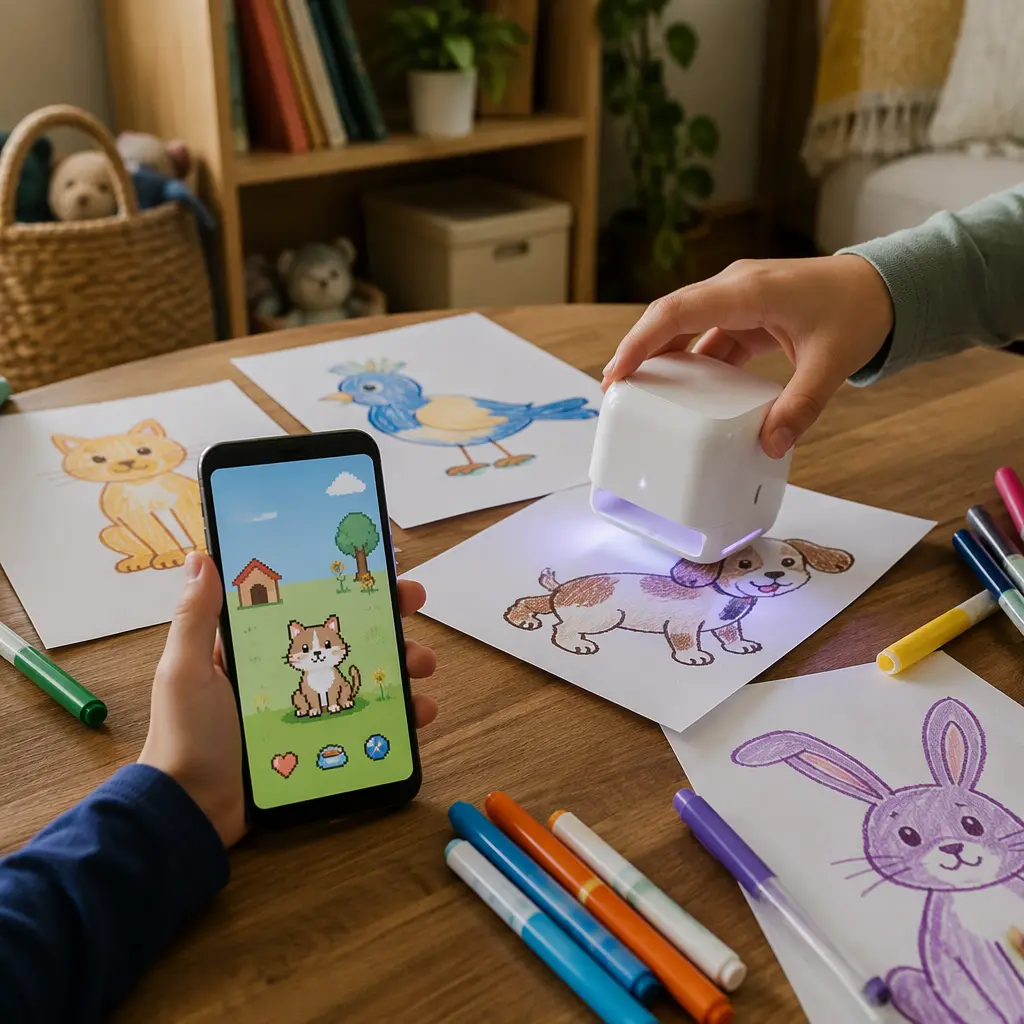
Pixicade Pets extends that formula by focusing on virtual companions rather than pure arcade challenges. The approach mirrors the long-running appeal of digital pet toys while adding a hands-on creative layer. Rather than selecting a pre-made creature from a menu, children start with their own artwork. That distinction matters because the toy's appeal depends less on polished graphics and more on ownership of the creative process. At the same time, the product reflects how dependent many contemporary toys have become on apps, mobile operating systems and camera-enabled devices. Without compatible hardware and continued software support, much of the experience would be difficult or impossible to access.
Why it works
The strongest part of the concept is immediacy. Drawing on paper remains familiar and approachable for many children, especially compared with more technical creative software. Scanning a sketch and seeing it transformed into an animated or interactive pet creates a quick payoff that can feel surprisingly personal. The technology itself is not the main attraction for most children; the sense that their own drawing has crossed into a game world is what gives the experience its novelty.
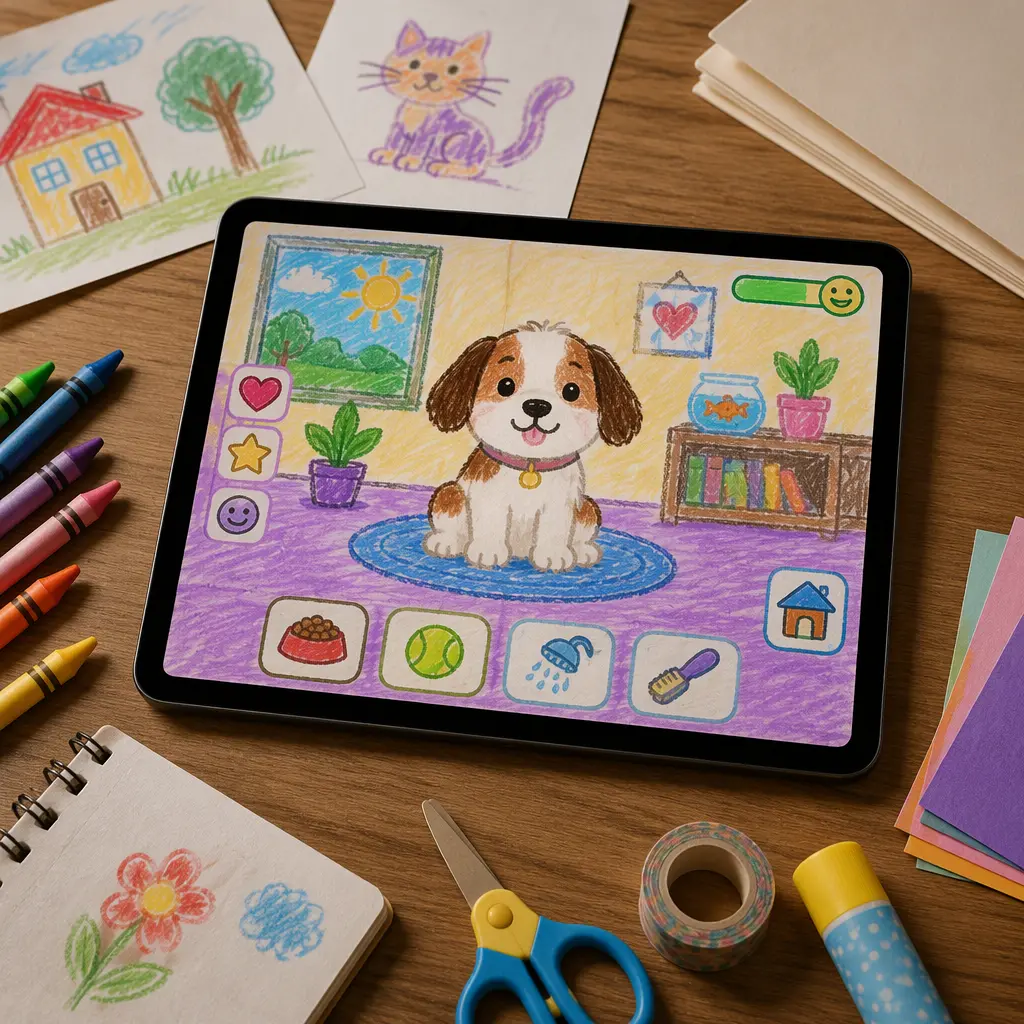
The pet format also encourages longer engagement than a single mini-game might. Caring for, customizing or revisiting a created character can make the app feel more like a persistent digital playground than a one-time experiment. Whether that longevity holds up over months depends heavily on software updates, available activities and how much freedom children have to keep creating new characters or worlds.
- Combines physical drawing with digital gameplay
- Uses a mobile device camera to translate artwork into game elements
- Pet-focused gameplay encourages repeat interaction
- Craft-style creativity can appeal to children who are less interested in coding-focused STEM kits
- Portable format compared with larger electronic learning systems
Who it's for
Pixicade Pets is aimed primarily at children who enjoy drawing, simple games and character customization. It fits most naturally with elementary-school-age players who are comfortable using a tablet or smartphone with supervision. The toy also has some crossover appeal for parents looking for a more creative alternative to passive screen time. Unlike a conventional mobile game, the experience begins away from the screen with markers and paper. Older children deeply interested in advanced game creation may outgrow the simplified structure fairly quickly, but younger users are more likely to appreciate the accessible learning curve.
Variants and what to look for today
Because Pixicade products rely so heavily on software, buyers should pay close attention to compatibility rather than focusing only on the physical kit. Device support can change over time as mobile operating systems evolve. Checking current app availability and supported devices is especially important for connected toys released in the contemporary app ecosystem. Regional app support may also vary depending on platform storefronts and update schedules.
The broader draw-to-play category has also inspired competing products and unofficial imitations. In general, the most reliable versions clearly explain how scanning works, what devices are needed and whether internet connectivity is required for key features. Families may also want to consider how much the toy still offers if servers, updates or online services eventually change. Some children will continue enjoying the physical drawing activities even if digital features become dated, while others may lose interest once the app component feels limited.
- Look for clear information about supported phones and tablets
- Check whether the app requires an account or ongoing internet access
- Consider how much replay value comes from drawing new creations
- Be cautious of unofficial versions with unclear privacy or support policies
Frequently asked questions
Does Pixicade Pets teach coding?
The toy is better described as introducing game logic and creative design rather than formal coding instruction. Children interact with cause-and-effect gameplay systems, but they are not typically writing code in the traditional sense.
Can it be used offline?
Some drawing and scanning activities may work locally on a compatible device, but connected features, updates or sharing tools can depend on internet access. The exact balance between offline and online functionality may change as the software evolves.
What devices are usually needed?
Pixicade Pets generally requires a compatible smartphone or tablet with a camera. Families should verify current operating system support before purchasing because app-based toys can lose compatibility over time.
Is the appeal mostly digital or physical?
The product works best when both sides complement each other. Children who already enjoy drawing and crafting are more likely to stay engaged than those looking only for a polished mobile game experience.
Pixicade Pets reflects both the promise and the uncertainty of modern toy-tech. Its central idea remains compelling because it turns a child’s own artwork into something interactive and personal. At the same time, the toy highlights how creative products increasingly depend on apps, device ecosystems and long-term software support. For families comfortable with that tradeoff, the combination of drawing, experimentation and digital play gives the category a distinct identity that still feels different from a standard mobile game or a traditional arts-and-crafts set.