My First Sony: The kid-sized gadgets that made tech feel personal
Sony’s colorful My First Sony line turned real electronics into approachable toys for children, blending durable design with working technology that introduced many kids to music, recording, and cameras in the late 1980s and 1990s.
Compare prices and availability
Check current prices and availability for this guide on eBay.
As an eBay Partner, we may be compensated if you make a purchase.
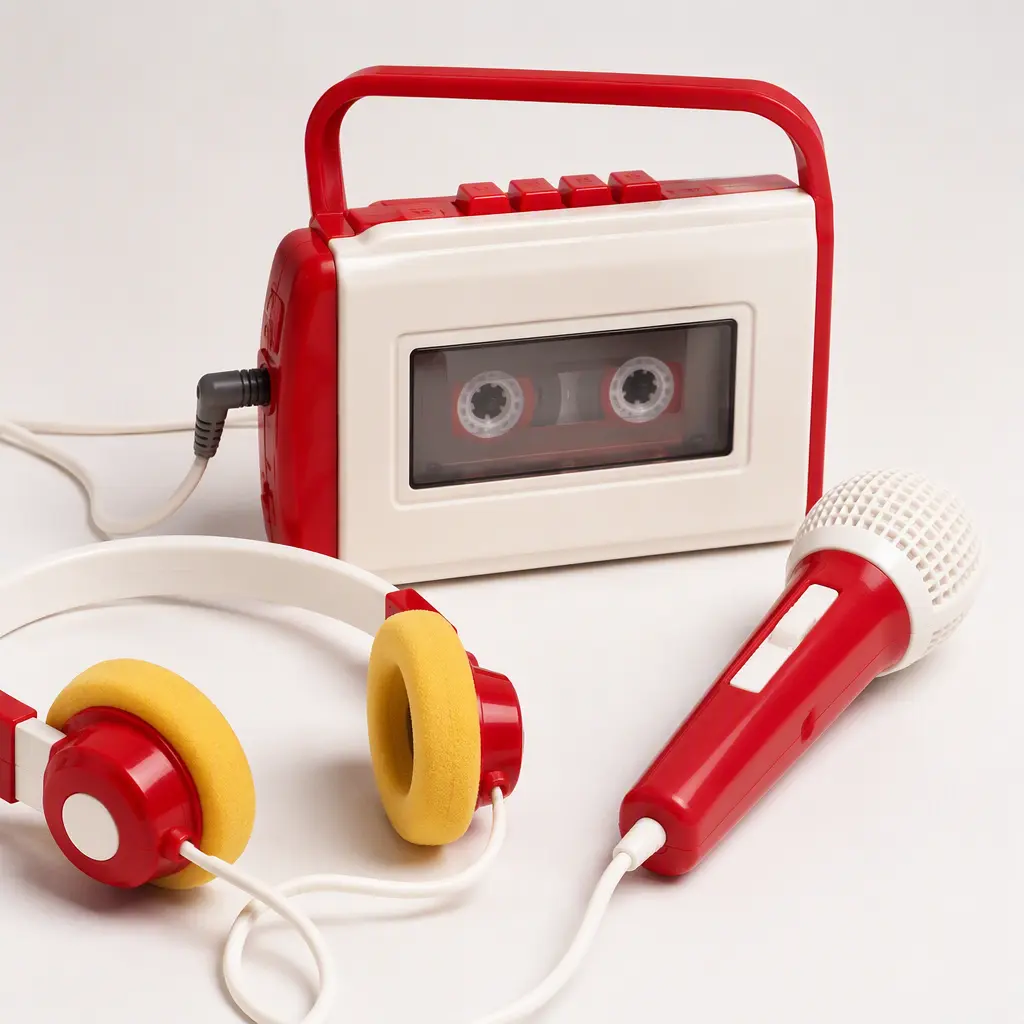
Long before tablets and touchscreen apps became part of everyday childhood, there was a brief but memorable era when real electronics were redesigned specifically for children. Sony’s My First Sony line, introduced in 1987, stood out because it was not pretend technology. These were functioning cassette players, microphones, radios, and cameras built with younger users in mind. Their oversized buttons, bright red-and-white shells, and simplified controls gave children a sense of independence while still connecting them to the same music and media culture adults were enjoying.
Where it came from
Sony launched the My First Sony range in 1987 during a period when home electronics were becoming central to family life. The Walkman had already transformed portable music listening, camcorders were entering households, and cassette tapes remained the dominant personal audio format. Sony recognized that children were curious about the gadgets surrounding them but often found standard electronics fragile, complicated, or physically awkward to use.
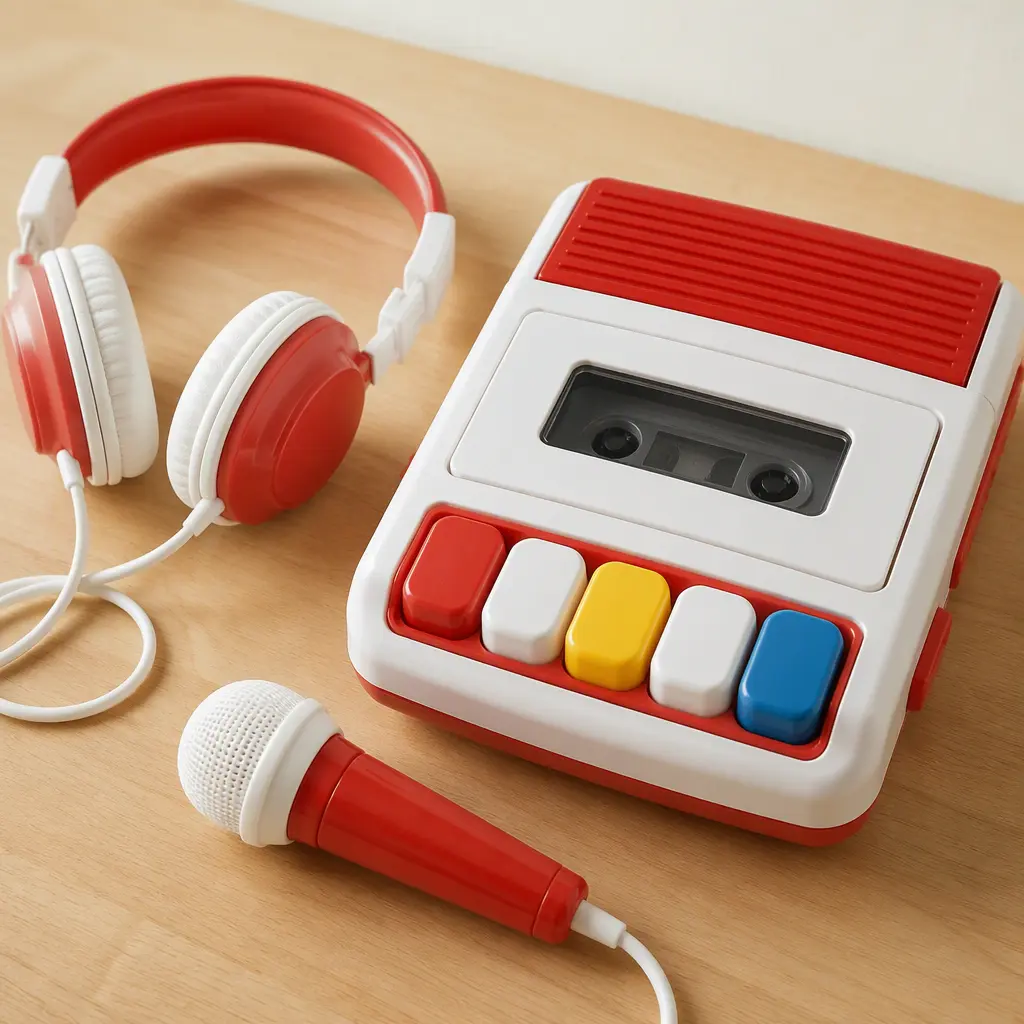
The solution was not to create toy replicas but to scale real technology down for younger hands. My First Sony products included cassette recorders, microphones, headphones, boomboxes, and simple cameras with chunky controls and durable casings. The line was designed to survive rough handling while still giving children genuine control over recording music, listening to stories, or taking photographs. That distinction mattered. Kids were not pretending to use technology; they were learning how it worked through direct experience.
Why it works
Part of the appeal of My First Sony was how seriously it treated children as users. The products were intentionally simplified, but they still preserved the core mechanics of adult electronics. A cassette deck still opened with a satisfying click. Headphones still connected through a cord. A microphone still amplified a child’s voice into a recorder or speaker. These tactile interactions helped make electronics feel understandable instead of mysterious.
The visual design also played a major role. The bright red housings and white controls became instantly recognizable, helping the products stand out from darker, more technical-looking consumer electronics of the era. Large buttons, thick handles, and rounded edges communicated durability and approachability at the same time. Even decades later, many people remember exactly how these devices felt in their hands.
- Real working electronics adapted for children rather than pretend versions
- Oversized buttons and controls that were easy for small hands to operate
- Durable plastic construction designed to handle drops and heavy use
- Bright color schemes that made the products visually approachable
- Simple interfaces that introduced audio recording, playback, and photography basics
Who it's for
At the time of release, My First Sony products were aimed primarily at younger children who were beginning to explore music, recording, and photography independently. The simplified controls made them accessible to early elementary-age users, while the sturdy construction reassured parents. Today, the line also appeals strongly to collectors and adults who grew up during the late 1980s and 1990s. For many people, these devices represent a first memory of owning personal technology. They sit at the intersection of toy history, consumer electronics design, and nostalgia for the early portable media era.
Variants and what to look for today
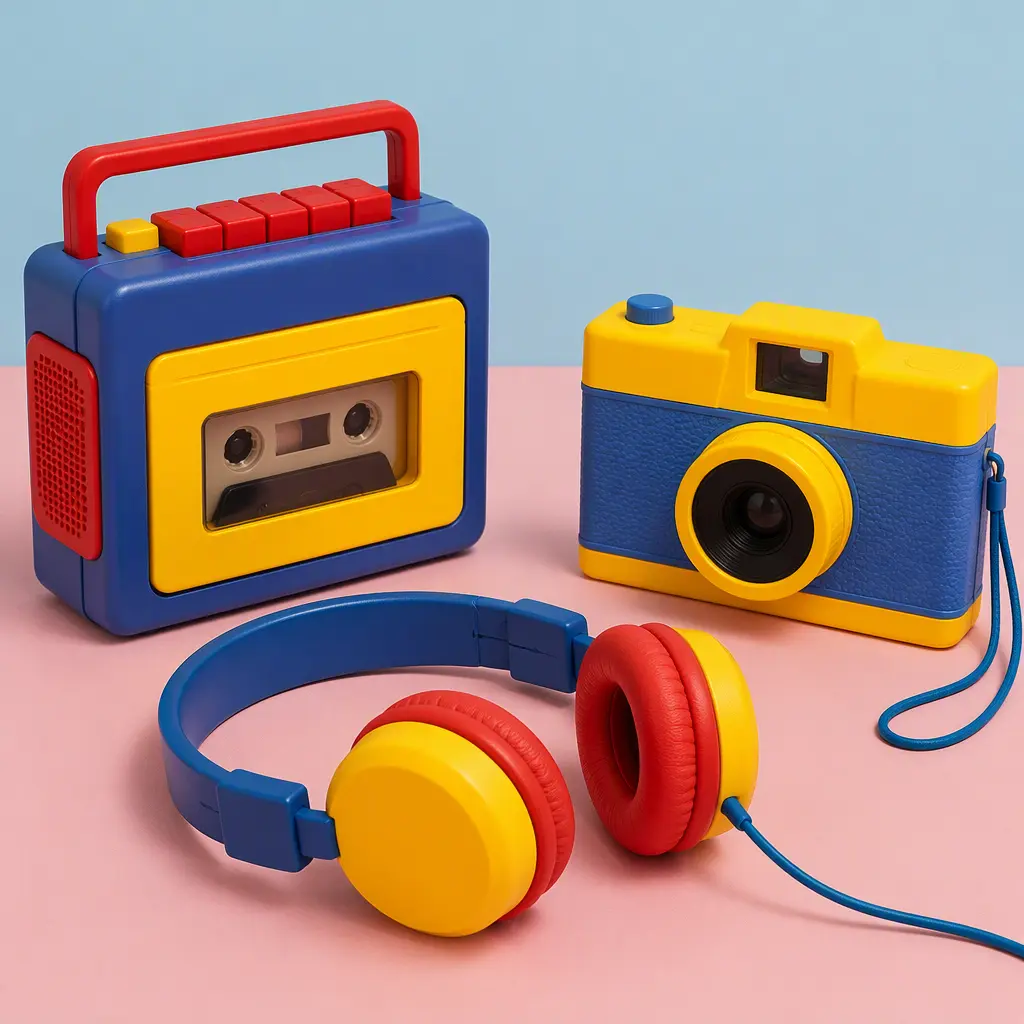
The My First Sony range expanded over time into several categories, with audio products remaining the most recognizable. Portable cassette players and recorders are especially common on the secondhand market, often remembered for their attached microphones and brightly colored headphones. Some versions focused on sing-along play and recording, while others emphasized simple portable listening. Cameras and radios also appeared in the lineup, though they are generally less common today.
Collectors and retro-tech fans often look for examples with clean battery compartments and intact plastic hinges, since aging electronics from this period can suffer from corrosion or brittle parts. Because many units were heavily used by children, cosmetic wear is common. Original accessories such as microphones, headphone pads, or carrying straps can also be difficult to find. While the products were built to be sturdy, cassette mechanisms and rubber belts may need maintenance after decades in storage.
- Look for complete sets with matching accessories when possible
- Battery corrosion is one of the most common issues in older units
- Test cassette functions carefully if buying a working example
- Minor scratches are normal due to the products’ child-focused use
- Avoid heavily cracked plastic around hinges or battery doors
Frequently asked questions
Was My First Sony considered a toy or real electronics?
It occupied a space between both categories. The products were designed for children and sold with playful branding, but they were fully functional electronics capable of recording audio, playing cassettes, or taking photographs depending on the model.
Why do people still remember the line so clearly?
For many children growing up in the late 1980s and 1990s, My First Sony products represented an early sense of ownership and independence. They were often a child’s first personal gadget rather than a shared household device.
Are vintage My First Sony products still usable?
Some are still functional, especially units that were stored carefully. However, aging cassette belts, battery corrosion, and worn headphone foam are common issues. Collectors sometimes restore units for display or occasional use.
Did other brands make similar products?
Yes. Several electronics and toy companies experimented with child-focused gadgets during the same era. My First Sony became one of the best remembered because of its distinctive design and because Sony adapted recognizable consumer technology rather than creating simple novelty items.
My First Sony arrived at a moment when personal electronics were becoming part of daily life, and it translated that shift into a format children could safely explore. The line’s lasting reputation comes from more than nostalgia alone. It demonstrated that technology for kids could be functional, durable, and genuinely educational without losing a sense of fun. In hindsight, these chunky cassette players and colorful microphones were an early introduction to hands-on media literacy, giving many children their first experience with recording, listening, and creating on their own terms.