Zuru Robo Fish: The tiny swimmers that made tubs feel alive
Zuru Robo Fish turned simple water play into something oddly convincing, using small battery-powered swimmers that darted through tubs, bowls, and pools with lifelike motion.
Compare prices and availability
Check current prices and availability for this guide on eBay.
As an eBay Partner, we may be compensated if you make a purchase.
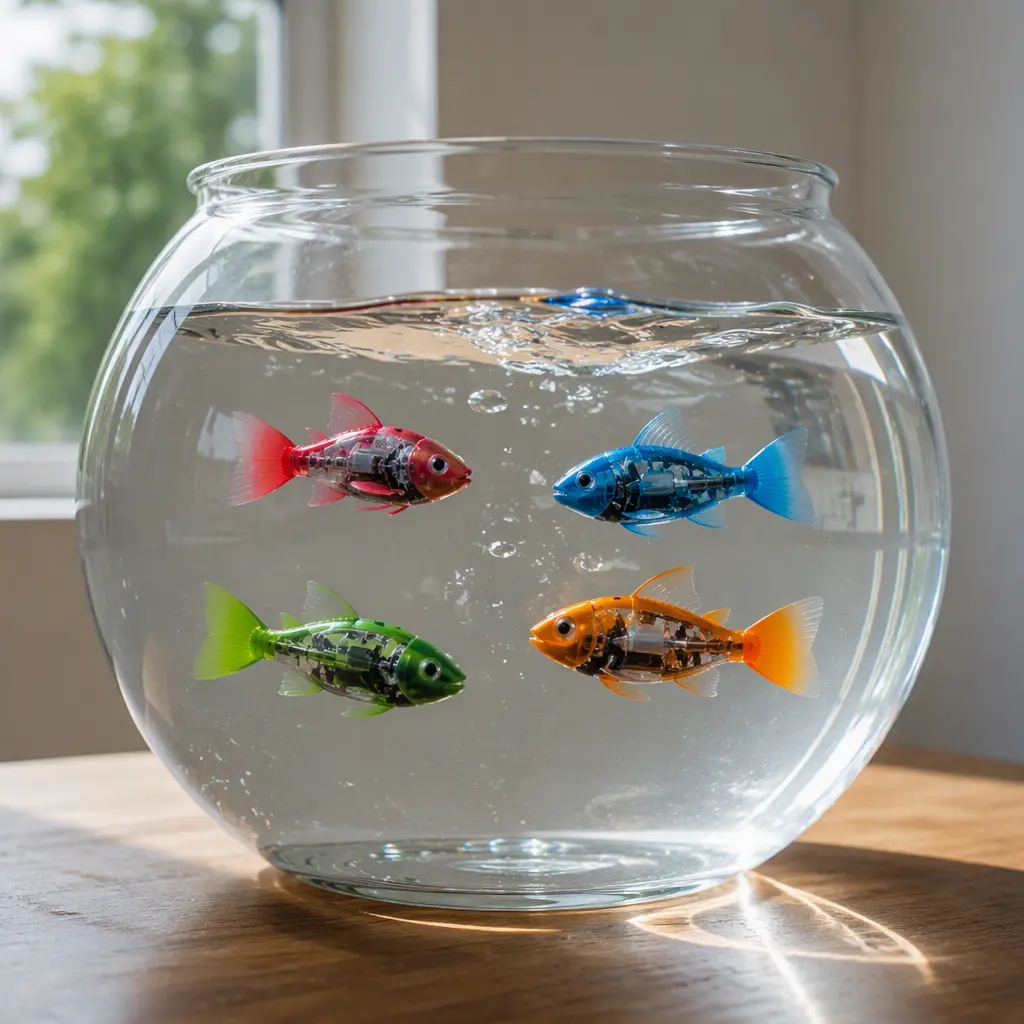
Few toy ideas of the early 2010s spread as quickly as tiny robotic fish that could suddenly bring a bowl of water to life. Zuru Robo Fish arrived at a moment when small electronic toys were becoming cheaper, more responsive, and easier to mass-produce, and the result was a surprisingly convincing illusion. Drop one into water and it darted away with quick tail movements, bumping into the sides of a tub or tank and changing direction like a startled pet fish. The appeal was immediate: part gadget, part novelty, and part pretend aquarium for kids who wanted movement without the responsibility of caring for live animals.
Where it came from
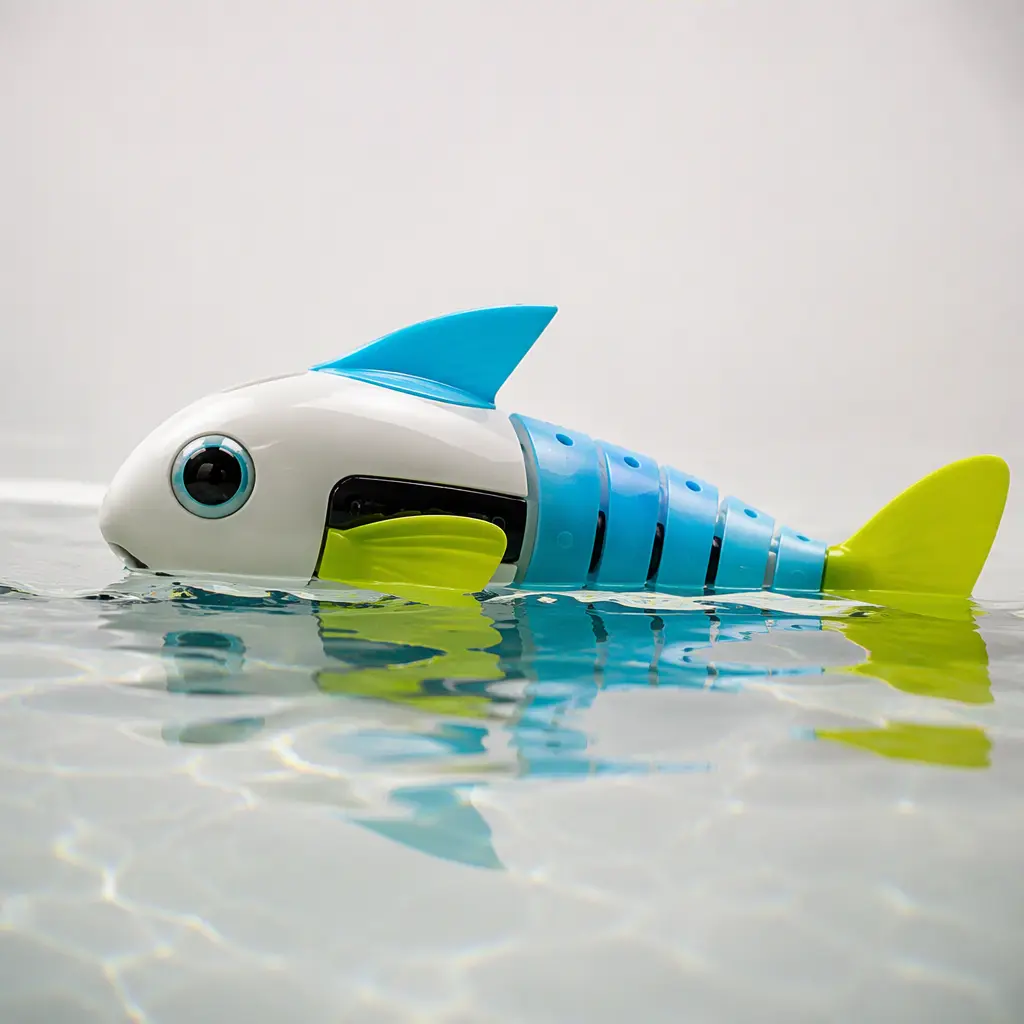
Zuru introduced Robo Fish in 2011 during a period when interactive miniature toys were booming. The New Zealand-founded toy company had already built a reputation around affordable novelty products and impulse-friendly collectibles, and Robo Fish fit neatly into that strategy. Instead of competing directly with large robotic pets or advanced RC toys, the company focused on a small, accessible experience that could work almost anywhere there was water.
The original idea was straightforward but effective. Tiny waterproof motors and simple sensors allowed the fish to activate once submerged, creating a swimming motion that looked more realistic than many people expected from a low-cost toy. Early versions often appeared in pet-store displays, toy aisles, and checkout sections because the demonstration sold the concept instantly. Watching a handful of plastic fish weave through a tank was enough to attract attention from both children and adults.
Why it works
The success of Robo Fish came from movement more than complexity. Unlike many electronic toys that rely on screens, sounds, or apps, these toys used a very physical illusion. The flicking tail and irregular path through water tapped into the same instinct that makes people pause to watch real fish tanks. Even though the mechanism was simple, the unpredictability of the swimming pattern made the toys feel active rather than mechanical.
There was also a practical side to the design. Robo Fish required very little setup, worked in sinks and bathtubs as easily as in dedicated play tanks, and encouraged open-ended play. Kids could invent underwater worlds, race the fish, build obstacle courses, or simply watch them move around. For parents, the toys occupied an unusual middle ground between bath toy and electronic gadget.
- Water-activated movement that starts automatically when submerged
- Compact size that works in bowls, tubs, pools, and aquariums
- Simple tail-driven swimming motion that appears surprisingly lifelike
- Collectible colors and species-inspired designs
- Battery-powered operation without the need for apps or controllers
Who it's for
Robo Fish mainly appealed to younger children, especially those interested in animals, sensory play, or water activities. Many versions were designed for ages around three and up, though battery compartments meant adult supervision was important with younger kids. The toys also found an audience beyond the usual toy market. Teachers sometimes used them in classroom demonstrations, while adults bought them as desk novelties or temporary decorative additions to parties and waiting rooms. Their appeal came less from competition or skill and more from the calming effect of watching movement in water.
Variants and what to look for today
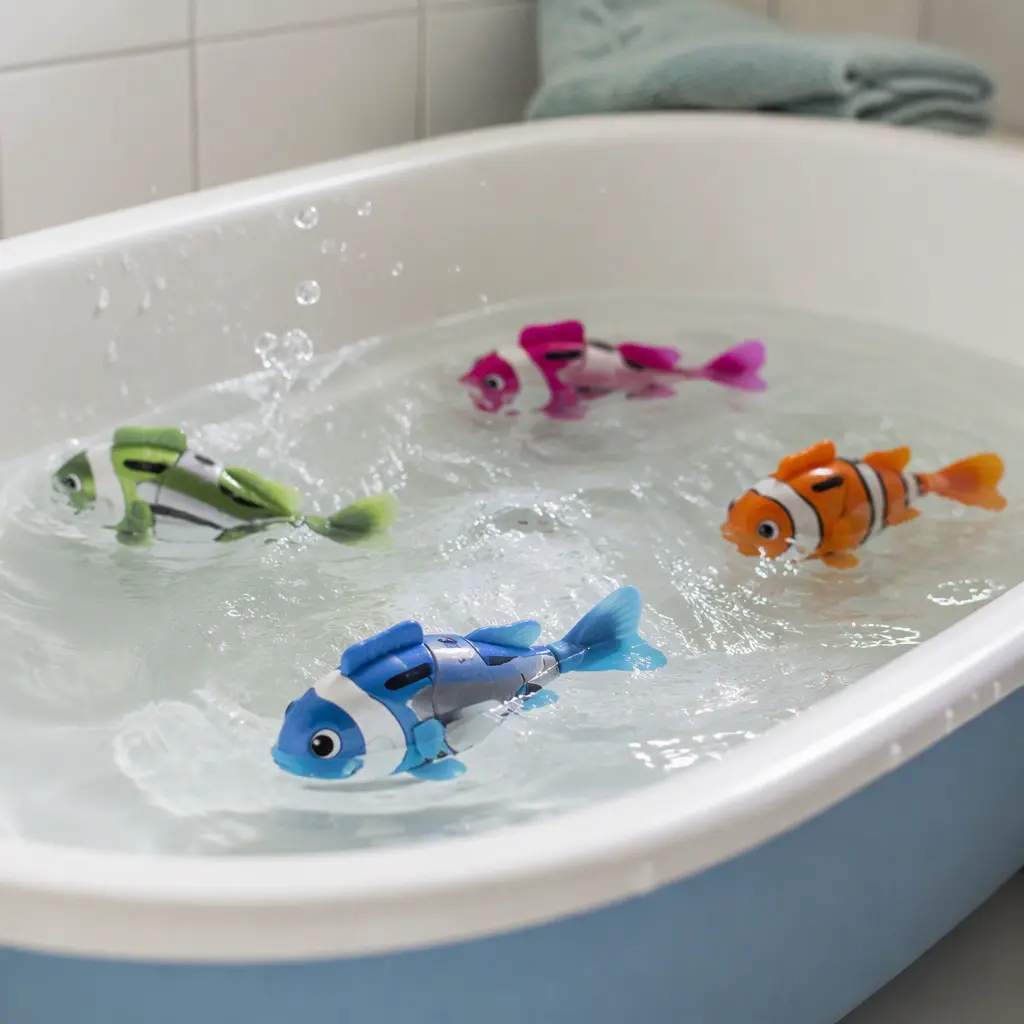
As Robo Fish grew in popularity, the line expanded into larger sea creatures, glowing versions, playsets, and themed aquatic environments. Some releases mimicked tropical fish, while others leaned toward sharks, turtles, or fantasy-inspired sea animals. The core idea remained the same: motion triggered by water and a compact body that could maneuver unpredictably.
Today, buyers will find both official versions and many similar robotic swimming toys from competing brands. Battery life and waterproof sealing tend to matter more than cosmetic differences. Because these toys are often used in chlorinated or soapy water, wear around battery compartments is common over time. Families looking for long-term use generally benefit from choosing versions with secure seals and easy battery replacement.
- Starter packs with multiple fish are often better for group play
- Clear bowls or tanks make the movement easier to appreciate
- Rechargeable or replaceable battery options can reduce waste
- Avoid very cheap copies with weak seals or rough battery compartments
- Larger aquatic creature variants may move more slowly but are easier for younger kids to handle
Frequently asked questions
Do Robo Fish work in any kind of water?
They generally work in fresh water environments like bowls, sinks, bathtubs, and small pools. Keeping them out of dirty or sandy water helps protect the moving parts and battery compartment seals.
Are they remote controlled?
Most Robo Fish toys are autonomous rather than remote controlled. Their motion comes from internal motors and simple direction changes after contact with surfaces or shifts in water movement.
Why did they become so popular?
The combination of low cost, instant demonstration value, and surprisingly realistic swimming made them easy impulse purchases. They also worked across several categories at once, functioning as bath toys, collectibles, and novelty electronics.
Do they replace real aquarium pets?
Not really. While some children enjoyed them as a low-maintenance alternative, Robo Fish were designed more as playful gadgets than educational pet substitutes. Their appeal comes from movement and interaction rather than animal care.
More than a decade after their debut, Robo Fish remain a good example of how a simple mechanical trick can create a memorable toy experience. They did not depend on advanced software or elaborate storytelling. Instead, they used motion, water, and a familiar animal shape to make ordinary spaces feel briefly animated. For many families, that tiny moment of surprise was enough to make them memorable.