RoboRock Saroos Z70 LEGO Edition and the Toy-Tech Blur
The RoboRock Saroos Z70 LEGO Edition reflects a growing trend: smart home robots designed with playful customization and coding appeal. Here’s what families should know about cameras, apps and connected features.
Compare prices and availability
Check current prices and availability for this guide on eBay.
As an eBay Partner, we may be compensated if you make a purchase.
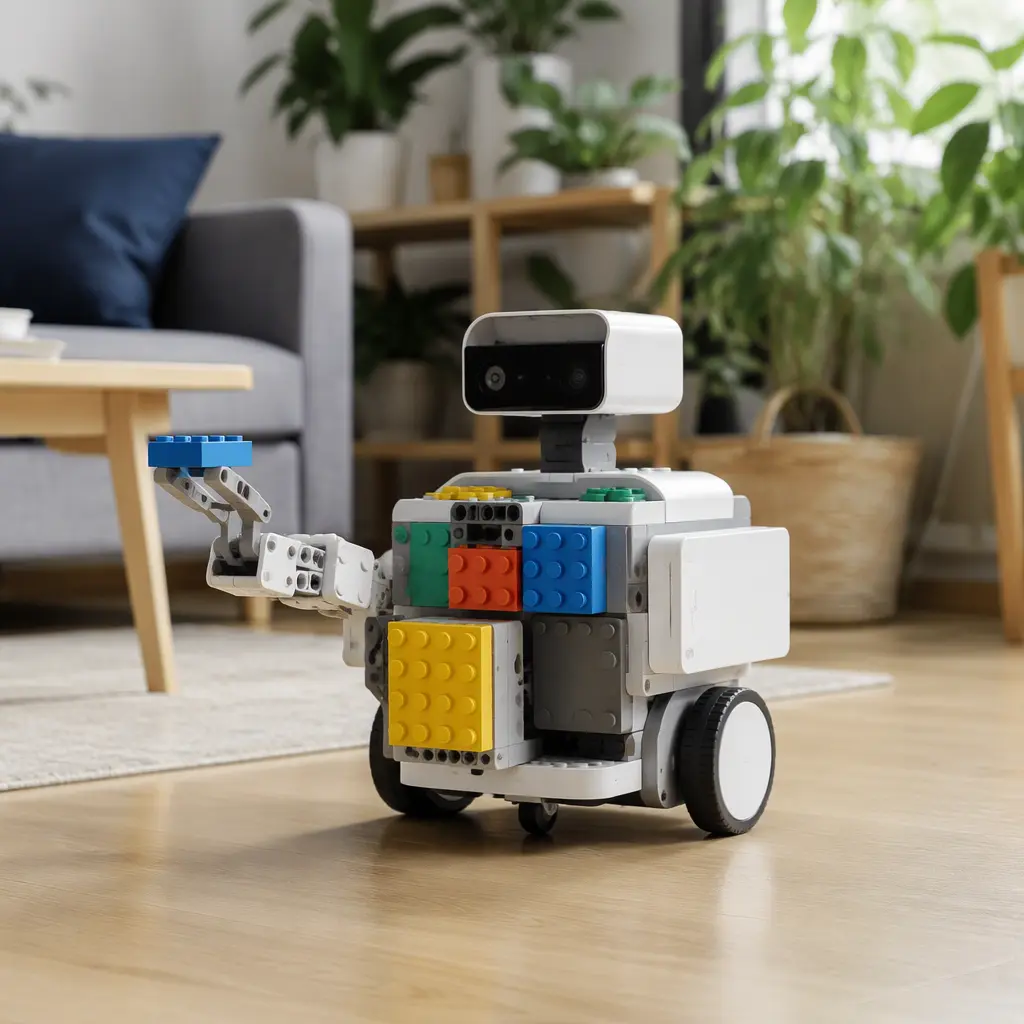
The RoboRock Saroos Z70 LEGO Edition sits in a space that barely existed a decade ago: part smart appliance, part programmable gadget and part display-worthy toy. Connected home robots have gradually picked up features once associated with educational robotics kits, including customization, app-based controls and programmable routines. Add a recognizable brick-building aesthetic and the result starts to look less like a vacuum or patrol bot and more like something designed to invite experimentation. That shift matters for families because the appeal is no longer limited to adults interested in automation. Children may see a robot companion or coding project, while parents may see a connected device with cameras, microphones, mapping systems and cloud-linked apps living inside the home.
Where it came from
By the mid-2020s, the line between consumer robotics and toy technology had already started to blur. Robot vacuums, educational coding kits and companion robots increasingly shared the same design language: rounded shapes, expressive lights, smartphone apps and modular accessories. The RoboRock Saroos Z70 LEGO Edition emerged within that broader trend, combining recognizable home-robot functionality with a construction-toy-inspired look that encourages personalization and tinkering.
Manufacturers across the robotics industry have increasingly promoted programmable routines and room mapping as family-friendly features rather than purely technical ones. A branded edition built around stackable decorative elements or customizable attachments makes sense in that context. It turns a practical device into something closer to a hobby object. At the same time, it also raises questions that toy buyers do not always encounter with traditional construction sets or remote-control cars. Connected robots often rely on companion apps, Wi‑Fi access and regular software support, meaning the long-term experience can depend as much on ongoing digital services as on the physical product itself.
Why it works
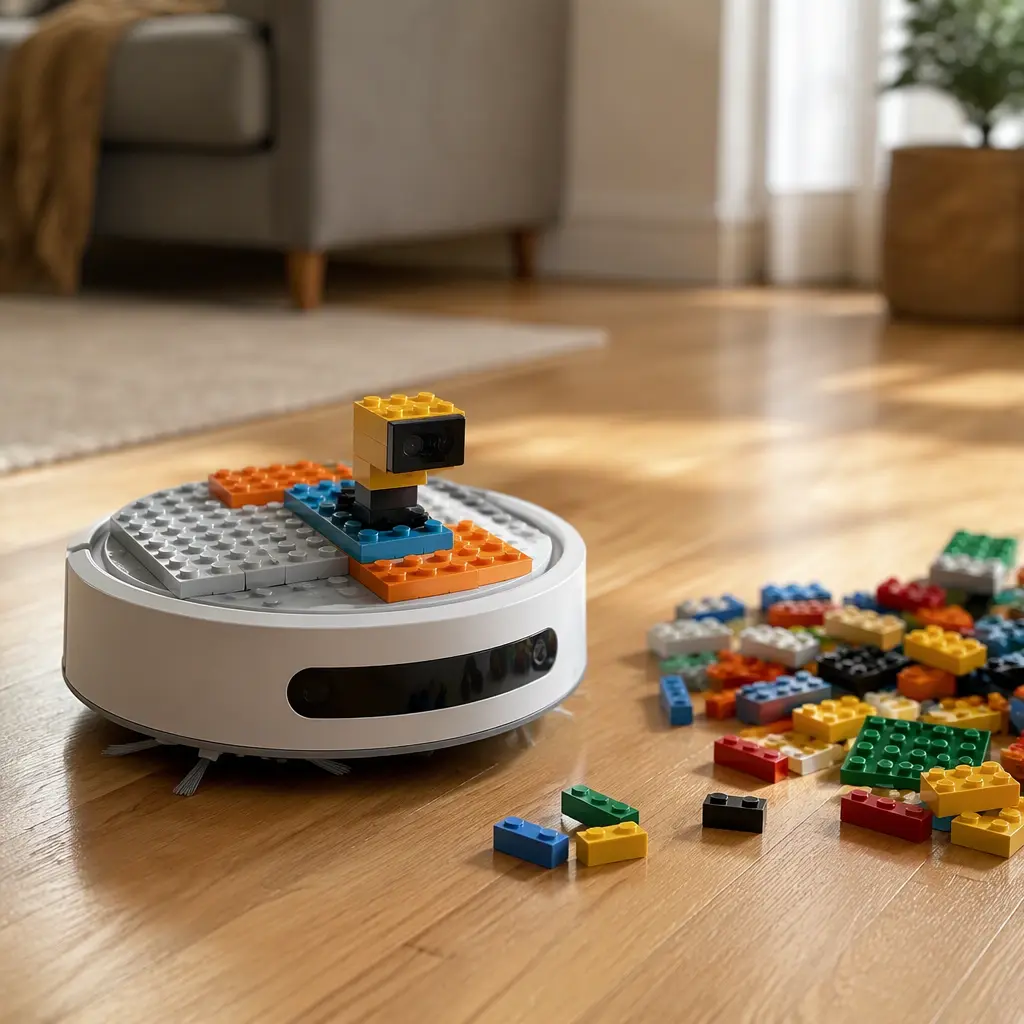
The appeal of a product like the Saroos Z70 LEGO Edition comes from layered interaction. Younger users may enjoy rearranging decorative modules, watching movement patterns or setting up obstacle courses around the house. Older children and adults are more likely to engage with scheduling systems, programmable actions and room-mapping tools. The robot becomes less of a single-purpose gadget and more of a platform for experimentation. That versatility is one reason connected robotics continue to move toward toy aisles and hobby stores rather than remaining limited to electronics departments.
Another factor is visibility. Traditional smart-home technology often disappears into the background once installed, but programmable robots are intentionally noticeable. Lights, movement and customizable shells make them feel active and social. Some connected robots use onboard cameras or sensors for navigation and environmental awareness, while others rely heavily on cloud-linked processing through a mobile app. Families considering devices in this category should pay close attention to what information is stored locally, what may be uploaded externally and whether parental permissions or user profiles are available.
- Programmable routines and automation features
- Modular decorative or brick-style customization
- Companion app controls and mapping tools
- Sensor-based navigation systems
- Rechargeable operation with docking support
- Display-friendly design that encourages collecting or personalization
Who it's for
Products in this category generally appeal most to older children, teens and adults who already enjoy technology, coding toys or smart-home devices. Very young children may enjoy watching a robot move around, but the deeper features usually depend on reading menus, managing app permissions and understanding connected-device settings. Parents should also assume that setup may require a compatible smartphone or tablet and a stable internet connection for updates or account management. Adult collectors and hobbyists are another major audience, especially those interested in robotics, modular design or home automation trends.
Variants and what to look for today
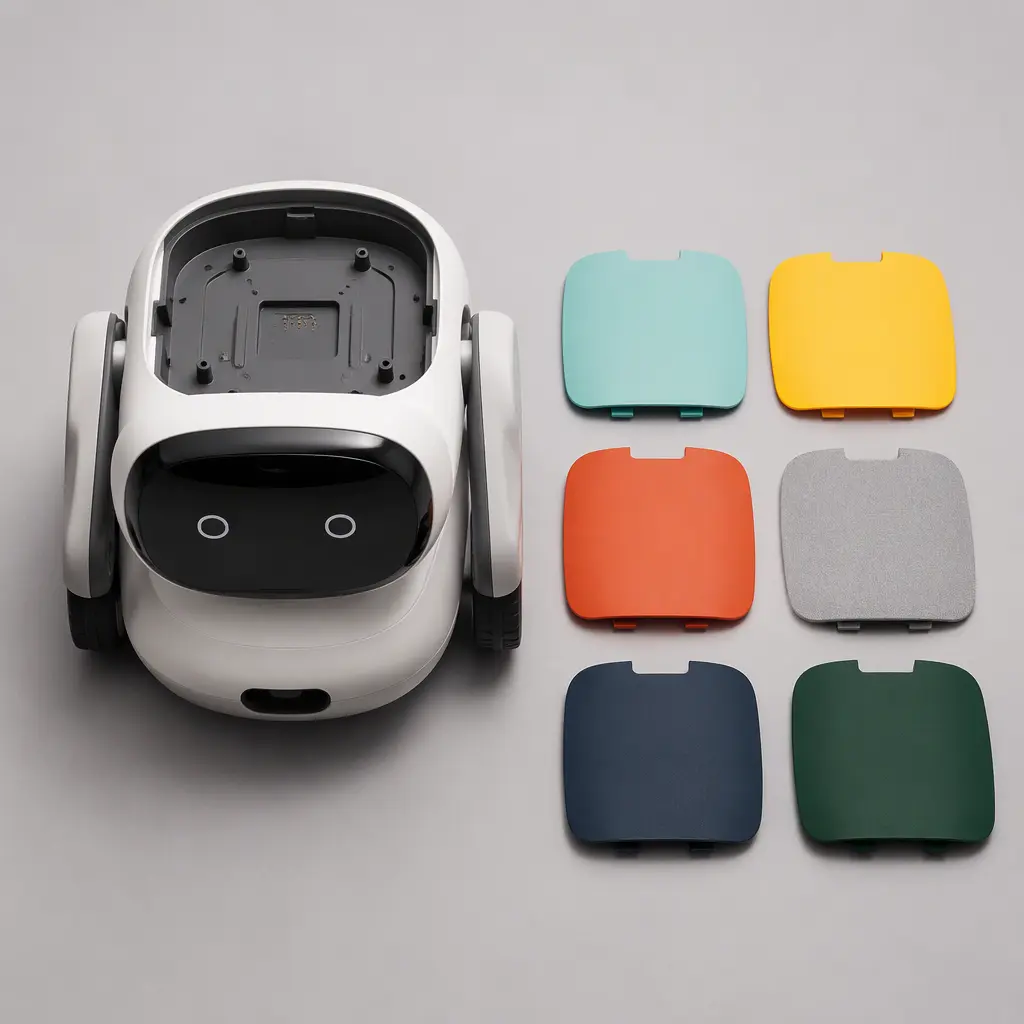
As branded robotics become more common, shoppers are likely to encounter multiple versions aimed at different audiences. Some models emphasize cleaning or utility functions, while others focus more heavily on customization, coding or entertainment. A themed edition such as the Saroos Z70 LEGO Edition may lean into collectibility and visual design without dramatically changing the core hardware underneath. Families comparing options should look carefully at which features require subscriptions, cloud accounts or region-specific app support.
Privacy and compatibility deserve just as much attention as appearance. A robot that includes cameras or advanced room mapping may store detailed information about home layouts and daily routines. Manufacturers sometimes provide settings for deleting maps, limiting remote access or restricting data sharing, but those options vary widely. It is also worth checking whether the app continues to receive updates and whether offline functionality remains useful if internet access is interrupted.
- Check device compatibility before purchase, especially older phones or tablets
- Look for clear explanations of camera and mapping permissions
- Verify whether core functions work without constant cloud access
- Be cautious of imitation accessories with poor fit or weak battery safety standards
- Consider whether replacement parts or software support are likely to remain available
Frequently asked questions
Is it a toy or a home appliance?
It falls somewhere in between. Products like the Saroos Z70 LEGO Edition combine practical robotics features with customization and interactive design elements that encourage play and experimentation.
Does it need an app to work?
Many connected robots rely on companion apps for setup, scheduling, updates or advanced controls. Some basic movement or cleaning functions may still operate without constant app use, but features can vary by manufacturer and software support.
Should parents worry about cameras and mapping data?
Families should treat connected robots similarly to other smart-home devices. Cameras, microphones and room-mapping systems may collect sensitive information about the home environment. Reviewing privacy controls, account settings and data policies is important before regular use.
Are programmable home robots replacing coding toys?
Not entirely. Traditional coding kits still focus more directly on teaching programming concepts, while connected home robots often prioritize convenience or entertainment first. However, the categories increasingly overlap through app-based routines, automation tools and modular customization.
The RoboRock Saroos Z70 LEGO Edition represents a broader shift in consumer technology rather than a simple novelty release. Smart robots are becoming more playful, customizable and family-facing, borrowing ideas from toys while still functioning as connected devices inside the home. That mix can be genuinely appealing, especially for households interested in robotics and creative tech. It also means buyers should approach these products with the same care they would use for any internet-connected camera or app-linked device. The future of toy-tech is likely to look increasingly like this: interactive, programmable and always online.