Samsung Ballie and the Slow Arrival of the Home Robot
Samsung’s Ballie is edging closer to consumer release with cameras, voice control and cloud AI built into a rolling home robot. Here’s what families should know before bringing one indoors.
Compare prices and availability
Check current prices and availability for this guide on eBay.
As an eBay Partner, we may be compensated if you make a purchase.
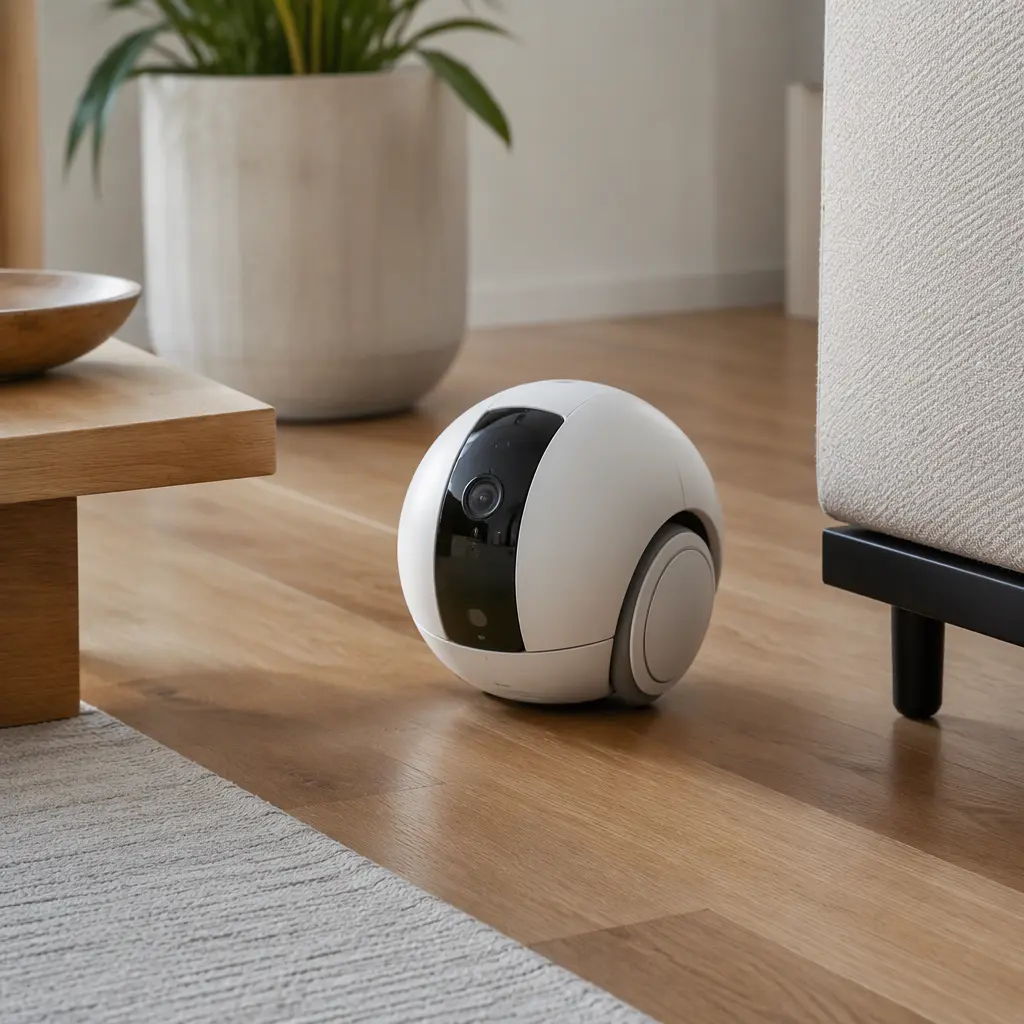
Samsung’s Ballie has spent years hovering between concept demo and real consumer product, but the rolling home robot now appears much closer to an actual retail launch. Shaped like a compact robotic ball that moves through a home on its own, Ballie blends smart-speaker functions, mobile cameras, voice interaction and cloud-based AI into a device aimed at everyday family spaces rather than factories or research labs. That combination makes it one of the more visible examples of how consumer electronics companies are trying to turn artificial intelligence into something physical and domestic.
Where it came from
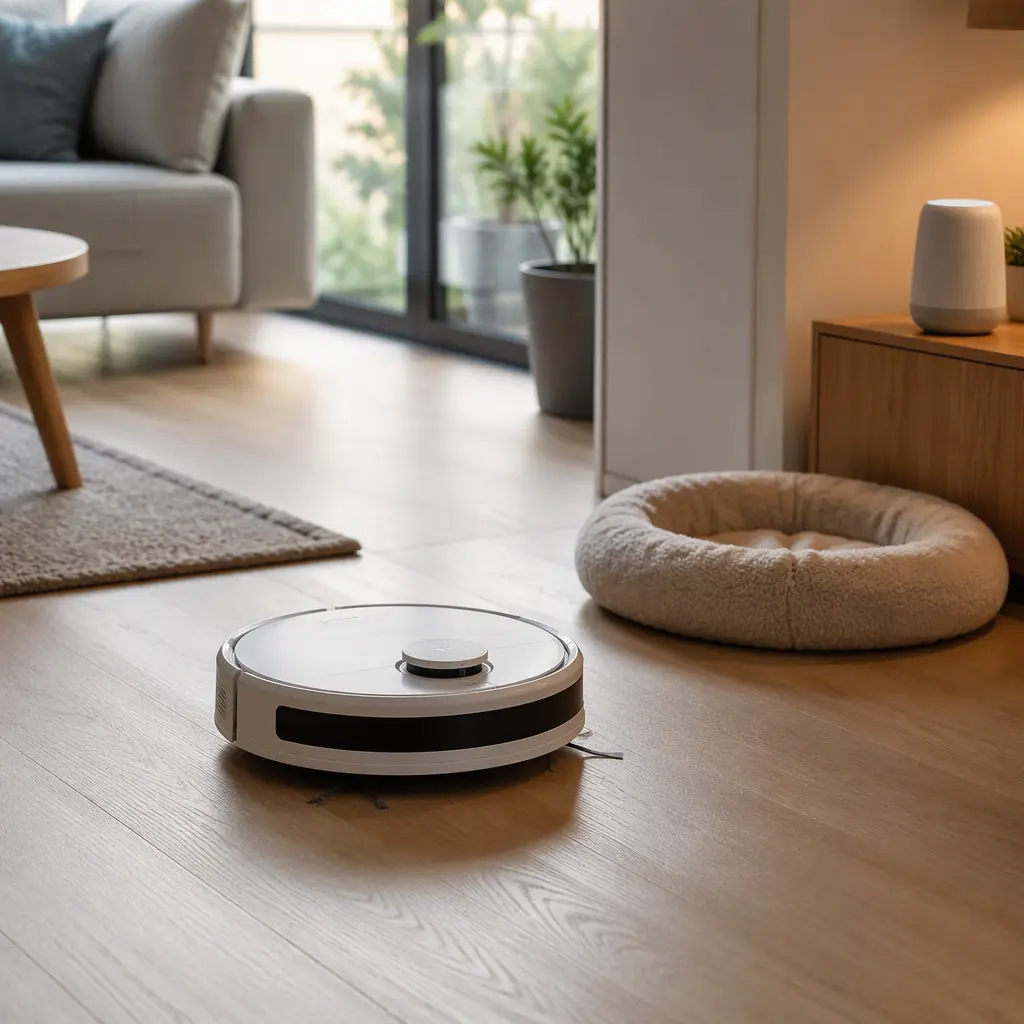
Ballie first appeared publicly in Samsung presentations as an experimental home companion robot designed to follow people around the house, assist with connected devices and act as a mobile interface for smart-home controls. Early demonstrations focused on the idea that home assistants did not need to stay fixed on a countertop or inside a speaker. Instead, Ballie could physically move to where help was needed, whether that meant controlling lights, checking on pets or relaying reminders.
The timing matters. Consumer robotics has gone through several cycles of excitement over the past decade, from robotic vacuum cleaners to social companion robots and AI-powered assistants. Many products struggled because speech systems felt limited, batteries constrained mobility or practical uses were unclear. Ballie arrives during a different technological moment, one shaped by rapid advances in cloud AI systems capable of more flexible conversation and image recognition. Samsung has positioned the robot as part smart-home controller, part AI assistant and part mobile companion device rather than as a toy in the traditional sense.
Why it works
The central appeal of Ballie is mobility. Smart speakers already answer questions and control connected devices, but they generally stay in one room. A rolling robot changes the interaction pattern. Ballie can theoretically move closer to a person speaking, reposition itself to monitor an area or interact with devices around a home without requiring users to walk to a fixed screen or speaker.
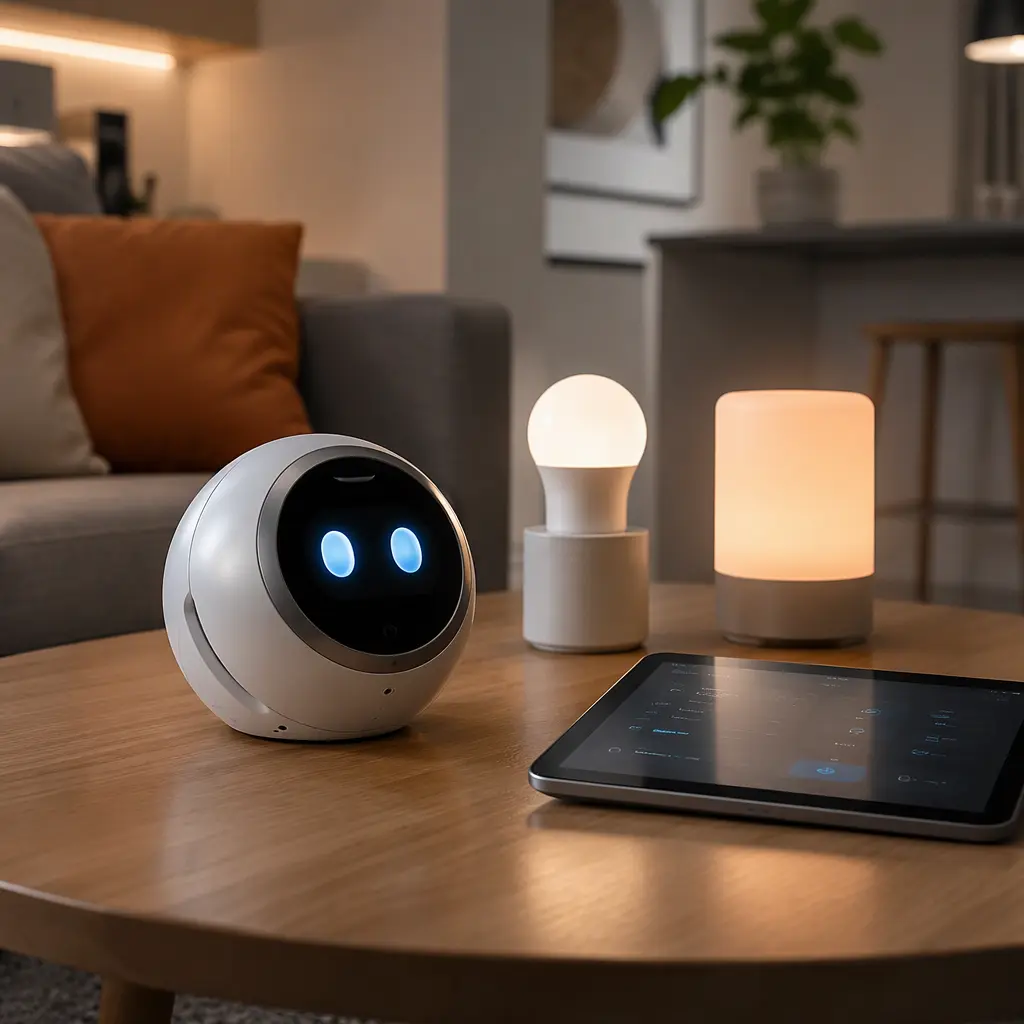
Its design also reflects a broader shift toward multimodal AI systems that combine microphones, cameras, sensors and cloud processing. Unlike a scripted electronic toy that repeats preset lines, Ballie is expected to rely heavily on connected AI services for conversational responses and contextual awareness. That means its usefulness may depend partly on internet access, supported regions and compatibility with Samsung’s smart-home ecosystem.
- Rolling autonomous movement designed for indoor home navigation
- Voice interaction through onboard microphones and cloud-connected AI systems
- Built-in cameras and sensors intended for environmental awareness
- Smart-home control features tied to compatible connected devices
- Companion-style interaction aimed at families, pets and daily routines
- Compact design intended to blend into living spaces rather than look industrial
Who it's for
Ballie is aimed more at tech-focused households than at children looking for a conventional toy. Families already invested in smart-home systems may see the strongest appeal, especially if they want a mobile assistant that can move between rooms. Adults interested in robotics and AI will likely be the core audience early on, though Samsung’s demonstrations have also framed the robot as approachable for family use. Because Ballie includes cameras, microphones and autonomous movement, parents will probably want to treat it more like a connected home device than a casual plaything. Younger children may enjoy interacting with it, but supervision, account controls and privacy settings are likely to matter.
Variants and what to look for today
Because Ballie has spent a long time in public demonstrations before broad consumer availability, shoppers should pay attention to what features are confirmed in actual retail versions rather than relying on older concept videos. Companies often revise hardware capabilities, software features and regional support between early showcases and commercial release.
Potential buyers should also pay close attention to practical questions surrounding connected AI products. Camera permissions, microphone controls, app requirements and cloud dependence may shape the day-to-day experience as much as the robot’s physical design. Families comparing Ballie with other home robots may want to look at how much functionality remains available offline, whether voice recordings can be reviewed or deleted, and which devices or mobile operating systems are supported.
- Check regional availability for AI and smart-home features before purchasing
- Look for clear information about camera and microphone privacy controls
- Confirm compatibility with your existing smart-home setup
- Understand whether internet connectivity is required for core features
- Be cautious about unofficial imports that may lack local software support or warranty coverage
Frequently asked questions
Is Ballie a toy or a smart-home device?
Ballie sits somewhere between consumer robot, smart-home controller and AI companion device. While children may find it entertaining, Samsung has presented it primarily as a connected household assistant rather than as a dedicated toy.
Does Ballie use generative AI?
Samsung has described Ballie as incorporating AI-powered interaction and cloud-connected capabilities. In practical terms, that suggests more flexible responses than traditional scripted electronics, though exact features may vary depending on software support and regional rollout.
Will Ballie work without internet access?
Many advanced AI and smart-home features are expected to rely on cloud connectivity. Basic local functions may still operate offline, but buyers should expect internet access to play a major role in voice interaction and connected services.
What privacy concerns should families consider?
Any mobile device with cameras, microphones and cloud AI raises questions about data collection and household monitoring. Families should review account settings, app permissions, data policies and available parental controls before using a connected robot regularly indoors.
Ballie represents a category that technology companies have chased for years: the helpful home robot that feels practical rather than futuristic for its own sake. Whether consumers embrace that vision will depend less on novelty and more on trust, reliability and usefulness in everyday life. As connected AI products move from screens into physical spaces, devices like Ballie may become an important test of how comfortable families are with robots that can see, hear and move around the home.