VTech KidiZoom PrintCam and the Rise of Kid-Friendly Cameras
VTech’s KidiZoom PrintCam blends a kid-focused digital camera with receipt-style instant printing, giving children creative photo play without handing over a smartphone.
Compare prices and availability
Check current prices and availability for this guide on eBay.
As an eBay Partner, we may be compensated if you make a purchase.
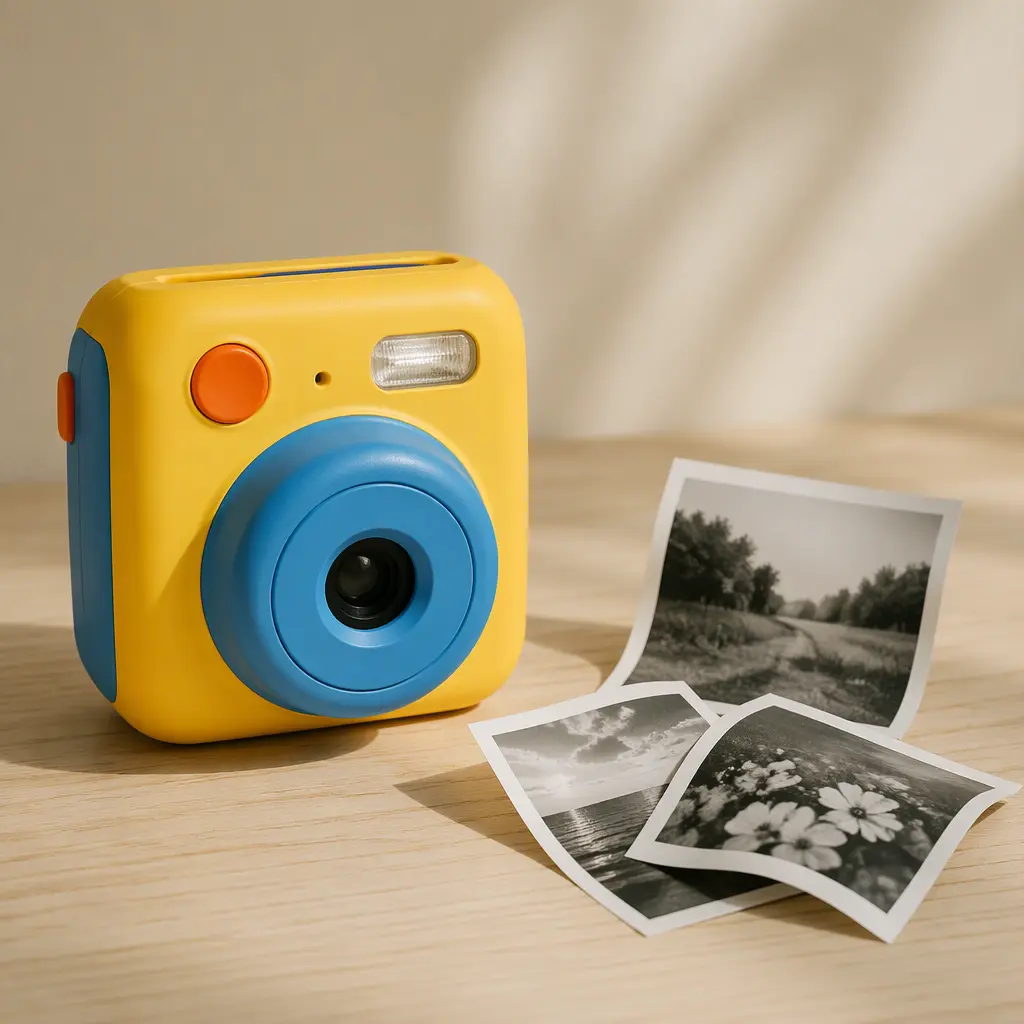
The VTech KidiZoom PrintCam sits in a growing category of kid-focused gadgets designed to offer some of the appeal of modern tech without the open-ended access that comes with a smartphone. Part camera, part toy and part craft activity, the device combines basic digital photography with receipt-style thermal printing so children can snap photos and immediately hold a paper copy in their hands. That mix of physical output and screen-based play helps explain why products like this have found an audience with families looking for creative technology that feels more contained and age-appropriate.
Where it came from
VTech has spent decades building electronic learning toys and child-focused gadgets, from educational handhelds to beginner tablets and cameras. The KidiZoom line emerged as an attempt to give younger children digital photography features in a more durable and simplified format than standard consumer cameras. Large buttons, thick plastic casings and playful effects became part of the line’s identity long before instant printing entered the picture.
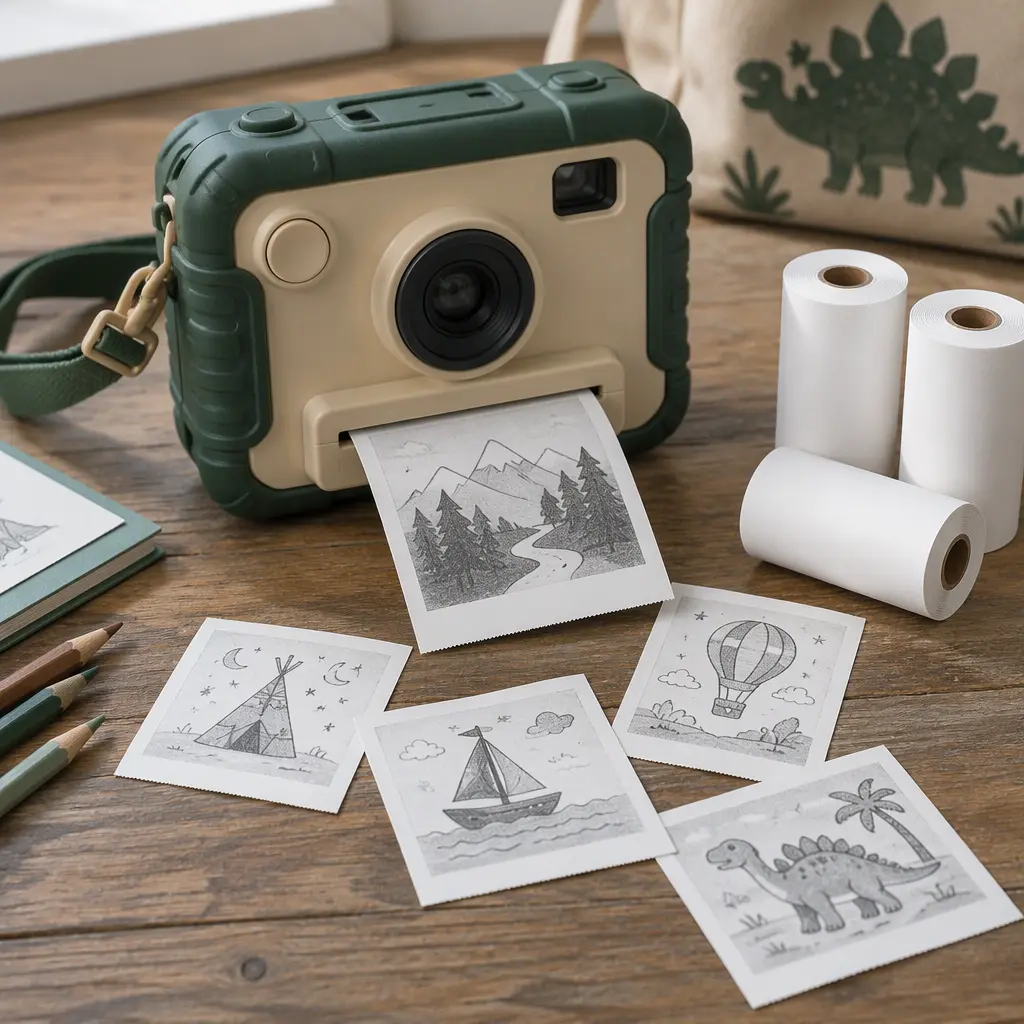
The KidiZoom PrintCam arrived during a period when instant photography was already seeing renewed interest among teens and adults through film-based instant cameras and compact photo printers. VTech adapted that idea for younger users by pairing a digital camera with thermal printing technology similar to what is used in receipt printers. Instead of ink cartridges, the camera uses heat-sensitive paper rolls to create quick black-and-white prints. The result is less about photo quality and more about immediacy, customization and repeat play. Children can decorate images, add borders and experiment without worrying much about wasted ink or expensive film packs.
Why it works
A big part of the PrintCam’s appeal is that it turns photography into an activity rather than simply a way to store pictures. Kids can photograph toys, pets, outdoor discoveries or homemade scenes, then instantly print the results for coloring, trading or scrapbooking. The paper output gives the toy a tactile side that many digital-first devices lack. Parents often see that as a useful balance: children still engage with screens and technology, but the play naturally spills into offline crafts and imaginative projects.
The design also reflects how younger children actually handle electronics. The camera body is intentionally oversized compared with slim consumer devices, making it easier for smaller hands to grip. Simplified menus and built-in effects reduce the learning curve, while games and creative filters help keep the experience playful rather than technical. Although it is a real digital camera, it is clearly designed around experimentation instead of precision photography.
- Thermal printing avoids ink cartridges and traditional instant film
- Chunky controls and durable styling are aimed at younger users
- Digital photo storage allows children to take many more pictures than film-based instant cameras
- Built-in effects, borders and simple editing tools encourage creative play
- Works as a standalone camera without requiring a smartphone connection for basic use
Who it's for
The PrintCam is generally positioned for elementary-school-age children who are curious about cameras but may not be ready for a smartphone or a more fragile digital camera. Younger kids are often drawn to the instant-print novelty and the oversized controls, while older children may enjoy decorating rooms, notebooks or crafts with their printed pictures. Adults sometimes buy these cameras for travel activities, birthdays or family events because they provide a focused activity that does not depend on social media or messaging apps. That said, expectations matter. The camera is built for playful snapshots and simple printing rather than polished photography, so families expecting smartphone-level image quality may find the experience intentionally basic.
Variants and what to look for today
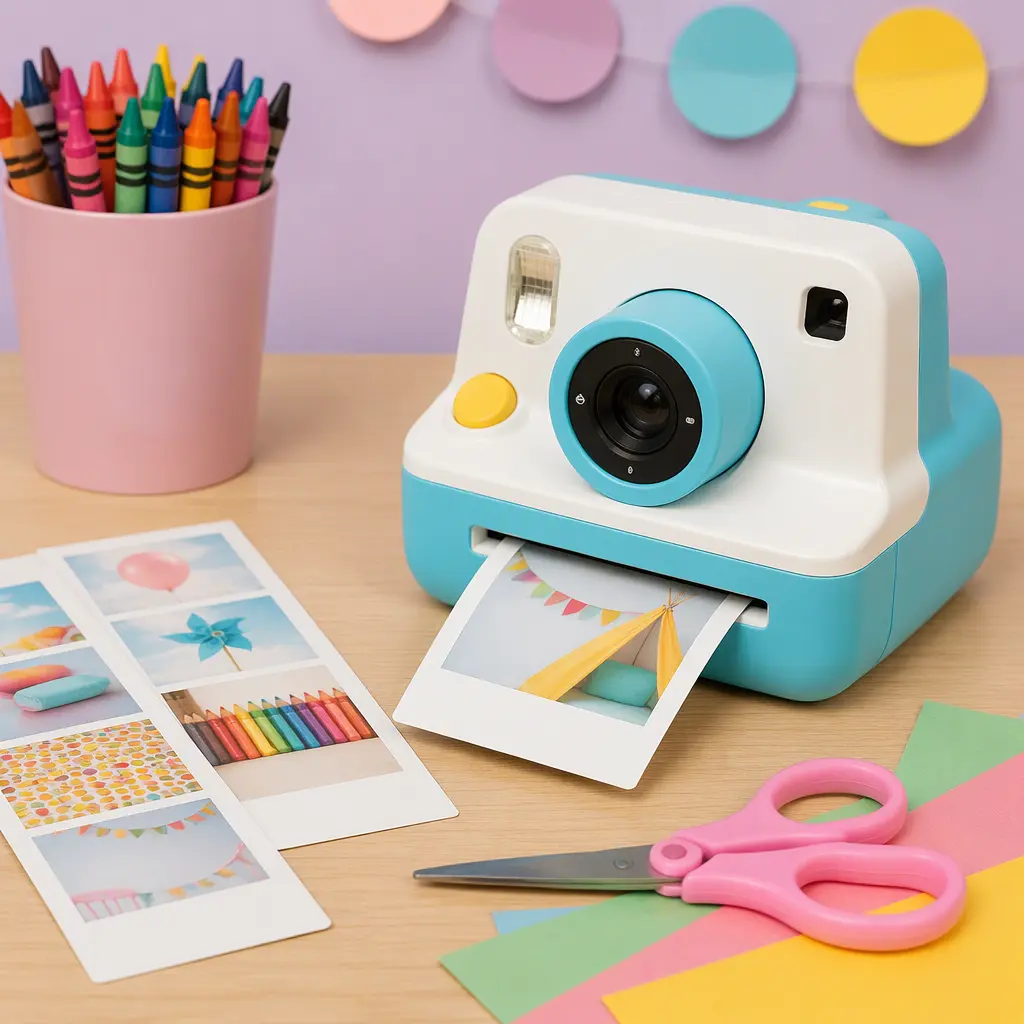
The broader KidiZoom family includes several camera styles, from simpler digital cameras to action-camera-inspired versions and smartwatch hybrids. The PrintCam stands out because of its built-in printer, but shoppers may still encounter multiple color schemes or bundles that include extra thermal paper. Retail packaging and accessories can vary by region and retailer, so it is worth checking exactly what is included before buying.
For families comparing options, one important distinction is the type of printing technology involved. Thermal-print cameras like the PrintCam produce monochrome prints on special paper rolls, which keeps operating costs relatively straightforward and avoids ink refills. Other kid-friendly instant cameras may rely on instant film systems or companion printers, which can change the ongoing cost and maintenance experience. Storage support, charging methods and transfer options can also differ between versions and regional releases.
- Check whether extra thermal paper is easy to find locally or online
- Look for rechargeable battery support and included charging accessories
- Review memory storage options if your child likes keeping digital copies
- Be cautious with very cheap imitation cameras that may have unreliable print quality or fragile paper feeds
- Consider whether your child prefers craft-focused play or more traditional photography features
Frequently asked questions
Does the KidiZoom PrintCam need ink?
No. The camera uses thermal paper rolls, which react to heat during printing. That means there are no ink cartridges or instant-film packs to replace, although replacement paper is still required.
Can it work without a smartphone?
Yes. One of the main appeals of the PrintCam is that children can take photos and print them directly from the device itself. Basic use does not depend on a phone connection.
Are the prints full color?
The built-in thermal printer typically produces black-and-white images rather than full-color photographs. Many children use the prints as coloring or craft templates instead of polished keepsakes.
Is it connected to the internet?
The camera is generally designed as a contained device rather than a social-media-connected platform. Families should still review manufacturer information for details on storage, connectivity features and any companion-app support available in their region.
The KidiZoom PrintCam reflects a broader shift in children’s technology toward devices that borrow ideas from adult gadgets while narrowing the experience into something more manageable for younger users. Its appeal is not really about competing with smartphones or advanced cameras. Instead, it succeeds by turning photography into a low-pressure, hands-on activity that combines digital play with physical creativity. For families looking for a middle ground between screen-free toys and fully connected devices, that balance helps explain why the category continues to grow.