Storypod: How a screen‑free audio toy found its voice
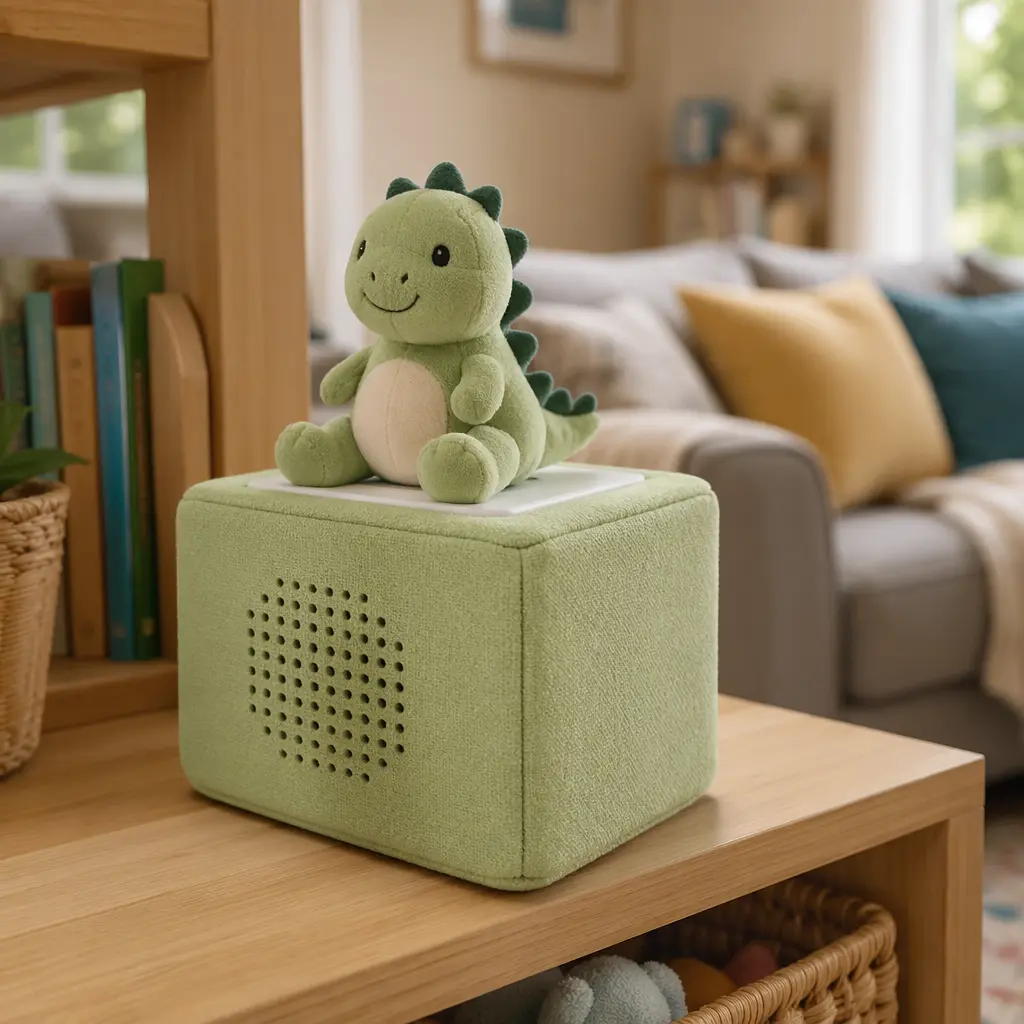
Storypod is a soft, kid‑friendly audio player that lets young children trigger stories and songs by placing plush characters on top—no screens, no scrolling, just tactile storytelling.
Compare prices and availability
Check current prices and availability for this guide on eBay.
As an eBay Partner, we may be compensated if you make a purchase.
Storypod arrived at a moment when many parents were asking the same question: how do you keep the magic of stories alive without adding yet another screen to a young child’s day? The answer, in this case, was a tactile audio player that treats stories like physical objects—something kids can hold, place, and return to again and again.
Where it came from
Storypod launched around 2020, created by a small team of parents and designers who wanted an alternative to tablets for preschool and early elementary kids. The idea was simple but deliberate: combine the familiarity of bedtime stories with the independence kids feel when they can control the experience themselves.
Instead of an app-driven interface, Storypod uses physical tokens—most often plush characters—that activate audio when placed on the player. From the start, the focus was on early literacy, listening skills, and imaginative play, rather than flashy visuals or fast-paced interaction.
Why it works
The core appeal of Storypod is that it makes audio feel concrete. Young children don’t need to navigate menus or remember which button does what. They simply choose a character, place it on top, and listen. That cause-and-effect loop is easy to grasp, even for toddlers.
Design-wise, the player itself is intentionally understated: soft edges, fabric covering, and a weight that feels sturdy without being heavy. The plush characters do double duty as toys and story keys, encouraging kids to engage physically with storytelling rather than passively consuming it.
- Tactile activation using plush characters
- Screen-free, audio-only experience
- Soft, durable design suitable for young hands
- Independent play without complex controls
Who it’s for
Storypod is primarily aimed at preschool and early elementary children, roughly ages three to seven. It’s especially appealing to families trying to limit screen time while still offering engaging, self-directed entertainment. There’s also a quiet adult appeal: parents and caregivers appreciate a toy that supports routines like bedtime or quiet time without constant supervision.
Variants and what to look for today
Today’s Storypod ecosystem includes a growing library of character tokens, story collections, and music-focused options. Some characters feature narrated stories, while others lean into songs or educational themes. The system also supports special tokens that allow parents to record their own audio, adding a personal layer to the experience.
When shopping, it’s worth paying attention to the age range and content style of each character. Younger kids may prefer shorter, repetitive stories, while older listeners gravitate toward longer narratives. As with many popular toys, generic lookalikes exist, but compatibility and audio quality can vary widely.
Frequently asked questions
Does Storypod use screens at all?
No. Storypod is designed to be completely screen-free for children. Any setup or content management happens outside of the child’s direct interaction.
Can children use it on their own?
Yes. Once it’s set up, most children can operate Storypod independently by placing and removing characters.
Is it only for bedtime?
While many families use it as part of a bedtime routine, Storypod also works well for quiet playtime, rest periods, or background listening during creative activities.
Does it replace reading books?
Not really. Most families treat it as a complement to reading—another way to experience stories, not a substitute for shared reading.
In a crowded field of kids’ electronics, Storypod stands out by doing less, not more. By focusing on touch, listening, and imagination, it reframes audio storytelling as something kids can truly own—one plush character at a time.