Talkboy: How a Movie Prop Became a Must-Have Recorder
Originally imagined as a movie gag, the Talkboy became one of the defining kid tech toys of the 1990s, blending simple voice recording with a memorable movie connection and genuine gadget appeal.
Compare prices and availability
Check current prices and availability for this guide on eBay.
As an eBay Partner, we may be compensated if you make a purchase.
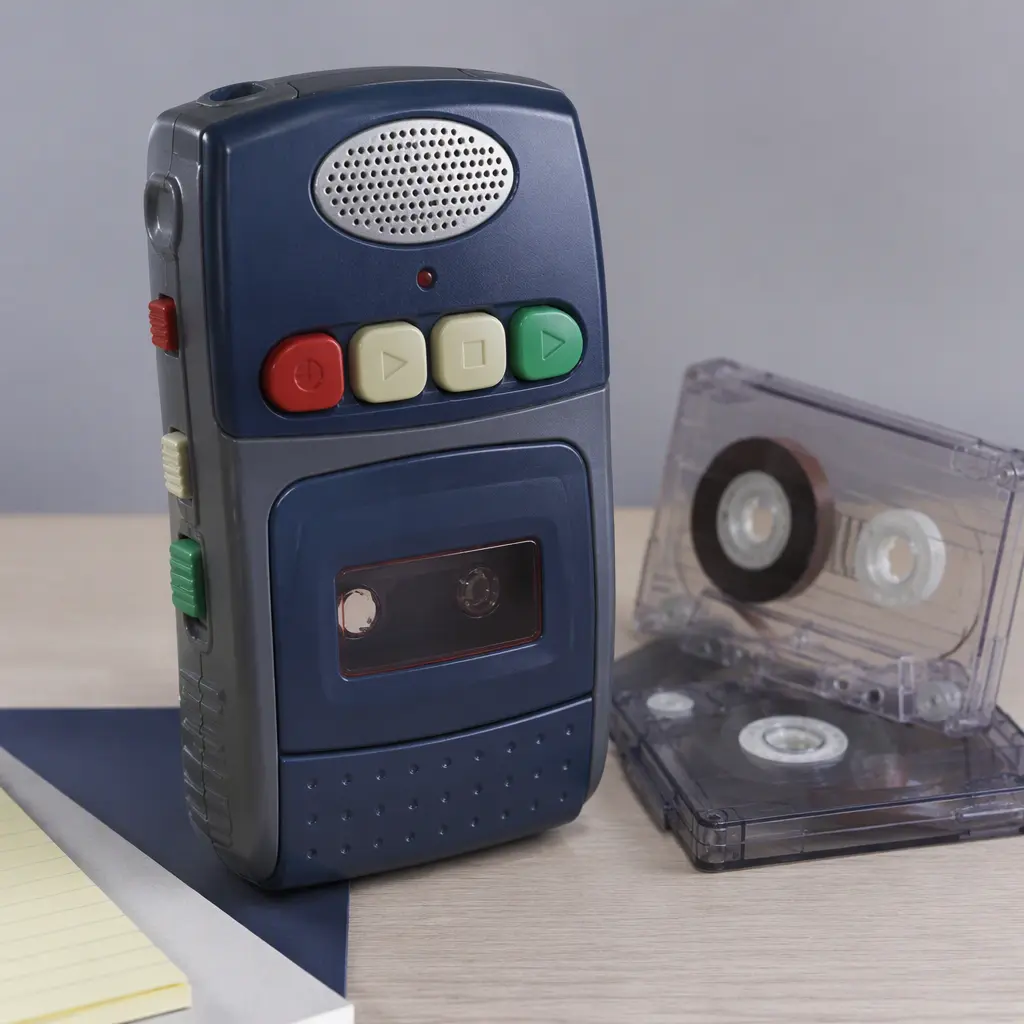
Few toys from the early 1990s captured the feeling of suddenly owning grown-up technology quite like the Talkboy. Part toy, part functioning gadget, it arrived at a moment when portable electronics still felt futuristic to most kids. The device could record voices onto cassette tapes, play them back at different speeds, and turn ordinary conversations into comedy routines. What pushed it into pop-culture history, though, was its unusual path to store shelves: the Talkboy first appeared as a fictional prop in a holiday movie before becoming a real product that children immediately recognized and wanted.
Where it came from
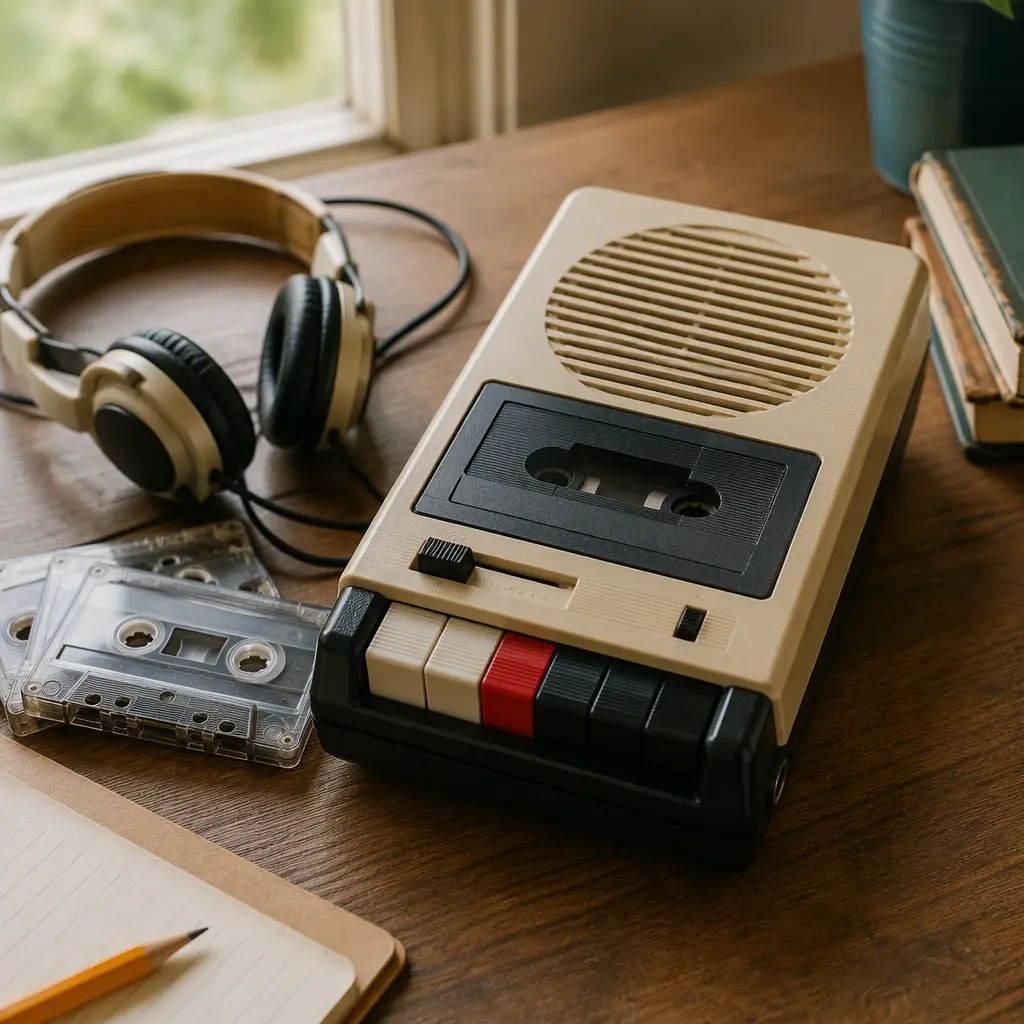
The Talkboy entered popular culture through the 1992 film Home Alone 2: Lost in New York. In the movie, the young main character uses a compact tape recorder to alter his voice and outsmart adults. At the time of filming, the device itself did not exist as a retail toy. It was created as a movie prop designed to look believable enough that audiences might imagine owning one themselves.
The reaction was immediate. Children saw a gadget that seemed more advanced than the toy electronics already on shelves, and many began asking stores for it after the movie's release. Seeing the demand, toy company Tiger Electronics partnered with the film studio to create a real version. The retail Talkboy arrived the following year and quickly became one of the holiday season's breakout electronics toys. Unlike many movie tie-ins that depended entirely on branding, the Talkboy actually performed useful functions. It could record conversations, slow down or speed up playback, and encourage improvised storytelling, prank calls, pretend radio shows, and homemade detective adventures.
Why it works
Part of the Talkboy's appeal came from timing. In the early 1990s, cassette technology was still common in homes and cars, and portable audio devices felt exciting rather than ordinary. The Talkboy let children interact with sound in ways that previously belonged mostly to journalists, office workers, or musicians. Recording your own voice and hearing it transformed was surprisingly entertaining, especially for kids who had never handled audio equipment before.
Its design also struck a balance between toy and real gadget. The oversized buttons, sliding controls, and built-in microphone made it approachable for younger users, while the cassette-loading mechanism gave it a sense of authenticity. Kids could create skits, imitate radio announcers, leave secret messages, or simply experiment with sounds. The playback speed feature became the defining gimmick because it changed the pitch and tone of voices in ways that instantly felt funny and theatrical.
- Cassette-based voice recording with simple controls
- Variable playback speed for altered voice effects
- Portable handheld design that felt like real electronics
- Encouraged imaginative play through skits and storytelling
- Worked as an actual functional recorder, not just a novelty prop
Who it's for
When it first launched, the Talkboy was aimed mainly at school-age children who were curious about technology but still interested in imaginative play. The controls were simple enough for younger users, though older kids often got more creative with recordings and audio tricks. Today, the audience is broader. Collectors seek original units because they represent a very specific moment in 1990s toy culture, while adults who grew up during the era often remember the device as one of their first experiences with personal media creation. Even now, the Talkboy remains interesting because it sits somewhere between a toy, a movie collectible, and an early consumer audio gadget.
Variants and what to look for today
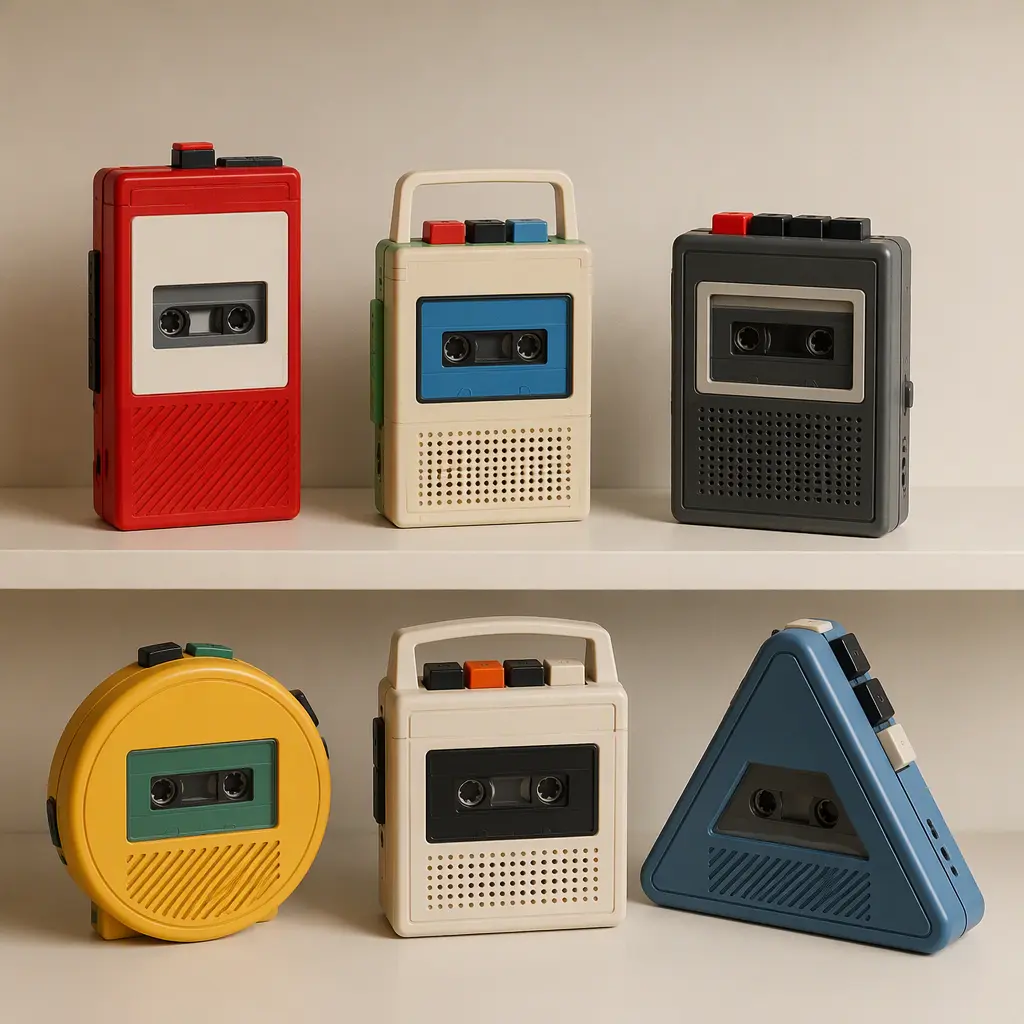
As the Talkboy became popular, additional versions and related products appeared. Some models were larger desktop-style units, while others targeted different age groups or included accessories like microphones and headphones. There were also recorder toys marketed toward girls under related branding, reflecting how toy companies segmented electronics products during the 1990s.
Collectors looking for a Talkboy today usually focus on overall condition rather than rarity claims. Battery compartments should be checked carefully because older electronics often suffer corrosion from stored batteries. Cassette mechanisms can also wear out after decades of use, especially belts and playback motors. Because the toy was heavily imitated during the era, buyers may also encounter generic cassette recorders that resemble the Talkboy aesthetic without being part of the original product family.
- Look for clean battery contacts and working cassette doors
- Test recording and playback functions when possible
- Original packaging appeals to collectors but is not essential
- Expect cosmetic wear on heavily used units from the 1990s
- Generic lookalike recorders are common in resale markets
Frequently asked questions
Was the Talkboy really invented for a movie?
Yes. The original version seen in Home Alone 2 was a fictional prop created for the film. Strong audience interest led to the development of a real consumer product afterward.
Did the Talkboy actually record voices?
It did. Unlike many movie-inspired toys, the Talkboy functioned as a genuine cassette recorder with voice playback effects and adjustable speed controls.
Why was it so popular in the 1990s?
The Talkboy combined movie recognition with real technology at a time when portable electronics still felt novel to many children. It offered interactive audio play that few toys provided in such an accessible way.
Are Talkboys still usable today?
Many surviving units still work, though age-related issues are common. Restored or well-maintained examples can still record and play cassette tapes much like they did in the 1990s.
The Talkboy remains one of the clearest examples of a fictional toy crossing into real life because people genuinely wanted the experience it promised. More than a movie tie-in, it reflected a moment when recording technology felt magical, portable, and personal. Decades later, the device still stands out as a reminder that sometimes the most memorable toys are the ones that blur the line between pretend play and real-world tools.