Tamagotchi: The tiny digital pet that never really left
Launched in the mid‑1990s, Tamagotchi turned a keyring gadget into a lesson in care, routine and responsibility. Here’s how a pixelated pet endured — and what matters if you want one today.
Compare prices and availability
Check current prices and availability for this guide on eBay.
As an eBay Partner, we may be compensated if you make a purchase.
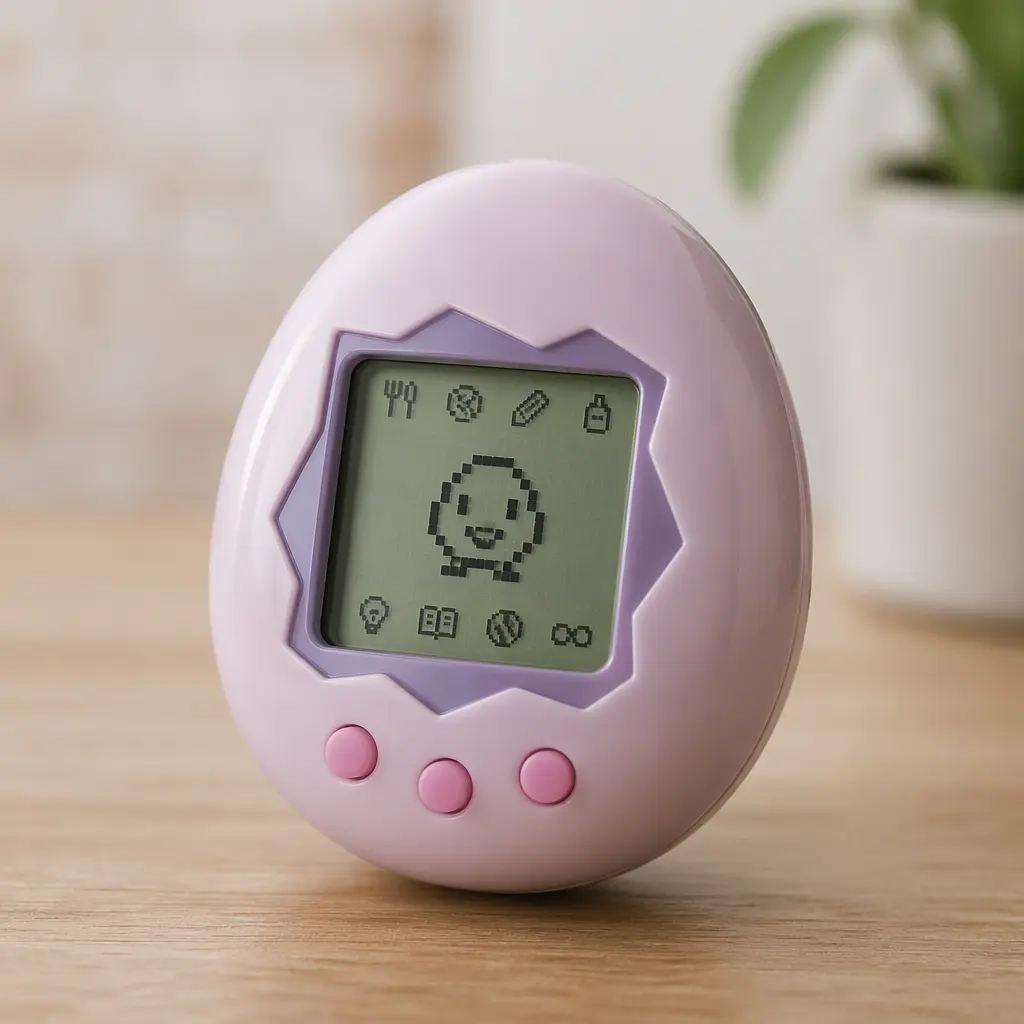
Tamagotchi looks simple: a small egg-shaped gadget with a screen, a few buttons and a beeping reminder that something needs attention. In the 1990s it was a cultural moment; decades later it’s a familiar name again. What made this tiny digital pet stick isn’t nostalgia alone — it’s the way it turned everyday care into play.
Where it came from
Tamagotchi was introduced in 1996 by the Japanese toy company Bandai, developed by a small team that wanted to explore emotional attachment to digital characters. The idea was deliberately modest: a virtual creature that needed feeding, cleaning and attention over the course of a day. The name blended Japanese words for “egg” and “watch,” hinting at both its shape and its time‑based play.
It arrived at a moment when portable electronics were becoming everyday objects. Unlike game consoles, Tamagotchi wasn’t about winning or beating levels. It was about checking in. That shift — from achievement to responsibility — made it feel new, and sometimes unsettling, to parents and teachers who suddenly heard beeps during class time.
Why it works
At its core, Tamagotchi runs on a simple loop: the creature’s needs increase over time, and the player responds. This creates a sense of presence. Even when you’re not playing, the toy is still “alive,” quietly progressing. That persistence is what makes people care — and what makes forgetting about it feel meaningful.
The design is intentionally minimal. A low‑resolution screen leaves room for imagination, and limited inputs keep interactions quick. Standout features include:
- Real‑time progression that continues when the toy is off‑screen
- Simple care actions like feeding, cleaning and playing
- Consequences that change how the creature grows
- A small, portable form that fits into daily routines
Who it’s for
Originally aimed at children, Tamagotchi has always had a strong adult following. Kids enjoy the cause‑and‑effect play and the feeling of looking after something. Adults often appreciate it as a low‑stakes companion or a nostalgic reminder of earlier tech. Because the gameplay is readable at a glance, it suits short attention windows rather than long sessions.
Variants and what to look for today
Over the years, Tamagotchi has appeared in many forms, from near‑identical reissues of the original to more advanced versions with larger screens and extra activities. Some modern editions focus on faithful recreation, while others expand the idea with connectivity, more characters or colour displays.
If you’re considering one now, think about how close you want the experience to be to the original. Classic‑style versions emphasise simplicity and routine. Newer designs add features but can feel more like a game. As with many popular toys, there are also unbranded virtual pets on the market; they can be fun, but quality and battery life vary widely.
Frequently asked questions
Does Tamagotchi still need attention all day?
Yes — that’s the point. While some newer versions are more forgiving, the core idea remains regular check‑ins. It’s designed to fit into a day, not dominate it.
Is it suitable for young children?
Most versions suit primary‑school‑age children and up. Younger kids may enjoy pressing buttons, but understanding the cause and effect of care routines comes with age.
How long does a virtual pet last?
That depends on how it’s looked after. With consistent care, a creature can persist for a long time, evolving rather than ending quickly.
Is it just nostalgia?
Nostalgia helps, but Tamagotchi’s appeal is broader. It offers a calm, repetitive interaction that contrasts with today’s busy screens.
Tamagotchi endures because it does one thing well: it asks for a little care and gives a small sense of connection in return. In a world of endless apps and updates, that simplicity still feels refreshing.