Beginner Ride-On Toys That Build Confidence (Ages 2–3)
A parent-friendly guide to beginner ride-on toys for ages 2–3. Compare push, pedal, and balance-style ride-ons, with tips on safety, fit, and choosing the right type for early riders.
Compare prices and availability
Check current prices and availability for this guide on eBay.
As an eBay Partner, we may be compensated if you make a purchase.
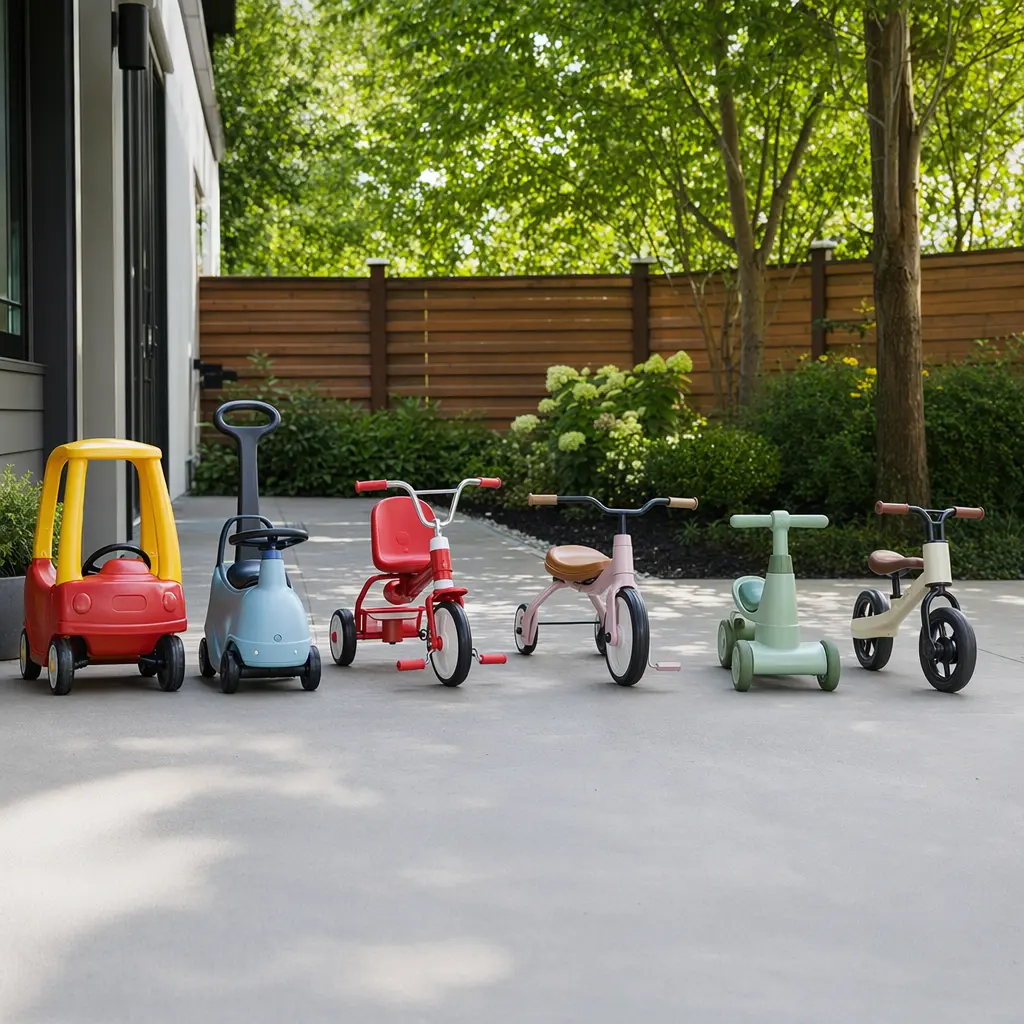
Ride-on toys are often a toddler’s first taste of independent movement. For children ages 2–3, the right ride-on can build confidence, coordination, and balance without feeling overwhelming. Push, pedal, and balance-style ride-ons each support early riders in different ways, and understanding those differences can help parents choose a toy that fits their child’s stage—not just their age.
What to look for
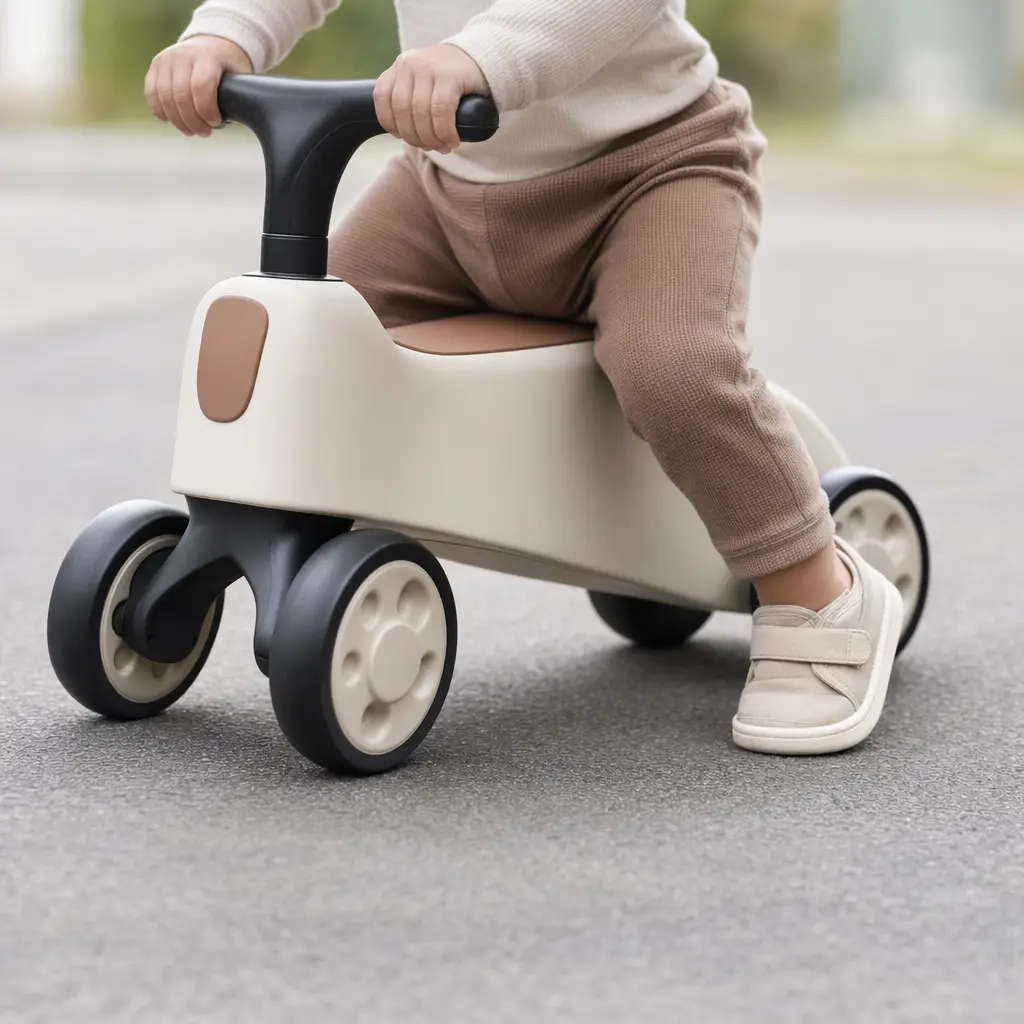
Beginner ride-ons should feel stable, predictable, and easy to control. At this age, children are still learning how their bodies move through space, so simple designs usually work best. Focus less on extra features and more on how the toy supports safe, confident movement.
- Low seat height so feet can rest flat on the ground
- Wide wheelbase or stable frame to reduce tipping
- Smooth steering with limited turn radius for beginners
- Lightweight construction that a toddler can maneuver
- Durable wheels suited for indoor floors or outdoor pavement
- Simple design without distractions that affect balance
Age suitability
Most ride-ons labeled for ages 2–3 are designed for early walkers who are gaining confidence but still need close supervision. Push-style and balance ride-ons often work best at the younger end of this range, while simple pedal ride-ons may suit older toddlers who can coordinate leg movement and steering at the same time. Size and skill matter more than the age printed on the box, so checking seat height and weight limits is important.
Standout categories or types
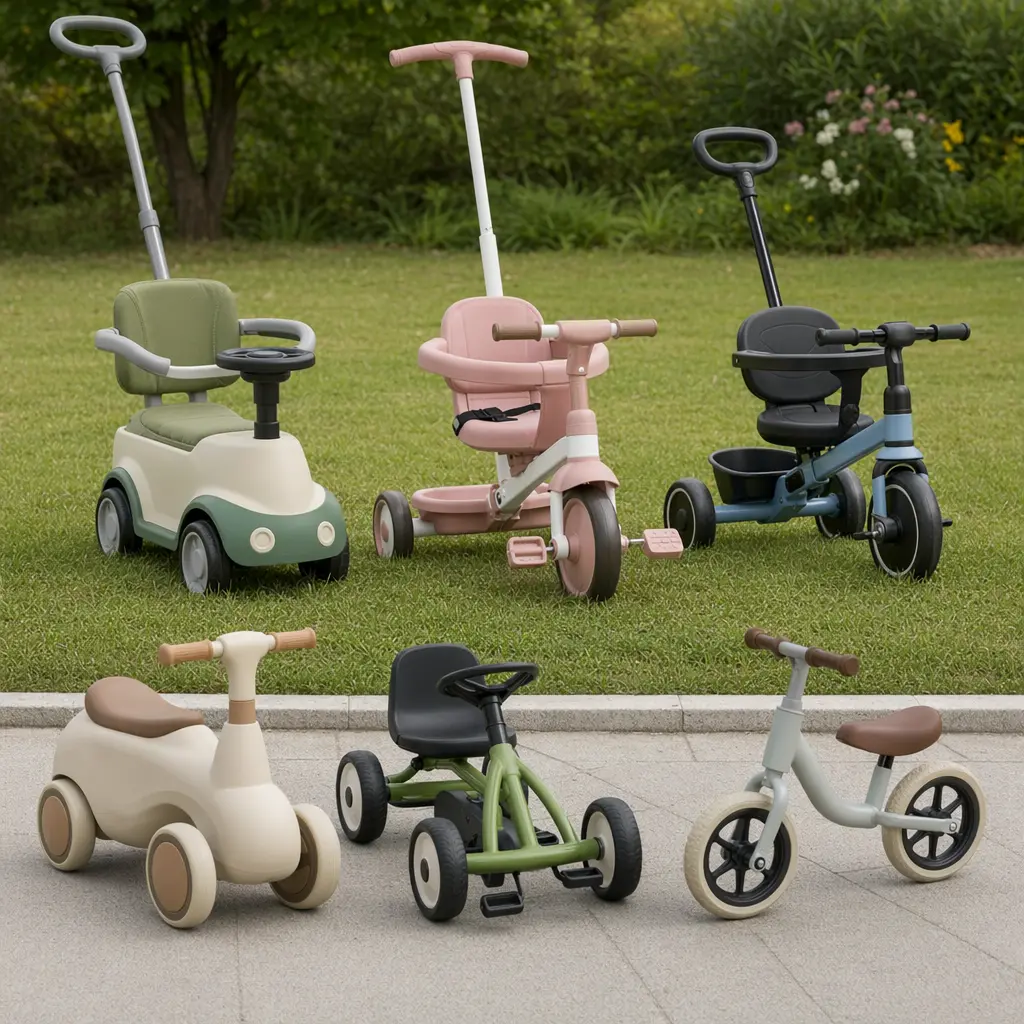
Beginner ride-ons generally fall into three main categories. Each type supports a slightly different developmental goal, so the best choice depends on what your child is ready to practice.
- Push ride-ons: These allow toddlers to sit and push with their feet. They are often the easiest starting point and help build leg strength and steering awareness.
- Balance-style ride-ons: Designed without pedals, these focus on balance and coordination. Children control speed with their feet, which can boost confidence and body control.
- Pedal ride-ons: Simple trikes or pedal cars introduce coordinated pedaling and steering. These are usually better for children closer to age 3 who have stronger leg control.
For many families, starting with a push or balance-style ride-on and moving to pedals later provides a natural progression. Some children may skip pedals entirely at this stage and still develop strong riding skills through balance-based play.
Frequently asked questions
Do ride-on toys really help with development?
Yes. Ride-ons support gross motor development, balance, coordination, and spatial awareness. They also encourage independent play and problem-solving as toddlers learn how to start, stop, and steer.
Is a balance-style ride-on better than a pedal one?
Not necessarily better, but different. Balance-style ride-ons focus on stability and body control, while pedal ride-ons add coordination. Many toddlers benefit from mastering balance before adding pedals.
Can ride-on toys be used indoors?
Many beginner ride-ons are suitable for indoor use on hard floors, provided there is enough open space. Check wheel materials to avoid scuffing floors and remove obstacles from the riding area.
What safety features matter most?
A low center of gravity, stable wheels, and smooth steering are key. For outdoor use, pairing the ride-on with a properly fitted helmet adds an extra layer of protection.
Beginner ride-on toys don’t need to be flashy to be effective. The best options give toddlers a sense of control and accomplishment while supporting safe exploration. By choosing a ride-on that matches your child’s size and skill level, you’re setting the stage for confident movement and active play.