Best Push Ride-Ons for Indoor Play (Ages 1–3)
A parent-focused guide to simple, foot-powered push ride-ons for toddlers. Learn what features matter for apartments and small homes, age fit, safety tips, and the most useful types to consider.
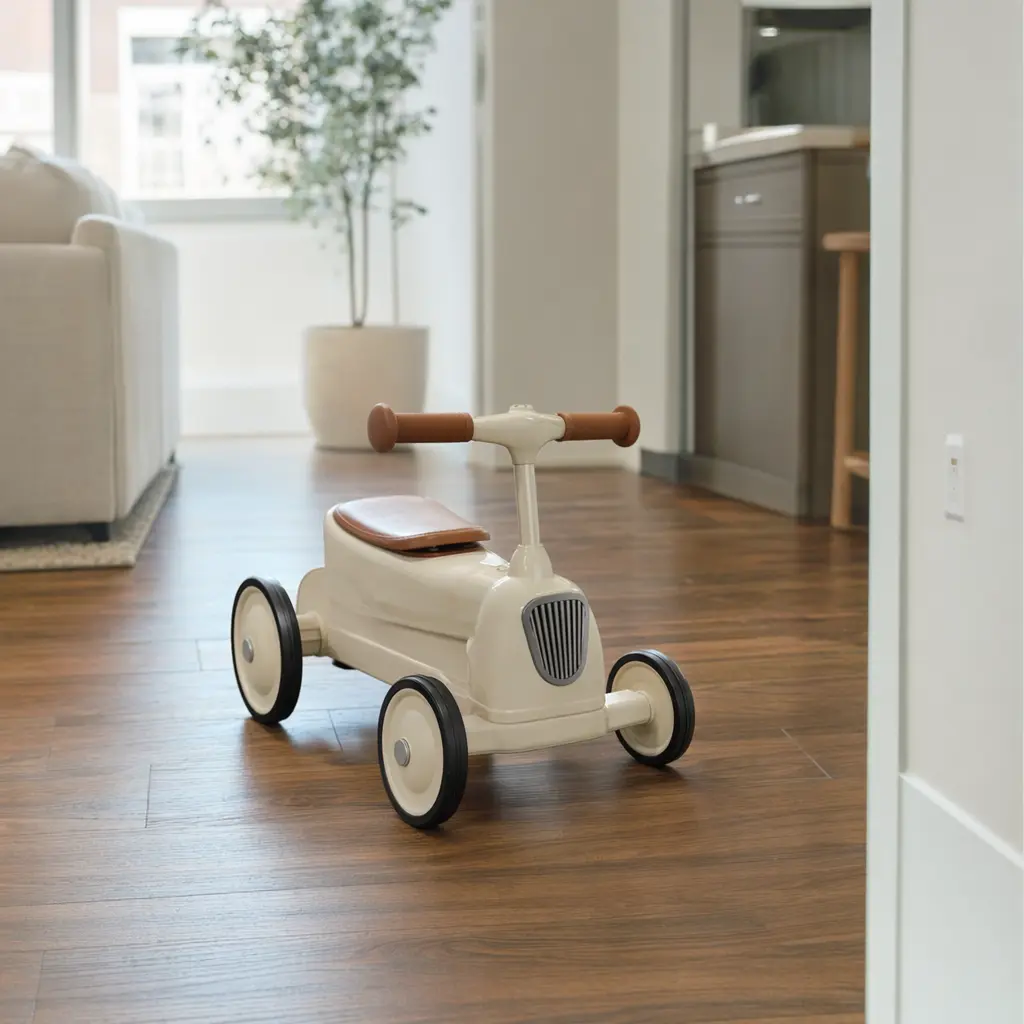
Compare prices and availability
Check current prices and availability for this guide on eBay.
As an eBay Partner, we may be compensated if you make a purchase.
Push ride-ons are a popular first riding toy for toddlers who are learning balance, coordination, and independent movement. For indoor play—especially in apartments or smaller homes—the best options are simple, foot-powered designs that roll smoothly, turn easily, and don’t take over the living room. This guide focuses on ride-ons designed for ages 1–3 that work well inside, without pedals, batteries, or bulky frames.
What to look for
Indoor push ride-ons should support early movement without creating safety or space issues. Because toddlers use their feet to move and steer, stability and size matter more than speed or extra features. The best designs encourage confident scooting while staying quiet and manageable indoors.
- Low seat height so toddlers can place both feet flat on the floor
- Wide wheelbase for stability during turns
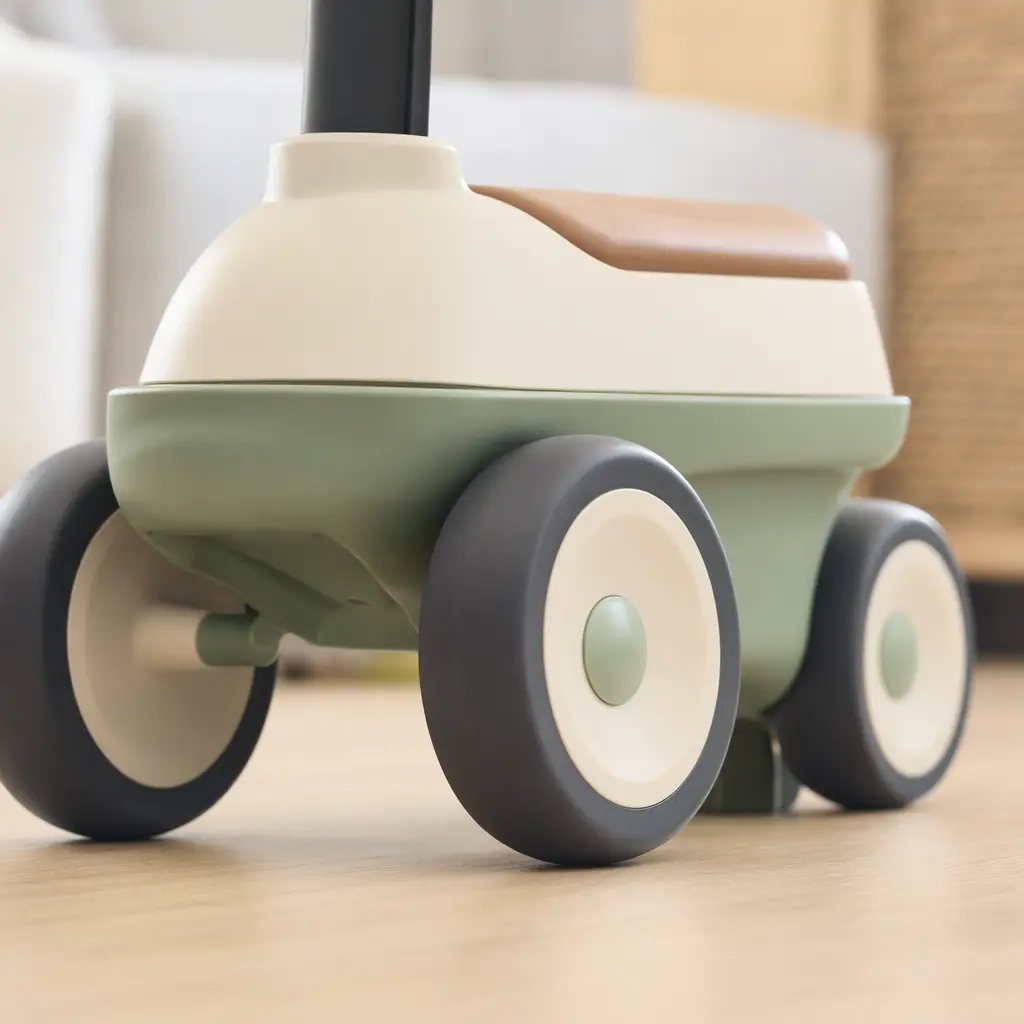
- Smooth, non-marking wheels suitable for hardwood or tile
- Lightweight frame that’s easy for adults to move or store
- Simple steering with limited turning radius to prevent tipping
- Rounded edges and minimal protruding parts
Age suitability
Most push ride-ons marketed for ages 1–3 span a wide range of development. Younger toddlers (around 12–18 months) benefit from ride-ons with very low seats, four wheels, and slow, controlled movement. Older toddlers (2–3 years) may prefer slightly longer frames or models that allow sharper turns and faster scooting. Check both the height range and the maximum weight rating to ensure the toy fits your child now and leaves room to grow.
Standout categories or types
Not all push ride-ons are built the same. For indoor use, certain categories tend to work better in tight spaces and shared living areas. These types prioritize balance, quiet movement, and compact design over outdoor durability or high speeds.
- Four-wheel scoot ride-ons: Extra stability for early walkers and new riders
- Minimalist plastic ride-ons: Lightweight and easy to wipe clean after daily use
- Soft-wheel indoor ride-ons: Designed to reduce noise and protect floors
- Convertible push-and-ride styles: Include a handle for assisted pushing, then convert to independent riding
- Low-profile animal or vehicle shapes: Encourage imaginative play without adding height or bulk
Frequently asked questions
Are push ride-ons safe for indoor use?
Yes, when used as intended. Indoor-friendly models move at walking speed and rely on the child’s feet rather than pedals or motors. Safety depends on supervision, clear floor space, and choosing a stable design with appropriate weight limits.
Do push ride-ons damage floors?
Most indoor-focused ride-ons use plastic or rubberized wheels that are safe for hardwood and laminate. Avoid hard, narrow wheels designed for outdoor pavement if the toy will be used mostly inside.
Is a push handle necessary?
A push handle can help younger toddlers who are still gaining confidence. However, many families prefer handle-free designs for indoor play because they take up less space and encourage independent movement.
How much space does a toddler need to use one?
A clear area of about 6–10 feet is usually enough for straight-line scooting and gentle turns. Hallways and open living rooms often work well, as long as stairs and door thresholds are blocked.
Indoor push ride-ons can be a practical way to support early gross motor skills without adding noise or clutter to your home. By focusing on low, stable designs with smooth wheels and simple construction, parents can find options that fit comfortably into apartment living while giving toddlers a fun and active way to move.