Micro Kickboard Scooters: The ride that changed school runs
Born in Switzerland, Micro Kickboard scooters helped turn scooting into everyday family transport, prized for smooth glide, smart design, and kid-friendly control.
Compare prices and availability
Check current prices and availability for this guide on eBay.
As an eBay Partner, we may be compensated if you make a purchase.
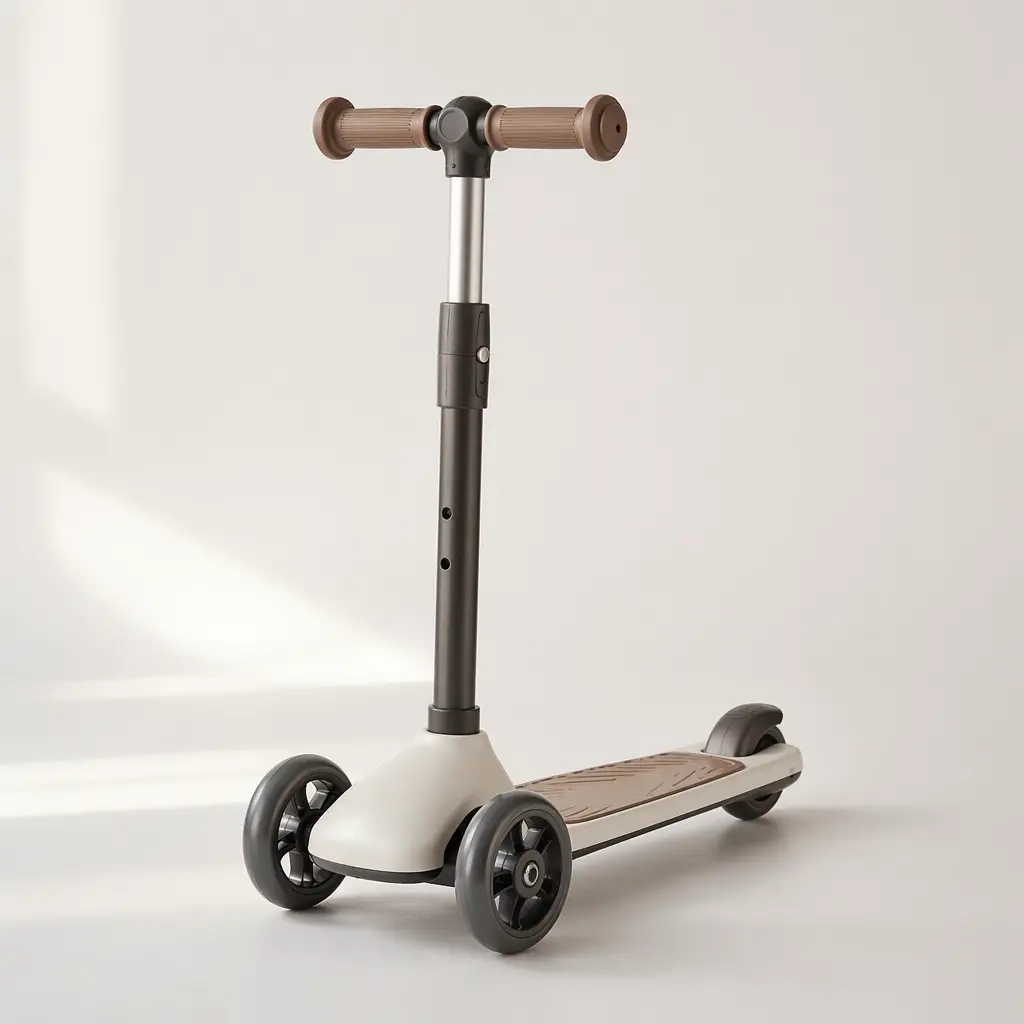
Two decades ago, scooters were mostly toys: rattly, fold-up things that came out for the odd weekend spin. Micro Kickboard helped change that perception. Its scooters — especially the now-familiar three-wheeled designs — became something families used every day, not just for play but for getting places. School runs, park trips, short commutes: scooting slipped naturally into family routines.
Where it came from
Micro scooters trace their roots to Switzerland around the year 2000, when founder Wim Ouboter set out to design a compact, efficient way for adults to travel short distances. That original push scooter quickly gained a following in European cities for its smooth ride and portability.
The breakthrough for families came when the same design thinking was applied to children. By introducing lightweight frames, durable materials, and a distinctive lean-to-steer system, Micro created scooters that younger riders could control intuitively. What began as an urban mobility idea grew into a global family brand, with Micro Kickboard becoming a common sight outside schools and parks.
Why it works
The appeal of Micro Kickboard scooters isn’t flashy tricks or extreme performance. It’s the feeling of effortlessness. The scooters are designed to glide smoothly over pavements, making even short rides feel satisfying. For children, that smoothness builds confidence; for parents, it means fewer jolts, stalls, and frustrations.
A key innovation is the lean-to-steer mechanism used on many models. Instead of turning the handlebars sharply, riders shift their weight to steer. This mirrors how kids naturally balance and turn, making the learning curve gentler than with traditional two-wheeled scooters.
- Lean-to-steer control that supports balance and coordination
- Wide, low decks for stable footing
- Smooth-rolling wheels designed for pavements
- Adjustable handlebars that grow with the rider
- Lightweight construction for easy carrying
Who it’s for
Micro Kickboard scooters are often associated with preschool and primary-age children, but the range is broader than that image suggests. Younger kids benefit from the added stability of three wheels, while older children — and even adults — appreciate the efficiency and build quality. There’s also a strong adult following among parents who started by pushing a scooter alongside a pram and ended up riding one themselves.
Variants and what to look for today
Today’s Micro Kickboard lineup includes a variety of sizes and configurations, but they all follow the same core principles. Three-wheeled scooters dominate the younger end, prioritising stability and control. Two-wheeled versions are aimed at older riders who want speed and portability.
When shopping now, it’s worth paying attention to wheel quality, deck height, and handlebar adjustability rather than cosmetic extras. The popularity of the design has led to many lookalikes on the market. While some are perfectly serviceable, others cut corners on materials or steering mechanisms, which can affect ride feel and durability.
Frequently asked questions
Are three wheels really better for beginners?
For most young children, yes. Three wheels provide lateral stability, reducing the fear of tipping while still encouraging balance through leaning. Many kids transition smoothly from three to two wheels later on.
Do these scooters fold up?
Some models fold, while others prioritise rigidity over compactness. If storage or public transport is a concern, folding designs are worth seeking out, but non-folding scooters often feel more solid.
Can adults ride them too?
Yes. Micro began with adult scooters, and adult-sized versions remain popular for short commutes and casual rides. Weight limits and handlebar height are the key factors to check.
Are they just for pavements?
They’re designed primarily for smooth surfaces like pavements and paths. Rough trails or gravel can be challenging and may shorten the life of the wheels.
Micro Kickboard scooters didn’t invent scooting, but they helped redefine what a scooter could be: not a novelty, but a reliable part of daily life. By focusing on smooth motion, intuitive control, and thoughtful design, they earned a place in family routines — and quietly reshaped how many households move through their neighbourhoods.