Dash Robot: The classroom coding toy built for curious kids
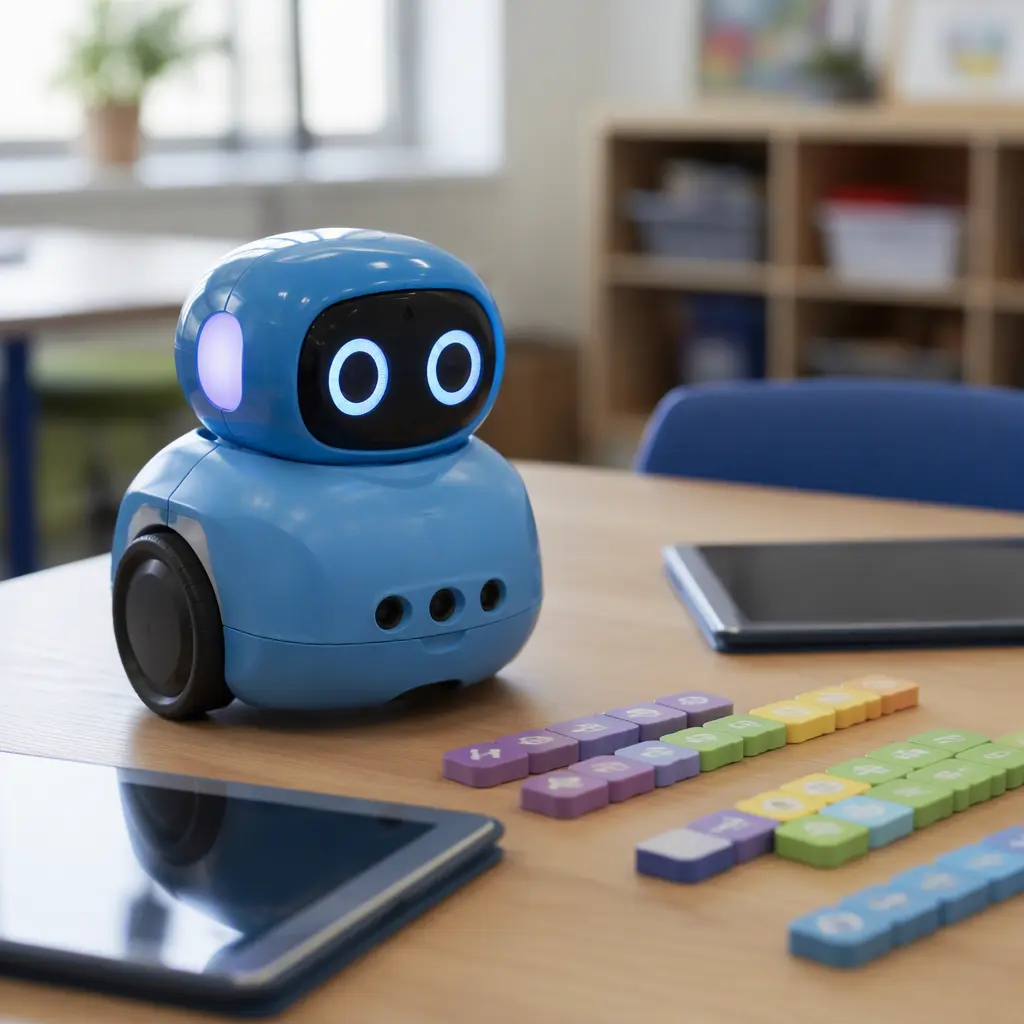
Dash Robot turned early coding lessons into movement, sound, and play. Introduced in 2014, the rolling classroom robot helped young children experiment with programming before they could comfortably type.
Compare prices and availability
Check current prices and availability for this guide on eBay.
As an eBay Partner, we may be compensated if you make a purchase.
Dash Robot arrived during a moment when schools and parents were searching for ways to make coding feel less abstract for young children. Released in 2014 by Wonder Workshop, the small rolling robot combined sensors, lights, sounds, and app-based programming into a format that felt closer to a toy than a computer lesson. Children could make it move through obstacle courses, react to sounds, or perform simple routines without needing to type long commands. That mix of physical play and beginner-friendly coding helped Dash become one of the most recognizable classroom robots of the 2010s.
Where it came from
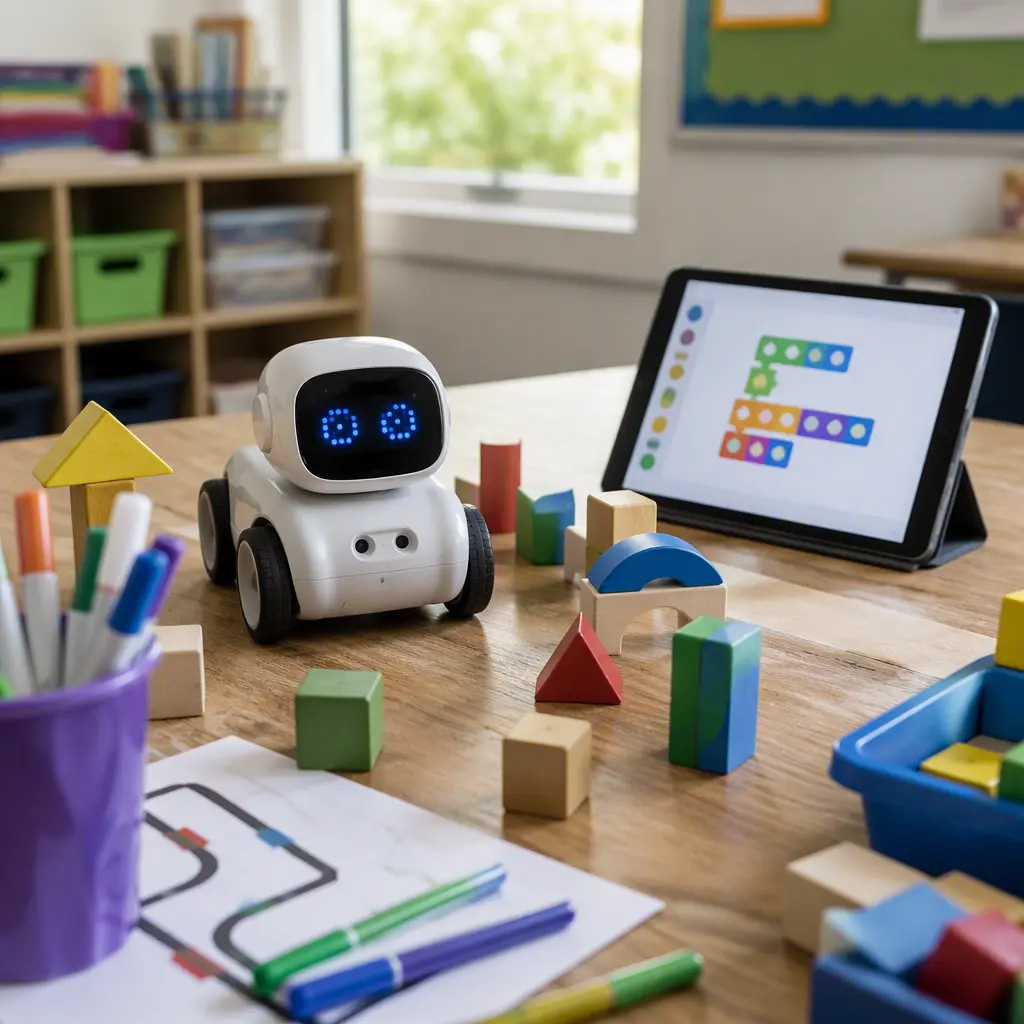
Wonder Workshop launched Dash during the rapid expansion of STEM education in the early 2010s. Schools were beginning to introduce coding concepts to younger students, but many programming tools still depended heavily on reading, typing, and screen-focused instruction. Dash was designed to lower that barrier. Instead of asking children to learn syntax first, it encouraged experimentation through movement and immediate visual feedback.
The robot paired with mobile apps that used drag-and-drop style coding blocks. Children could create sequences by connecting actions together visually, then watch the robot perform them in the real world. The design reflected a larger shift in educational technology at the time: coding was increasingly presented not only as a technical skill, but also as a creative activity connected to storytelling, problem solving, and collaborative play.
Why it works
A major reason Dash connected with classrooms was its balance between simplicity and personality. The robot had a rounded shape, bright color scheme, moving head, lights, and sound effects that made it feel expressive without becoming a fully character-driven toy. Children often treated it like a pet or teammate rather than a machine, which encouraged engagement during lessons that might otherwise feel instructional.
The coding experience also worked well for early learners because actions produced immediate, visible results. A child could program Dash to spin, light up, avoid obstacles, or follow a route within minutes. That fast feedback loop kept younger users interested while quietly introducing ideas like sequencing, loops, events, and conditional logic. Teachers appreciated that the robot could support free play for beginners while still allowing more advanced challenges as students grew more confident.
- Drag-and-drop coding designed for pre-readers and early readers
- Movement, lights, and sound that create immediate feedback
- Sensors that respond to obstacles, sound, and nearby objects
- Expandable play with accessories and building attachments
- Classroom-friendly durability for repeated group activities
Who it's for
Dash was primarily aimed at elementary-age children, especially those in early primary grades who were just beginning to explore coding concepts. Its app-based controls and physical interactions made it approachable for children who were not yet comfortable typing or reading long instructions. At the same time, the robot found an audience beyond schools. Families often used it as a screen-connected toy that encouraged collaborative play between children and adults. Hobbyists and educators also appreciated that it introduced real programming logic in a form that did not feel intimidating.
Variants and what to look for today
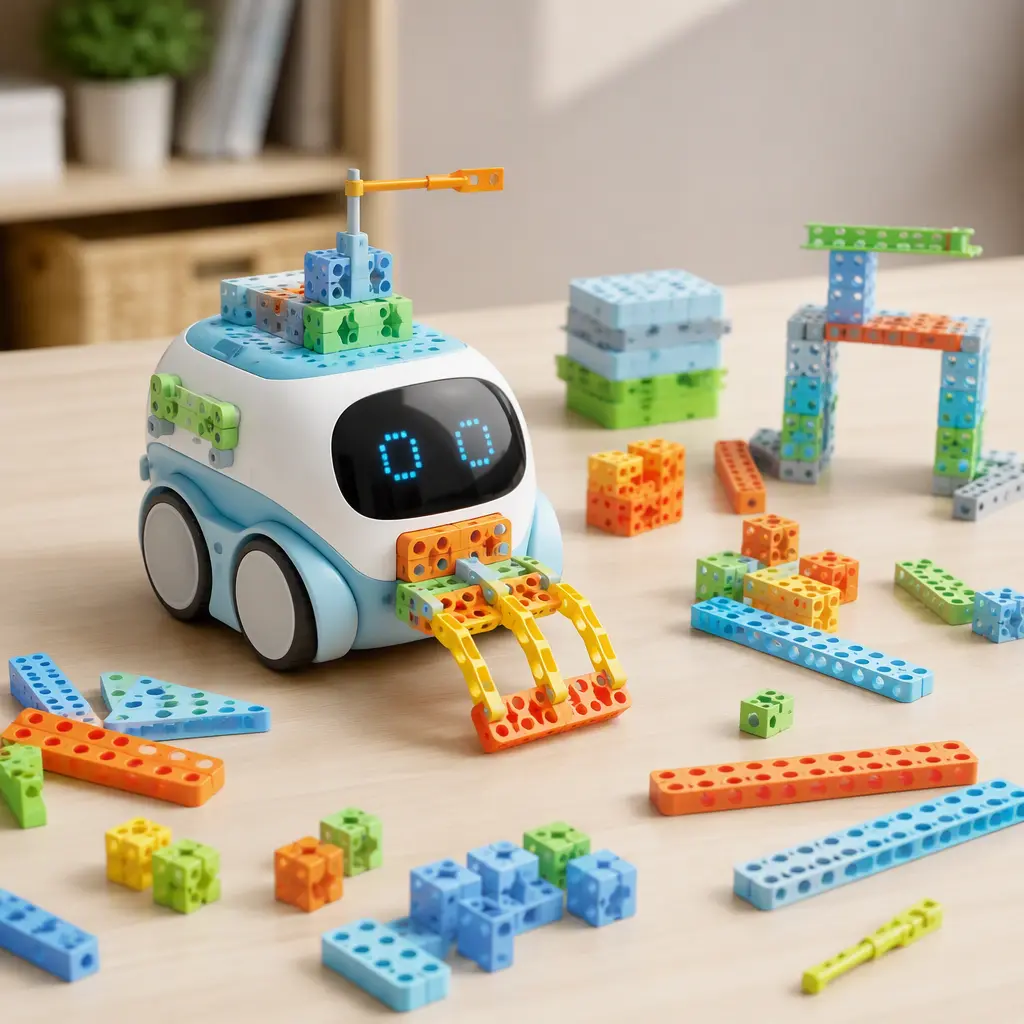
Dash has remained closely associated with classroom STEM programs, and many versions available today are still sold through educational retailers. Some sets focus on the robot alone, while others include coding challenge cards, launcher accessories, building connectors, or activity packs designed for group learning. Because the apps are central to the experience, buyers should confirm that any used robot still supports current mobile devices and operating systems.
The educational robot market expanded quickly after Dash became popular, so there are now many lookalike coding toys aimed at younger children. Some offer simplified remote-control play without deeper programming features. Others depend heavily on subscriptions or cloud-based software. Parents and schools looking at secondhand units often check battery health, wheel movement, charging reliability, and app compatibility before buying.
- Starter sets focused on beginner coding lessons
- Classroom bundles with multiple robots and activity guides
- Accessory kits with launchers, building connectors, or obstacle tools
- Refurbished classroom units sold through educational resellers
- Simplified coding robots that emphasize movement over programming depth
Frequently asked questions
Does Dash Robot teach real coding?
Yes. While the interface is simplified for children, the robot introduces genuine programming concepts including sequencing, loops, conditions, events, and debugging. The lessons are visual and interactive, but the underlying logic connects closely to later computer science learning.
Can children use Dash without reading skills?
One reason Dash became popular in early education was its accessibility for younger children. Many activities rely on icons, sounds, colors, and drag-and-drop controls instead of written commands, making it usable for pre-readers with adult guidance.
Was Dash mainly a toy or a classroom tool?
It functioned as both. Schools adopted Dash for STEM lessons and coding clubs, while families often used it at home as an educational toy. Its success came partly from blending structured learning with playful experimentation.
Why did robots like Dash become popular in schools?
Educational robots gave coding lessons a physical dimension. Instead of seeing results only on a screen, children could watch a robot move through space, react to commands, and interact with objects. That hands-on quality helped abstract programming concepts feel concrete and memorable.
More than a decade after its introduction, Dash remains tied to a particular phase in educational technology when coding was reframed as creative play for younger children. It was not the first classroom robot, but it became one of the most visible examples of how programming education could feel approachable, social, and genuinely fun. Even as newer STEM toys appear, Dash still represents the idea that early coding works best when children can experiment, make mistakes, and immediately see the results rolling across the floor.