GeoSafari Jr. Kidnoculars and the Rise of Backyard Science Play
GeoSafari Jr. Kidnoculars turned simple backyard observation into hands-on science play with oversized focus knobs, durable construction, and kid-friendly design built for early explorers.
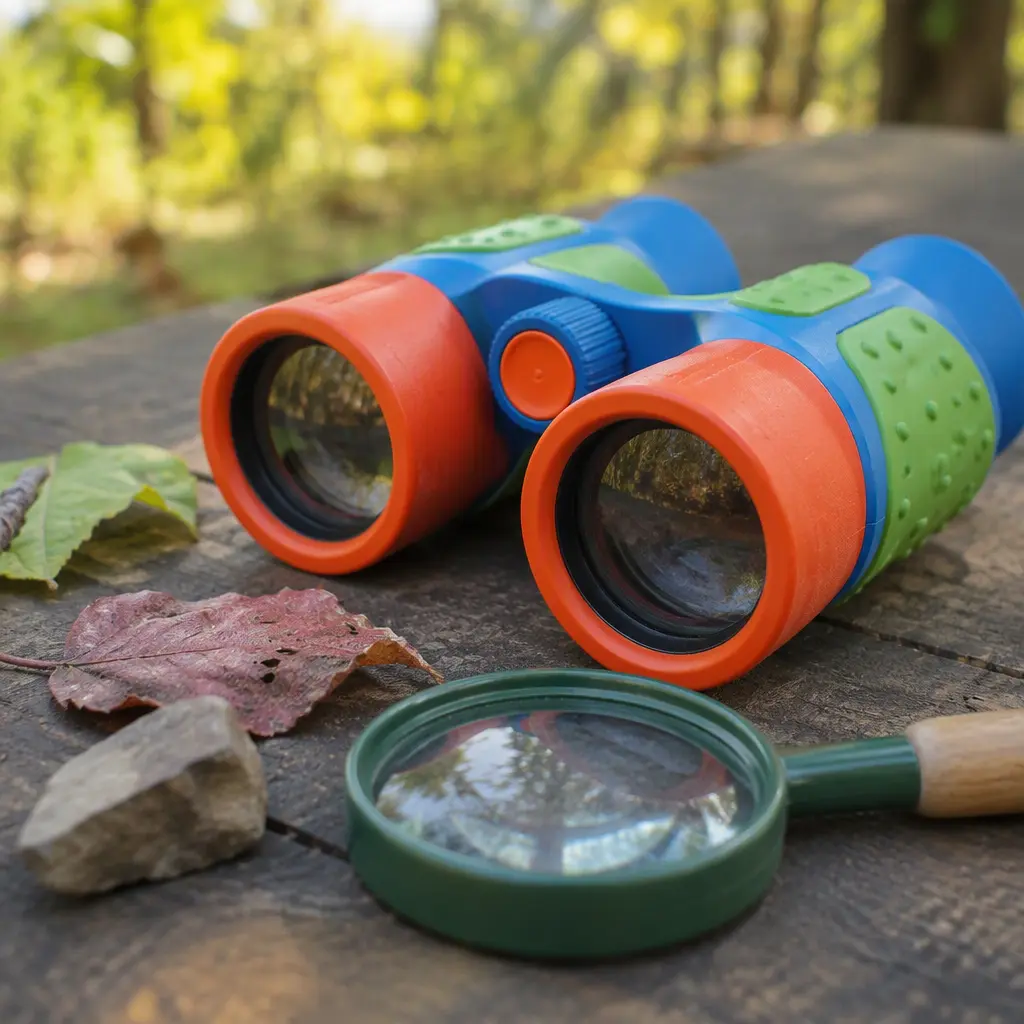
Compare prices and availability
Check current prices and availability for this guide on eBay.
As an eBay Partner, we may be compensated if you make a purchase.
Few toys capture the feeling of early discovery quite like a pair of child-sized binoculars. GeoSafari Jr. Kidnoculars became especially memorable because they treated young children as real explorers rather than pretending adults. Their oversized eyepieces, chunky focus wheel, and bright colors made observation feel approachable for preschoolers who were still learning coordination. Instead of turning science into a classroom exercise, the toy encouraged children to step outside, look closely at birds or bugs, and build curiosity through play.
Where it came from
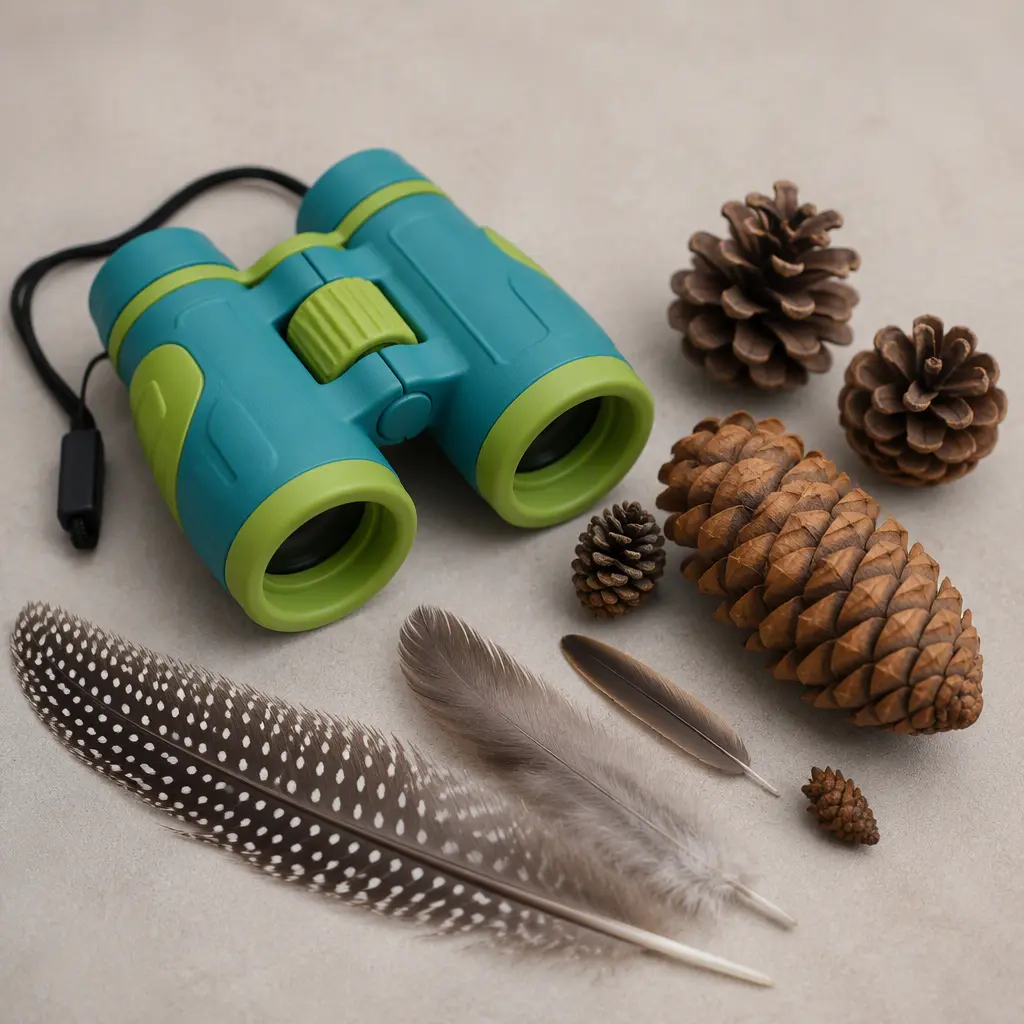
GeoSafari emerged from the broader educational toy movement that gained momentum in the late 20th century, when manufacturers increasingly focused on hands-on STEM learning for younger children. The brand became associated with nature exploration tools designed for classrooms, family trips, and backyard discovery. Kidnoculars arrived as part of that philosophy: a simplified binocular toy that removed many of the frustrations children encountered with standard optics.
Traditional binoculars can be difficult for small children to use. Narrow eye spacing, delicate focus adjustments, and heavy construction often lead to quick frustration. Kidnoculars approached the problem from a developmental angle. The body was oversized and durable, the eyepieces were extra large, and the focus control was designed for smaller hands. While they were not intended as professional optical instruments, they succeeded at introducing observation skills in a way that felt rewarding almost immediately.
Why it works
The appeal of Kidnoculars comes from how effectively the toy matches the abilities of young children. Preschoolers and early elementary-age kids are naturally interested in the outdoors, but many scientific tools are built for adults first and children second. Kidnoculars reversed that priority. The toy invited experimentation without demanding precision, which is one reason it became a familiar sight in classrooms, camps, and family nature walks.
Another important detail is that the toy encouraged active looking rather than passive entertainment. Children could scan tree branches, inspect distant playground structures, or follow movement in the yard. The experience supported observational skills, patience, and imaginative play at the same time. For many families, the binoculars became part of scavenger hunts, camping trips, or simple afternoon walks.
- Large eyepieces designed for easier alignment with children's eyes
- Chunky focus wheel that works with developing motor skills
- Durable plastic construction intended for outdoor use
- Simple magnification suitable for backyard exploration
- Bright, approachable design that feels more like a toy than technical equipment
- Encourages open-ended science and nature play without screens
Who it's for
Kidnoculars are generally aimed at preschool and early elementary-age children, especially those interested in animals, parks, hiking, or collecting outdoor objects. The design works best for younger users who may struggle with standard binoculars. Parents and teachers often appreciate that the toy bridges imaginative play and educational activity without requiring complicated instructions. Adults also tend to remember the product fondly because it represents a style of STEM toy that focused on curiosity first rather than competitive learning metrics or digital features.
Variants and what to look for today
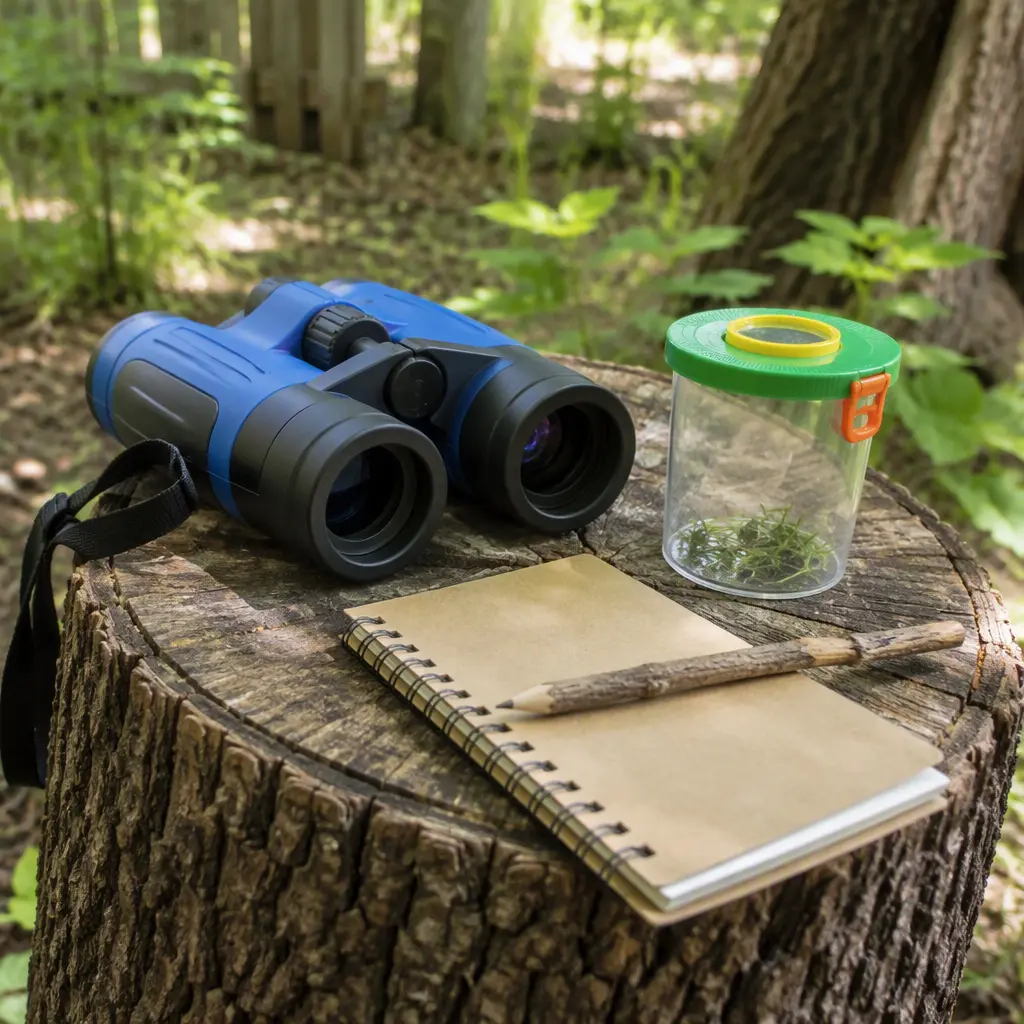
Over the years, educational toy companies have released many variations on child-friendly binoculars, but the GeoSafari Jr. approach remains recognizable. Modern versions often keep the same oversized shape while adding softer grips, brighter colors, or simplified focusing systems. Some sets bundle binoculars with explorer kits that include magnifiers, flashlights, or bug viewers.
When shopping today, the most important factor is usability rather than advertised magnification. Many inexpensive toy binoculars promise high zoom levels but deliver blurry or difficult viewing experiences. For younger children, wide eyepieces, comfortable handling, and rugged construction matter far more. Families using the toy on hikes or camping trips may also want weather-resistant materials and neck straps with breakaway safety features.
- Look for sturdy hinges and smooth focus adjustment
- Wider eyepieces are usually easier for younger children
- Avoid very fragile novelty binoculars with poor optical clarity
- Explorer kits can add imaginative play value for nature walks
- Neutral outdoor colors may appeal to older kids who want realistic gear
Frequently asked questions
Are Kidnoculars real binoculars or just pretend toys?
They are functional binoculars designed for children, though they prioritize ease of use over advanced optics. The goal is to encourage observation and exploration rather than long-distance precision viewing.
What age range works best?
Most child-focused binoculars in this style are best suited for preschoolers and early elementary-age children. Older kids may eventually prefer more traditional binoculars with stronger magnification and narrower designs.
Can they be used for bird-watching?
Yes, especially for casual backyard bird-watching. Children can spot movement, colors, and shapes more easily, although serious bird identification usually requires higher-quality optics.
Why did educational outdoor toys become so popular?
Parents and educators increasingly looked for toys that combined physical activity, independent play, and STEM learning. Outdoor science toys offered a way to encourage curiosity without relying on screens or rigid lesson structures.
GeoSafari Jr. Kidnoculars endure because they understand something simple about childhood: looking closely at the world is exciting on its own. The toy succeeded not through complicated technology but by removing barriers between children and discovery. Whether used in a backyard, on a family hike, or during a classroom nature walk, the binoculars helped turn ordinary surroundings into something worth investigating.