Bauspiel Wooden Blocks and the Rise of Open-Ended Play
Bauspiel wooden blocks turned simple construction play into a sensory design trend, blending vivid colors, natural wood, and loose-parts creativity for homes and classrooms.
Compare prices and availability
Check current prices and availability for this guide on eBay.
As an eBay Partner, we may be compensated if you make a purchase.
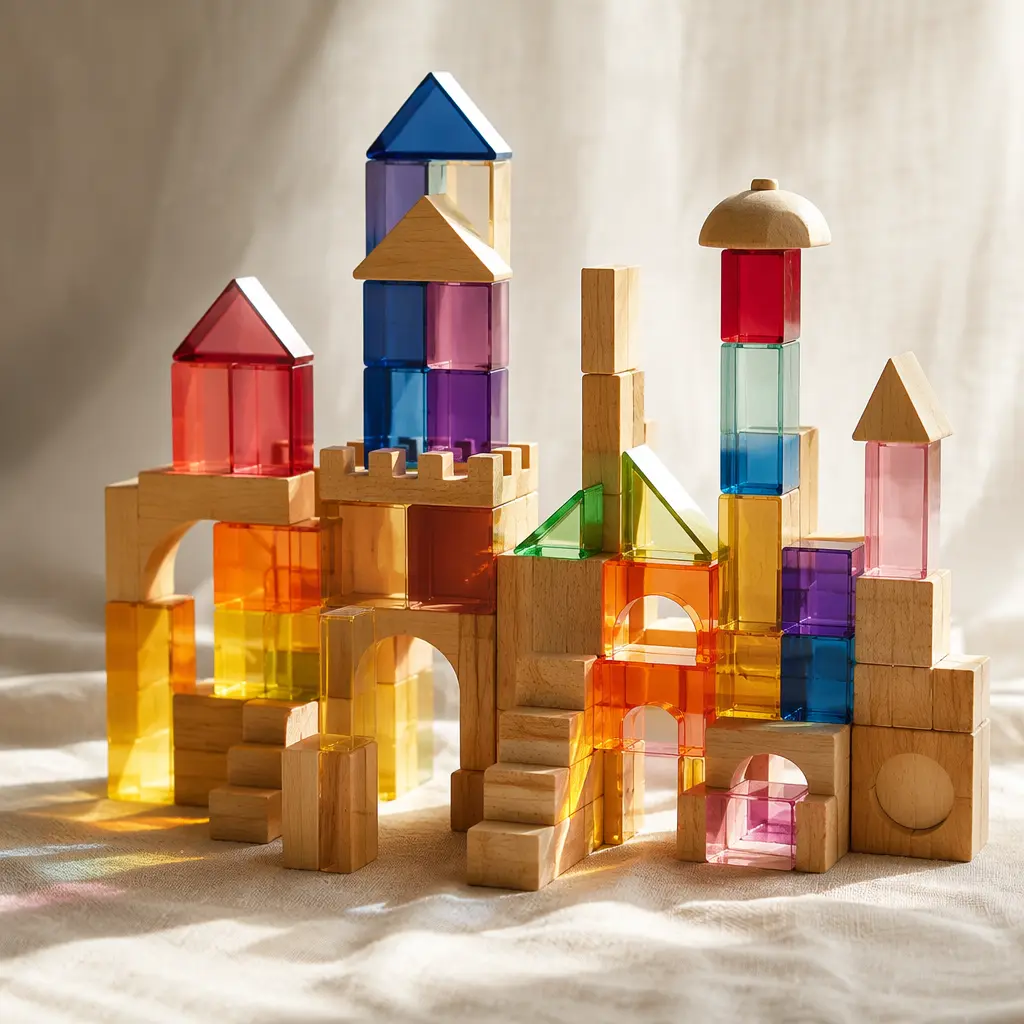
Bauspiel wooden blocks arrived at a moment when many parents and educators were rethinking what play spaces should look and feel like. Instead of noisy electronics or heavily scripted toy sets, these brightly stained wooden blocks leaned into open-ended construction, sensory exploration, and calm visual design. Their mix of natural wood grain, jewel-like acrylic windows, and oversized geometric shapes helped turn the humble block set into something closer to a creative studio material. In homes, preschools, and playrooms shaped by Montessori and Waldorf-inspired ideas, Bauspiel became part toy, part design object, and part invitation to slow down and build.
Where it came from
Bauspiel is a German toy maker known for handcrafted wooden play materials that emphasize texture, color, and imaginative use over fixed instructions. The company emerged from the broader European tradition of educational wooden toys, especially those influenced by child-led learning philosophies. While classic wooden blocks have existed for generations, Bauspiel's approach modernized the category by combining natural materials with unusually saturated colors and sensory elements such as mirrored surfaces, transparent acrylic gems, and smooth tactile finishes.
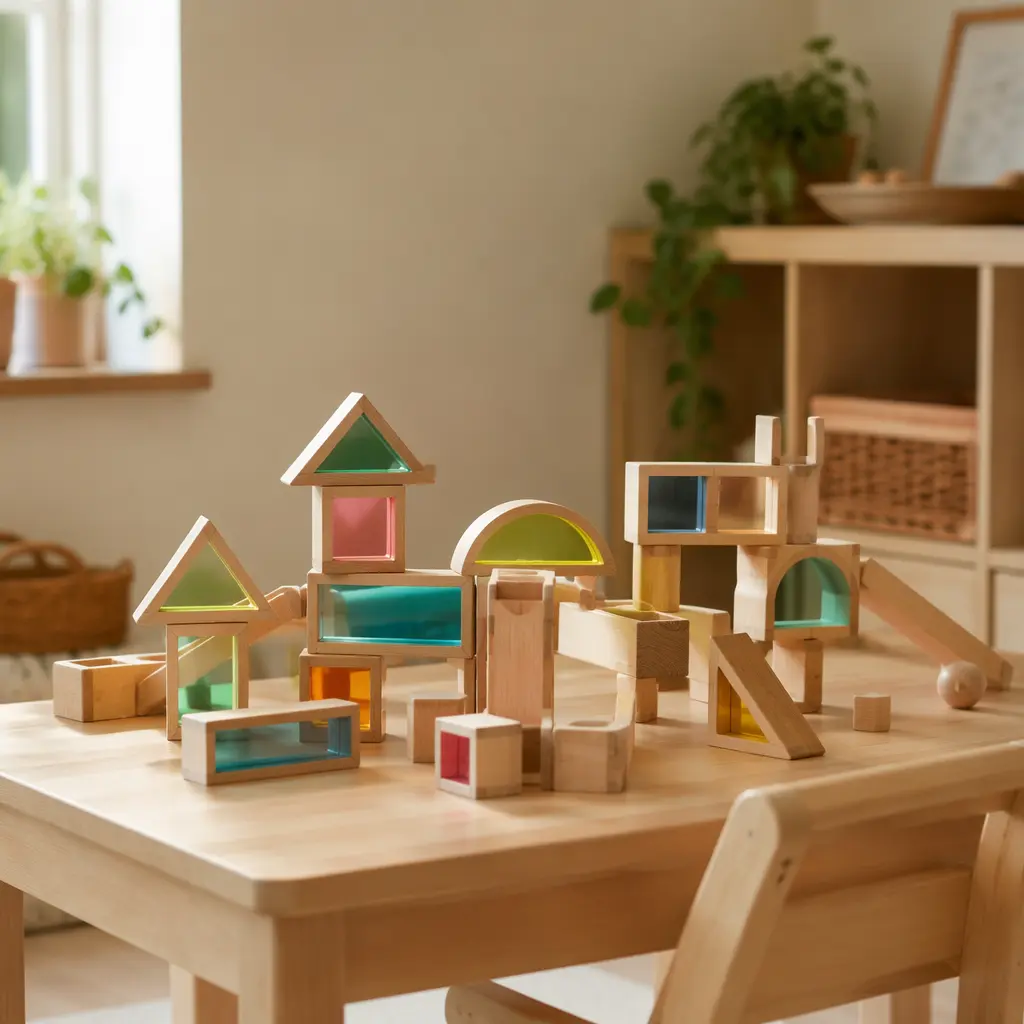
The brand gained wider international attention during the rise of social-media-driven playroom design in the 2010s and early 2020s. Parents, homeschoolers, and early childhood educators increasingly shared carefully arranged shelves filled with loose parts, wooden toys, and neutral-toned furniture accented by vivid play materials. Bauspiel blocks fit neatly into that movement because they photograph beautifully while also supporting genuinely flexible play. Unlike licensed construction sets that guide children toward one finished object, these blocks were designed to become anything from towers and marble runs to imaginary landscapes and sorting games.
Why it works
At their core, Bauspiel blocks succeed because they encourage experimentation without demanding a right answer. A child can stack them conventionally, sort them by color, use them in pretend cooking, combine them with toy animals, or explore light passing through translucent windows. The play pattern shifts naturally as children grow. Toddlers focus on grasping and balancing, while older children begin constructing more elaborate scenes and architectural ideas.
The visual design also matters more than it might seem. Many traditional blocks use primary colors painted opaquely over wood, but Bauspiel often preserves visible grain beneath rich stains. The result feels less like a mass-produced plastic toy and more like an art material. The blocks tend to be intentionally irregular as well, with organic edges, cutouts, and mixed geometries that encourage children to adapt rather than follow rigid symmetry.
- Natural wood textures combined with vivid translucent colors
- Open-ended construction with no fixed instructions or outcomes
- Large tactile pieces suited to collaborative floor play
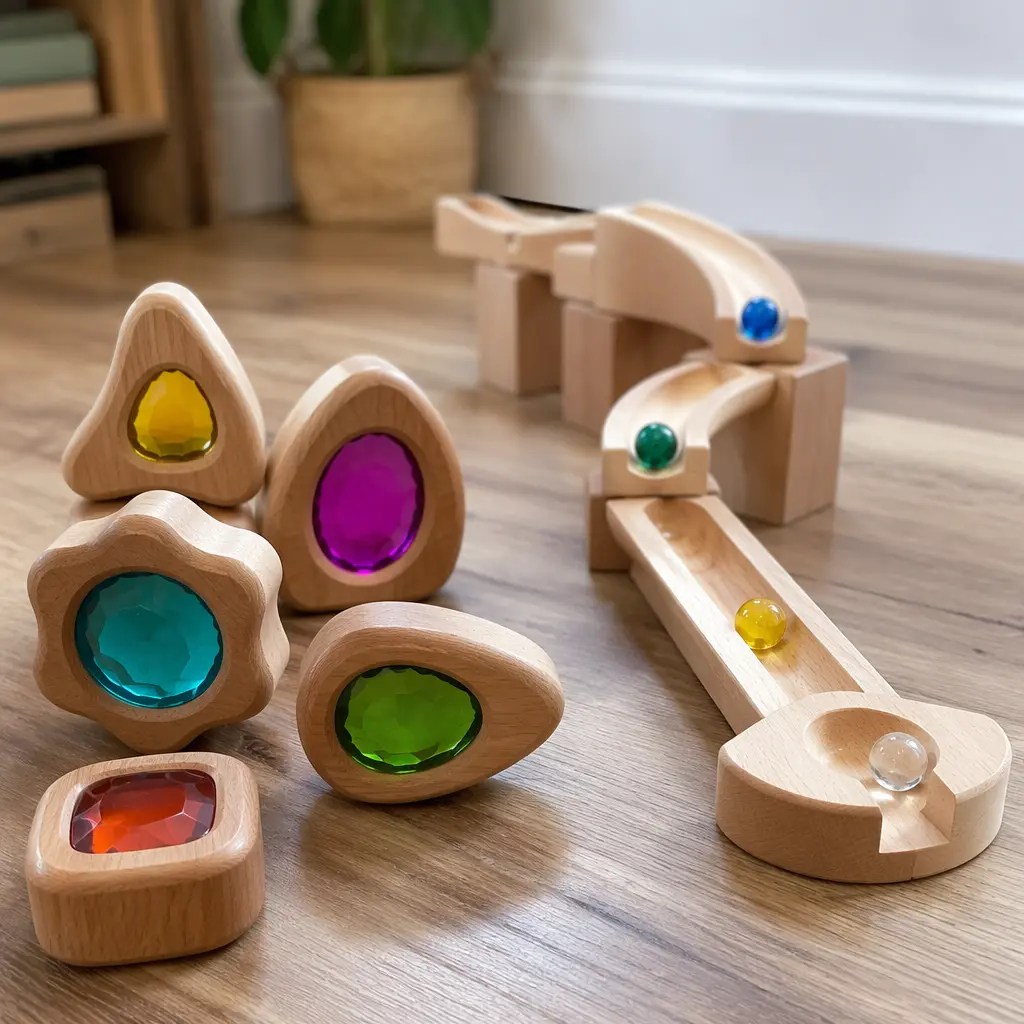
- Sensory elements such as acrylic windows, mirrors, and gems
- Compatibility with loose-parts play, toy animals, and other wooden toys
Who it's for
Bauspiel blocks are generally aimed at preschool and early elementary ages, though many sets are suitable for toddlers under supervision because of their chunky size and durable construction. Older children often continue using them for imaginative world-building long after they outgrow simpler stacking toys. Adult appeal is also part of the story. Many parents appreciate that the sets blend into living spaces more comfortably than brightly branded plastic toys, and educators value the way the blocks support cooperative play without requiring batteries, screens, or detailed instructions.
Variants and what to look for today
The Bauspiel range has expanded far beyond standard cubes and rectangles. Today, shoppers will find window blocks, castle-inspired sets, giant floor blocks, mirrored construction pieces, wooden trays filled with acrylic gems, and mixed-material loose-parts collections. Many families combine multiple sets gradually rather than buying one large collection at once, since the pieces are designed to work together across themes and scales.
When shopping, it helps to pay attention to material quality and finish rather than sheer piece count. Authentic high-end wooden blocks usually feature smooth sanding, balanced weight, and durable color staining that allows the wood texture to remain visible. Lower-cost imitations sometimes rely on thin paint coatings, lightweight wood, or brittle transparent inserts that scratch easily. Parents with very young children should also check recommended ages because some decorative loose parts and gem-style accessories can become choking hazards if separated from supervised play setups.
- Starter block assortments for general construction play
- Window and translucent blocks for light-table activities
- Large floor blocks for classrooms and group play
- Loose-parts accessory trays with gems and mirrors
- Mixed geometry sets for architectural building and balancing
Frequently asked questions
Are Bauspiel blocks educational?
They are often used in educational settings because they support spatial reasoning, fine motor development, color sorting, balance, and imaginative storytelling. Their biggest strength is flexibility rather than one narrowly defined skill.
Do children lose interest without instructions?
Some children initially expect a toy to show them exactly what to build, especially if they are used to licensed construction kits. Open-ended blocks usually become more engaging over time as children discover they can combine them with other toys and invent their own systems of play.
Can these blocks work with Montessori or Waldorf-inspired playrooms?
Yes. Bauspiel products are commonly associated with both approaches because they emphasize natural materials, sensory exploration, and child-directed activity. Families do not need to follow a specific educational philosophy to enjoy them, however.
Why are high-quality wooden blocks often expensive?
Solid wood toys require more material and labor than many plastic toys, especially when sanding, staining, and assembly are done carefully. Heavier hardwood pieces and durable transparent inserts also increase manufacturing costs compared with lightweight molded alternatives.
Bauspiel wooden blocks helped redefine what a modern building toy could look like. They borrow the simplicity of classic block play but package it in a format that feels artistic, sensory-rich, and adaptable across ages. Their popularity says as much about changing attitudes toward playrooms and child-led creativity as it does about the blocks themselves. In an era crowded with fast-moving trends and heavily branded entertainment, their lasting appeal comes from offering children a quieter kind of play that still leaves plenty of room for imagination.