Bop Bag: The Inflatable Toy That Refuses to Stay Down
First popularized in the late 1960s, the Bop Bag turned rough-and-tumble play into something safer and sillier. Its weighted inflatable design still appeals to energetic kids decades later.
Compare prices and availability
Check current prices and availability for this guide on eBay.
As an eBay Partner, we may be compensated if you make a purchase.
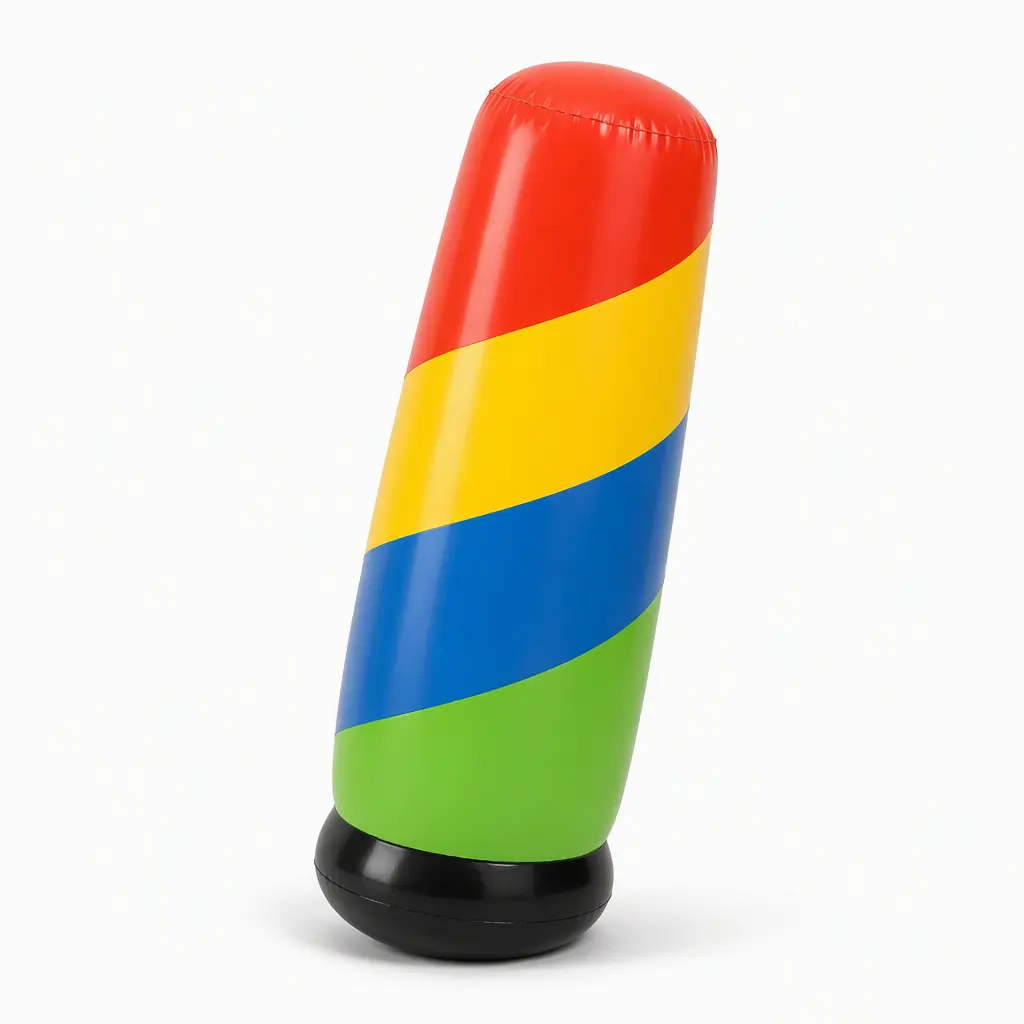
The Bop Bag is one of those toys that explains itself almost instantly. It is tall, inflatable, lightly weighted at the bottom, and designed to wobble, fall, and spring back upright after every shove or punch. Generations of children have treated it as part toy, part sparring partner, and part indoor energy release system. While plenty of active toys have come and gone since the late 1960s, the basic Bop Bag formula has stayed surprisingly durable because it delivers physical play without needing batteries, screens, or complicated rules.
Where it came from
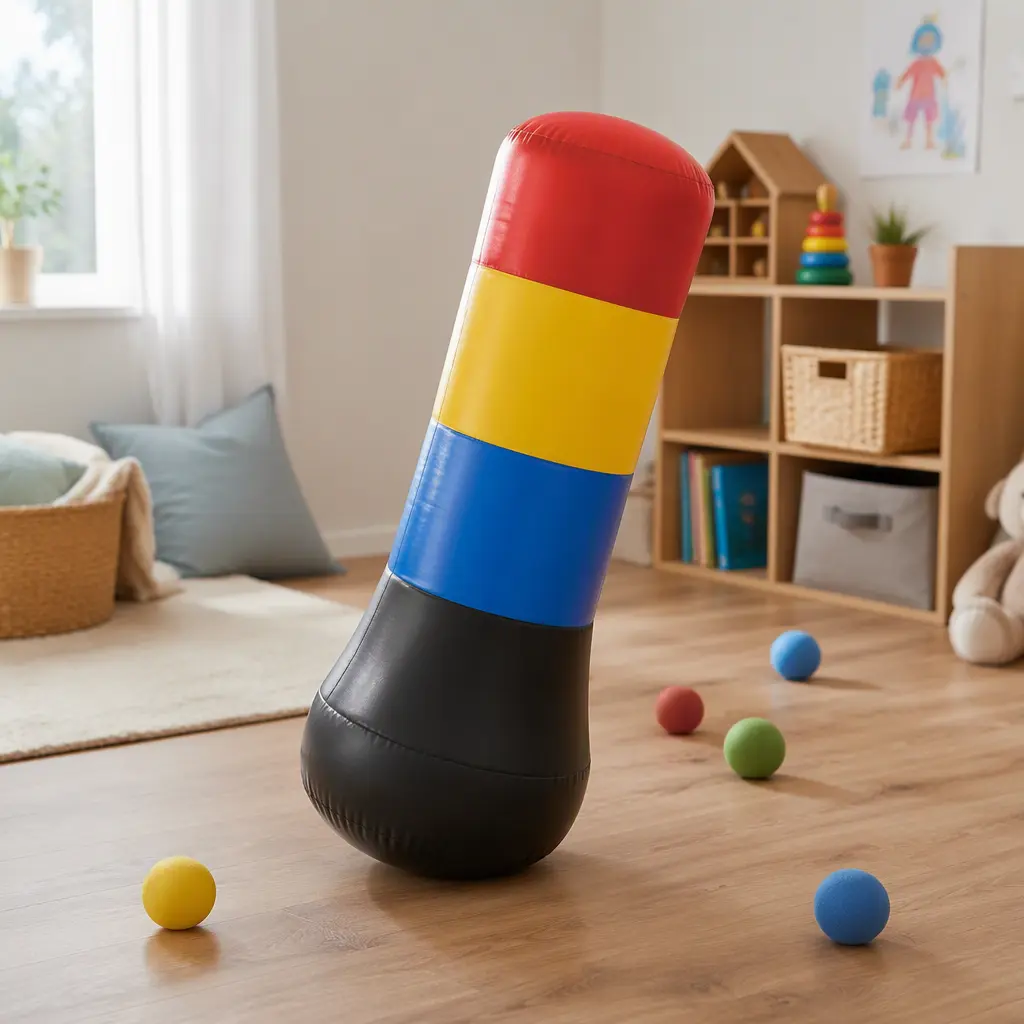
The modern Bop Bag became widely known around 1969, arriving during an era when toy companies were experimenting with safer versions of rough-and-tumble play. Punching bags and boxing equipment already existed for adults, but inflatable vinyl and lightweight manufacturing opened the door to something more child-friendly. Instead of hard surfaces or hanging hardware, the Bop Bag used air for cushioning and a weighted base for balance.
Its timing mattered. The late 1960s and early 1970s saw growing interest in toys that encouraged movement indoors, especially for children living in smaller suburban homes or apartments. The Bop Bag fit neatly into that space. It could be deflated for storage, inflated quickly, and used in bedrooms, rec rooms, or back patios. Different companies introduced animal versions, clown-inspired designs, and sports-themed variations over the years, but the core idea remained almost unchanged: hit it, watch it rebound, and repeat.
Why it works
The appeal of the Bop Bag comes from simple physical feedback. Unlike many active toys that require setup or competition, a bop-style inflatable responds instantly. Push it and it sways. Knock it down and it returns upright. Children quickly learn timing, force, and balance while turning that motion into imaginative play. Some treat it like a training dummy, others like a goofy opponent, and younger children often use it more like a giant wobbling companion.
Its design also softens the chaos that usually comes with energetic play. The air-filled body absorbs impact, while the weighted base creates predictable movement instead of uncontrolled bouncing. That combination helped the toy survive changing parenting trends because it feels active without appearing especially aggressive. Modern versions still lean heavily on bright colors, oversized shapes, and exaggerated movement because those qualities make the toy readable from across a room and rewarding to interact with.
- Weighted bottom helps the toy rebound upright after being pushed or punched
- Inflatable body creates a softer impact than traditional sports equipment
- Portable design can be deflated and stored between uses
- Encourages balance, coordination, and active indoor play
- Simple mechanics make it accessible for a wide age range
Who it's for
Bop Bags are usually aimed at younger children, particularly preschool and early elementary ages, though older kids often still enjoy them as novelty active toys. The biggest draw is physical interaction without complicated instructions. Children who like movement-based play tend to understand the toy immediately. Adults sometimes remember them nostalgically from childhood bedrooms, daycare centers, or family basements, which explains why retro-inspired versions continue appearing in toy aisles today. Parents often appreciate that the toy encourages movement during bad weather or indoor play periods without requiring a large amount of space.
Variants and what to look for today
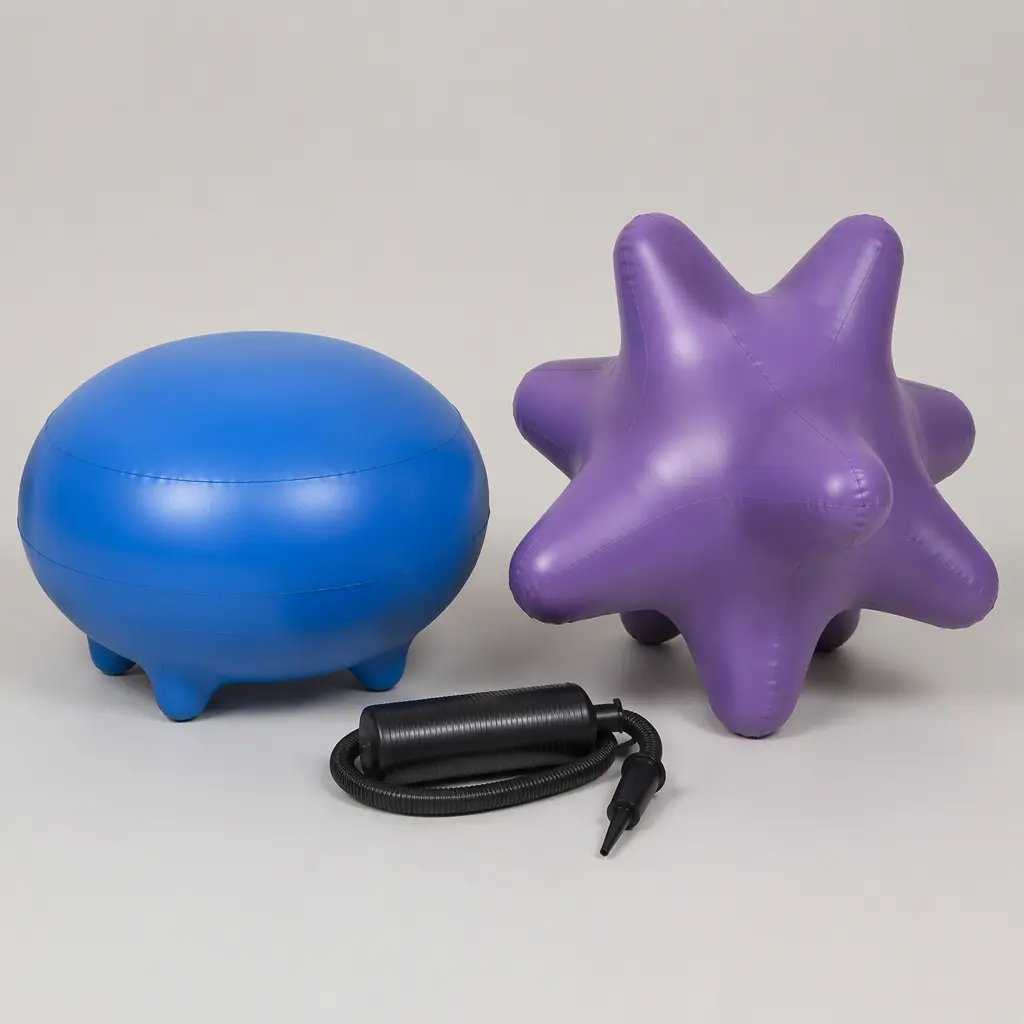
Modern Bop Bags come in many forms, though the underlying structure rarely changes. Some are human-shaped while others resemble animals, sports equipment, or fantasy creatures. Taller versions are often marketed toward older children, while shorter and wider designs are usually intended for younger kids who may push or hug the toy as much as punch it. Some include soft sound features or water-fill bases, but most still rely on the original air-and-weight concept.
Material quality matters more than flashy themes. Lower-quality inflatables may develop leaks around seams or topple too easily if the base weight is insufficient. A good version should rebound consistently without feeling stiff or unstable. It is also worth checking whether the base uses sand or water for weight, since that affects portability and cleanup. Families planning to use one outdoors should look for thicker vinyl and reinforced seams because sunlight, rough pavement, and temperature swings can shorten the life of lightweight inflatables.
- Look for reinforced seams and thicker inflatable material
- Choose a height appropriate for the child's age and reach
- Water-weighted bases are easier to empty and move
- Outdoor use may wear down lighter materials more quickly
- Avoid poorly balanced versions that collapse instead of rebounding
Frequently asked questions
Are Bop Bags considered safe for indoor play?
Generally yes, especially compared with harder sports equipment. The inflatable body softens impacts, though children still need enough surrounding space to move safely. Clearing nearby furniture and breakable objects is important.
What keeps a Bop Bag standing up?
Most versions use a weighted base filled with either water or sand. That weight lowers the center of gravity so the toy tips over temporarily before springing back upright.
Do they help with exercise or coordination?
They can encourage movement, balance, and hand-eye coordination through repeated motion. While not formal exercise equipment, they often keep younger children physically active in a playful way.
Can adults still enjoy them?
Many adults buy them for nostalgic reasons or as playful additions to family game rooms and recreation spaces. Their appeal is tied as much to memory and humor as to active play itself.
The Bop Bag has endured because it solves a timeless problem in a simple way: children have energy, and they enjoy toys that respond dramatically to movement. Across decades of changing toy trends, the inflatable rebound design has remained recognizable and easy to understand. It may never be the most technologically advanced toy in the room, but its bounce-back simplicity is exactly why it keeps returning generation after generation.