Cabbage Patch Kids: The dolls that made adoption papers famous
With soft faces and pretend adoption papers, Cabbage Patch Kids became more than dolls. In the 1980s, they sparked lines, tears, and a new kind of emotional play that still echoes today.
Compare prices and availability
Check current prices and availability for this guide on eBay.
As an eBay Partner, we may be compensated if you make a purchase.
In the early 1980s, Cabbage Patch Kids were not just another line of dolls. They were adopted. Each one came with papers, a name, and a promise that no two were exactly alike. That idea — that a toy could be personal and emotionally claimed — turned a soft-bodied doll into a full-blown cultural phenomenon.
Where it came from
Cabbage Patch Kids officially arrived in 1983, but their roots go back a few years earlier. The concept began with handmade dolls created by a young art student, Xavier Roberts, who sold them at craft fairs under the name “Little People.” Each doll was signed and came with a backstory, setting the tone for what would follow.
When a major toy company brought the idea to mass retail, the dolls were renamed Cabbage Patch Kids and redesigned for large-scale production. The core idea stayed the same: soft bodies, distinctive faces, and the promise that each doll was unique. In the pre-internet era, that sense of scarcity and individuality proved powerful — especially around the holidays.
Why it works
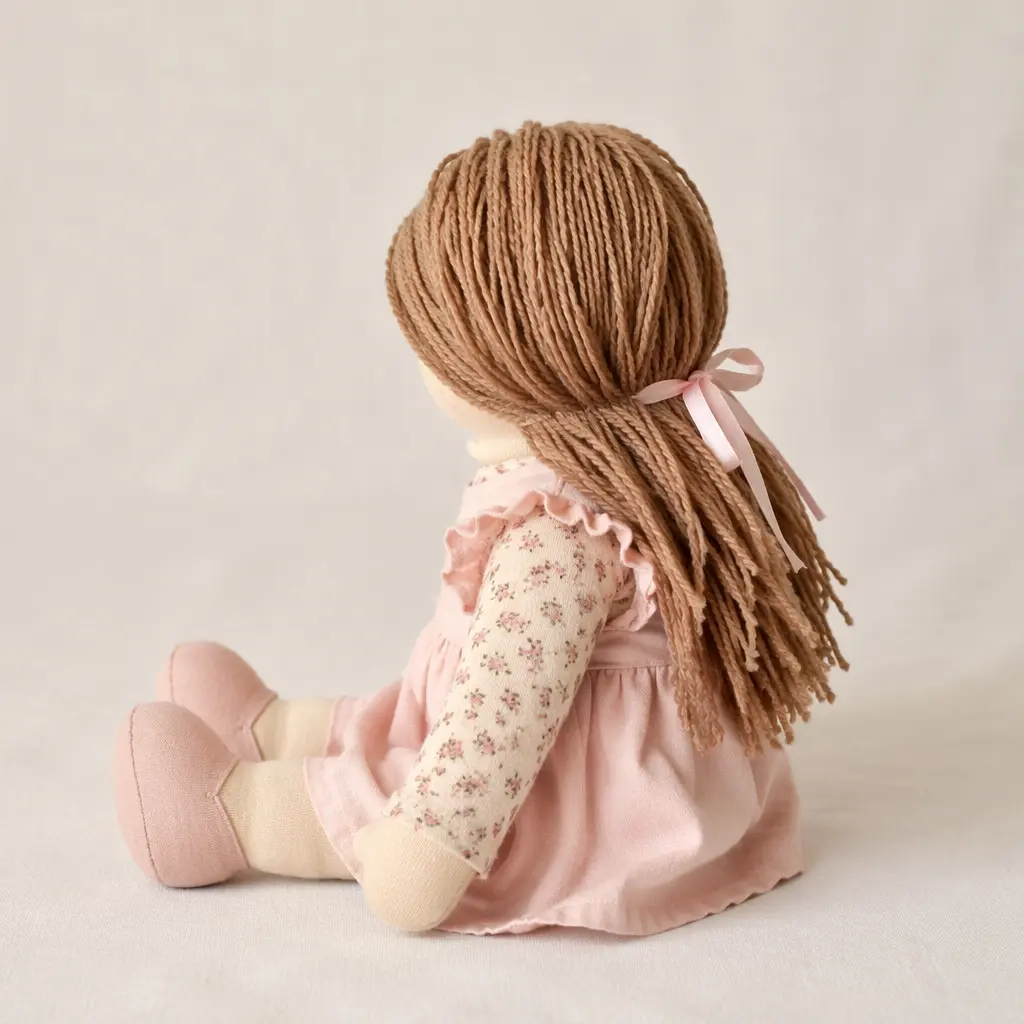
At a glance, Cabbage Patch Kids looked gentler than many dolls of the time. Their cloth bodies made them huggable, while their rounded facial features felt friendly rather than glamorous. But the real innovation was emotional, not physical. The adoption narrative invited children to take responsibility for their doll, not just play with it.
- Soft, cuddly bodies designed for hugging and carrying
- Distinctive faces meant to suggest individuality
- Adoption papers that turned ownership into a story
- Names and birthdays that encouraged role-play
- A balance between realism and childlike charm
This combination created attachment. Children weren’t collecting objects; they were welcoming a new family member. That bond explains why demand once outpaced supply — and why memories of these dolls remain vivid decades later.
Who it’s for
Originally aimed at young children, Cabbage Patch Kids appealed strongly to early elementary ages, when nurturing and pretend play take center stage. Today, they also attract adult collectors, especially those who remember the frenzy of the 1980s. For some, the appeal is nostalgia; for others, it’s the charm of a simpler, softer style of doll.
Variants and what to look for today
Over the years, Cabbage Patch Kids have appeared in many forms. Sizes have ranged from small, travel-friendly dolls to larger versions meant for hugging. Materials have shifted slightly, but the soft body and adoption theme remain central. Modern releases often lean into nostalgia, echoing the look and feel of the originals.
If you’re looking for one today, focus on build quality and materials. Well-made versions feel sturdy at the seams and soft to the touch. As with many classic toys, there are generic lookalikes on the market. While some are perfectly fine for casual play, they may skip the details — like adoption certificates — that define the experience.
Frequently asked questions
Why were Cabbage Patch Kids so hard to find in the 1980s?
Demand exploded faster than production could keep up. Combined with holiday shopping pressure and limited distribution, this led to empty shelves and long lines.
Are all Cabbage Patch Kids meant to be unique?
They were designed to appear individual through different faces, hairstyles, and names. While mass-produced, the illusion of uniqueness was a key part of their appeal.
Do children today still connect with them?
Many do, especially younger children who enjoy nurturing play. The dolls’ softness and simplicity can feel refreshing compared to more tech-driven toys.
Are vintage dolls safe for play?
They can be, but parents should inspect older dolls for wear, loose parts, or materials that no longer meet modern safety expectations.
Cabbage Patch Kids endure because they offered something timeless: a sense of belonging. Long after the headlines faded, the idea of adopting a doll — rather than just owning one — remains a powerful reminder of how storytelling can turn a simple toy into a lasting memory.