Best Classic Plush Toys That Last Through Early Childhood
A parent-focused guide to durable, non-electronic plush toys for ages 3–5. Learn what features matter, how to match plushies to your child’s stage, and which classic styles grow with imaginative play.
Compare prices and availability
Check current prices and availability for this guide on eBay.
As an eBay Partner, we may be compensated if you make a purchase.
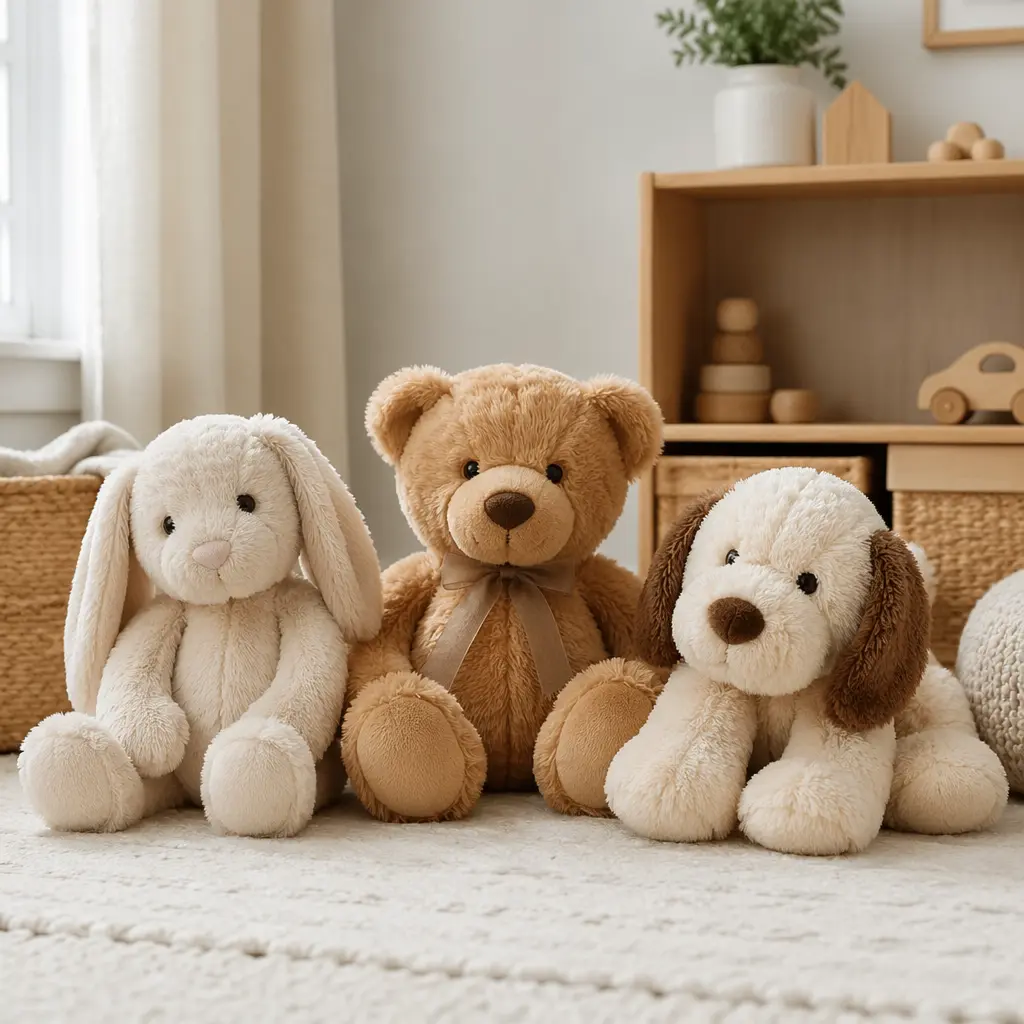
Classic plush toys have stayed popular for generations because they do something screens and gadgets can’t: they invite open-ended, comforting play. For children ages 3–5, a well-made plush toy can be a character, a bedtime buddy, a prop for storytelling, and a source of emotional comfort. This guide focuses on durable, non-electronic plushies that are built to last through early childhood and adapt as your child’s play grows more imaginative.
What to look for
Not all plush toys are made the same. For preschoolers, durability and design matter more than novelty features. The best classic plush toys hold up to daily hugs, dragging, pretend adventures, and regular washing, while still staying soft and appealing.
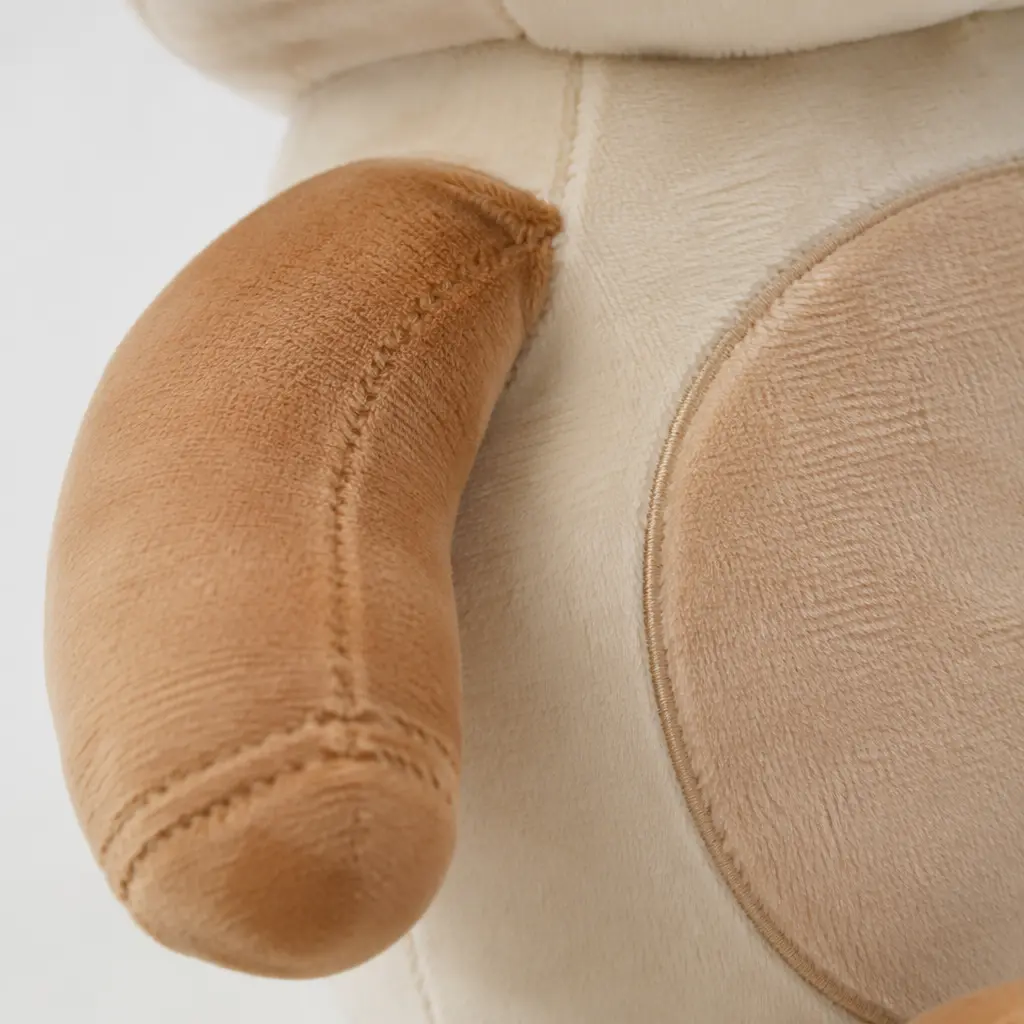
- Strong stitching: Look for tight, even seams, especially around arms, legs, and ears.
- High-quality fabric: Dense plush or cotton-blend fabrics resist matting and tearing better than thin fuzz.
- Simple construction: Fewer accessories or glued-on details usually means fewer parts to break or lose.
- Washability: Machine-washable plush toys are easier to keep clean during years of use.
- Timeless design: Neutral or classic animal styles tend to stay appealing as children grow.
Age suitability
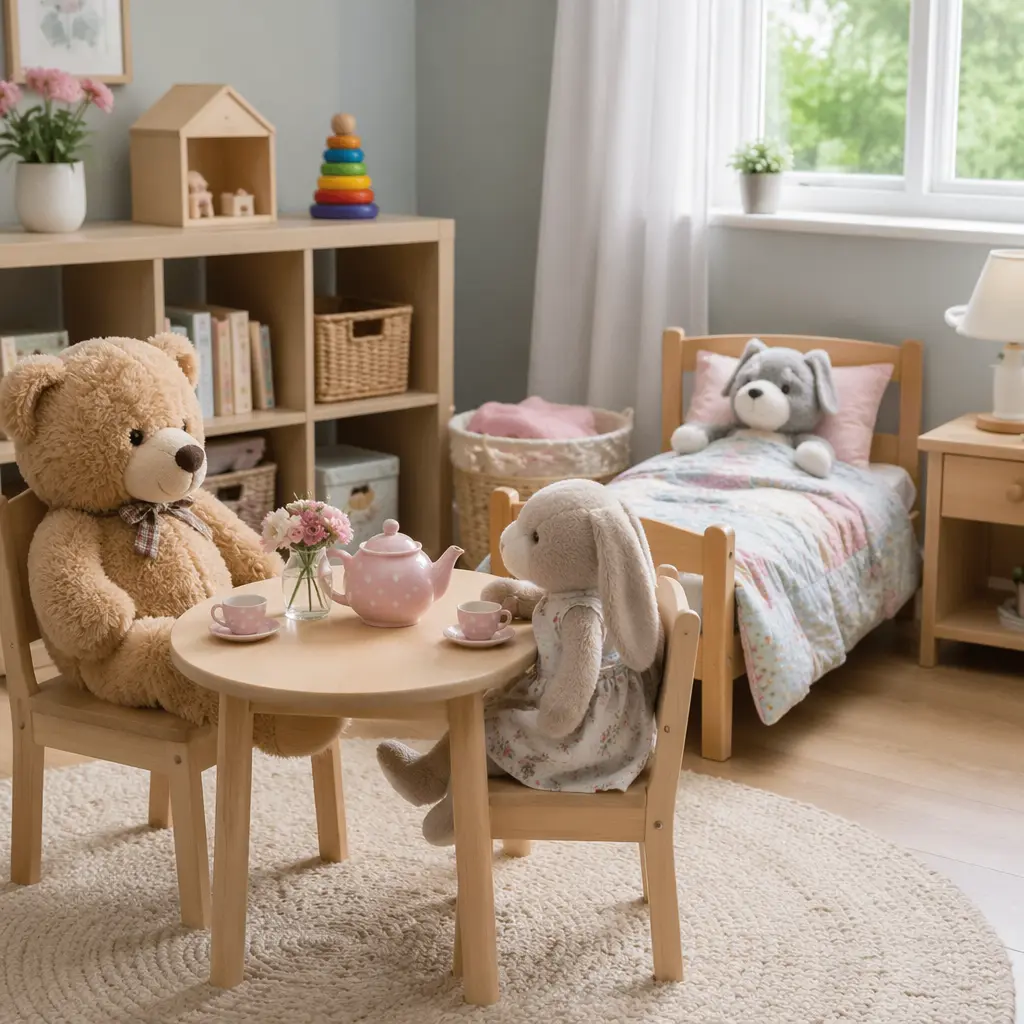
For ages 3–5, plush toys often shift from being mostly comfort items to becoming active participants in pretend play. Children at this stage enjoy assigning roles, creating stories, and using plushies to act out everyday experiences. A good plush toy for this age band is large enough to feel substantial, soft enough for cuddling, and sturdy enough to survive being tossed in a backpack or used as a “character” in energetic play.
Standout categories or types
Within the world of classic plush toys, certain types tend to perform especially well for early childhood. These categories balance comfort, durability, and imaginative potential.
- Traditional teddy bears: A long-standing favorite, teddy bears work well as comfort items and pretend-play characters.
- Realistic animals: Dogs, cats, farm animals, and woodland creatures often inspire storytelling and role-play.
- Simple dolls or characters: Soft-bodied figures without electronics encourage nurturing and social play.
- Oversized plush toys: Larger plushies can double as pillows or reading companions, extending their usefulness.
- Minimalist designs: Plush toys with calm colors and simple features tend to age better with children.
Frequently asked questions
Are plush toys still useful for 4- and 5-year-olds?
Yes. While play becomes more complex at this age, plush toys often take on roles in imaginative games, storytelling, and emotional expression. Many children also continue to use them for comfort at bedtime.
How many plush toys is reasonable?
Quality usually matters more than quantity. A small group of well-loved, durable plush toys often gets more use than a large pile of novelty items.
What size plush toy works best for this age?
Medium to large plush toys are often ideal. They’re big enough to feel comforting but still manageable for carrying and play.
Do non-electronic plush toys help with development?
They can. Open-ended plush toys support imaginative play, language development, and social-emotional skills without directing how a child should play.
A classic plush toy doesn’t need lights or sounds to earn a place in your child’s world. By choosing durable materials, simple designs, and age-appropriate sizes, parents can find plushies that stay relevant from preschool years through early childhood. These timeless toys often become familiar companions that grow right alongside your child.