Cootie Bugs: Why a 1949 preschool game still clicks
Cootie Bugs turned simple plastic bug parts into one of the earliest preschool board games. Its mix of luck, building, and silliness still makes it an easy first game for young kids.
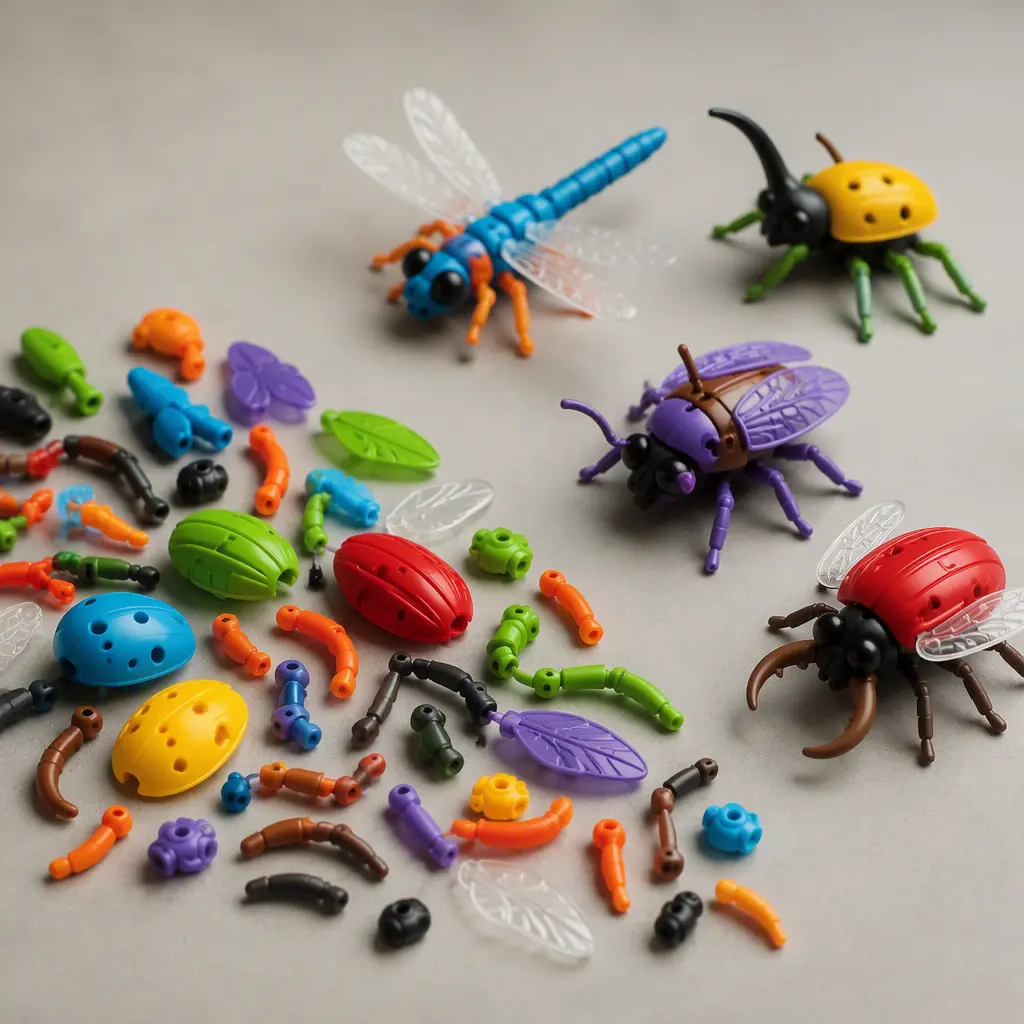
Compare prices and availability
Check current prices and availability for this guide on eBay.
As an eBay Partner, we may be compensated if you make a purchase.
Few preschool games have stayed recognizable for as long as Cootie Bugs. The premise is simple: players roll a die, collect plastic bug parts, and assemble a strange-looking insect piece by piece. There is no reading required, very little strategy, and almost no setup. Yet generations of families have kept the game around because it quietly teaches turn-taking, patience, counting, and fine motor skills while still feeling playful. The toy-like bug pieces are really the main attraction. For many children, building the bug matters more than winning the game.
Where it came from
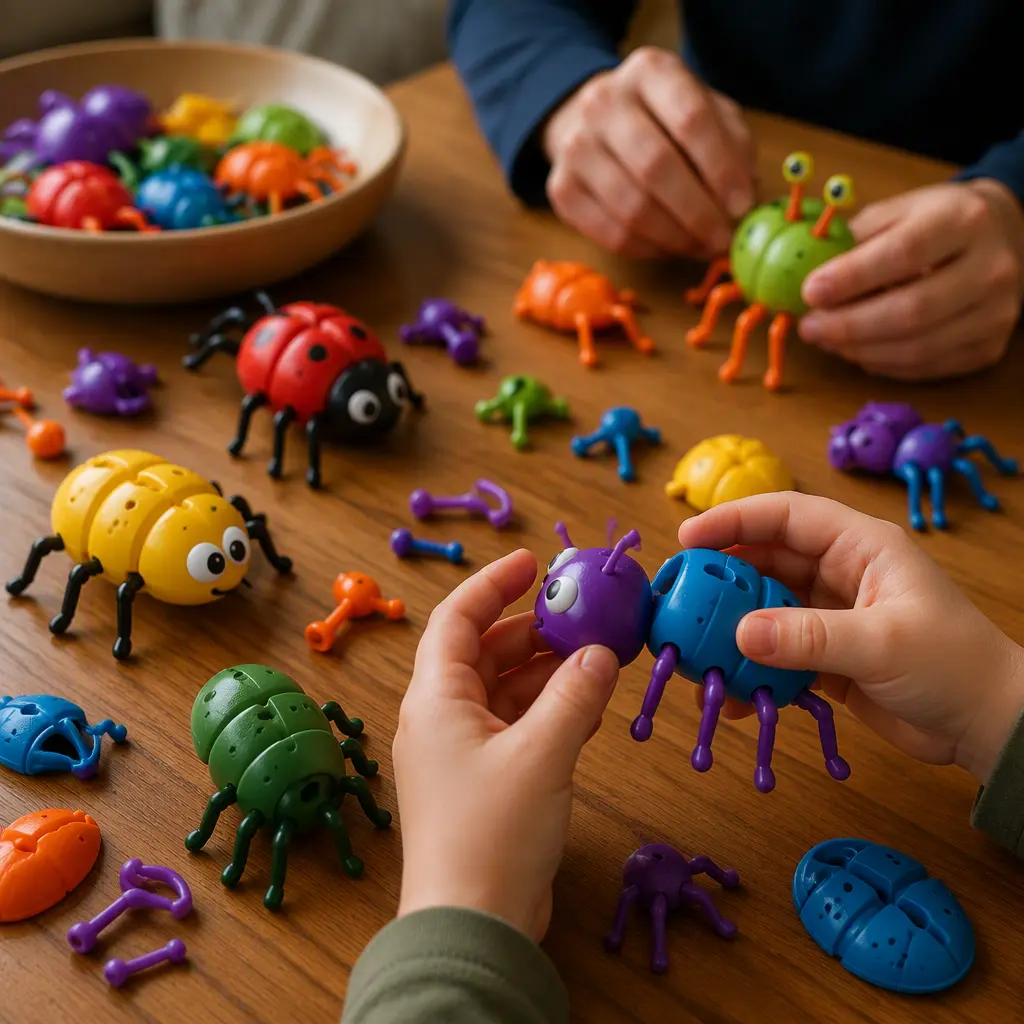
Cootie Bugs first appeared in 1949 during a period when tabletop games for younger children were becoming more common in American homes. The game was created by William H. Schaper, a postman and part-time toy inventor from Minnesota who reportedly developed the idea after noticing fishing lures and other small assembled objects. His concept was refreshingly direct: children would build funny bugs from durable plastic parts while following simple game rules based on dice rolls.
The game arrived at the right moment. Postwar toy manufacturing had expanded, molded plastic was becoming cheaper and more colorful, and family game nights were increasingly marketed as wholesome entertainment. Cootie Bugs stood out because it combined toy construction with board game mechanics. Instead of moving a token around a board for most of the experience, children physically created something as they played. That tactile element helped the game last through decades of changing toy trends and ownership changes.
Why it works
Cootie Bugs succeeds because it understands what preschoolers actually enjoy. The rules are easy to explain in under a minute. Roll the die, collect the matching body part, and keep building until your bug is complete. Young children quickly grasp the goal because they can see their progress growing in front of them. The assembled creature also looks intentionally ridiculous, which gives the game a sense of humor without needing complicated storytelling or licensed characters.
The design also balances randomness with physical interaction. Luck determines which pieces players receive, but assembling the bug requires hand-eye coordination and attention. Children often become attached to their finished creature regardless of whether they won. That matters because many early childhood games work best when the process itself feels rewarding. Cootie Bugs turns basic developmental skills into something that feels closer to playing with a toy box than following strict game rules.
- Large, colorful plastic pieces that are easy for small hands to handle
- Simple dice-based gameplay with almost no reading required
- Visible progress as the bug takes shape piece by piece
- Short play sessions that fit preschool attention spans
- A mix of construction play and basic board game structure
Who it's for
Cootie Bugs is primarily aimed at preschool and early elementary-age children, especially those who are just learning how turn-based games work. Because the gameplay depends mostly on matching symbols or numbers and attaching pieces, children can usually participate before they are confident readers. Adults often remember the game from their own childhoods, which gives it unusual cross-generational appeal. It also works well in classrooms, daycare spaces, and family settings where younger children need something structured but not overly competitive.
Variants and what to look for today
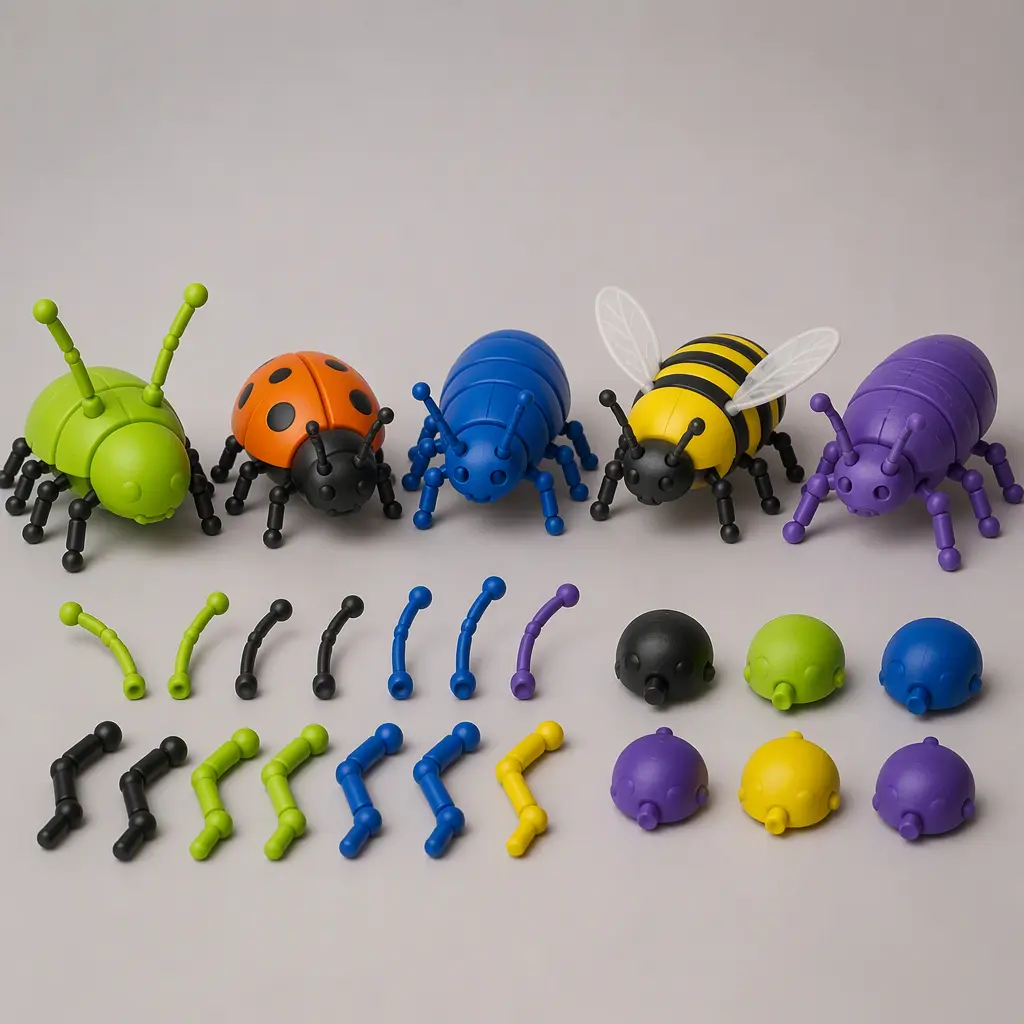
Over the years, Cootie Bugs has appeared in several visual styles and packaging formats, though the core gameplay has changed very little. Older editions often used heavier plastic pieces and slightly different bug shapes, while modern versions tend to use brighter colors and lighter materials. Some sets simplify the dice symbols for younger players or adjust the storage tray design to keep parts organized more easily.
Collectors sometimes seek out vintage editions because of nostalgia and sturdier construction, but families looking for a playable set usually do well with modern reissues. The important thing is making sure all the pieces are included and fit together securely. Since the game depends on assembly, missing legs, heads, or body sections can make play frustrating for children.
- Look for complete sets with all bug parts included
- Check that plastic connectors still snap together cleanly
- Modern versions are often lighter and easier for younger kids to handle
- Vintage editions may appeal more to collectors than everyday players
- Be cautious of poorly molded imitation sets with rough plastic edges
Frequently asked questions
Is Cootie Bugs really a board game?
It sits somewhere between a board game and a construction toy. Players still take turns and follow rules, but most of the activity involves collecting and assembling physical pieces rather than moving around a board.
What skills does the game help develop?
The game encourages counting, color recognition, turn-taking, patience, and fine motor coordination. It is often used as an early introduction to structured gameplay because the rules are straightforward and repetitive in a helpful way.
Do older editions play differently?
Most versions play almost identically. Differences are usually cosmetic, including color palettes, bug designs, packaging, or the style of the die and tray. The central build-a-bug concept has remained remarkably consistent.
Why has the game lasted so long?
Cootie Bugs survives because the idea is immediately understandable. Children enjoy building silly creatures, adults appreciate the simple rules, and the game does not rely on complicated technology or pop culture tie-ins to stay entertaining.
More than seventy years after its debut, Cootie Bugs still represents a style of preschool play that values simplicity and physical interaction over noise and complexity. The game asks children to roll, build, laugh, and try again. That formula has proven durable across generations, not because it constantly reinvents itself, but because it understands exactly what younger players need from a first game.